Wet areas, especially bathrooms, are arguably the most demanding environments in any home. They are constantly subjected to a relentless barrage of moisture, fluctuating temperatures, high humidity, steam, and rigorous cleaning routines. Overlooking the importance of material selection in these critical zones can lead to a cascade of problems: from unsightly swelling and pervasive mold growth to stubborn staining and, in the worst cases, significant long-term structural damage to your home’s infrastructure.
Whether you’re embarking on a brand-new bathroom construction or undertaking a much-needed renovation, the careful selection of materials specifically engineered for wet areas is paramount. This decision-making process is not merely about aesthetics; it is critical for ensuring the longevity and durability of your bathroom, safeguarding your investment, and complying with stringent building codes designed to protect your property.
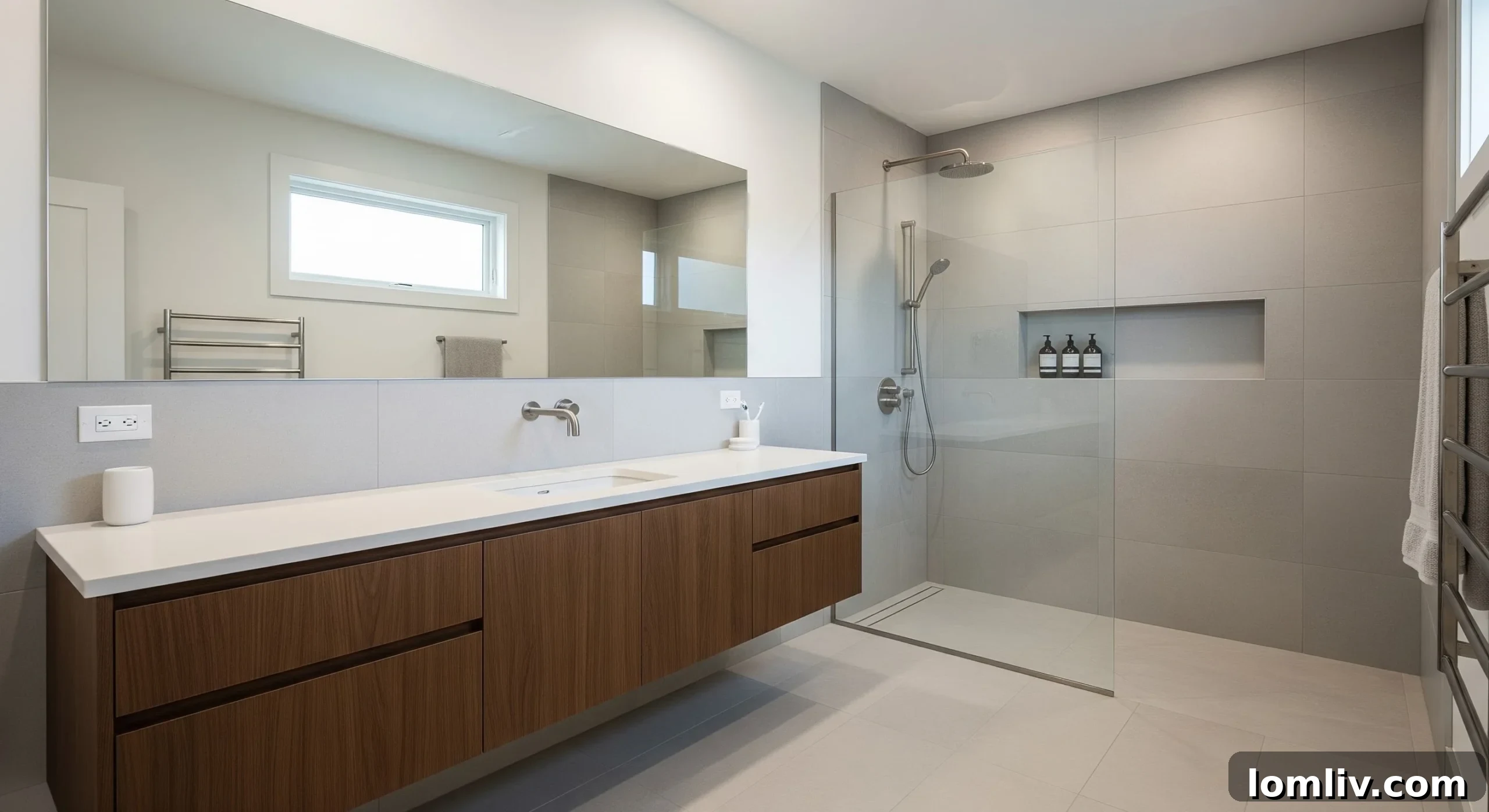
To help you navigate these choices, this comprehensive guide will delve into the essential considerations for selecting the best materials for every element of your bathroom – from the foundational waterproofing layers to the visible finishes on your showers, floors, walls, and vanities. Making informed choices now will save you countless headaches and expenses down the line.
The Indispensable Foundation: Starting with Professional Waterproofing
Before any luxurious tiles are laid or stylish finishes applied, the absolute cornerstone of a successful and durable bathroom is its waterproofing system. This critical stage is often unseen but is arguably the most vital investment you will make. In many regions, wet area waterproofing is not just a recommendation but a mandatory requirement, subject to strict building codes and regulations.
A properly installed waterproof membrane, meticulously applied beneath the surface materials like tiles, acts as an impermeable barrier. Its primary function is to prevent water from penetrating into the underlying wall structures, floor joists, and subfloor materials. This barrier is crucial because even the most water-resistant surface materials can develop minor cracks, porous grout lines, or compromised seals over time, allowing moisture to seep through.
Without an effective and professionally installed waterproofing membrane, even the highest quality surface materials will eventually succumb to moisture infiltration, leading to costly damage such as rot, mildew, and structural compromise. Therefore, always prioritize the professional installation of this membrane by qualified specialists before you even begin to consider the visible aesthetic finishes. This foundational step is the ultimate safeguard against the ravages of moisture and the key to a long-lasting, problem-free bathroom.
Choosing the Right Tiles for Bathroom Walls and Floors
Tiles remain the most popular and practical choice for finishing wet areas in bathrooms, primarily due to their inherent water resistance, exceptional durability, and vast aesthetic versatility. However, not all tiles are created equal, especially when faced with the demanding conditions of a bathroom.
Porcelain vs. Ceramic Tiles: Understanding the Difference
For bathroom floors and shower walls, porcelain tiles generally stand out as the superior option. They are manufactured under high pressure and temperature, resulting in an exceptionally dense and non-porous body. This density means porcelain tiles have a significantly lower water absorption rate – typically less than 0.5% – making them virtually impervious to moisture. This characteristic makes them perfectly suited for the highest moisture environments, such as shower enclosures and bathroom floors where spills are common.
Ceramic tiles, while also a strong contender, are typically slightly more porous than porcelain. They are often a cost-effective and beautiful choice for bathroom walls, where direct and prolonged water exposure is less intense than on a shower floor. When choosing ceramic for walls, ensure they are rated for bathroom use and consider their PEI (Porcelain Enamel Institute) rating for durability, though for walls, this is less critical than for floors.
Prioritizing Slip Resistance for Bathroom Flooring
Safety is paramount in any bathroom, and slip resistance on flooring is a non-negotiable factor. Wet floors pose a significant risk of falls, particularly in shower areas. When selecting floor tiles, look for products with appropriate slip ratings (e.g., R-ratings, often R9 to R13, or DCOF ratings). Tiles with a textured finish or a matte surface naturally offer better grip than highly polished or glossy options. This is especially important for households with children, the elderly, or individuals with mobility challenges.
Large-Format Tiles: Aesthetics and Practicality
Modern bathroom design has embraced large-format tiles, and for good reason. Their expansive size creates a seamless, contemporary aesthetic that can make smaller bathrooms feel more spacious. Beyond visual appeal, large-format tiles offer a significant practical advantage: fewer grout lines. This directly translates to less maintenance effort, as grout lines are notorious for trapping dirt, soap scum, and moisture, making them breeding grounds for mold and mildew. Fewer grout lines mean a cleaner, more hygienic bathroom with less effort over time. When using large format tiles, ensure the subfloor is perfectly level to avoid lippage (uneven tile edges).
The Crucial Role of Grout Selection
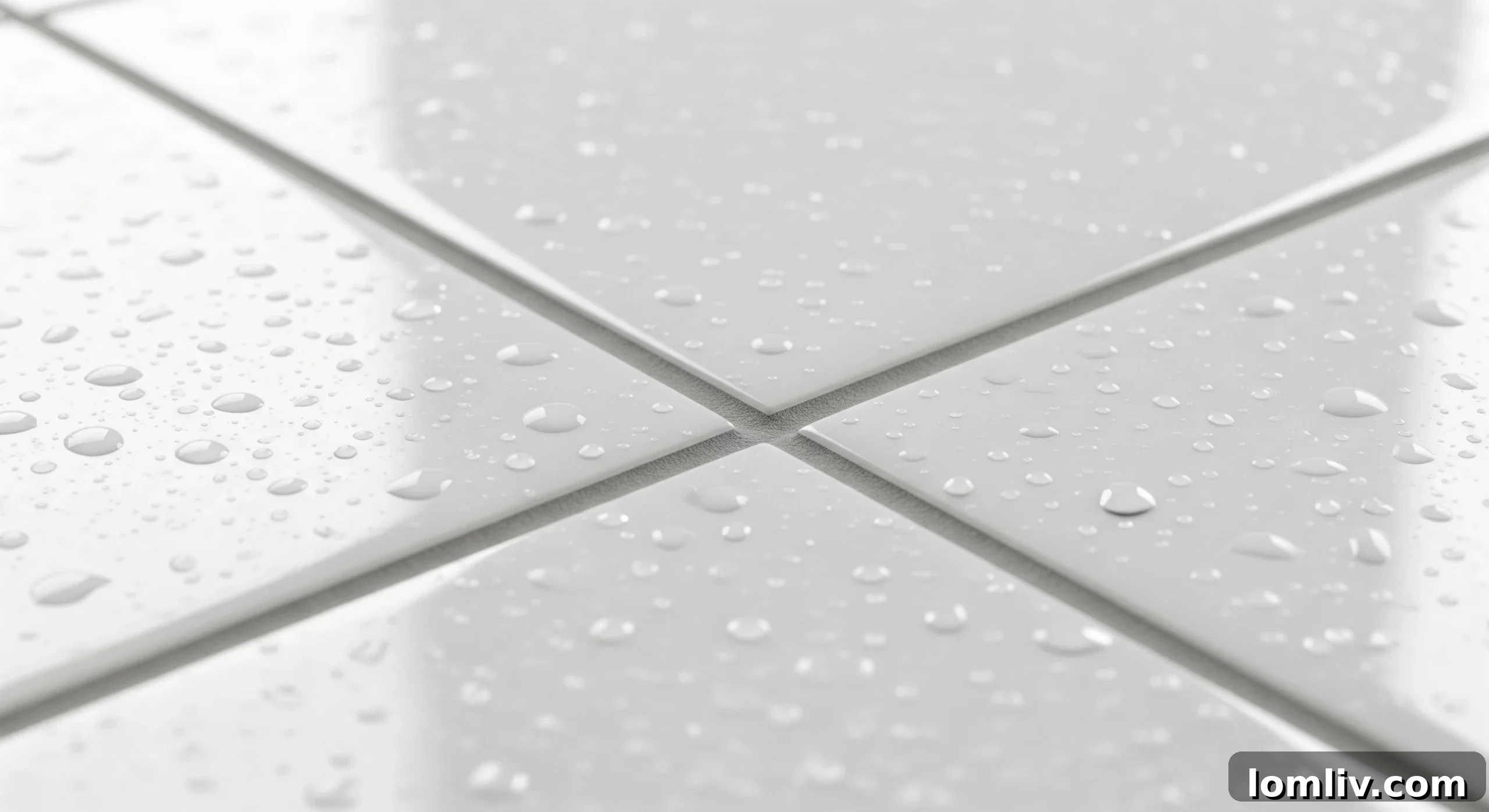
While often overlooked in favor of the more visually striking tiles, grout plays an incredibly vital, unsung role in the long-term performance and appearance of any tiled wet area. It’s not just the filler between tiles; it’s a critical component of your bathroom’s defense against moisture.
Understanding Grout Types
Traditional cement-based grout, while widely available and more affordable, has a significant drawback: its inherent porosity. It can readily absorb moisture, which not only makes it susceptible to discoloration and staining from soap scum, dirt, and mildew, but also creates a pathway for water to potentially reach the substrate if the waterproofing isn’t perfect. If you opt for cementitious grout, ensure it is properly sealed immediately after installation and resealed periodically to enhance its water and stain resistance.
For superior performance in high-moisture environments, epoxy grout is a game-changer. Composed of an epoxy resin and a hardener, it creates a completely non-porous, waterproof, and highly durable surface. Epoxy grout is exceptionally resistant to water absorption, staining, chemical damage, and the growth of mold and mildew. While its upfront cost is higher and installation can be more challenging due to its fast curing time, the long-term benefits in terms of durability, low maintenance, and hygiene in wet areas like showers are unparalleled. Choosing mold-resistant grout significantly reduces the need for constant scrubbing and extends the pristine life of your bathroom finishes, making it a wise investment for busy homeowners.
Shower Wall Panels: An Alternative to Traditional Tiles
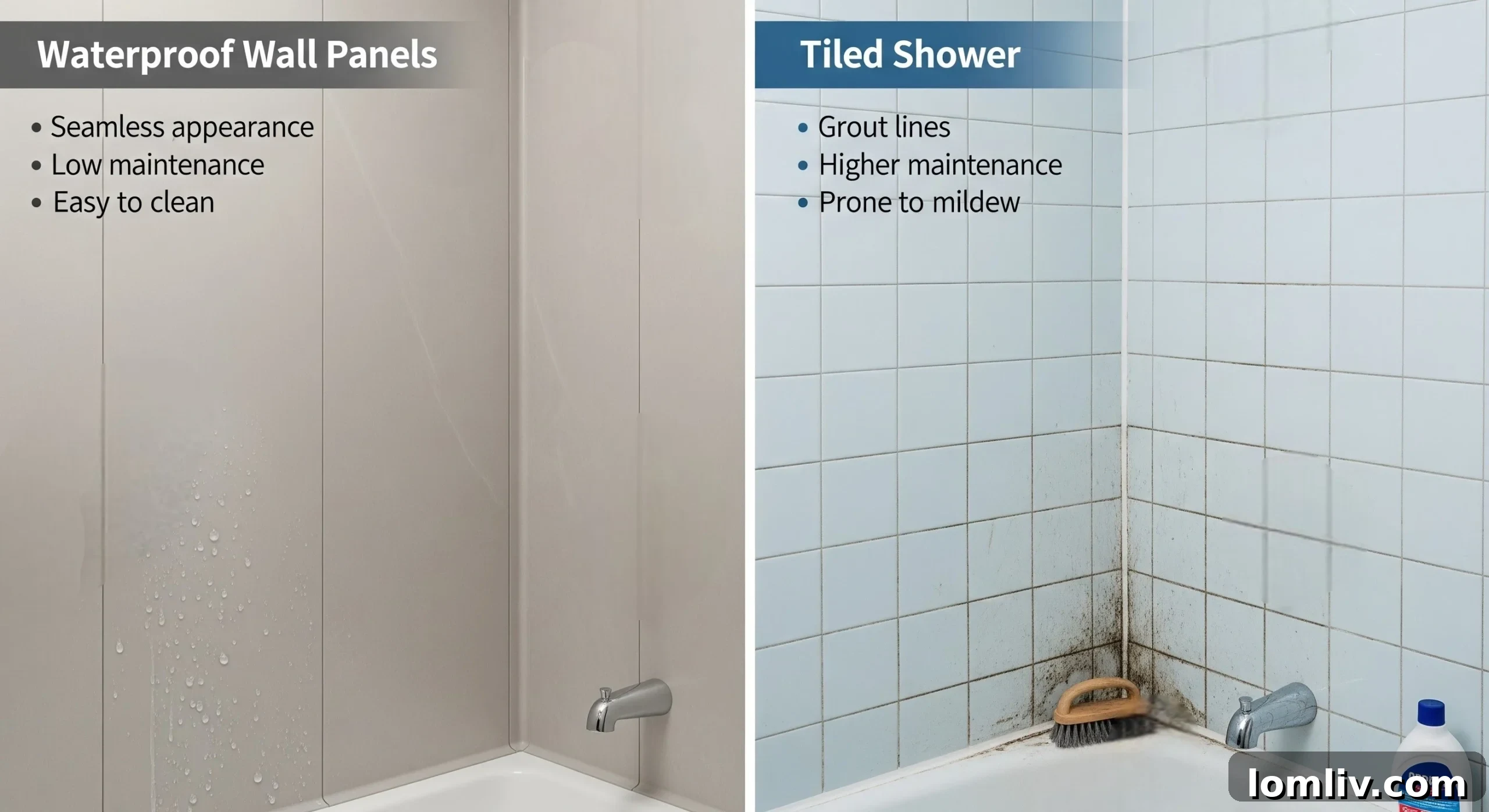
While tiles remain a classic choice, a growing number of homeowners are exploring waterproof shower wall panels as an appealing alternative, especially for renovations where efficiency and ease of maintenance are top priorities.
Advantages of Shower Panels
High-quality shower wall panels, typically crafted from materials like acrylic, composite, PVC, or even specially treated laminates, offer distinct advantages. Their primary benefit is the creation of seamless surfaces with minimal to no joints. This drastically reduces cleaning effort, as there are no grout lines to scrub and maintain. This also eliminates the common grout-related issues of discoloration, cracking, and mold buildup, contributing to a more hygienic shower environment.
Panels are particularly well-suited for quick renovations, as they can often be installed directly over existing surfaces, saving demolition time and labor costs. They come in a wide array of colors, patterns, and textures, some even mimicking the look of natural stone or large format tiles, providing a modern and sleek aesthetic.
Design Flexibility vs. Practicality
However, it’s worth noting that while panels offer convenience, tiles still provide unparalleled design flexibility. With an infinite combination of sizes, shapes, colors, patterns, and textures, tiles allow for highly customized and intricate designs that panels cannot always replicate. The tactile quality and depth of tiled surfaces also remain a favorite for many. The choice ultimately depends on balancing aesthetic desires with practical considerations like budget, maintenance preference, and installation speed.
Selecting Durable Materials for Vanities and Cabinets
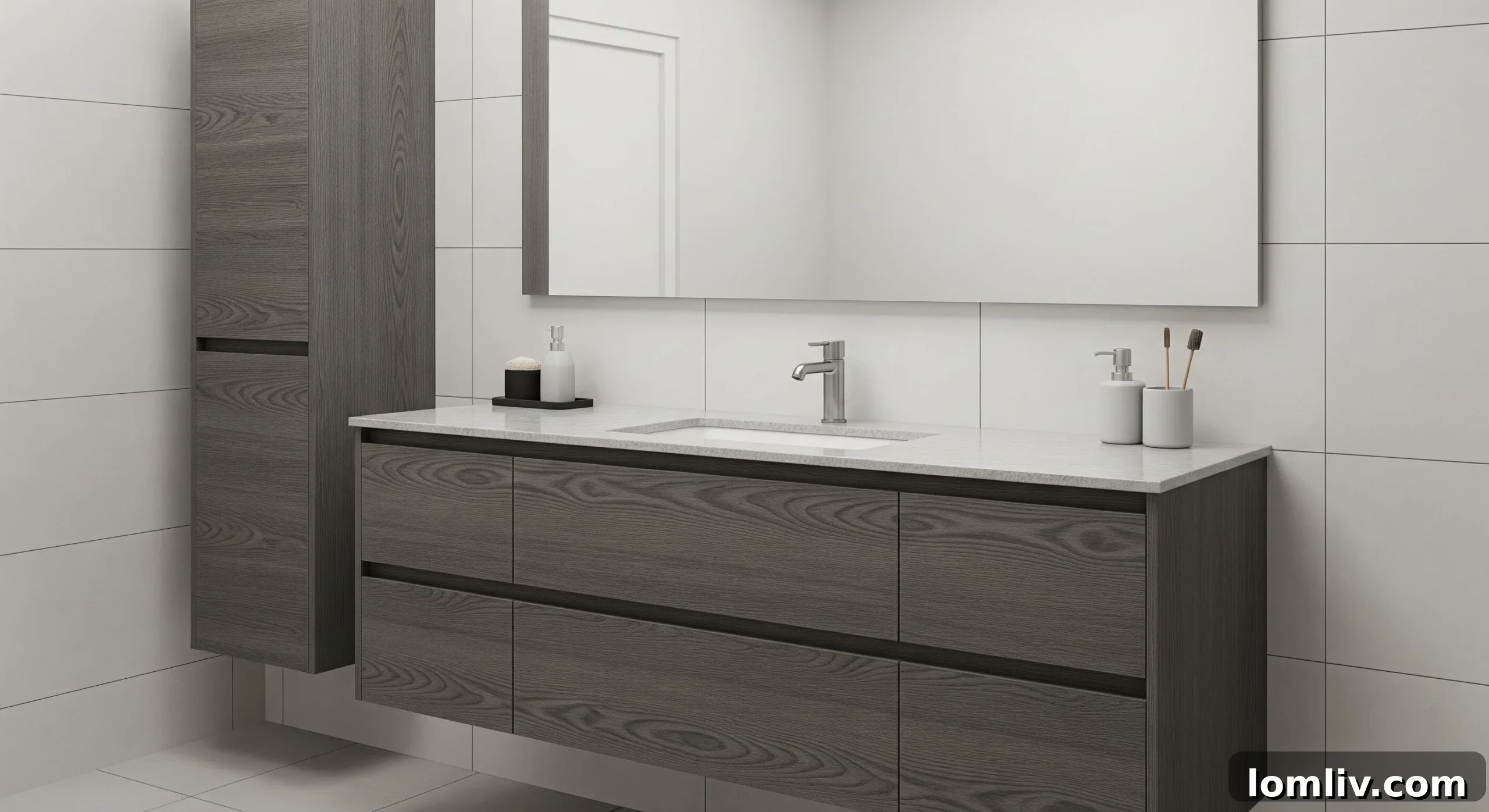
Bathroom vanities and cabinetry are constantly exposed to splashes, spills, and the ambient humidity of the room. Therefore, choosing materials that can specifically withstand these conditions without degrading is crucial for their longevity and appearance.
Cabinet Body and Door Materials
Traditional solid wood, while beautiful, is generally not recommended for primary bathroom cabinetry unless it’s a high-quality, marine-grade wood that has been exceptionally sealed and finished. Even then, the constant expansion and contraction due to humidity fluctuations can lead to warping, cracking, and finish degradation over time.
Instead, look for materials specifically engineered for humid environments. Moisture-resistant MDF (Medium-Density Fiberboard) or plywood with high-quality laminate, thermofoil, or veneer finishes are common and excellent choices. These engineered wood products are designed to handle humid conditions without the significant swelling, delamination, or warping that can plague standard cabinetry. Marine-grade plywood offers even greater water resistance, making it an ideal choice for the highest quality and most durable bathroom cabinets.
Countertop Materials
For vanity countertops, durability and water resistance are paramount. Natural stone, such as granite or marble (though marble requires more diligent sealing), and engineered stone (quartz) are highly durable, non-porous (especially quartz), and exceptionally resistant to water damage, staining, and heat. Solid surface materials like Corian also offer seamless integration with sinks and excellent resistance to moisture and stains. Laminate countertops, while more budget-friendly, have vastly improved in quality and water resistance. Opt for high-pressure laminates with integrated moisture barriers and ensure seams are properly sealed to prevent water penetration.
Ceiling and Paint Selection: Battling Steam and Humidity
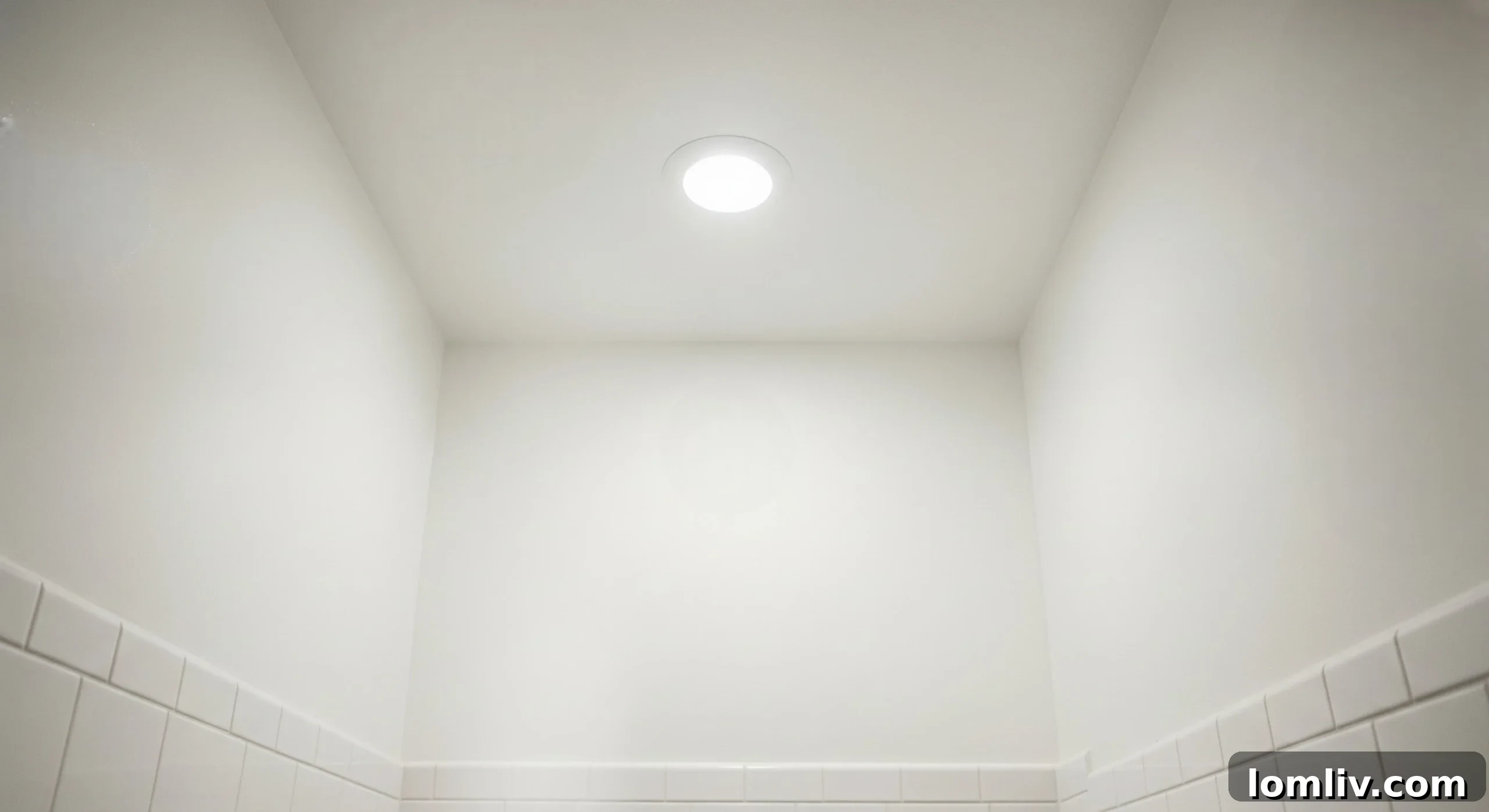
The ceilings and upper walls of a bathroom are often the first areas to show signs of moisture damage, as they bear the brunt of rising steam and condensation. Selecting the right paint and ensuring proper ventilation are key to maintaining their integrity.
Moisture-Resistant Paints
Standard interior paints are simply not formulated to withstand the high humidity levels found in bathrooms. Investing in specialized mold-resistant, moisture-resistant paint is crucial. These paints contain mildewcides and fungicides that inhibit mold and mildew growth, and they are formulated to create a tougher, more durable film that resists blistering, peeling, and cracking in humid conditions. Always use a high-quality primer specifically designed for wet areas before applying your topcoat, as this will improve adhesion and provide an additional barrier against moisture. Satin or semi-gloss finishes are generally preferred for bathrooms over matte finishes because they are smoother, less porous, and easier to clean.
The Importance of Ventilation
Even the best paint will struggle if moisture is allowed to linger. Adequate ventilation, primarily through a powerful and properly sized exhaust fan, is essential. An exhaust fan efficiently removes humid air, preventing condensation from accumulating on walls and ceilings. This not only protects painted surfaces from long-term damage but also significantly reduces the overall risk of mold and mildew growth throughout the bathroom. Inadequate ventilation is, without doubt, one of the most common causes of premature bathroom deterioration, leading to peeling paint, damaged drywall, and unhealthy air quality.
Flooring Options Beyond Traditional Tiles
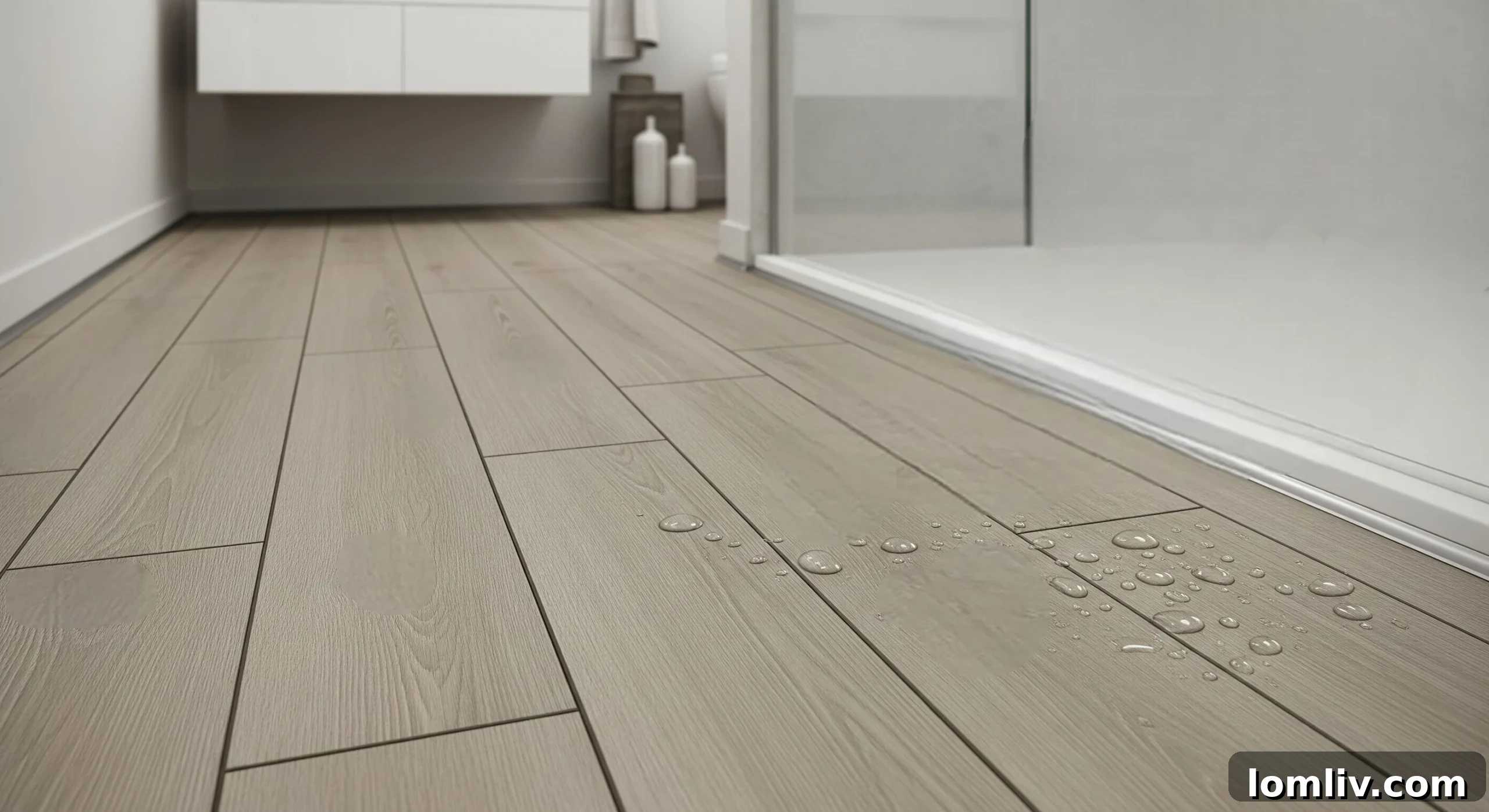
While ceramic and porcelain tiles dominate bathroom flooring for their proven water resistance, several alternative materials offer different aesthetics, comfort levels, and practical advantages. However, careful consideration is needed to ensure they are truly suitable for wet areas.
Luxury Vinyl Flooring (LVT/LVP)
Luxury Vinyl Tile (LVT) and Luxury Vinyl Plank (LVP) have emerged as highly popular alternatives. Modern vinyl flooring, particularly those designed specifically for wet areas (often labeled “100% waterproof”), can be an excellent choice. It is renowned for its resilience, ease of cleaning, and the ability to mimic the look of wood or natural stone very convincingly. Unlike wood, LVT/LVP is inherently water-resistant, making it suitable for bathrooms. It also offers a softer, warmer feel underfoot compared to tile, which can be a significant comfort factor. Correct installation, including proper subfloor preparation and sealing around the perimeter, is crucial to prevent any water from seeping underneath and causing damage to the subfloor.
Avoiding Wood Flooring
Generally, solid hardwood or engineered wood flooring is **unsuitable** for bathroom wet areas due to its inherent sensitivity to moisture. Even with multiple layers of sealant, wood is prone to expansion, contraction, warping, buckling, and rot when exposed to consistent humidity and standing water. While some exotic woods or specially treated wood products might claim “water resistance,” they are rarely truly waterproof enough for the high-moisture environment of a full bathroom and are often a risky investment for these spaces.
Other Considerations
Rubber flooring is another niche option offering excellent slip resistance and comfort, often used in commercial settings but occasionally in modern residential bathrooms. Concrete, when properly sealed, can also provide a unique, industrial aesthetic. Regardless of the material, always verify its waterproof rating and ensure professional installation for wet areas.
Hardware and Fixtures: Resisting Corrosion and Wear
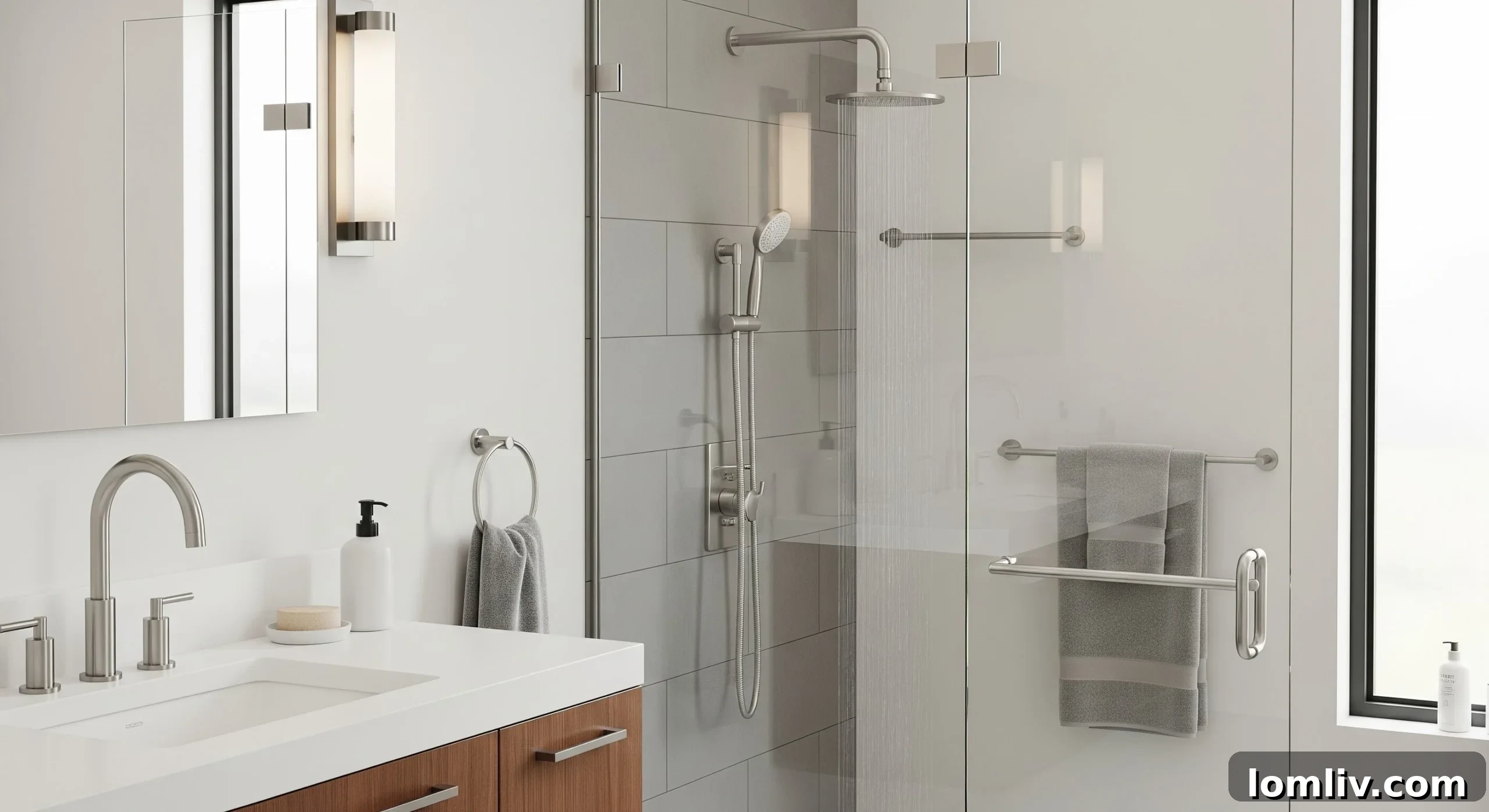
The myriad of hardware and fixtures in a bathroom – faucets, showerheads, shower door frames, cabinet pulls, towel bars, and even drain covers – are constantly exposed to water, cleaning chemicals, and humidity. Their material and finish quality are vital for preventing premature rusting, tarnishing, and surface damage.
Material and Finish Durability
When selecting these items, prioritize corrosion-resistant materials. Solid brass, stainless steel, and high-quality zinc alloy with durable plating are excellent choices. Cheaper plated alternatives, often made with lightweight metals, tend to chip, peel, or corrode rapidly, especially in a humid bathroom environment.
Consider the finish as well. Chrome remains a popular choice for its classic look and ease of cleaning, and high-quality chrome plating is quite durable. Brushed nickel and matte black finishes are also highly resilient and stylish. Oil-rubbed bronze, while beautiful, may show water spots more readily and some finishes are “living” and change over time. In coastal regions, where salt exposure can accelerate corrosion, investing in top-tier stainless steel or marine-grade finishes is even more critical to prevent unsightly rust and degradation.
Shower Doors and Enclosures
For shower doors, opt for tempered glass, which is designed for safety and durability. Look for glass with protective coatings (e.g., easy-clean, spot-resistant) that help repel water, soap scum, and mineral deposits, making maintenance significantly easier. The frames for shower enclosures should also follow the same high-quality, corrosion-resistant material guidelines as other fixtures.
Ultimately, investing in quality fixtures and hardware prevents frustrating premature rusting, discoloration, and functional failures, ensuring your bathroom looks and functions beautifully for years to come.
Ventilation: The Unsung Hero of Bathroom Longevity
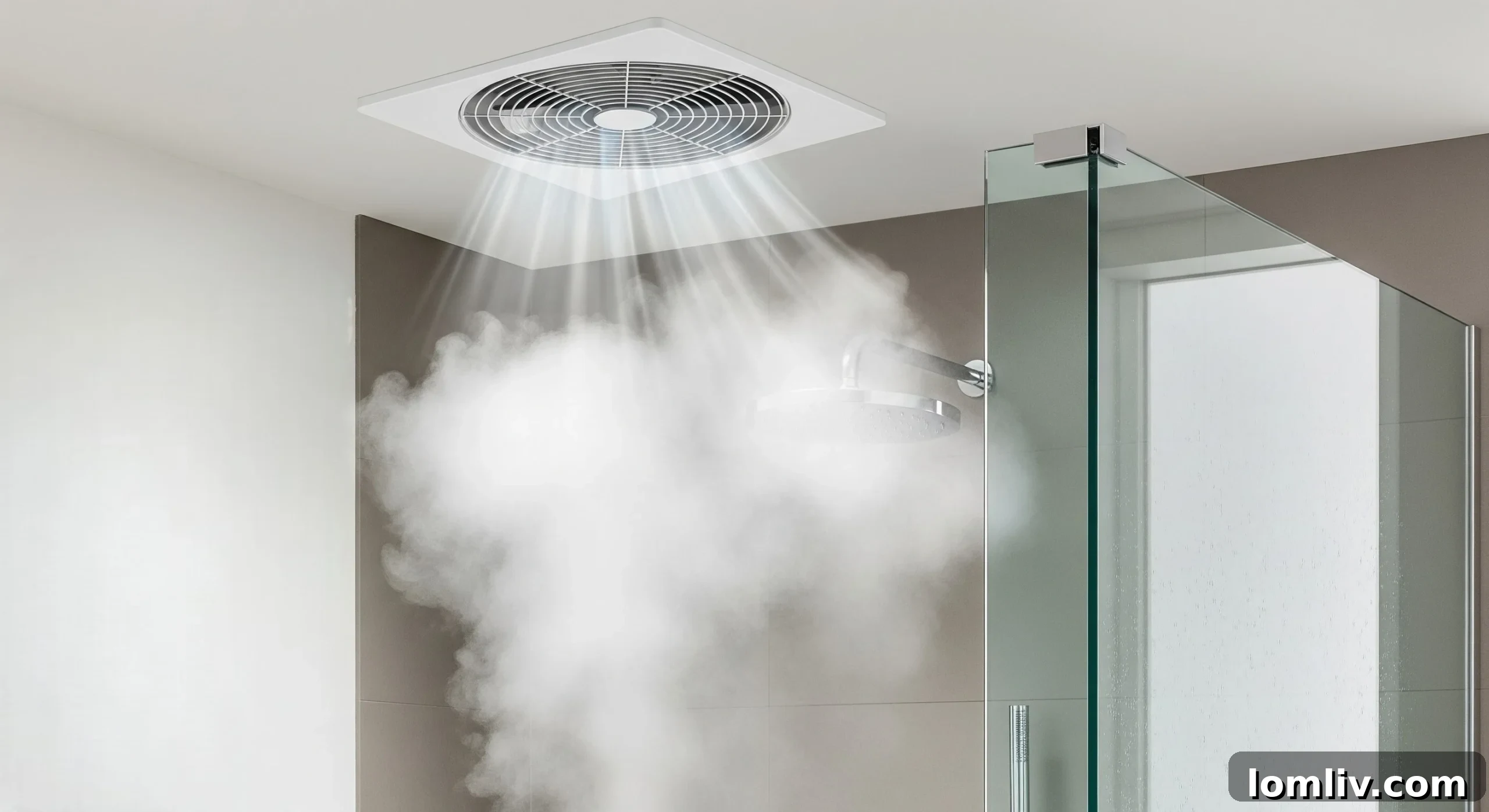
No matter how meticulously you select the most durable and water-resistant materials, their longevity and performance can be severely compromised without adequate ventilation. Proper airflow is the silent guardian of your bathroom’s structural integrity and air quality.
The Role of Exhaust Fans
An effective exhaust fan is crucial for removing moisture from the air, which is generated during showers and baths. By actively extracting humid air and replacing it with drier air, exhaust fans prevent condensation from building up on walls, ceilings, mirrors, and fixtures. This directly protects all bathroom surfaces from moisture-related damage, such as mold growth, peeling paint, warped wood, and corroded metals. Good ventilation also helps to eliminate unpleasant odors and improves overall indoor air quality.
Sizing and Placement
When designing bathrooms, it’s essential to ensure the ventilation capacity matches the size of the space. Exhaust fans are rated by CFM (Cubic Feet per Minute), indicating how much air they move. A general rule of thumb is to have at least 1 CFM per square foot of bathroom space, with larger bathrooms or those with tall ceilings requiring more powerful units. Placing the fan strategically near the shower or tub is ideal for capturing the most moisture. Consider models with humidistats that automatically turn on when humidity levels rise, or timer switches to ensure adequate run time after a shower. Even bathrooms with windows benefit from an exhaust fan, as windows alone often aren’t sufficient for rapid moisture removal.
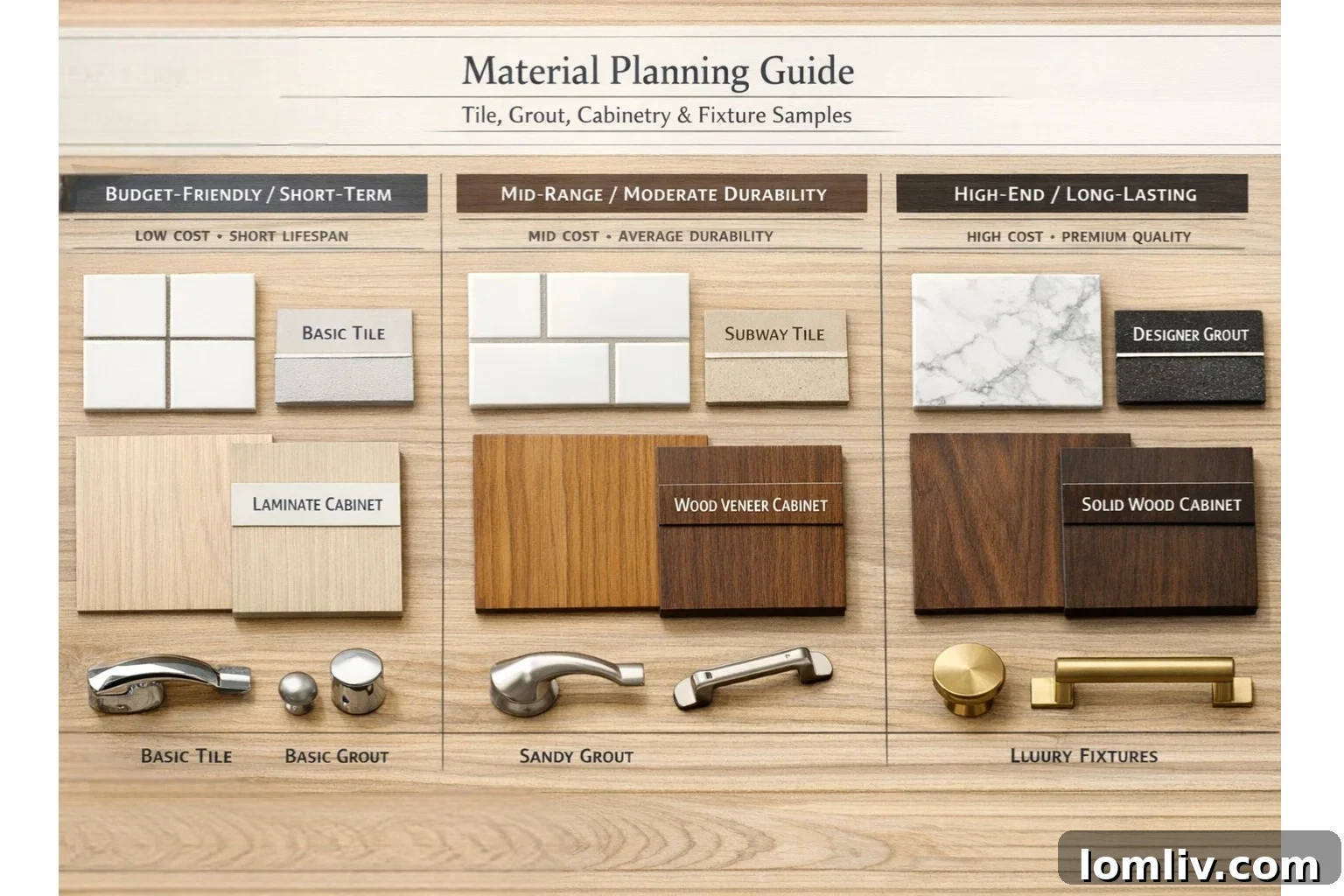
Balancing Budget with Long-Term Durability
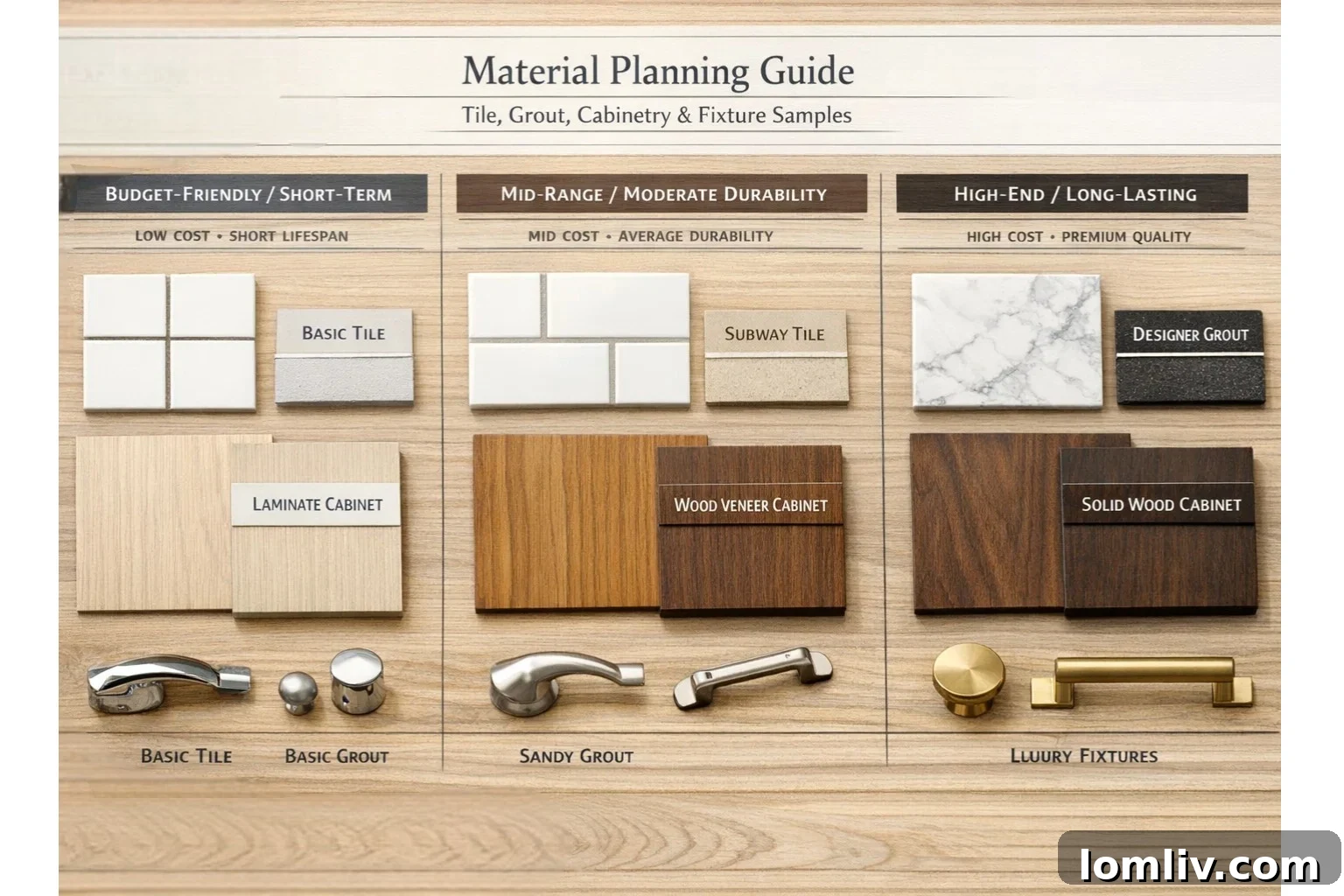
It’s tempting to opt for cheaper materials to reduce the initial upfront cost of a bathroom renovation or build. However, in a space as demanding as a bathroom, this approach often proves to be a false economy, leading to increased maintenance, frequent repairs, and potentially significant expenses down the line.
The True Cost of Ownership
Bathrooms are high-traffic, high-wear-and-tear environments. Materials that aren’t specifically designed to handle constant moisture, temperature fluctuations, and daily use will degrade quickly. Choosing durable, high-quality, water-resistant materials from the outset significantly reduces the likelihood of problems such as swelling, staining, mold growth, and underlying structural damage. For instance, while epoxy grout costs more than cementitious grout, its superior resistance to mold and stains can save countless hours of cleaning and potential regrouting expenses over its lifetime.
View your bathroom material choices as an investment in your home’s value, functionality, and your family’s comfort and health. While budget constraints are always a factor, prioritizing performance requirements over purely aesthetic or lowest-cost options will invariably lead to better long-term results, fewer headaches, and a bathroom that maintains its beauty and integrity for many years to come.
Final Thoughts on Selecting Wet Area Materials for Bathrooms
Creating a truly resilient and beautiful bathroom hinges entirely on the thoughtful selection of materials capable of withstanding moisture, extreme temperature changes, and frequent daily use. From the hidden yet indispensable waterproof membranes that form the core defense, to the visible surfaces like non-porous porcelain tiles, robust mold-resistant epoxy grout, specially rated moisture-resistant cabinetry, and enduring corrosion-resistant fixtures – every element plays a critical role in contributing to a durable, low-maintenance, and hygienic space.
When embarking on your bathroom project, the guiding principle should always be to focus on performance first, and then integrate style. The right material choices are not just about aesthetics; they are a vital safeguard for your home, protecting against water damage and reducing the need for constant maintenance and costly repairs. By making informed, strategic decisions today, you ensure your bathroom remains a pristine, functional, and beautiful sanctuary for many years to come.