
Captivating Buyers: Your Essential Guide to Stunning Real Estate Photography for Virtual Showings
By Terry Tremaine
2020 MetroTex President

In today’s dynamic real estate market, the first impression a potential buyer gets of your home is almost exclusively digital. With virtual showings and online property listings becoming the primary gateway for prospective purchasers, high-quality visuals are not just an advantage—they are an absolute necessity. Your home’s photographs serve as its digital storefront, inviting buyers to imagine themselves living there and compelling them to take the next step towards an in-person viewing. While engaging a professional photographer is always the ideal scenario for showcasing a property’s best features, unforeseen circumstances or a tight timeline can sometimes make this impractical. The good news is that with a strategic approach and a few simple, yet powerful, techniques, you can significantly elevate the quality of your listing photos. This comprehensive guide will empower you or your real estate agent to capture captivating images that stand out in a crowded market, attracting more interest and ultimately helping you achieve the best possible sale price for your home.
The Power of Presentation: Mastering Decluttering and Staging for Photos

Before you even think about picking up a camera, the most crucial step in real estate photography is to meticulously prepare your home. This foundational work, often referred to as staging and decluttering, is paramount because even the most professional photography cannot overcome a messy or disorganized space. Begin by undertaking a thorough cleaning of every room you intend to photograph. This means sparkling surfaces, dust-free furniture, and vacuumed floors. Beyond cleanliness, the goal is to depersonalize and simplify. Remove all personal items such as family photos, excessive knick-knacks, refrigerator magnets, and toiletries from bathroom counters. These items, while meaningful to you, can distract buyers and prevent them from envisioning their own lives in the space. Remember, potential buyers are trying to see themselves in your home, not you.
Once personal items are tucked away, focus on clutter. Overstuffed shelves, piles of mail, extra shoes by the door, or excessive furniture can make rooms appear smaller and less inviting. Embrace a minimalist approach: remove at least half of the items on bookshelves, clear kitchen countertops of small appliances, and ensure bathroom vanities are immaculate. Organize closets and pantries, as buyers will often peek inside during showings, and a well-ordered space implies good maintenance. Arrange furniture neatly, ensuring clear pathways and a sense of spaciousness. Aim to create an atmosphere that feels welcoming, elegant, and neutral—a blank canvas upon which prospective buyers can project their dreams. This critical preparatory stage sets the stage for genuinely stunning photographs that resonate with a broad audience and highlight your home’s true potential.
Illuminating Spaces: Harnessing Light for Impactful Images
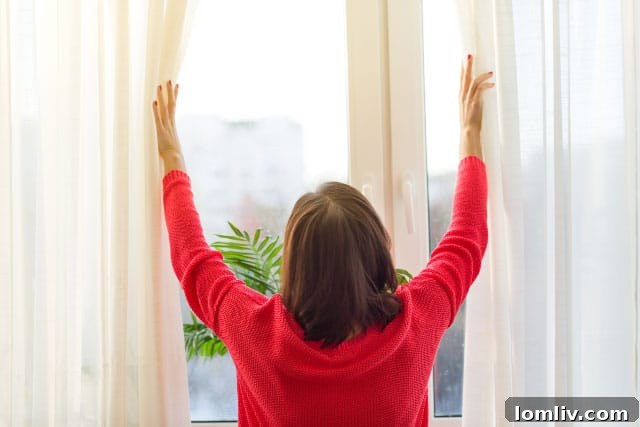
Light is arguably the most critical element in compelling real estate photography. It breathes life into a room, enhancing its perceived size, warmth, and overall appeal. Always prioritize natural light whenever possible. Before taking any indoor photos, open all curtains, blinds, and shades to allow the maximum amount of sunlight to flood into the room. Buyers are keenly interested in how much natural light a home receives, as it directly impacts mood, energy efficiency, and the overall ambiance. Rooms bathed in natural light appear more spacious, inviting, and vibrant. If a particular room doesn’t receive abundant natural light, or if you’re photographing on a cloudy day, compensate by ensuring the room is exceptionally well-lit with artificial sources. Turn on all overhead lights, lamps, and accent lighting. The goal is to illuminate every corner and showcase the room’s features without creating harsh shadows or glare.
Be mindful of the type of artificial light you use. Avoid harsh, overhead fluorescent lighting which can cast an unappealing yellow or green tint. Instead, opt for softer, warmer incandescent or LED bulbs that mimic natural daylight. Consider changing out old, mismatched light bulbs to ensure consistent color temperature throughout a room. Utilizing multiple light sources, such as a combination of overhead lights and floor or table lamps, can help distribute light evenly and reduce shadows, creating a more professional and welcoming atmosphere. For exterior shots, timing is everything. A bright, sunny day will always yield the most appealing results, highlighting landscaping, architectural details, and curb appeal. The “golden hour”—the hour after sunrise or before sunset—can offer a particularly soft, warm, and flattering light for outdoor photography, adding a touch of magic to your exterior images. Avoid shooting directly into the sun, which can result in silhouetted subjects and washed-out skies. By strategically managing both natural and artificial light, you can dramatically enhance the quality of your real estate photographs, making your home irresistible to online viewers.
Strategic Angles: Showcasing Your Home’s Best Features
The perspective from which you capture a room can fundamentally alter its perceived size, flow, and appeal. Your objective is to choose a point of view that maximizes the visible space and highlights the most attractive features of each room. Instead of standing in the middle of a room, which often results in a cramped or less impactful shot, experiment with different angles. A classic and highly effective technique is to shoot from a corner of the room. This wide-angle perspective allows you to capture more of the space, showing multiple walls, windows, and the overall layout, which gives buyers a much clearer understanding of the room’s dimensions and functionality. Similarly, shooting from a doorway can provide an excellent vantage point, offering a broad view that draws the eye into the room and emphasizes its depth.
Consider the ‘rule of thirds’ in photography, where you imagine a grid over your image and place key elements along the lines or intersections for a more balanced and dynamic composition. For example, positioning a fireplace slightly off-center can be more engaging than dead-center. Aim to keep vertical lines (like door frames and wall edges) straight in your photos, as tilted lines can make a room feel off-kilter and unprofessional. When photographing kitchens and bathrooms, try to get eye-level with countertops to convey a realistic sense of space. For larger rooms, experiment with slightly lower angles to make ceilings appear higher and the space feel grander. Avoid getting too close to furniture or walls, which can distort proportions or make the room seem smaller than it is. By carefully selecting your shooting position, you can effectively showcase the scale and best attributes of each room, guiding the buyer’s eye through a visually pleasing journey.
Crafting a Narrative: Telling Your Home’s Story Through Imagery
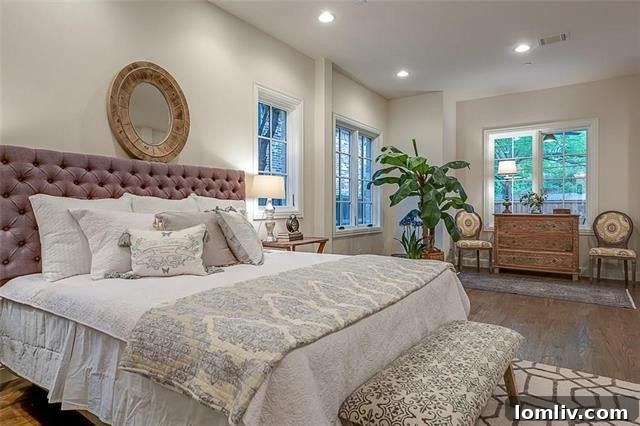
Beyond simply showing individual rooms, great real estate photography tells a cohesive story about the home and the lifestyle it offers. Think of your photo sequence as a guided tour, where each image builds upon the last, leading the viewer through the property in a logical and engaging manner. To illustrate the flow and connectivity of your home, capture photos that show adjacent spaces. For instance, if your dining room flows seamlessly into the kitchen, take a photograph from the dining room that prominently features the kitchen in the background (or vice versa). This helps potential buyers understand the layout and how different areas of the home relate to each other, fostering a sense of continuity and openness. It answers unspoken questions about the home’s floor plan before they even have to ask.
Furthermore, use your photography to highlight unique features and selling points. If a particular window offers a breathtaking view, ensure that view is clearly visible and compelling in your photograph. Frame the shot so that both the interior space and the exterior vista are beautifully represented, inviting the buyer to imagine enjoying that view daily. Similarly, if a striking fireplace is the centerpiece of a living area, position it prominently in the middle of your photograph, allowing its architectural beauty to draw the eye. Don’t forget to capture any custom built-ins, unique architectural details, or special amenities like a built-in sound system or smart home features. By emphasizing these distinctive elements, you create a stronger emotional connection with buyers, helping them visualize not just a house, but a home tailored to their desires. This storytelling approach makes your listing memorable and positions your property as a desirable choice.
Authenticity First: The “No Filter” Rule for Trustworthy Visuals
In an age dominated by image editing apps and social media filters, it’s tempting to enhance your real estate photos with dramatic effects. However, when it comes to selling a home, authenticity and transparency are paramount. The “no filter” rule is non-negotiable: ensure your photographs are clear, in sharp focus, and free from any artificial filters, embellishments, or deceptive alterations. Filters, while popular for personal photos, can distort colors, alter lighting, and misrepresent the true appearance of a room or feature. Buyers want to see your home as it genuinely is, not through a stylized lens that could lead to disappointment upon an in-person viewing. Such discrepancies erode trust and can lead to a negative impression, even if the actual home is wonderful.
Instead of relying on filters, focus on capturing the best possible raw image. Use a steady hand, or ideally, a tripod (even a makeshift one can help) to avoid blurry or shaky shots. Ensure the camera’s focus is sharp, capturing every detail with clarity. While heavy filters are out, minor, professional adjustments are generally acceptable and even recommended to improve image quality. This includes adjusting brightness, contrast, and white balance to ensure colors are true-to-life and the image is well-exposed. Cropping to improve composition is also fine. The key is to enhance the image’s inherent quality without fundamentally changing what it depicts. Your goal is to present an accurate, clear, and attractive representation of your home that builds buyer confidence and encourages them to experience it firsthand. An honest visual presentation establishes credibility and sets realistic expectations, ultimately leading to a smoother and more successful sale process.
Comprehensive Coverage: Don’t Overlook Any Space
When potential buyers browse online listings, they are seeking a complete picture of the property to determine if it meets their needs and expectations. Skipping certain areas can raise questions or suggest that those spaces are not appealing. Therefore, it’s crucial to provide comprehensive visual coverage of your entire home, leaving no stone unturned. While living areas and bedrooms often receive the most attention, don’t forget about critical yet frequently overlooked spaces such as bathrooms, attics, and garages. Buyers need to see the condition and layout of all bathrooms, understand the storage potential of an attic (even if it’s unfinished), and assess the functionality of a garage. These areas contribute significantly to a home’s overall value and utility, and their absence from a photo gallery can be a red flag.
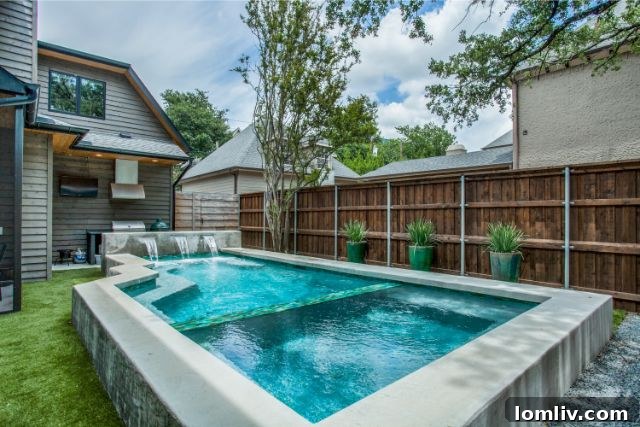
Beyond the interior, the exterior of your home is just as important, if not more so, for curb appeal and first impressions. Capture engaging photographs of all outside features, including the front and back yards, patios, decks, and pools. Showcase well-maintained landscaping, attractive hardscaping, and any unique outdoor living spaces that enhance the property’s lifestyle appeal. If your home has a charming porch, a spacious deck for entertaining, or a beautiful garden, make sure these are prominently featured. For homes with pools, capture shots that highlight its cleanliness and recreational potential. Remember to photograph the entire exterior from various angles to give a full sense of the property’s footprint and how it sits on the lot. By offering a thorough visual tour that covers every inch of your property, both inside and out, you provide buyers with the confidence and information they need to fall in love with your home and move forward with an offer. This comprehensive approach minimizes surprises and maximizes buyer interest, ensuring your home receives the attention it deserves.

Terry Tremaine, the esteemed 2020 President of the MetroTex Association of Realtors, brings invaluable insights to the real estate community. The MetroTex Association of Realtors stands as the largest Realtor association in North Texas and proudly ranks as the sixth-largest real estate association in the U.S. Dedicated to fostering excellence and prosperity, MetroTex provides robust programs and services to a vibrant community of over 21,000 professionals actively involved in all facets of real estate. Through unparalleled professional development, diligent advocacy, and cutting-edge market intelligence, MetroTex consistently empowers its members, enabling them to thrive in an ever-evolving market. For those seeking expert guidance and the perfect property, discover the Right Realtor and the Right Home by visiting DFWRealEstate.com.