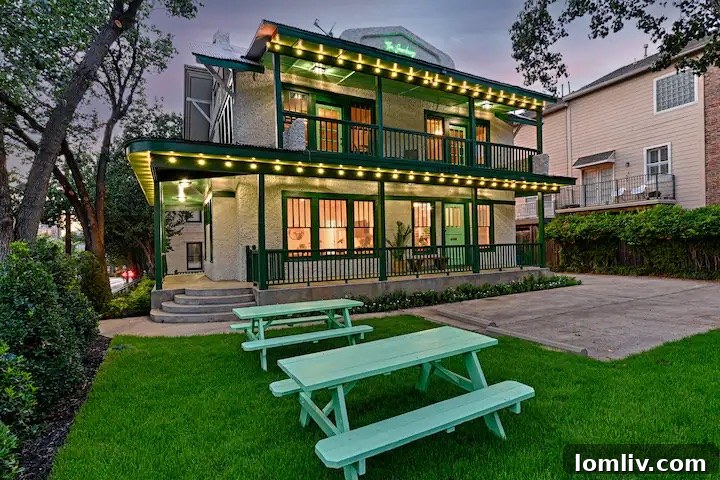
Across the United States, cities are grappling with the complex and often contentious issue of short-term rentals (STRs). What began as a novel way for homeowners to generate supplementary income and for travelers to experience local neighborhoods has evolved into a significant point of contention, particularly in residential areas. Dallas stands as a prime example of a city deeply entrenched in this debate, currently reassessing its development code regarding STRs. However, Dallas is far from alone; communities nationwide are striving to strike a delicate balance between fostering economic opportunity and preserving the character and quality of life within their neighborhoods.
The global pandemic brought unique challenges and responses within the STR market. In June, Airbnb, a dominant player in the industry, announced a permanent prohibition on party houses and “open-invite gatherings” exceeding 16 people. This decision followed a trial period implemented during the COVID-19 lockdown, and for many local STR owners, it brought a collective sigh of relief. The prevailing sentiment among some was that this move would mitigate the primary complaints leveled against STRs in residential zones: excessive noise, public nuisances, and the potential for increased criminal activity. Proponents of short-term rentals often argue that such incidents are rare exceptions rather than the norm, emphasizing the positive experiences of the vast majority of guests and hosts.
However, the new party ban did little to sway the staunch opponents of STRs in residential neighborhoods. These critics remain resolute in their belief that platforms like Airbnb and Vrbo, which facilitate these short-term stays, should be restricted to areas specifically zoned for commercial lodging, akin to traditional hotels. Their core argument centers on the principle that residential neighborhoods are intended for long-term habitation and community building, not transient visitor accommodation. The ongoing debate highlights a fundamental clash of ideologies: property rights versus neighborhood preservation, economic benefit versus social impact.
In response to this multifaceted challenge, the Dallas Zoning Ordinance Advisory Committee (ZOAC) is actively engaged in discussions to refine the city’s development code. A crucial meeting scheduled for Tuesday at 9 a.m. will delve into potential amendments to the section concerning “lodging uses.” A key proposal on the agenda involves defining a new and distinct use category: “short-term rental lodging.” This move indicates a proactive step by Dallas to formally integrate and regulate STRs within its urban planning framework, rather than attempting to fit them into existing, often ill-suited, categories.
Navigating the Landscape: Lessons from Austin’s STR Regulation
When examining the complexities of short-term rental regulation, Austin, Texas, frequently emerges as a pivotal case study. The city has been at the forefront of the STR debate, including numerous court cases, since the early 2010s. Groups like the TX Neighborhood Coalition have actively campaigned for stricter limitations on STRs within residential neighborhoods, citing concerns about community erosion and quality of life. Austin’s experience offers valuable insights into various regulatory approaches and their efficacy.
One of Austin’s notable strategies involves a nuanced approach to zoning. While pre-existing Type 2 STRs, defined as whole homes where the owner is absent during the rental period, are permitted to continue operation, the city has successfully maintained a moratorium on the licensing of new Type 2 STRs in residential areas. This “grandfathering” policy aims to gradually reduce the number of non-owner-occupied STRs in residential zones over time, without immediately displacing existing operators. This contrasts sharply with cities that opt for outright bans or unrestricted allowance, showcasing a middle-ground approach to a challenging issue.
The scale of the STR market in these major Texas cities is substantial. Austin, a renowned hub for tourism, music, and technology, currently hosts approximately 17,000 short-term rentals. Dallas, while significant, has a smaller but still considerable market of around 6,000 STRs. A striking commonality between both cities is the prevalence of “whole home” rentals, constituting over 80 percent of their respective STR inventories, rather than private room rentals. This statistic underscores the concern of many residents and policymakers: that these properties function as de facto hotels, removing housing stock from the long-term rental market and altering neighborhood dynamics, rather than simply offering a spare room.
According to David Tyler, a Realtor with Austin’s Vista Real Estate, the city’s approach of allowing existing neighborhood STRs to operate while prohibiting new ones appears to be yielding positive results. “From what I know and what I’ve seen, yes, that’s working,” Tyler stated. He further observed a correlation between longer stays and better property care: “There are people that don’t like STRs in their neighborhoods, but what we’ve seen is that people tend to take better care of a property when they stay in it for more than one night.” This suggests that transient, single-night stays, often associated with party-house behavior, might contribute more to neighborhood disruptions than rentals catering to slightly longer-term visitors.
Festival Culture and Community Impact in Austin
Austin’s vibrant cultural scene, particularly its renowned music and arts festivals, plays a significant role in the city’s STR market dynamics. The summer and fall festival season energizes the entire city, drawing visitors from across the globe. Events such as South by Southwest (SXSW) in March, which transforms downtown Austin into a bustling hub for nine days, and the two-weekend Austin City Limits (ACL) festival kicking off in October, traditionally welcome large groups of friends and attendees. For these visitors, renting an Airbnb house often presents a more economical and communal option than staying in traditional hotels, offering amenities like shared kitchens for group meal planning.
However, this influx of temporary residents during peak festival times can exacerbate existing tensions with long-term residents. Concerns about late-night noise, increased traffic, parking congestion, and potential criminal activity often peak during these periods. The Austin Code Department has actively tried to mitigate these issues, producing videos with clear directives for renters: “Play by the rules,” and “Renters, respect the neighbors by keeping noise levels down and by knowing and following the rules of the property and the neighborhood.” This emphasizes the city’s attempt to foster responsible tourism while protecting residential quality of life.
Advocates for STRs argue that issues of bad behavior are isolated incidents that can be effectively managed through existing reporting mechanisms. They suggest that guests who engage in disruptive conduct face consequences not only from the city but also from the property owner and the hosting platform itself. In this view, a problematic party might occur once, but diligent reporting and enforcement would prevent its recurrence. Airbnb’s internal data supports this claim, with the platform reporting that its party ban deterred over 1,600 potential partiers in Austin from renting properties on July 4th alone. This indicates that platform-level restrictions, when enforced, can have a tangible impact on reducing disruptive events.
Beni Aguirre, a Realtor with Austin-based The Listing Firm, acknowledges the increased activity during festivals, conventions, and major sporting events like home football game weekends. While his clients who rent out smaller condos have not reported significant problems, he draws a parallel to the broader rental market: “It’s kind of similar to the rental market where the [longtime homeowners] don’t want to be surrounded by renters.” Aguirre further asserts that homeowners in Austin, especially those in proximity to major event venues, are generally aware of the city’s vibrant, often noisy, character when they choose their residences. “If that’s the area you’re going to live in, you know that’s what happens. If you live near the ocean, you have to expect saltwater might damage your home,” he quipped, encapsulating the sentiment that living in a dynamic city often comes with trade-offs.
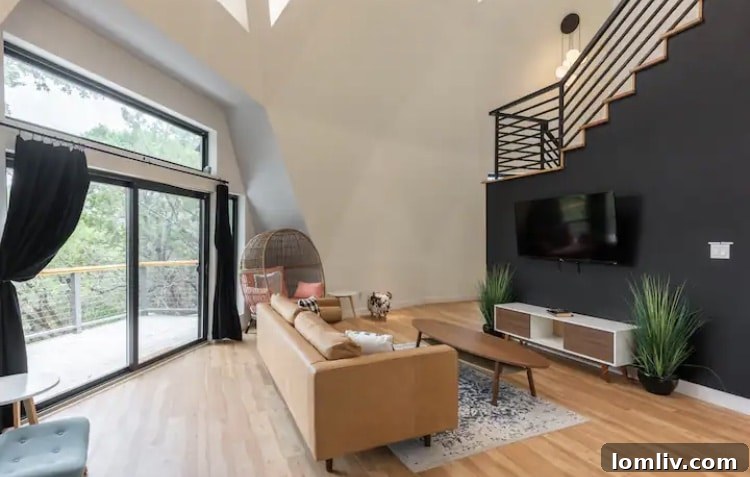
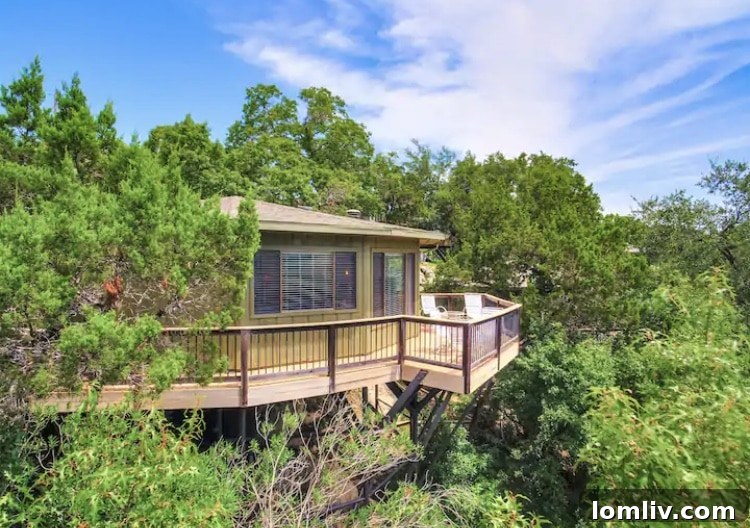
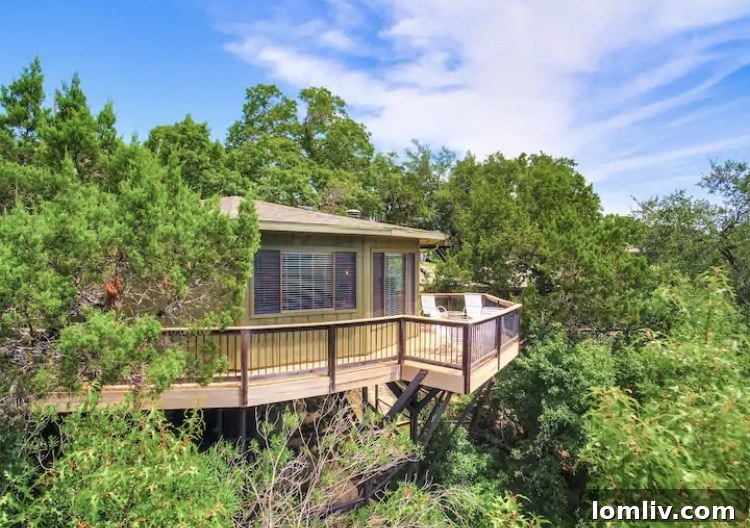
Beyond residential neighborhoods, Austin also offers a variety of unique, non-residential STR options, catering to different visitor preferences. These include properties like a luxurious treehouse on Lake Travis, available for $455 per night, which provides a distinct getaway experience without impacting urban residential zones. Such offerings suggest a potential pathway for STR growth that aligns with community values by focusing on locations explicitly designed for tourism and recreation.
Andrew King, director of public relations with Bastion Elevate marketing agency, emphasizes the escalating responsibilities faced by STR owners and managers. “Property owners and managers, now more than ever, are needing to balance the evolving rules and regulations that not only come from the platforms they use but from the local and state governments they operate within,” he remarked. This highlights the intricate web of compliance required, from adhering to platform-specific guest policies to navigating local zoning ordinances, occupancy taxes, and safety regulations. Neglecting any of these can lead to penalties, loss of business, and further erode public trust.
While neighborhood nuisances often dominate public discourse, the Austin City Council has recently dedicated significant attention to other facets of STR regulation, particularly the collection of hotel occupancy tax. This focus reflects a broader trend among municipalities to ensure that STRs contribute their fair share to local tax revenues, similar to traditional hotels. Another critical issue occasionally raised is the potential impact of STRs on a city’s affordable housing supply. Critics argue that converting residential properties into short-term rentals reduces the availability of long-term housing, thereby driving up rents and exacerbating housing shortages. However, advocates for rental sites often dismiss this concern as a “red herring,” suggesting that the impact is minimal compared to other market forces.
The sentiment in Austin was succinctly captured in a 2019 Austin American-Statesman article: “Short-term rentals, hosted by companies like Airbnb, have divided many neighborhood residents throughout Austin. Some have complained that homes hosting tourists or visitors for one-off events like bachelor parties are a nuisance and change the character of neighborhoods. But other homeowners say they have the right to rent out their own private property.” This enduring division—between those prioritizing neighborhood tranquility and those asserting their rights as property owners—is precisely the dilemma Dallas now faces. The parallels are undeniable, making Austin’s journey a vital learning experience for other cities.
Zoning Debates: Crafting Effective Short-Term Rental Policies
The question of “to zone or not to zone” lies at the heart of the short-term rental debate, offering various pathways for cities to manage their STR landscapes. Zoning ordinances, when effectively implemented, can be a potent tool for minimizing the prevalence of “party houses” and preserving the residential character of neighborhoods. By designating specific areas where STRs are permitted or restricted, cities can channel transient lodging away from sensitive residential blocks. However, legal experts from the Nolo online legal encyclopedia caution that simply eliminating STRs from residential neighborhoods does not automatically resolve underlying issues of code enforcement or criminal activity. These problems, they argue, require a broader approach that includes robust civic engagement and responsive municipal services. Nolo also suggests that initial informal conversations between concerned neighbors and property owners can often be the most effective first step in abating noise and nuisance issues, fostering community-led solutions before resorting to formal legal channels.
Many STR owners, particularly those who operate legitimately and responsibly, have proactively addressed concerns raised by cities like Dallas. They frequently present their own stringent rules to the Dallas City Council, which often go above and beyond the minimum requirements set by platforms like Airbnb. These self-imposed guidelines can include curfews, strict limits on the number of overnight guests, and explicit prohibitions on gatherings. Critically, if Airbnb’s party ban or a property owner’s specific rules are violated, the homeowner can face severe repercussions, including substantial fines and permanent removal from the platform. This mechanism highlights the potential for a multi-layered regulatory environment, combining city ordinances with platform policies and individual owner responsibilities.
The efficacy of zoning as a regulatory tool is also starkly illustrated by cities like Houston, which famously operates without traditional zoning laws. In Houston, city codes do not govern land use in the same prescriptive manner as zoned cities; instead, they primarily address how property can be subdivided. This absence of zoning means that STRs are largely unregulated in terms of their location within residential areas, presenting a different set of challenges and necessitating alternative enforcement mechanisms. Conversely, other communities have implemented highly specific zoning categories. Bryan, a vibrant “town-and-gown” community adjacent to College Station’s Texas A&M University, established Residential Neighborhood Conservation Districts (R-NC Districts) in the early 2000s. These districts, which residents can petition for, restrict occupancy to no more than two unrelated adults per single-family dwelling. While officials acknowledge the difficulty in enforcing such nuanced regulations, the R-NC zoning has proven effective in minimizing the concentration of “party houses” inhabited by several unrelated college students in residential neighborhoods.
Beyond municipal codes, homeowners’ associations (HOAs) frequently attempt to govern STRs within their communities through restrictive covenants. While HOAs can implement rules regarding property use, David Tyler notes that these covenants will not supersede a city’s established code. “There are laws that prohibit sub-authorities from restricting land use past a certain level, and HOAs are not the governing bodies of the real property in the end,” he clarified. This underscores a crucial legal distinction: while HOAs play a significant role in maintaining community standards, their authority is subordinate to broader municipal and state regulations concerning land use.
Diverse approaches to STR regulation are evident across Texas cities, reflecting varying local priorities and challenges. Fort Worth, for instance, has taken a definitive stance by banning STRs outright in residential areas. Southlake, a prosperous suburb, maintains an even stricter policy, not allowing STRs at all within its city limits. College Station, another university town, adopts a more permissive but controlled approach, allowing them primarily if they are owner-occupied in certain designated areas. These varied strategies demonstrate the spectrum of regulatory options available, from complete prohibition to conditional allowance, each with its own set of advantages and disadvantages for property owners, residents, and the local economy.
The Path Forward for Dallas and Beyond
As Dallas navigates these intricate waters, the experiences of other Texas cities provide invaluable benchmarks and warnings. The Zoning Ordinance Advisory Committee’s ongoing discussions are a critical step towards establishing a regulatory framework that acknowledges the economic benefits of STRs while safeguarding residential quality of life. The proposed definition of “short-term rental lodging” signifies a move towards formal recognition and tailored regulation, an approach that could offer more clarity and enforceability than current ambiguities. Striking the right balance will require careful consideration of various factors, including community input, economic impact, housing affordability, and effective enforcement mechanisms.
The debate surrounding short-term rentals is not merely about property use; it touches upon fundamental questions of urban planning, community identity, and economic fairness. As cities like Dallas continue to evolve, so too must their regulatory frameworks, adapting to new technologies and changing consumer behaviors. The challenge lies in crafting policies that are robust enough to address legitimate concerns without stifling innovation or infringing upon property rights. The ultimate goal for Dallas, and indeed for any city facing this dilemma, is to create a sustainable environment where residents, property owners, and visitors can all coexist harmoniously, ensuring that the vibrancy of urban life is preserved for future generations.
For comprehensive coverage of Tuesday’s Dallas Zoning Ordinance Advisory Committee meeting and its implications, be sure to check Daltxrealestate.com.