Dallas’s Urban Core: A Resurgence of Unique Neighborhoods
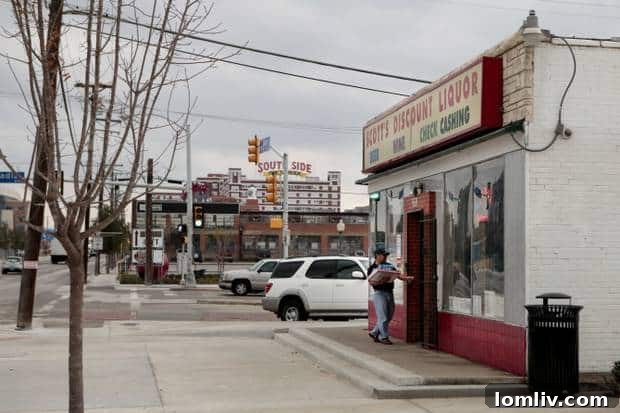
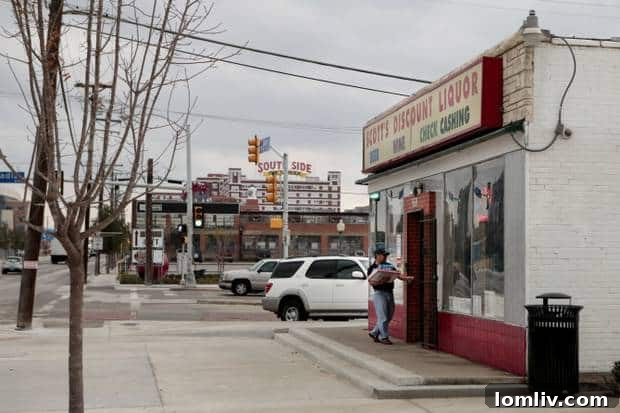
Dallas is renowned for its diverse and vibrant neighborhoods, each possessing a distinct character that contributes to the city’s unique charm. Among these, the area encompassing Downtown Dallas—and we mean Downtown with a capital ‘D’—stands out for its compelling blend of history, modernity, and urban appeal. Characterized by its highly walkable blocks, commendable density, and a captivating mix of classic and contemporary architecture, Downtown shares some similarities with the fashionable Uptown district. However, a recent community roundtable, thoughtfully hosted by the Dallas Homeowners League, brought together representatives from Downtown, Deep Ellum, The Cedars, and the Farmers Market neighborhoods. This gathering wasn’t just about commiseration; it was a powerful collaboration aimed at collectively elevating these areas as desirable residential havens, catering to a new, dynamic style of urban living.
As Peter Simek, the astute moderator of the evening’s discussion, eloquently articulated, all these areas historically “suffered the effects of de-economization of the core in the 60s.” This period saw a significant shift away from central urban areas, leading to economic decline and urban decay in many downtown districts across America. However, Simek noted a powerful reversal of this trend: these neighborhoods are now experiencing a remarkable renaissance, firmly “coming into their own” as vital, sought-after communities. This resurgence signals a broader urban trend, where historical districts are being rediscovered and revitalized, offering an authentic alternative to more conventional suburban living.
Spotlighting Dallas’s Dynamic Neighborhoods: A Journey of Transformation
The Cedars: From Artistic Enclave to Urban Hotspot
The transformation of The Cedars is a compelling narrative of organic growth and strategic development. Its resurgence began quietly, attracting artists and creatives who sought affordable spaces and a unique, authentic atmosphere. These early pioneers laid the groundwork, and slowly but surely, more residents began to ‘homestead’ in the area, drawn by its artistic spirit and proximity to the city center. Today, The Cedars is on the cusp of a major urban explosion, with a staggering 11 new real estate projects currently in the pipeline. These developments range from stylish lofts and apartments to mixed-use spaces, all designed to accommodate a growing population eager for an urban lifestyle. This influx of investment is rapidly reshaping The Cedars into a truly integrated urban hot spot, offering diverse living options and fostering a vibrant community life that balances its artistic roots with modern amenities and accessibility.
Deep Ellum: Preserving Its Soul While Embracing Growth
Deep Ellum, another cornerstone of Dallas’s urban fabric, has always been a haven for those who operate on the “fringes of society,” a place where counter-culture thrives and creativity knows no bounds. Its rich history stretches back to the freed slaves who first called it home, building a community distinct from the downtown establishment. Over the decades, it evolved into an iconic hub for musicians, artists, and innovators, a place where people ventured to experience something new, to witness groundbreaking performances, and, as Sean Fitzgerald, the insightful roundtable representative from Deep Ellum, colorfully put it, to “experience their first xyz.” This vibrant legacy of independence and artistic expression continues to define Deep Ellum. While embracing new residential and commercial developments, the community remains fiercely committed to preserving its unique, eclectic soul, ensuring that new growth enhances rather than erases its profound cultural heritage. It’s a delicate balance, but one Deep Ellum is navigating with thoughtful intention, ensuring it remains a magnet for those seeking authenticity and innovation.
The Dallas Farmers Market: A Culinary and Residential Hub
The Dallas Farmers Market district offers another fascinating example of urban evolution. Its roots are firmly planted in stable, produce-based businesses that thrived for years, long before the “farm-to-table” concept became a widespread culinary cliché. This enduring legacy as a source of fresh, local produce provided a strong foundation upon which a new, dynamic district has been built. In recent years, the Farmers Market has dramatically expanded its appeal, adding hundreds of mid-rise residences that cater to a demand for convenient, urban living. This blend of traditional market vitality with modern residential options has transformed it into a truly unique district within the broader Downtown core. Residents and visitors alike can enjoy fresh produce, artisanal goods, diverse culinary experiences, and a genuine sense of community, all within walking distance, making it a prime example of successful mixed-use development that cherishes its heritage while embracing contemporary urban needs.
The Allure of Walkable Urbanism and Connectivity
A unifying thread connecting all these revitalized Dallas neighborhoods is their profound ability and earnest desire to meet the surging demand for walkable urbanism. This isn’t just a trend; it’s a fundamental shift in how people, particularly millennials and younger generations, wish to live and interact with their environment. Walkable urbanism prioritizes pedestrian-friendly infrastructure, reducing reliance on cars and fostering a sense of community. Uptown Dallas serves as a compelling example of this appeal, its inherent walkability making it one of the city’s most attractive, and consequently, most expensive neighborhoods for both living and working. Long before the influx of “cool shops and bars” that now define its reputation, Uptown possessed the foundational elements of desirable urbanism: a dense street grid with frequent intersections and continuous street frontage. These features collectively create an environment where navigating on foot is not just possible, but genuinely enjoyable and convenient.
Overcoming Urban Divides: Bridging Gaps for a Connected Dallas
While Uptown benefited from an existing, well-integrated urban fabric, Downtown and its sister neighborhoods to the south and east face a distinct challenge: they must actively “knit back together” their often-piecemeal walkable street fabric. Years of urban planning focused on vehicular traffic left these areas fragmented, with pedestrian paths interrupted by expansive parking lots and daunting underpasses or overpasses beneath highways. The task at hand is to strategically reconnect these disparate segments, transforming obstacles into opportunities for seamless pedestrian flow. This vital urban stitching has immense potential. Imagine the revitalized Farmers Market district seamlessly connected to the historic Dallas Heritage Village, or the vibrant Arts District linked directly to the energetic Deep Ellum. Achieving this connectivity is not merely an aesthetic improvement; it’s deeply intertwined with the broader goal of retaining and attracting smart, creative, and tech-savvy entrepreneurs from around the globe. These highly sought-after individuals are increasingly drawn to cities that offer more than just job opportunities. They value rich history, distinctive architecture, and, crucially, the ability to live without the burden and expense of car ownership. As observed among millennials, time is increasingly viewed as the most valuable resource, and the convenience of a walkable urban environment—where daily necessities and leisure activities are easily accessible on foot—directly contributes to a higher quality of life and greater time efficiency.
Addressing Pressing Social Issues: A Comprehensive Strategy for Homelessness
Beyond the exciting prospects of urban revitalization, these burgeoning neighborhoods also share common, pressing social challenges that demand serious attention. Dallas, like many major cities of its size, faces a proportionate number of individuals experiencing homelessness. This complex issue requires more than just stop-gap measures; it necessitates a serious, comprehensive, and compassionate strategy to alleviate its widespread ill-effects on individuals and communities alike. Open and honest dialogue about this issue is crucial for developing effective, sustainable solutions that benefit everyone.
Learning from Success: The Utah Model and Local Initiatives
During the roundtable discussion, Crispin Lawson, the insightful representative from Downtown Dallas, highlighted a remarkable success story that offers a potential blueprint for our city. He cited Utah’s groundbreaking achievement of a 75 percent decrease in homelessness since 2005. This dramatic reduction was largely attributed to their innovative “Housing First” approach, which prioritizes providing free homes and comprehensive support services for individuals experiencing homelessness. What makes Utah’s model particularly compelling is its efficiency: it achieved these results for less than half the cost of typical, more traditional programs, ultimately saving millions of taxpayer dollars. This evidence-based approach demonstrates that investing in housing and support services is not only humane but also economically sound. Locally, dedicated organizations like CitySquare are actively working on implementing similar impactful strategies, particularly in areas south of Deep Ellum. Their efforts focus on providing pathways out of homelessness, offering crucial services, and fostering hope within the community. The conversation surrounding homelessness is multifaceted and could undoubtedly extend for days, as each neighborhood diligently works to refine and implement its own strategies tailored to specific local needs and resources.
Community-Driven Transformation: The Path Forward for Dallas Neighborhoods
Even as the initial roundtable discussion drew to a close, it was clear that the dialogue had only just begun to scratch the surface of the grand dreams and intricate challenges shared by these vibrant Dallas neighborhoods. The passion and collaborative spirit were palpable, leading to conversations spilling out from the official venue and continuing well into the evening at local establishments like Lee Harvey’s. New connections were forged, and friendships bloomed, ensuring that this vital dialogue would continue to evolve and deepen. We, too, are committed to fostering this ongoing conversation right here on daltxrealestate.com, providing a platform for residents and stakeholders to stay engaged. At this pivotal juncture, the Dallas Homeowners League is playing an instrumental role, not as a prescriptive authority, but as a facilitator of a powerful groundswell. It is empowering residents to become actively engaged in the process of transforming their own neighborhoods, recognizing that true change originates from within the community itself.
Building the Future: Upcoming Events and Collaborative Projects
This curated conversation is set to continue with an eagerly anticipated panel discussion scheduled for two weeks from now, promising to delve deeper into actionable strategies and collaborative initiatives. This significant event, slated for February 11th, serves a dual purpose: it will not only foster continued dialogue but also act as a crucial fundraiser for a pioneering neighborhood build-out project in Deep Ellum. This innovative project aims to create a series of charming pocket parks along Crowdus Street, enhancing green spaces and community gathering points within the urban fabric. The initiative is a powerful collaboration, spearheaded by the esteemed Congress for the New Urbanism (CNU), an organization dedicated to creating livable, walkable communities. They are joined by three prominent Dallas Architecture firms—Callison, TBG, and Studio Outside—each bringing their expertise and vision to help shape a more beautiful and functional Deep Ellum. The collective sentiment is clear: community galvanizers will continue to talk about taking matters into their own hands, and then, indeed, we will collectively take matters into our own hands, transforming vision into tangible reality for the betterment of Dallas’s thriving urban core.