To the many talented professionals across various industries who have recently found themselves facing unexpected job loss, reduced hours, or furloughs: I understand the profound sense of uncertainty and overwhelming stress you may be experiencing. When I was suddenly laid off from a prominent publication in 2009, I distinctly remember feeling adrift, unmoored, and utterly lost. That feeling of economic insecurity, coupled with the emotional toll of losing a familiar routine and professional identity, can be incredibly isolating. However, it’s crucial to remember that you are not alone in this struggle, and there are pathways to regain your footing and move forward. While the immediate shock can feel paralyzing, proactive steps can make a significant difference in navigating these challenging times and protecting your financial future.
In those initial moments of job displacement, the advice offered by human resources often focuses on immediate necessities: filing for unemployment benefits as soon as possible and understanding health insurance options like COBRA. While these are undoubtedly vital components of an immediate response, the broader picture of managing existing financial commitments, especially significant ones like a mortgage, can often be overlooked. Information on how a sudden loss of income would impact student loan repayments, credit card accounts, and most critically, one’s housing security, was conspicuously absent from the basic guidance provided. This oversight can leave individuals feeling even more vulnerable when their biggest financial obligation looms large.
Navigating Mortgage Payments During Job Loss or Furlough
The question weighs heavily on the minds of many individuals caught in an unexpected financial bind: What immediate steps should you take if you’re a federal employee furloughed due to a government shutdown, or a private sector worker who has just been laid off, and you have a mortgage payment approaching? The natural instinct might be to panic, retreat, or, worse, to ignore the problem altogether, hoping it will magically resolve itself. However, industry experts are unanimous on one crucial piece of advice that can make all the difference: do not delay in seeking help.
“If you anticipate that you’re going to struggle to make your upcoming mortgage payments, the absolute first thing you should do is pick up the phone and call your lender,” advises Lisa Peters, a seasoned expert from Caliber Home Loans. “The bottom line here is crystal clear: proactive communication is paramount. Don’t wait until you’ve already missed a payment or received a delinquency notice.”
It’s important to recognize that not every lender operates with identical policies, nor is every mortgage agreement structured the same way. Furthermore, the specific circumstances surrounding each change in employment status are distinct. This makes direct, immediate communication with your specific lender absolutely critical if you even suspect your employment situation might cause you to fall behind on your mortgage obligations. Often, lenders have dedicated departments and established programs specifically designed to assist borrowers facing financial hardship, but they can only activate these resources if they are aware of your situation in advance.
The Peril of Inaction: Why Ignoring Notices Doesn’t Work
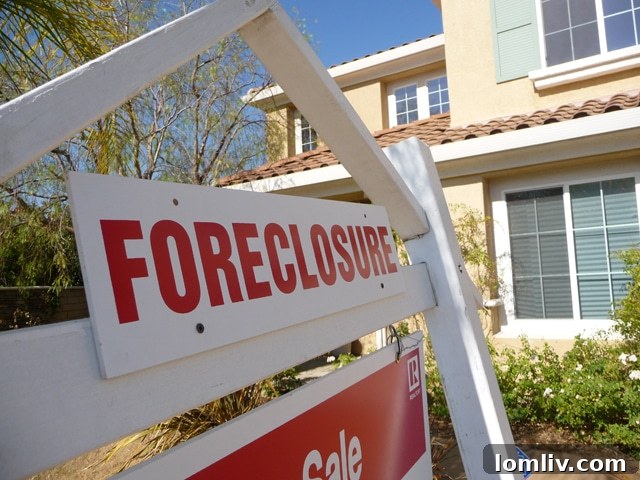
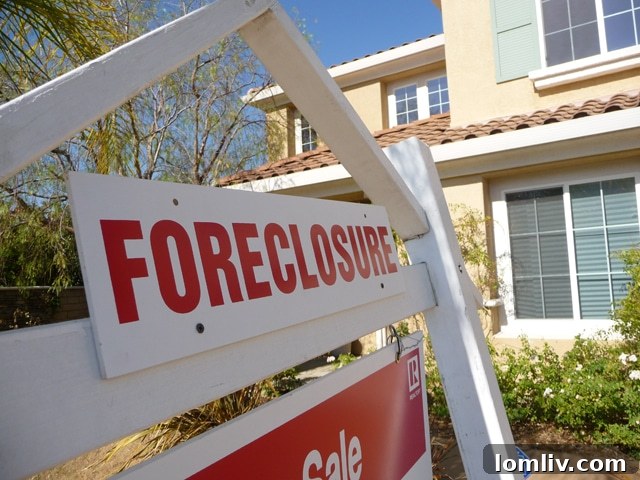
It’s vital to understand the gravity of the situation and the precise process involved when mortgage payments are missed. When your lender attempts to reach out after a missed mortgage payment – typically through a series of phone calls, emails, and formal physical mail notices – ignoring these communications will not stop or slow down the potential process of foreclosure. In fact, it can significantly accelerate it, leaving you with fewer viable options and less time to resolve the issue. These notices are not merely polite reminders; they are often formal communications that outline your lender’s attempts to collect payment and, eventually, their intent to pursue legal action if the default continues. Engaging with them, even when it feels difficult or intimidating, is always in your best interest and can open doors to solutions.
Understanding Your Mortgage Relief Options: Forbearance vs. Loan Modification
When facing financial hardship that severely threatens your ability to make timely mortgage payments, your lender may offer several solutions designed to keep you in your home. The two most common and often discussed options are forbearance and a loan modification. While both aim to provide essential relief, they serve different purposes and carry distinct implications for your loan and long-term financial stability.
What is Mortgage Forbearance?
A forbearance represents a temporary pause or reduction in your mortgage payments. It’s typically offered when borrowers are experiencing a short-term financial setback, such as an unexpected job loss, a temporary illness, or another unforeseen crisis, and anticipate being able to resume full payments in the near future. As Investopedia succinctly puts it:
Forbearance is a temporary postponement of mortgage payments. It is a form of repayment relief granted by the lender or creditor in lieu of forcing a property into foreclosure. Loan owners and loan insurers may be willing to negotiate forbearance options, because the losses generated by property foreclosure typically fall on them.
During a forbearance period, which can range from a few months to even a year or more depending on the circumstances, lender policy, and the specifics of your hardship, a lender might offer several arrangements:
- Full Payment Moratorium: This is arguably the most common and sought-after form, where the borrower is granted a complete pause on all mortgage payments for a specified duration.
- Interest-Only Payments: In some instances, the lender may require the borrower to pay only the interest portion of their mortgage, effectively deferring the principal payments for the forbearance period.
- Reduced Payments: The lender might temporarily lower the borrower’s monthly payment amount, often by temporarily reducing the interest rate or by spreading the payment due over a few extra months. This can significantly ease immediate financial strain.
Crucially, forbearance is not loan forgiveness. The payments you skip or reduce during the forbearance period will still need to be repaid. This is a critical point often misunderstood by borrowers, leading to potential future difficulties. Once the forbearance period concludes, you will typically face one of several repayment scenarios for the deferred amounts:
- Lump Sum Repayment: The lender may require you to pay back all missed payments in one single lump sum. This can be challenging for someone just recovering financially.
- Repayment Plan: The missed payments might be spread out over a specific period, added as extra installments to your regular monthly payments until the deferred amount is fully repaid.
- Loan Modification: In some instances, especially if your financial hardship persists beyond the forbearance, the lender may agree to convert the missed payments into a new loan modification, rolling them into the principal balance or extending the loan term.
Because of these varied repayment obligations, it’s absolutely essential to thoroughly discuss and understand the specific terms of your forbearance agreement with your lender, including precisely how and when the deferred amounts will be due. Always ensure you receive these terms clearly outlined and in writing to avoid any future surprises.

What is a Loan Modification?
For those whose financial difficulties appear to be more long-term, or who have already fallen significantly behind on payments and require a sustainable, permanent adjustment to their mortgage terms, a loan modification might be the more appropriate and advantageous solution. Unlike forbearance, which is temporary, a loan modification is a permanent change to the original terms of your mortgage. Its primary goal is to make your monthly payments more affordable and manageable on an ongoing basis, thereby preventing foreclosure and helping you sustain homeownership.
According to homeownership.org, a lender may choose to offer a loan modification to reduce your monthly payment to a more affordable level. The U.S. Department of Housing and Urban Development (HUD) often considers a mortgage payment “affordable” if it’s at or below one-third (31%) of the borrower’s monthly gross income. To achieve this crucial reduction, lenders have several powerful tools at their disposal, which they may employ individually or in combination:
- Lowering Your Interest Rate: Reducing the interest rate on your loan is a direct and impactful way to decrease your monthly payment, especially beneficial if current market rates are lower than your original mortgage rate.
- Extending the Life of Your Loan: By stretching out the repayment period (e.g., from 30 years to 40 years), the principal amount is amortized over a longer time, resulting in lower monthly installments. However, it’s important to note that this also means you’ll typically pay more in total interest over the loan’s extended lifetime.
- Capitalizing Arrearages: Missed payments, late fees, and other associated costs can be added to the principal balance of the loan, rather than requiring a difficult lump sum repayment. This increases the total loan amount but crucially avoids an immediate, large financial burden.
- Reducing the Principal Balance: While less common and often reserved for extreme hardship cases or specific government-backed programs, some modifications might include a principal reduction. This is a significant benefit, as it directly lowers the total amount owed on the home.
To qualify for a loan modification, lenders will typically require extensive documentation to prove legitimate financial hardship and, perhaps more importantly, to demonstrate that you have a stable, albeit potentially reduced, income that will allow you to consistently make the new, lower payments. This often involves providing recent pay stubs, comprehensive bank statements, tax returns, and a detailed hardship letter explaining your current situation and how a modification would help.
Proactive Steps and Additional Resources for Mortgage Assistance
The moment you realize your income situation has changed – whether through layoff, furlough, or reduced hours – every minute counts. As Lisa Peters of Caliber Home Loans emphatically emphasized, time is not on the side of a borrower when financial hardship strikes. The earlier you initiate contact with your mortgage lender, the more options and flexibility you are likely to have available to you. Delaying action can severely limit your choices, add penalties and fees, and ultimately escalate the problem significantly, making recovery much harder.
Preparing for the Conversation with Your Mortgage Lender
Before you make that crucial call to your mortgage servicer, it’s wise to gather all relevant information and prepare yourself thoroughly. This typically includes: your mortgage loan number, clear and concise details about your financial hardship (e.g., specific layoff date, exact reduction in income, reason for furlough), and any supporting documentation that corroborates your claim (e.g., layoff notice, unemployment benefits statement, medical bills). Be prepared to openly and honestly discuss your current financial situation, including your remaining income sources, any existing savings, and your essential monthly expenses. Honesty and transparency are key components to finding a workable and sustainable solution with your lender.
The Impact on Your Credit Score
It’s natural and entirely valid to worry about how these mortgage relief options might affect your credit score. Missing mortgage payments will undoubtedly have a negative and potentially lasting impact. However, proactively engaging with your lender for a forbearance or loan modification might be significantly less damaging than simply defaulting on your payments or allowing your loan to enter foreclosure. While a forbearance might be noted on your credit report, it generally indicates that you and your lender have agreed to a temporary payment arrangement, which is often viewed more favorably than a series of unaddressed missed payment notations. A loan modification, especially one that successfully reduces the principal or extends the term, can also show up on your report, but the overarching goal is always to prevent the more severe and long-lasting negative marks associated with prolonged delinquency and, ultimately, foreclosure.
Seeking Guidance from HUD-Approved Housing Counselors
You absolutely do not have to navigate these complex and often emotionally charged waters alone. The U.S. Department of Housing and Urban Development (HUD) sponsors a network of housing counseling agencies throughout the country that provide free or low-cost advice and assistance. These certified housing counselors are impartial experts who can help you understand your options, prepare necessary documents, communicate effectively with your lender on your behalf, and explore any available state or federal assistance programs that might apply to your specific situation. This invaluable resource can provide an objective perspective, expert guidance, and much-needed support during what is undoubtedly a very stressful period. You can easily find a HUD-approved counselor near you by visiting HUD’s official website or calling their dedicated hotline.
Conclusion: Empowering Yourself Through Action and Resilience
Facing a sudden loss of income is undeniably one of life’s most challenging and unsettling experiences, bringing with it a torrent of financial worries and an immense sense of uncertainty. However, it’s also an opportunity to demonstrate remarkable resilience and take decisive, informed action to protect your most significant asset: your home. By thoroughly understanding the mortgage relief options available, communicating proactively and transparently with your mortgage lender, and leveraging invaluable expert resources like HUD-approved housing counselors, you can navigate these turbulent financial times far more effectively and strategically.
Remember, the overarching goal is not just to survive the immediate crisis, but to establish a clear, actionable path towards renewed financial stability and long-term housing security. Take that crucial first step – reach out, gather your information, and seek the help that is available. Your future self, secure in your home, will undoubtedly thank you for your courage and proactive efforts.