The Jackhammer Jolt: A Case Study in HOA Communication Failure
In the complex world of community living, effective communication stands as the bedrock of harmony between residents, homeowners associations (HOAs), and property management companies. Unfortunately, this foundational element is often overlooked, leading to significant friction and widespread dissatisfaction. Just a few weeks ago, I highlighted the pitiful communication skills that plague many HOAs and management firms when interacting with their residents. Little did I know, I would soon encounter an even more egregious example that vividly illustrates the repercussions of such failures.
This incident wasn’t a minor oversight; it was a full-blown assault on residential tranquility, underscoring how a lack of transparency can quickly erode community trust and quality of life. The story begins on a peaceful Saturday morning, where the expected calm was abruptly shattered, providing a powerful lesson in what happens when the lines of communication break down completely.
Saturday Morning Shock: When Renovation Disrupts Residential Peace
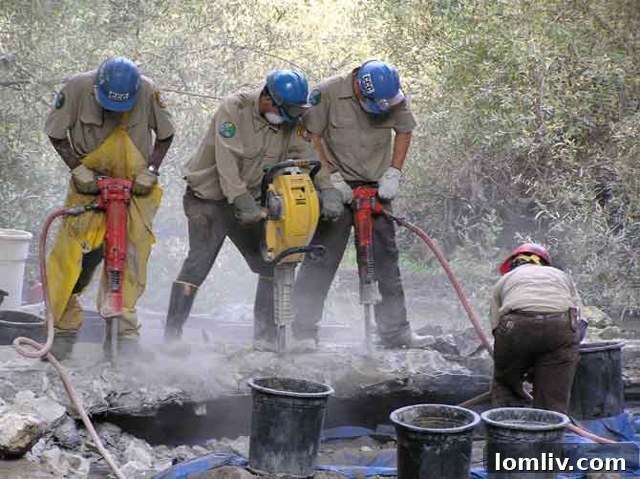
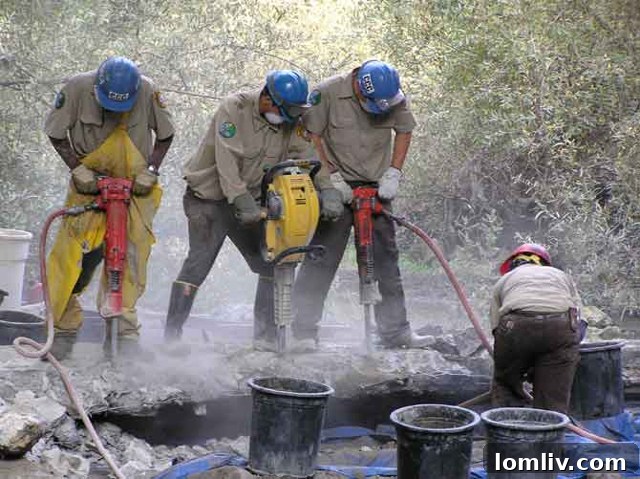
Imagine the serenity of your Saturday morning, a time typically reserved for relaxation and quiet enjoyment, instantly obliterated by the deafening roar of jackhammers. Minutes after sunrise, at precisely 7 a.m., the piercing sounds began, ripping through concrete and the very fabric of residential peace. This wasn’t an isolated incident; it was the unwelcome initiation of a major renovation in a building’s ground-floor commercial space, which had recently changed hands. The new owners, eager to commence work, chose the weekend as their starting point, seemingly without regard for the residents above.
The shock quickly turned to widespread unhappiness. Residents, rudely awakened and robbed of their weekend calm, swiftly voiced their displeasure. Their complaints, however, were initially drowned out by the relentless din of demolition, a frustrating testament to the powerlessness many felt in that moment. The chaos highlighted an immediate and glaring issue: the complete absence of prior notification about such disruptive activities, leaving residents to face an unexpected onslaught of noise and inconvenience.
Extended Hours, Extended Frustration: The Unveiling of Permitted Disruption
It was only amidst the clamor, with jackhammers relentlessly pounding, that residents were belatedly informed about the ongoing renovation. And to their dismay, they learned that this disruptive work had been sanctioned for hours far exceeding the building’s standard operating schedule of Monday to Friday, 8:30 a.m. to 5 p.m. The new owners had been granted a significant extension, allowing them to work from 7 a.m. to 7 p.m., Monday through Saturday.
This revelation poured gasoline on an already burning fire of frustration. The lack of prior notice, coupled with the extended, highly inconvenient hours, instantly triggered a cascade of grumbling, angry phone calls, and indignant email blasts from residents. Their outrage was not merely about the noise; it was about the profound disrespect and disregard for their living environment and quality of life. The decision to permit such extensive and intrusive work hours, especially on weekends, without any form of resident consultation or even a simple heads-up, was a clear violation of the unspoken social contract within a shared living space. This failure to anticipate and mitigate resident concerns painted a bleak picture of the building management’s and HOA’s priorities.

Nighttime Nuisance: The Dumpster Drama That Shattered Midnight Peace
Just when residents thought the worst of the daytime construction noise was over, a fresh wave of disruption hit, proving that the ordeal was far from finished. That very night, after only a few brief hours of hard-won peace, the community was once again plunged into a cacophony of industrial sounds. At 11 p.m., a massive 40-cubic-yard dumpster, brimming with the day’s demolition debris, was scheduled for removal and replacement directly from the front of the building. This operation was not a quiet one.
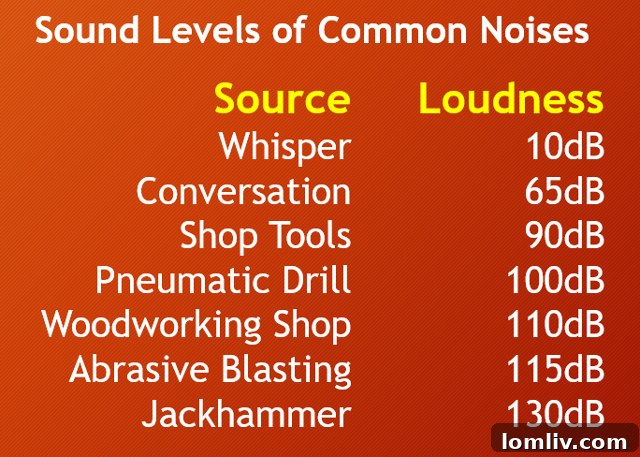
The empty dumpster first screeched and rumbled its way off the back of a truck, producing an abrasive, ear-splitting noise that pierced the late-night silence. Immediately following, the full dumpster was scraped and screeched onto its replacement spot, creating an equally jarring sound. To further compound the auditory assault, a full chorus of backup beeping from the semi-truck echoed through the residential area. At 11 p.m. – an hour when most residents are deep in sleep – this unholy symphony of metal, machinery, and relentless beeping served as a brutal bookend to a day already marred by noise. The sheer audacity of scheduling such a loud and intrusive activity so late at night, without any warning, pushed residents beyond their breaking point, leaving them feeling violated and profoundly disrespected in their own homes.
Again, building residents were alight with palpable rage. And who could blame them? To have their Saturday begin with a 7 a.m. jackhammer blast, only to be “bookended” by a semi-truck hauling away construction debris at 11 p.m., was an unacceptable invasion of their private lives. Irate residents, still in their pajamas and robes, spilled onto the street, demanding answers and a return to the quiet enjoyment they were entitled to. This visual depiction of residents, half-dressed and utterly exasperated, perfectly encapsulated the profound failure of communication and empathy from the building’s governing bodies. It was a stark image of a community pushed to its limits by those entrusted with its well-being.
Behind the Blinds: Unpacking the Communication Breakdown
The question on everyone’s mind was, “How did this happen?” The answer, as it unfolded, revealed a deeply entrenched communication breakdown that had been brewing for months. Prior to the notorious Saturday, the new commercial space owner had petitioned both the building management and the HOA for extended work hours. This wasn’t a snap decision; it involved multiple meetings and negotiations before a final agreement on the specific days and hours was reached. This agreement, meticulously hammered out (pun fully intended), was finalized over a month before residents were rudely awakened by the jackhammer’s call.
Crucially, the building manager, recognizing the potential for resident distress, made a strong case for alerting residents well in advance. However, this common-sense proposal was unfortunately overruled by both the HOA board and the overarching building management company. This decision marked a critical point of failure, demonstrating a conscious choice to prioritize expediency over resident well-being and transparency. The implications of this overruling are significant, highlighting a systemic issue where the voices advocating for residents can be silenced by higher authorities.
It’s vital to note that despite being a months-long negotiation with substantial impact, this critical decision was never discussed during an official HOA meeting. Consequently, it was never formally recorded in meeting minutes or communicated through official channels. Residents were kept entirely in the dark, completely blindsided by a major renovation decision that directly affected their daily lives. This lack of transparency and official documentation not only deprived residents of their right to know but also undermined the very principles of community governance that HOAs are supposed to uphold. The absence of an open discussion fostered an environment of mistrust and resentment, setting the stage for the explosive reactions that followed.
The HOA Board Member’s Quandary: A Conflict of Interest?
During the initial brouhaha, an email string circulated among residents, mistakenly assuming the construction crew had gone rogue due to the lack of notification. An HOA board member was copied on this thread, and her eventual response exposed a deeper, more troubling aspect of the communication failure. When she finally replied to the original poster – an owner of multiple units in the building, for whom this board member also served as a rental agent – she stated that all *her tenants* had been notified.
This response immediately raised red flags. It begged the question: if the construction noise was a significant enough issue to warrant alerting her personal “customer/tenants,” why was it not important enough to notify the broader community of residents whom she represented as an HOA board member? And why was her own client, the multi-unit owner who initiated the email, left in the dark? Her reply questioned the wisdom of allowing the construction, a statement that reeked of hypocrisy given that she, as an HOA board member, had approved the extended hours in closed-door meetings. She conveniently omitted this crucial detail from her communication, attempting to distance herself from a decision she actively participated in. When another respondent rightly questioned the HOA’s wisdom for not alerting owners, her response was a complete dodge, instructing that owner to contact the management company directly. This deflection of responsibility further highlighted a significant conflict of interest and a glaring lack of accountability within the HOA board.
Management’s Delayed Admission and Lingering Silence
Finally, after considerable resident outcry, the management company weighed in on the burgeoning email string. Their response was a grudging admission of fault, stating it was “completely his fault” – referring to a specific individual, presumably the one tasked with overall communication, and not the building manager who had initially rallied for proper resident notice. This attempt to scapegoat an employee, while technically an admission, did little to quell the underlying anger, especially considering it implicitly threw a diligent employee under the bus. It highlighted a culture where responsibility is diffused, and blame is selectively assigned, rather than addressing systemic issues.
Perhaps even more concerning than the delayed admission was the subsequent silence. A full week had passed since the initial incident, and yet, no building-wide official communication had been disseminated. No apology, no explanation, no outline of measures to prevent future occurrences, and no confirmation of adjusted schedules or mitigation efforts. This continued silence spoke volumes, reinforcing the residents’ perception of being ignored and undervalued. It demonstrated a profound disconnect between the management’s acknowledgment of a problem and their willingness to actively engage with and reassure the community. This persistent lack of follow-through only deepened the chasm of distrust, proving that a single, belated admission of fault, without subsequent proactive measures, is utterly insufficient to mend broken community relations.
The Cost of Silence: Impact on Community Trust and Property Value
The fallout from such a glaring communication failure extends far beyond a few noisy weekends. The immediate consequence is a severe erosion of trust between residents and their HOA and management company. When residents feel intentionally excluded from decisions that directly impact their living conditions, they begin to view their governing bodies not as partners in community management, but as adversaries. This leads to increased cynicism, a reluctance to participate in community affairs, and a general atmosphere of discontent that can permeate the entire building.
Furthermore, such incidents can have tangible negative impacts on property values. A building known for its poor management, constant resident complaints, and disruptive living conditions will inevitably become less attractive to potential buyers and renters. Word of mouth spreads quickly in real estate, and a reputation for prioritizing commercial interests over resident welfare can significantly devalue properties within the community. The emotional toll on residents, feeling disrespected, unheard, and powerless in their own homes, is also immeasurable. The sense of community cohesion, vital for a harmonious living environment, fractures under the weight of such repeated oversights, leading to a diminished quality of life for everyone involved.
Proactive vs. Reactive: Envisioning Effective Communication
Harking back to my original post about effective communication, one can only imagine how differently this situation could have unfolded with a simple, proactive message. If residents had received an email or notice weeks prior, something along these lines:
“Dear Residents,
Beginning February 23rd, the new commercial owner will be undergoing a significant renovation that is anticipated to last until March 31st. After extensive negotiations, the HOA has made the decision to allow extended working hours of 7 a.m. to 7 p.m. from Monday through Saturday during this period. We understand that extended hours can be disruptive, and this decision was not made lightly. We made this accommodation because, had the New Owner adhered strictly to our standard published rules, the renovation (and associated noise) would have lasted an additional X-weeks longer. We believe this expedited schedule, while temporarily inconvenient, ultimately serves the best interests of all residents by significantly shortening the overall duration of disruption.
We apologize in advance for any inconvenience this may cause and appreciate your understanding as we work to improve our building’s facilities. We will provide regular updates on the project’s progress.
Sincerely, The HOA Board & Building Management”
Such a message, even if the news itself was unwelcome, would have managed expectations, explained the rationale behind the decision, and offered an apology. This proactive approach fosters understanding and trust, even when delivering difficult news. It transforms a perceived ambush into a managed inconvenience. Effective communication isn’t just about relaying information; it’s about building and maintaining relationships, demonstrating empathy, and upholding transparency. It involves anticipating concerns, providing context, and showing a genuine commitment to resident well-being. By adopting such practices, HOAs and management companies can transform potential conflicts into opportunities for community engagement and strengthen the bonds within their residential environments.
Lessons Learned: Fostering a Harmonious Community
As tomorrow looms, another Saturday awaits, and one can only wonder what fresh challenges or disruptions it might bring for the residents of this building. This incident serves as a critical reminder that effective communication is not merely a courtesy; it is an indispensable component of successful community management. HOAs and management companies bear a profound responsibility to operate with transparency, uphold accountability, and prioritize the well-being of their residents.
The lessons from the “Jackhammer Jolt” are clear: proactive notification, genuine dialogue, and a commitment to resident engagement are paramount. Without these, trust erodes, communities fracture, and the very purpose of collective living is undermined. Moving forward, the emphasis must shift from reactive damage control to proactive relationship building, ensuring that all voices are heard and that decisions are made with the holistic welfare of the community at heart. Only then can high-rise living truly embody harmony rather than perpetual discord.

About the Author: Jon Powell on Real Estate & Community Dynamics
Remember: My primary focus revolves around high-rises, HOAs, and the multifaceted world of renovations. However, my interests also extend to appreciating modern and historical architecture, always balancing these aesthetics against the dynamic YIMBY (Yes In My Backyard) movement. If you’re interested in hosting a Candysdirt.com Staff Meeting event, I’m readily available to engage with your community.
My commitment to insightful real estate journalism has been recognized by the National Association of Real Estate Editors. In both 2016 and 2017, my writing earned two Bronze awards (2016, 2017) and two Silver awards (2016, 2017), underscoring my dedication to delivering high-quality, impactful content. Do you have a compelling story to share about your community’s challenges, or perhaps a unique real estate insight? Don’t hesitate to reach out! Shoot me an email at [email protected]. I look forward to hearing from you.