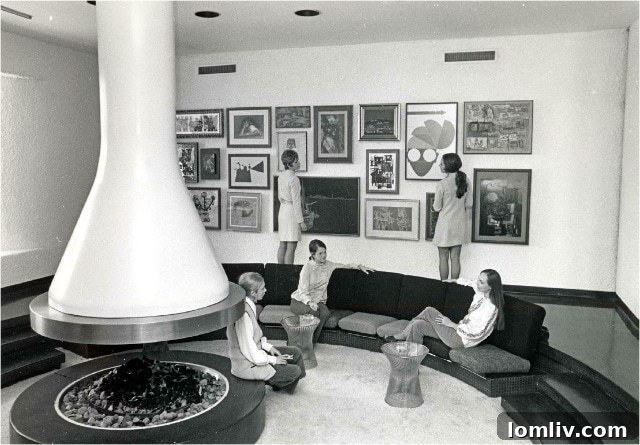
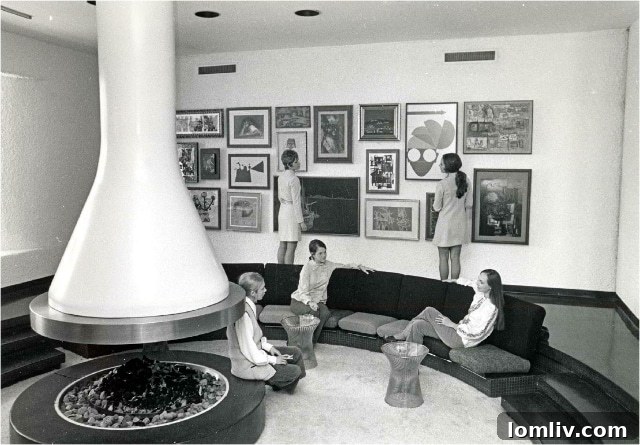
Dallas, a city renowned for its dynamic growth and innovation, is also a custodian of rich history. One such historic gem, the former Braniff Hostess College on Wycliff Avenue, is poised for a magnificent rebirth. This iconic building, which once housed the spirited flight attendants of Braniff Airways, is embarking on a new chapter as a boutique hotel, promising to blend its storied past with contemporary luxury. Opened in 1968, the same year the Dallas North Tollway commenced operations next door, the building was a vibrant hub where Braniff’s hostesses were trained in the art of sophisticated air travel. The last flight attendant departed in 1975, marking the end of an era for its original purpose. Over the subsequent decades, the structure underwent various transformations, serving as a drug treatment center, another training facility, and eventually the Park Gate retirement home, which closed its doors in 2015. Since then, this architectural landmark has stood vacant, its empty halls echoing tales of a bygone era, while “for sale” and “lease” signs fluttered as a constant reminder to passing tollway commuters of its uncertain future.
However, the narrative of vacancy and decline is now being dramatically rewritten. Visionary developer Mehrdad Moayedi, through his Centurion American development operation, has stepped forward to rescue this significant piece of Dallas’s heritage. Moayedi, celebrated for his successful revitalization projects such as the historic Statler Hotel and the highly anticipated restoration of the Cabana Motor Hotel—a site famously visited by The Beatles—brings a proven track record of transforming neglected landmarks into thriving urban destinations. His commitment to preserving Dallas’s architectural legacy is once again evident in this ambitious undertaking, promising to breathe new life into a building steeped in aviation lore.
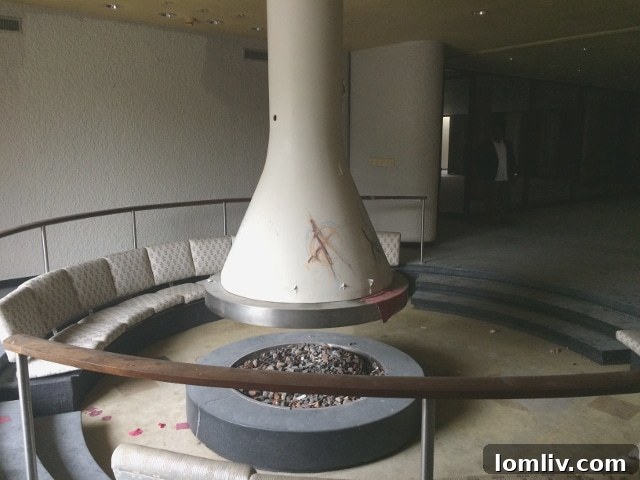
One of the building’s most intriguing historical elements is “The Passion Pit,” a designated area within the facility where male visitors were permitted to interact with the hostesses. Strategically located within clear sight of the front desk, this unique space was designed to encourage decorum while allowing for social interaction, a quaint reflection of the era’s social norms. As evidenced by recent images, The Passion Pit, like much of the building, has indeed “seen better days.” Yet, Moayedi’s prior achievements with the Statler underscore his unparalleled ability to resurrect the inherent “swank” and sophistication of historical properties. The Centurion American team is diligently collaborating with state historic preservation authorities to secure official designation and essential tax credits. This crucial step will facilitate a meticulous restoration process, aimed at rewinding time and reopening the facility as an 82-room boutique hotel, offering a unique fusion of historical charm and modern luxury.
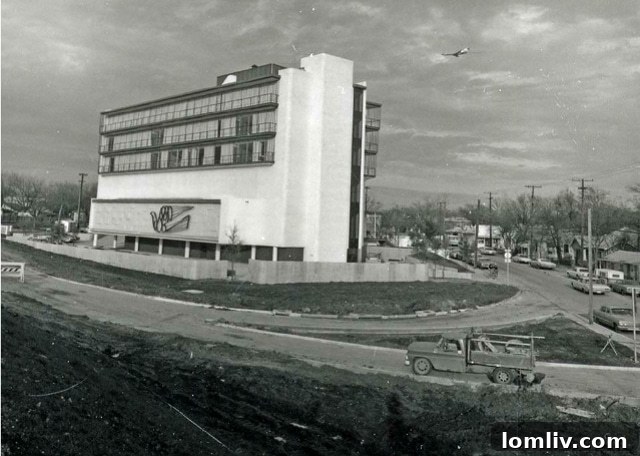
The announcement of this restoration project at the Oak Lawn Committee (OLC) meeting generated an palpable buzz of excitement and collective relief. Attendees, many with fond memories of the building’s past, expressed profound congratulations that this historic structure would be meticulously restored rather than succumbing to the wrecking ball, a fate often met by other significant Dallas buildings to make way for generic modern office complexes. The community’s overwhelming support highlights a growing appreciation for preserving the city’s unique architectural narrative.
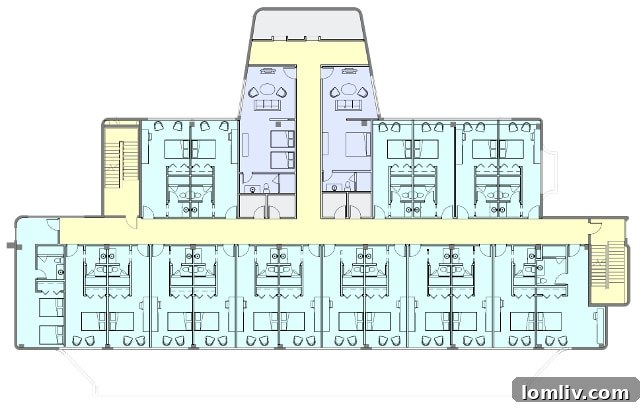
A fascinating aspect of the proposed boutique hotel’s design, revealed through architectural renderings, pays homage to its aviation roots. Observing a top-down view of one of the five planned hotel floors, an immediate recognition strikes: the layout distinctly resembles an airplane wing, complete with a subtly protruding jet engine. This imaginative design choice serves as a clever and elegant tribute to the building’s legacy as the Braniff Hostess College, inviting guests to connect with the golden age of air travel in a truly immersive way. Such thoughtful integration of historical context into contemporary design is a hallmark of truly exceptional preservation efforts.

During a recent tour of the building with the Centurion American team, a remarkable discovery was made: an original fabric wall, potentially designed by the iconic Emilio Pucci, running the entire length of the left-side fire stairs. This vibrant artifact, a tangible link to Braniff’s famously colorful and stylish aesthetic, is slated for preservation and thoughtful reuse within the meticulously restored space. This commitment to retaining authentic elements of the past further enriches the hotel’s narrative. Another charming nod to the building’s history stems from its enduring nickname, “The Birdcage,” derived from the distinctive floor-to-ceiling balcony railing bars that characterize its façade. Embracing this playful moniker, there are exciting discussions underway to christen the hotel’s bar “The Birdcage,” promising a unique and memorable atmosphere for guests.
However, the most exhilarating prospect for this Dallas boutique hotel lies in a truly ambitious endeavor: securing official branding rights from the copyright holders of Braniff Airways. Imagine a hotel not merely inspired by Braniff, but officially branded as a “Braniff Hotel” – how incredibly cool would that be? Such a partnership would elevate the project from a historic restoration to a full-fledged immersive brand experience, drawing aviation enthusiasts and luxury travelers alike. This potential collaboration underscores the Centurion team’s dedication to creating an unparalleled destination that celebrates Dallas’s rich aviation heritage in a truly authentic and impactful way. Keeping our fingers crossed for this visionary branding success is an understatement.
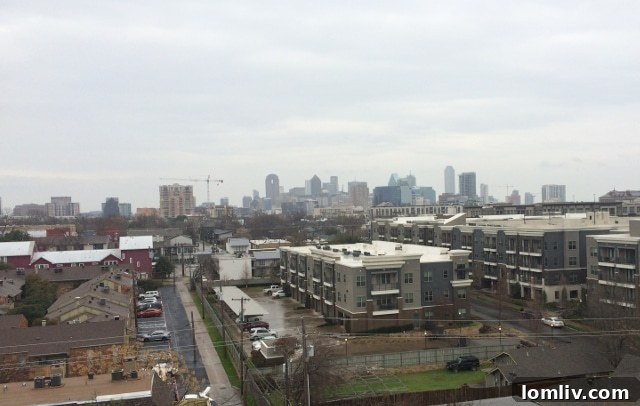
Even on what might have been a dreary day, the panoramic vistas of downtown Dallas from the fifth floor of the former Braniff Hostess College were truly remarkable. Despite the presence of newer, less architecturally distinguished apartment buildings in the foreground, the sweeping views of the city’s iconic skyline remained captivating. This inherent charm, coupled with the building’s historical significance, underscores its potential as a premier destination hotel that offers both a sense of place and spectacular urban scenery. The Oak Lawn Committee meeting saw no opposition to this compelling project, a testament to its undeniable merits and positive community impact. The committee’s involvement primarily centered on essential regulatory adjustments: a request for a reduction in parking requirements, a common necessity for urban hotels where guests increasingly rely on ride-sharing and public transit, and the approval to erect new signage vital for a “destination” restaurant and hotel that aims to attract a broad clientele beyond its immediate vicinity. This proactive engagement ensures the project’s smooth integration into the neighborhood while preserving its historical integrity.
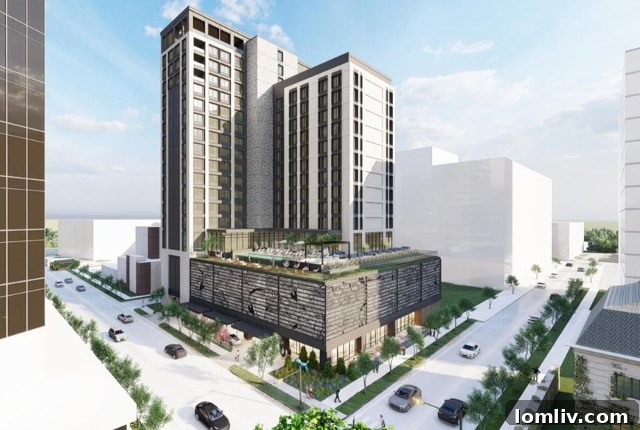
Hilton West Village: A Refined Vision for Urban Hospitality (Motto and Tempo Hotels)
The proposed Hilton West Village development, featuring Motto and Tempo hotel brands, has been a recurring topic for the Oak Lawn Committee, making headlines in previous months. After several community engagement meetings and subsequent design iterations, the project has returned with significantly refined plans, showcasing a remarkable evolution. It often raises the question of why such improved designs aren’t presented from the outset, but the current proposal is undoubtedly “a whole lot better” than its predecessors, reflecting a responsive and collaborative development process that truly considers community feedback and urban planning best practices.
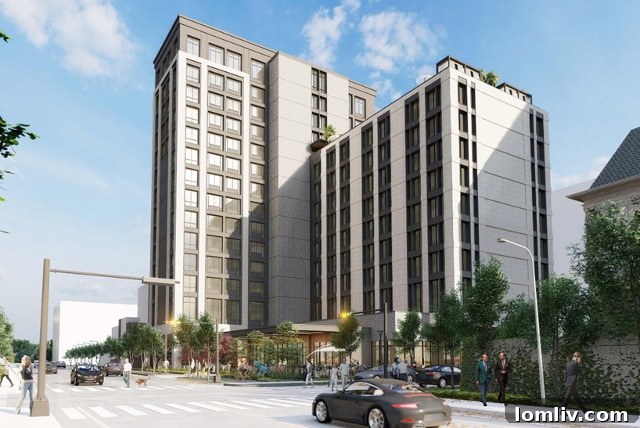
The most striking enhancement in the updated Hilton West Village plans is the strategic relocation of the previously “tubby muffin-top” of above-ground parking entirely underground. This critical change, aligning with best practices for high-density urban developments, dramatically improves the project’s aesthetic and pedestrian experience. The overall height of the structure has been reduced from 210 feet to a more proportionate 162 feet, comfortably within the 240-foot zoning limit. Furthermore, the lot coverage has been commendably scaled down from an acceptable 67 percent to a much more desirable 54.5 percent, fostering a more open and integrated urban environment. Developers have also substantially increased landscaping, moving from a modest 9 percent to a lush 17.27 percent, significantly exceeding the required 10 percent. Traffic flows have been meticulously re-engineered to be entirely contained within the property, mitigating potential congestion in the surrounding West Village neighborhood. These significant adjustments, alongside numerous other smaller, thoughtful details, collectively render the project more harmonious and enjoyable for the existing community, marking a true win for collaborative urban planning in Dallas.
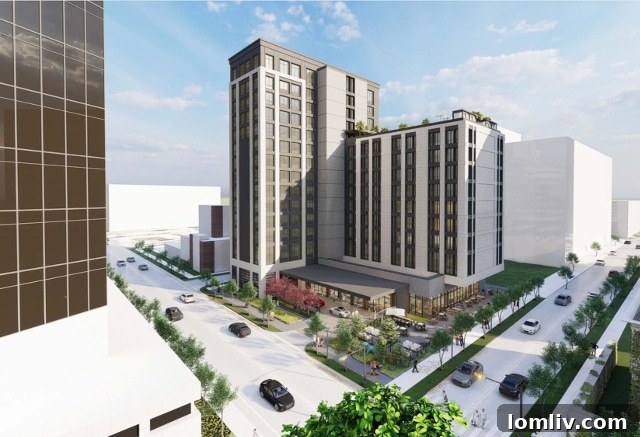
Overall, the redesigned front façade of the Hilton West Village development presents a far more open, inviting, and architecturally pleasing appearance. This “slimming” of the building, achieved through the strategic undergrounding of parking and careful massing, also facilitated a brilliant design choice: relocating the pool deck to the rooftop of the shorter section. This move is undeniably a win-win, offering future bathers not only a luxurious recreational space but also truly spectacular, unobstructed views of the vibrant downtown Dallas skyline. Despite these significant improvements, the Oak Lawn Committee’s discussion unexpectedly veered into an “odd tangent,” questioning the project’s financial viability based on its pricing model and target market. This line of questioning seemed inconsistent, given that similar concerns were notably absent for other high-profile, unnamed hotel projects in Dallas, such as the Mandarin Oriental (before its brand was revealed), Prescott’s development, or the hotel near Crescent Court. The revelation that this project involved Hilton, however, seemed to trigger a wave of peculiar and somewhat off-topic examinations, highlighting the often unpredictable nature of community review processes. The critical question remains: will the third iteration of this project finally secure approval? We await the committee’s decision with keen interest.
Parkside – KDC: A Green Vision for Downtown Dallas Office Space
Another prominent new development presented to the Oak Lawn Committee was KDC’s ambitious office complex, “Parkside,” strategically located at the intersection of Harwood Avenue and the iconic Klyde Warren Park. This project, while offering numerous commendable features, raised two initial points of discussion. Firstly, its design appears to maximize the lot footprint, creating a “wall-to-wall” presence, and the proposed parking includes more above-ground spaces than below. However, it’s crucial to acknowledge that the site is directly adjacent to the Central Business District, an area characterized by its “anything goes” zoning, which often permits larger, denser developments. This context is vital when evaluating the project’s urban integration and adherence to downtown Dallas’s evolving vision.
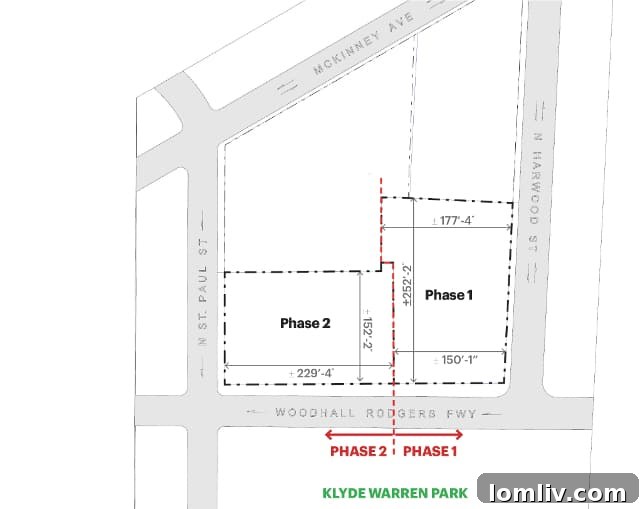
Before delving into the extensive positives of the Parkside development, it’s essential to understand its phased construction approach. The project is envisioned as two distinct buildings, with their construction staggered by an estimated five to ten years. Phase one will encompass the right-side structure, primarily featuring office space above ground-floor retail and restaurants. Phase two will commence once existing leases on the left side of the property are satisfied. This second phase will also predominantly house office space, culminating in a step-back design at the very top, tentatively planned to accommodate a 250-room hotel. Upon the completion of both phases, the two buildings will be seamlessly connected, stitching them together below the uppermost parking level and extending down to the lowest underground garage level. This thoughtful, multi-phase strategy allows for efficient development while integrating a diverse mix of uses into the vibrant downtown Dallas landscape.
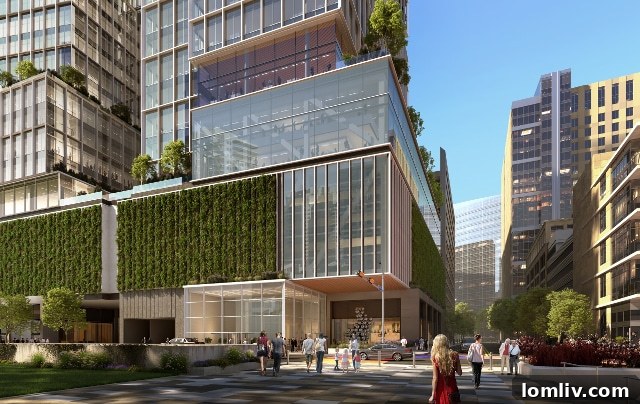
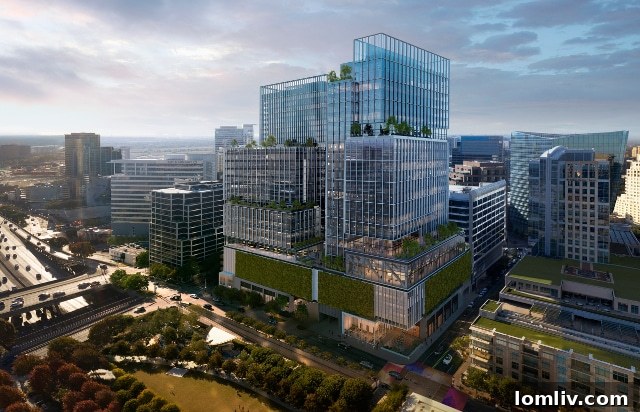
On the upside, the Parkside complex is undeniably an attractive building, poised to significantly enhance the Dallas skyline. Aiming for prestigious LEED certification, the design incorporates an abundance of lush greenery cascading down its sides, strategically shielding parking areas, and adorning its various rooftop levels. The ground floor is thoughtfully dedicated to an engaging pedestrian experience, featuring a prominent, glass-box main office lobby gracefully positioned above the verdant garage. This deliberate design choice promises to inject a much-needed vibrancy and activity into the often-dormant areas of the adjacent Arts District, fostering a more dynamic urban environment for residents, workers, and visitors alike. KDC’s commitment to sustainable design and public engagement through ground-level activation sets a high standard for future commercial developments in downtown Dallas, moving beyond purely utilitarian office blocks to create truly integrated and living spaces.
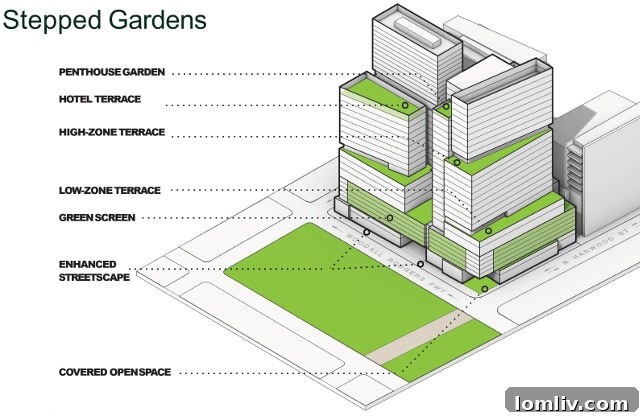
The innovative design of Parkside extends the city’s green spaces vertically, with “ribs” of lush greenery elegantly moving up the sides of the building and onto its various roofs. This creates a visually stunning effect, as if Klyde Warren Park’s verdant blanket is gracefully pulled up the façade of the structure, blurring the lines between urban architecture and natural landscapes. Renderings vividly illustrate that this striking greenery will be prominently visible at street level, offering a refreshing aesthetic for pedestrians. For the office workers within, this integrated greenery provides not only enhanced views but also accessible outdoor spaces, offering tranquil escapes from the bustling workday. This commitment to biophilic design adds immense value, contributing positively to employee well-being and the building’s environmental performance. Such architectural ambition represents a significant addition to the Dallas skyline, often criticized for the proliferation of “noxious milquetoast” designs. While its sheer bulk and extensive parking facilities might spark debate, Parkside’s location in downtown Dallas, an urban core striving to embody its description, makes a compelling case for a development that marries scale with thoughtful, sustainable design.
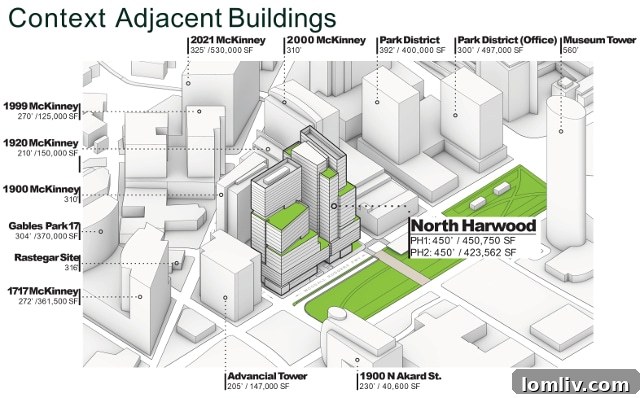
The requests put forth for a building of Parkside’s scale are naturally substantial, though it’s worth noting that many of these considerations might not even require discussion on the south side of Woodall Rodgers Freeway, where zoning is often less restrictive. KDC is seeking to triple the floor area ratio (FAR) to 12.5, a measure reflected in the building’s impressive bulk. Additionally, the proposed height almost doubles from the current 240 feet to a commanding 450 feet—a height that, again, would likely not be an issue on the opposite side of Klyde Warren Park. Like many urban developers, KDC also seeks a reduction in parking requirements, aligning with efforts to promote alternative transportation in downtown Dallas. More controversially, they propose eliminating setbacks on Harwood Avenue, reducing them to zero. While initially concerning, the design team clarified that at ground level, there would still be wide sidewalks and verdant greenery, but these would be artfully positioned under a cantilevered portion of the building. While some committee members expressed discomfort with this approach, the argument was made that, if properly zoned and executed, this design could provide a shaded and dry pedestrian pathway, a significant benefit in Dallas’s climate. However, given that Harwood Avenue serves as a primary gateway into Klyde Warren Park, ensuring a generous and inviting pedestrian experience remains paramount, suggesting that further detailed discussion on this specific aspect might be beneficial to ensure optimal urban design outcomes.
Considering the ambitious scale and complexity of the Parkside project, it is highly probable that KDC will need to make a return visit to the Oak Lawn Committee. Such subsequent meetings would provide ample opportunity to delve deeper into potential unresolved issues, address specific concerns raised by the community, and provide more granular detail on critical design elements and their urban impact. This iterative process of review and refinement is crucial for ensuring that large-scale developments like Parkside are thoughtfully integrated into the urban fabric of Dallas, balancing developer ambitions with community needs and long-term city planning objectives.
2913 Fairmount (at Cedar Springs): Evolving Designs and Community Dialogue
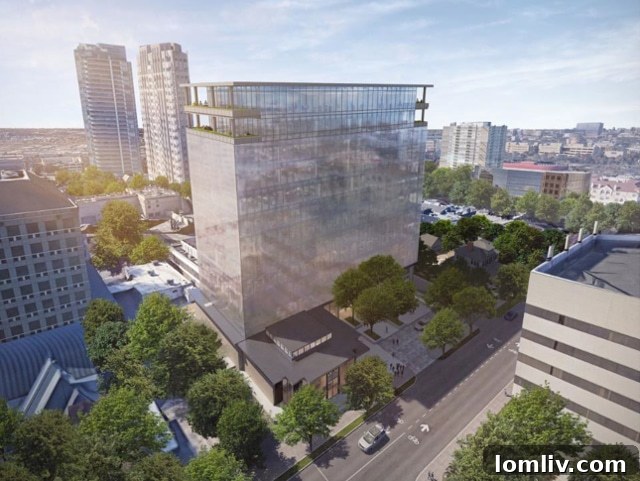
The proposed development at 2913 Fairmount, located at the vibrant intersection with Cedar Springs, is another familiar face at the Oak Lawn Committee meetings, having been presented for review multiple times. In its previous iteration, the project featured a sprawling, full-floor event space positioned at the very top of the building. I, along with many others, envisioned this as a sophisticated cocktail bar offering breathtaking panoramic views of the city, a truly enticing urban amenity. However, neighboring residents expressed significant concerns, perceiving it as a potential “booze-fueled discotheque” that could generate disruptive noise and commotion across the tranquil neighborhood. Whether my vision or the neighbors’ fears were more accurate will remain an unanswered question, as that rooftop event space has since been removed from the current plans, reflecting the developer’s responsiveness to community feedback and the committee’s deliberative process.
In the revised plans, the top two floors of the 2913 Fairmount development are now designated as the personal office and residence for the site’s developer/owner, a common practice in owner-occupied projects that ensures a vested interest in the building’s quality and integration. The former rooftop event space has been thoughtfully re-envisioned as a more sedate, ground-level “destination” restaurant, charmingly housed within its own distinct “little house” structure. While renderings have depicted the restaurant’s roof in various hues of black or white, there’s a compelling argument for presenting it in green. Integrating a green roof here would not only enhance the building’s sustainability credentials but also contribute positively to urban biodiversity, mitigate heat island effects, and aesthetically complement the increasing emphasis on green infrastructure in Dallas urban planning. This small design detail could significantly amplify the project’s environmental and community benefits.
It has been particularly insightful to witness a relatively new, yet increasingly vital, element seamlessly integrate into these Oak Lawn Committee meetings. While the primary purpose of these gatherings remains the rigorous review of zoning requests, the scope has commendably expanded to include detailed discussions on construction methodology. This evolution, while occasionally leading to more tedious discussions, is a crucial step towards fostering positive developer-community relations. Addressing neighborhood concerns about practical aspects like lane closures, construction parking, loading logistics, and even crane air rights is an indispensable component of being a truly “good neighbor” in a densely populated urban environment. Over the few years I’ve had the privilege of attending these meetings, there has been a noticeable and welcome expansion in the depth and breadth of discussions surrounding these operational topics. Moreover, I’ve come to particularly appreciate the consistent contributions of a newer, seemingly European-influenced committee member, who regularly champions the inclusion of essential amenities such as bicycle racks and showers in new developments. This emphasis highlights a forward-thinking approach to urban design, recognizing that bicycle-riding commuters require facilities to avoid arriving “soggy and smelly” throughout a long Dallas summer workday, promoting sustainable transportation and enhancing the quality of urban life. This progressive approach, encompassing comprehensive development reviews and thoughtful amenity integration, marked a productive close to the month’s committee agenda, summarizing a robust pipeline of office space and one significant residential unit on the horizon for Dallas.