Unpacking the Future of Fair Park: A Pivotal Dallas Debate on Privatization
The recent #DecisionFairPark panel discussion proved to be an illuminating and essential forum, drawing a diverse crowd of informed Dallasites eager to understand the intense debate surrounding the proposal to transfer the stewardship of Fair Park’s entire 277 acres to a private nonprofit organization. This highly anticipated event, a cornerstone for civic engagement in Dallas, aimed to dissect the multifaceted implications of such a significant change for one of the city’s most iconic and historically rich public spaces. The palpable tension and deep concern among attendees underscore the critical nature of this decision for the future of Dallas.
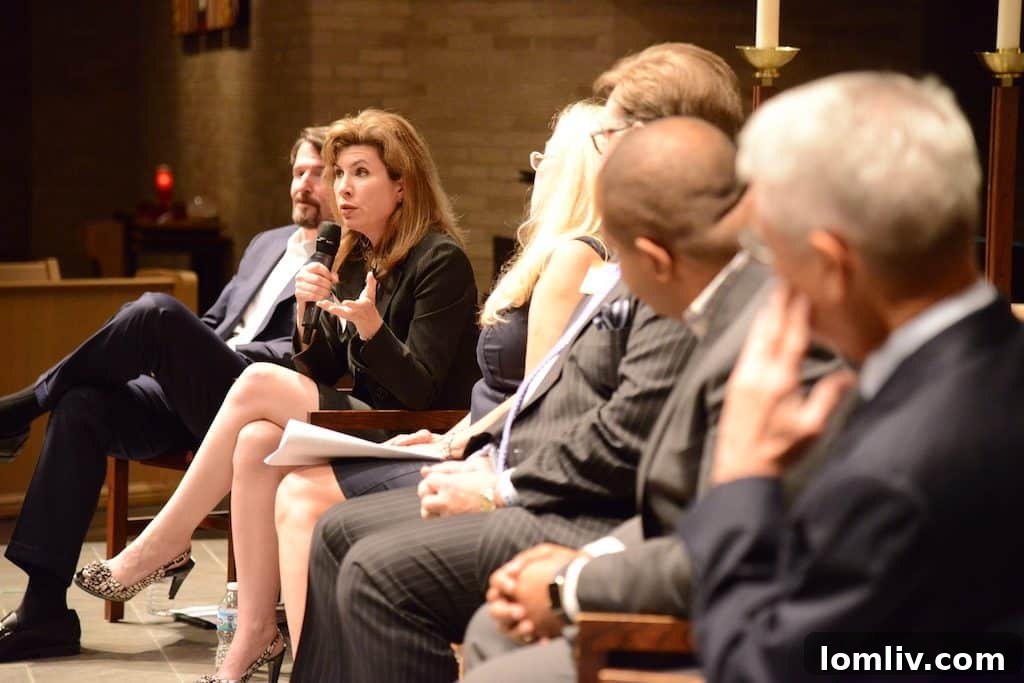
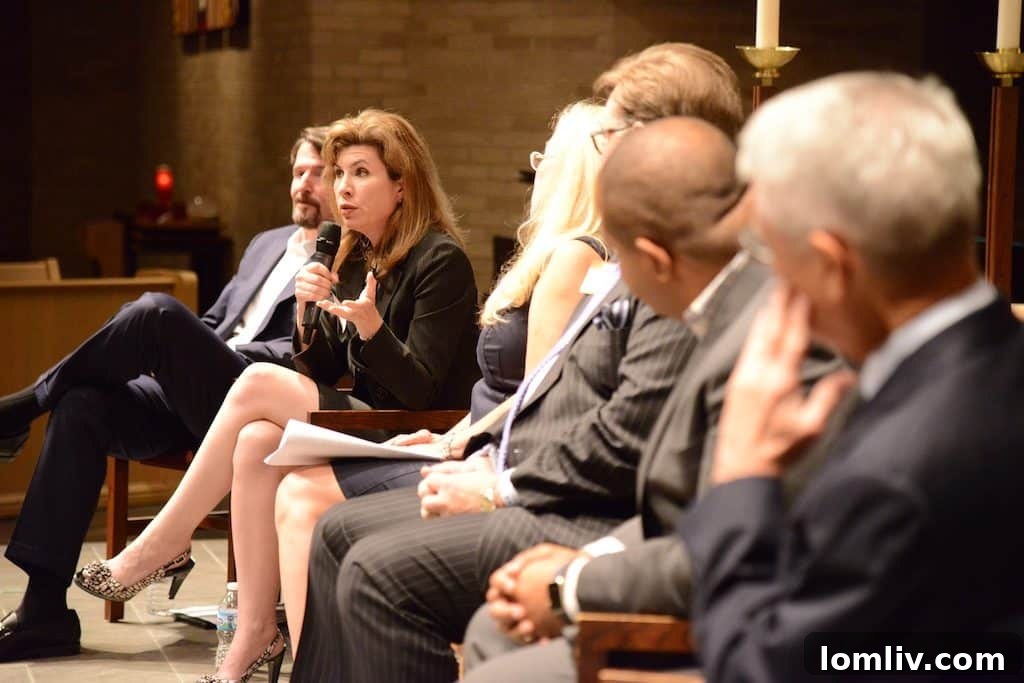
Moderated with expert precision by our esteemed publisher, Candy Evans, the panel featured an impressive lineup of thought leaders and community advocates. The discussion benefited from the diverse perspectives of Don Williams, founder of the Foundation for Community Empowerment; State Representative Eric Johnson, a key voice in legislative matters affecting Dallas; Byron Carlock, a renowned real estate expert whose insights are invaluable in understanding urban development; former Dallas City Council member Angela Hunt, a vocal proponent for public accountability; and Jon Anderson, a respected columnist from daltxrealestate.com, known for his incisive analysis of Dallas real estate trends. Their collective expertise ensured a lively, engaging, and deeply informative exchange that resonated with the audience.
Why Fair Park’s Future Matters: Understanding the Core Debate
Fair Park is more than just a piece of land; it is a cultural and historical cornerstone of Dallas, a testament to the city’s rich past, and a vibrant hub for community life. Home to the annual State Fair of Texas, a national landmark district with stunning Art Deco architecture, and a venue for countless events and exhibitions, Fair Park has always been a public asset. The current proposal to shift its management from municipal control to a private nonprofit has ignited a passionate debate, pitting the perceived benefits of private sector efficiency against concerns over public access, transparency, and accountability.
The Proposal: Private Stewardship for Public Good?
Proponents of the private nonprofit takeover argue that this model could breathe new life into Fair Park, attracting private investment, streamlining operations, and enhancing its appeal as a year-round destination. They suggest that a dedicated nonprofit entity, unburdened by municipal bureaucracy, could more effectively raise funds for much-needed renovations, improve infrastructure, and implement innovative programming. The vision often presented is one of a revitalized, financially sustainable Fair Park, operating at its full potential and serving the entire Dallas community with expanded offerings.
Community Concerns: Safeguarding a Public Treasure
Despite the optimistic outlook presented by some, a significant portion of Dallasites, including those represented on the #DecisionFairPark panel, harbor serious reservations. Their concerns are deeply rooted in the principle of public ownership and the potential erosion of community access. Key points of contention include:
- Loss of Public Control: Transitioning management to a private entity, even a nonprofit, raises questions about democratic oversight. How will the public ensure the park’s mission remains aligned with community interests rather than private agendas?
- Transparency and Accountability: Critics demand greater transparency in the decision-making process and clear mechanisms for holding the private nonprofit accountable to the citizens of Dallas. The rapid pace of the approval process has fueled fears of insufficient public input.
- Impact on Surrounding Communities: Fair Park is nestled within historically underserved communities. There are anxieties that privatization might lead to increased commercialization, higher entry fees for events, or a shift in programming that alienates long-standing local residents.
- Preservation of Public Access: Will the park remain equally accessible to all Dallas residents, regardless of socioeconomic status, for recreation and cultural enrichment? The fear is that a profit-driven (even if indirectly) model could prioritize revenue over universal access.
- Future of the State Fair of Texas: While the State Fair is a separate entity, its long-standing relationship with Fair Park is intertwined. Any changes in park management could have ripple effects on this beloved annual event and its significant economic impact.
- Historical and Architectural Integrity: Fair Park’s status as a National Historic Landmark demands careful stewardship. Concerns exist regarding how a new private management entity would balance modernization efforts with the preservation of its unique Art Deco heritage.
Voices from the Panel: Shaping the #DecisionFairPark Dialogue
The diverse expertise of the panelists illuminated various facets of the Fair Park dilemma, offering a comprehensive look at the arguments for and against the proposed takeover.
Angela Hunt: A Champion for Public Engagement
Former Dallas City Council member Angela Hunt, whose passionate plea for citizen action was captured in the event’s iconic photograph, has been a consistent and powerful voice for public transparency and community involvement. Her presence on the panel underscored the importance of slowing down the process to allow for robust public discourse and thorough due diligence. Hunt’s arguments often center on the idea that decisions of such magnitude, affecting a public asset of Fair Park’s stature, must be made with the utmost scrutiny and direct input from the citizens they serve. Her call for attendees to contact their representatives was not merely an encouragement but a strategic directive to empower the public and ensure their concerns are heard at the highest levels of city government. She emphasizes that once a public asset is privatized, reclaiming public control is an incredibly challenging, if not impossible, task.
Don Williams: Advocating for Community Empowerment
As the founder of the Foundation for Community Empowerment, Don Williams brought a crucial perspective on ensuring that any redevelopment or management plan for Fair Park genuinely benefits all segments of the Dallas community, particularly those historically marginalized. His insights focused on the socioeconomic impact of urban planning decisions and the necessity of inclusive development. Williams likely championed strategies that guarantee equitable access, job creation for local residents, and programs that truly serve the needs of the surrounding neighborhoods, ensuring that Fair Park remains a beacon of opportunity and cultural enrichment for everyone, not just a select few.
State Rep. Eric Johnson: Legislative Oversight and Public Trust
State Representative Eric Johnson, representing a significant portion of Dallas, offered the critical legislative viewpoint on the panel. His involvement highlighted the broader implications of municipal decisions and the state’s interest in the responsible stewardship of major public assets. Rep. Johnson’s presence suggested a focus on the legal frameworks governing such transfers, the necessary checks and balances, and the overarching responsibility of elected officials to protect public trust. He likely questioned the precedent such a takeover might set for other public properties and emphasized the need for a process that is not only legal but also ethically sound and publicly justifiable.
Byron Carlock: The Real Estate Perspective
Byron Carlock, a respected figure in the real estate industry, provided the panel with an expert’s view on the economic and developmental potential of Fair Park. His insights were invaluable in understanding the financial models, potential revenue streams, and property management strategies that a private nonprofit might employ. While acknowledging the potential for revitalization through private investment, Carlock also likely balanced this with a realistic assessment of the market challenges and the complexities involved in managing such a unique, large-scale public-facing asset. His contribution offered a grounding in the practicalities and financial implications of the proposed change.
Jon Anderson: Chronicling Dallas Real Estate and Urban Planning
As a columnist for daltxrealestate.com, Jon Anderson brings a keen analytical eye to the trends and developments shaping Dallas’s urban landscape. His participation ensured that the real estate and urban planning implications of the Fair Park proposal were thoroughly explored. Anderson’s commentary often delves into how major civic projects impact property values, neighborhood development, and the overall economic health of the city. He likely offered critical insights into the long-term effects of privatizing a central urban park, discussing how it might influence future development patterns and the broader perception of Dallas as a city committed to its public spaces.
The Road Ahead: Dialogue, Due Diligence, and Decision
The #DecisionFairPark panel discussion was a testament to the vibrant civic life of Dallas and the profound importance of Fair Park to its citizens. The debate over its future is not merely about management structure; it is about the very identity of Dallas, its commitment to public spaces, its historical legacy, and its vision for inclusive urban development. The passionate arguments and concerns voiced by the panelists and the audience underscore the need for a careful, deliberate, and publicly transparent process before any irreversible decisions are made.
For those who couldn’t attend this crucial discussion in person, we made sure to capture the entire event. The full discussion was videoed and streamed live on the daltxrealestate.com Facebook page, ensuring that the important dialogue reached a wider audience. We encourage everyone interested in the future of Dallas real estate and major civic projects to follow our page to stay informed on these pressing issues as they unfold. Your engagement is vital to shaping the city’s trajectory.
A special thanks to our good friends at Rocketbrand for their invaluable support in making this essential discussion possible. Their commitment to community dialogue helps bring critical information to the forefront:

Revisit the full #DecisionFairPark panel discussion and hear directly from the experts and advocates who are shaping this critical debate:
Conclusion: A Call for Deliberate Action and Community Voice
The #DecisionFairPark panel discussion served as a powerful reminder that the future of Dallas’s most cherished public spaces rests on informed debate and active civic participation. The concerns raised regarding transparency, public access, and accountability are legitimate and demand thorough consideration from city leaders. As discussions continue and proposals evolve, it is paramount that the voices of Dallas citizens are not only heard but actively shape the decisions that will define Fair Park for generations to come. The goal should be a solution that respects its historical legacy, enhances its vibrancy, and ensures it remains a truly public treasure for all.