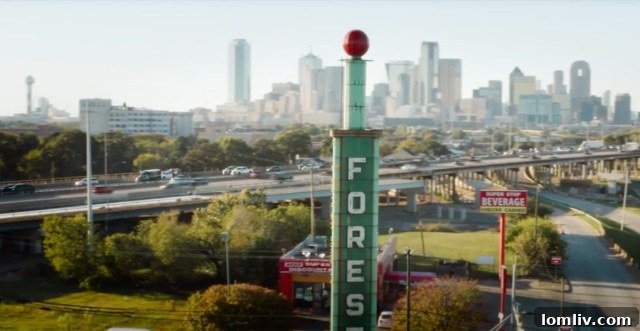
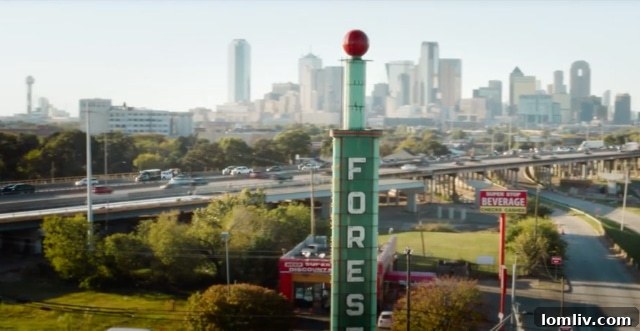
“South Dallas is back, baby!”
These powerful words, brimming with infectious enthusiasm, belong to South Dallas resident Donald Payton. His heartfelt declaration, captured in a brilliant video produced for the nonprofit organization Forest Forward, perfectly encapsulates the palpable excitement surrounding the restoration of the historic Forest Theater. This isn’t just about renovating a building; it’s about reigniting the spirit of an entire community.
There are few endeavors more profoundly impactful than the revitalization of a neighborhood, especially when a historic landmark stands as its proud anchor. The Forest Theater, a beacon of culture and community for generations, is poised to reclaim its central role in the vibrant tapestry of South Dallas, promising a renaissance that will resonate throughout the entire city.
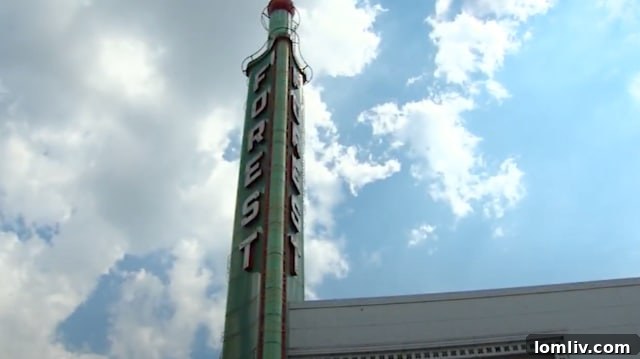
The Forest Theater: A Storied Past and a Promising Future
The journey of the Forest Theater from an endangered landmark to a symbol of hope is a testament to the power of preservation and community vision. Preservation Dallas, a leading advocate for protecting the city’s architectural heritage, recently hosted an InTown Outing to showcase the theater and the transformative work underway in its surrounding community. The immense interest in this event led to a rapid closure of registrations, underscoring the deep connection many Dallasites feel to this iconic structure.
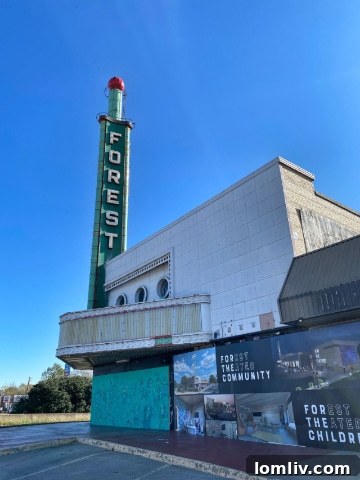
David Preziosi, Executive Director of Preservation Dallas, shared invaluable insights into the theater’s history and its pivotal role in the life of Dallas. “The Forest Theater was prominently featured on Preservation Dallas’ Most Endangered Historic Places list in 2015,” Preziosi revealed. “At that critical juncture, it faced the very real threat of demolition to make way for a gas station. Fortunately, that deal ultimately fell through, offering a second chance for this irreplaceable landmark.” Following this narrow escape, the urgent process of securing a Landmark Designation for the Forest Theater was initiated, a crucial step that is expected to reach completion this year, ensuring its protection for future generations.
An Architectural Gem with Deep Roots
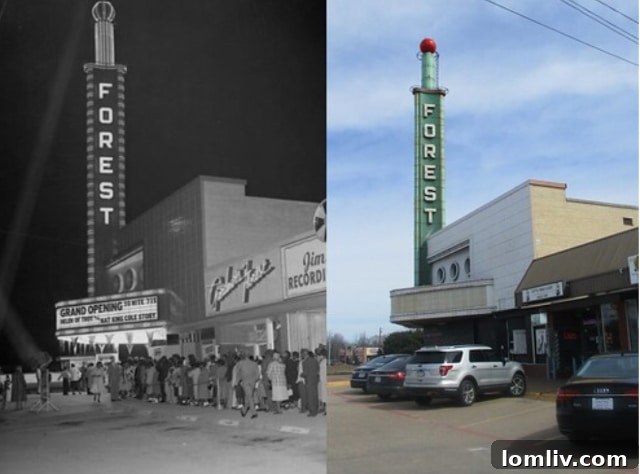
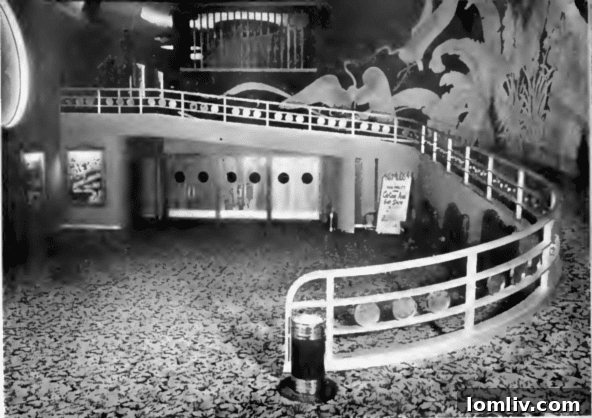
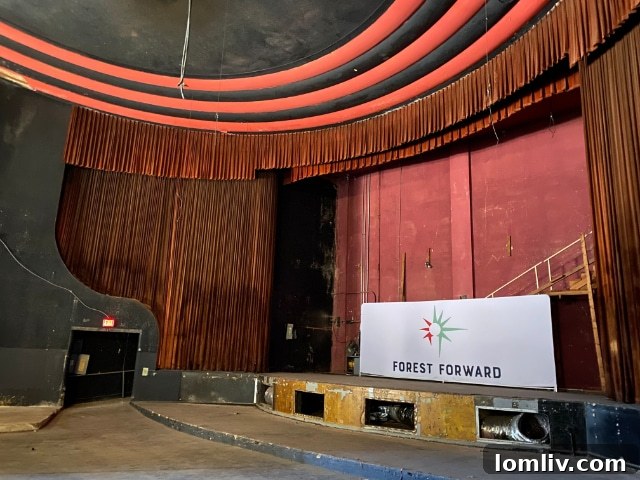
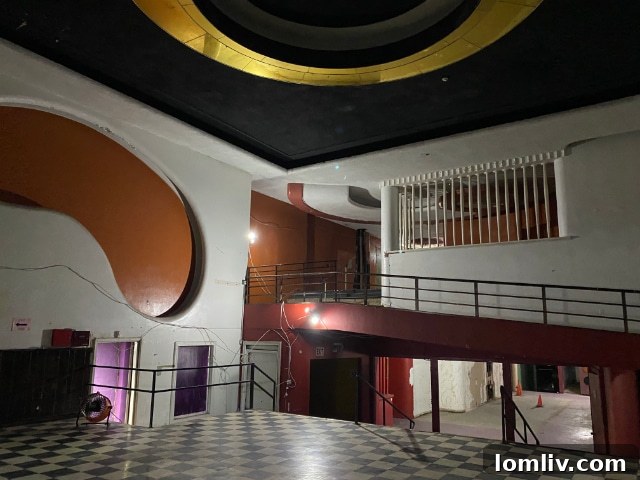
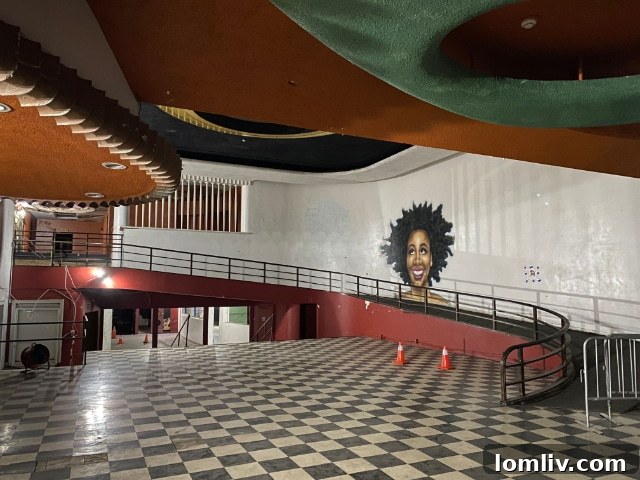
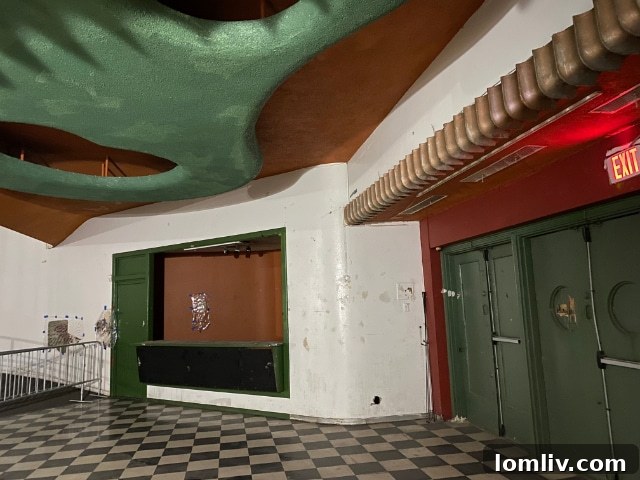
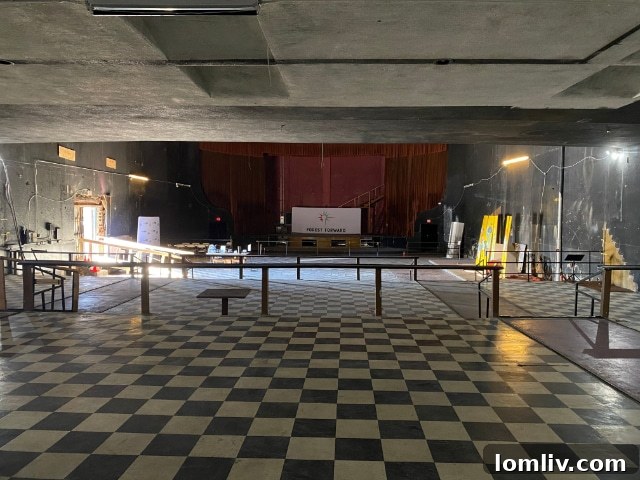
Designed by the renowned architectural firm Pettigrew-Morley and Company, the same creative minds behind the beloved Lakewood Theater, the Forest Theater first opened its doors in 1949. This grand 1400-seat venue initially catered to the predominantly Jewish clientele residing in that area of South Dallas. However, as the demographic landscape of the neighborhood evolved and became primarily African American, the theater adapted to serve its changing community. In a landmark moment in 1956, the Forest Theater proudly reopened as a venue exclusively for African Americans, quickly establishing itself as the largest of its kind in the South at that time. This transformation cemented its status as a vital cultural and social anchor for the burgeoning African American community in Dallas.
A Cultural Beacon in a Segregated Era
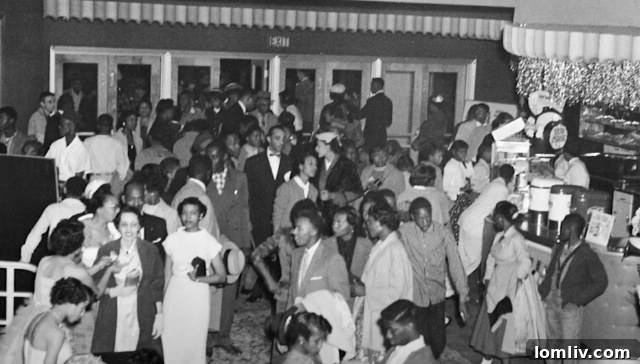
The grand reopening of the Forest Theater in 1956 was far more than a simple ribbon-cutting; it was a momentous community celebration. Dignitaries and local leaders delivered inspiring speeches, while stirring performances by the Booker T. Washington High School band and the Lincoln High School choir filled the air, marking the dawn of a new era for the theater. During an era of profound segregation, the Forest Theater transcended its role as a mere entertainment venue, becoming an indispensable focal point for community life. It hosted a diverse array of events, from film screenings and vibrant festivals to electrifying musical performances, captivating stage shows, and cherished graduation ceremonies. It was a place where stories were told, dreams were shared, and the community found its voice.
Throughout the 1960s, the Forest Theater solidified its reputation as an essential stop on the famed “Chitlin’ Circuit,” a network of venues across the South that provided performance opportunities for African American artists. Legendary performers graced its stage, including the incomparable Gladys Knight and the Pips, and the dynamic duo Ike and Tina Turner. These electrifying performances not only brought world-class entertainment to South Dallas but also provided a vital space for cultural expression and celebration during a challenging period in American history. The theater became a living archive of a rich cultural heritage, holding countless memories for those who gathered within its walls.
The Decline and the Rise of Forest Forward
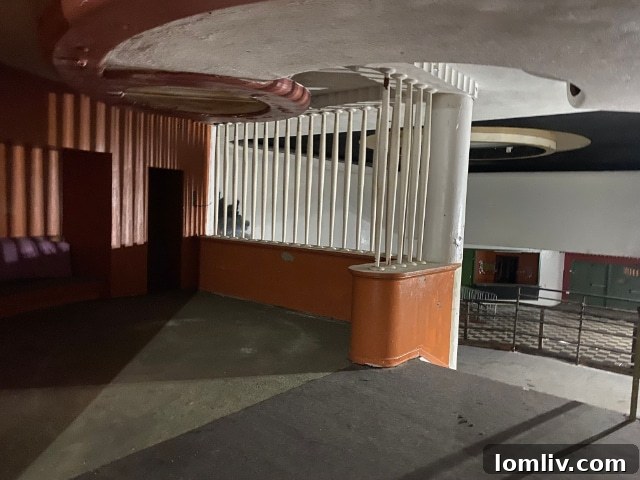
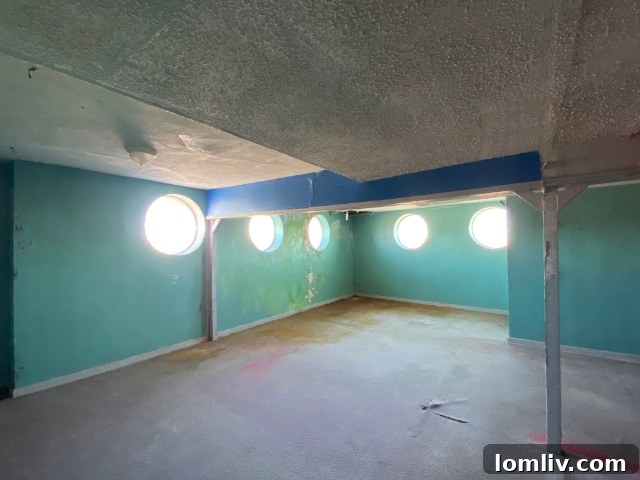
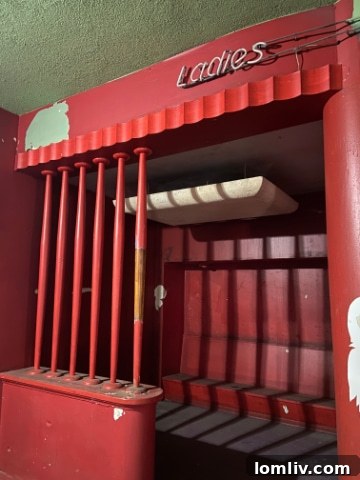
Despite its rich history and immense cultural significance, the Forest Theater, like many other historic community institutions, eventually succumbed to the pressures of economic decline and systemic inequities. As the economic divide widened and urban planning policies, such as the construction of major highways, fragmented communities, the historic theater fell into a lamentable state of neglect. Elizabeth Wattley, President and CEO of Forest Forward, eloquently articulated these challenges: “Over time, the cumulative impact of highway development, discriminatory redlining practices, and persistent economic disadvantages within the neighborhood severely crippled the longevity of the theater’s success.” Redlining, in particular, starved the area of essential investments, leading to a vicious cycle of disinvestment and decay that deeply affected the theater and its surrounding community.
For Wattley, the Forest Theater is more than just a project; it’s a deeply personal mission. Having grown up in the nearby Cedar Crest neighborhood, she understands the profound connection residents have to this building. “Everyone in this community shares a pre-existing relationship with this building,” Wattley emphasized. “We all share a collective longing to see it come back to life, to once again serve as a vibrant heart for South Dallas.” This sentiment of shared heritage and collective aspiration forms the bedrock of Forest Forward’s mission.
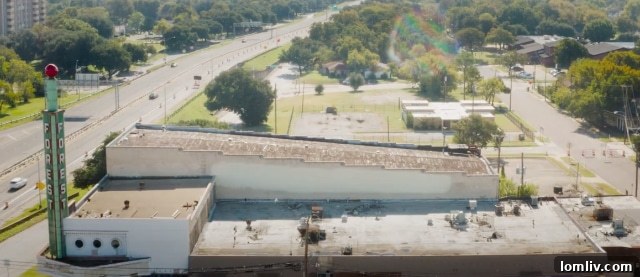
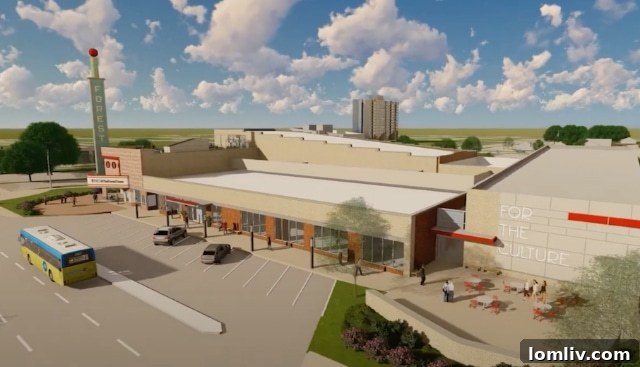
The genesis of Forest Forward traces back to a pivotal moment when Wattley, then Executive Director at City Square, Dallas’s largest nonprofit provider of affordable housing, learned of the opportunity to acquire the Forest Theater. This sparked a vision for revitalizing not just the theater, but the entire community around it. “Forest Forward was initially incubated within City Square in 2017, and we have proudly operated as an independent entity since 2020,” Wattley explained. The core of their vision is audacious yet inspiring: to leverage the restoration and strategic expansion of this historic theater as the catalyst for a profound renaissance throughout South Dallas.
Forest Forward is a dedicated nonprofit organization committed to fostering equitable development, enhancing economic mobility, and improving outcomes for the children, residents, and families of the South Dallas community. Their transformative vision is backed by an infusion of $75.215 million, strategically directed into the heart of the 75215 zip code. This significant investment is designed to ignite healthy neighborhood revitalization, establishing a dynamic and vibrant new core for the City of Dallas.
Building Bridges: Education and Community Impact
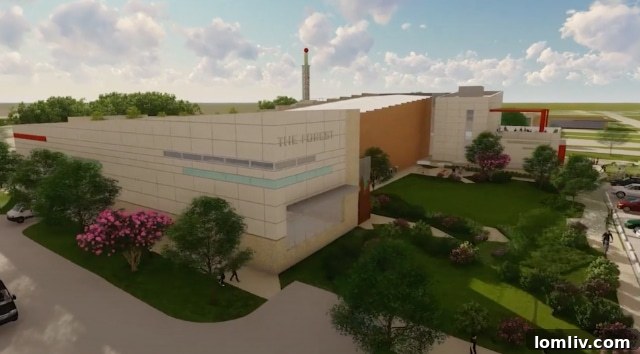
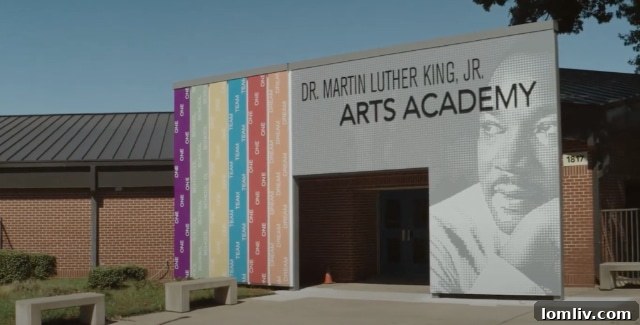
The restoration of the Forest Theater is not an isolated project; it is intricately woven into the fabric of educational advancement and community empowerment in South Dallas. A cornerstone of this revitalization effort is the groundbreaking partnership with the newly formed DISD Martin Luther King Arts Academy. This collaboration ensures a sustainable future for the theater, integrating it directly into the educational pipeline for local youth.
“Our strategic partnership with the school district is absolutely vital for long-term sustainability,” Wattley emphasized. “The Martin Luther King Arts Academy now serves students from Pre-K all the way through 8th grade. This allows us to bring a wealth of resources and enriching cultural experiences to children throughout their critical foundational years in middle school. From there, they are perfectly positioned to apply to the prestigious Booker T. Washington High School for the Performing and Visual Arts. This comprehensive ‘design pathway’ is meticulously crafted to make our students highly competitive, directly addressing the current disparity where the number of students from our zip code attending Booker T. is unfortunately less than two percent.” This initiative aims to nurture local talent and provide equitable access to top-tier arts education, ensuring that the next generation of performers, artists, and leaders emerges directly from the heart of South Dallas.
Ensuring Equitable Growth and Preserving Community Fabric
In any significant urban revitalization project, the critical question of gentrification inevitably arises, and it remains a top-of-mind concern for Forest Forward and the South Dallas community. However, Forest Forward is proactively engaging in extensive behind-the-scenes work specifically designed to preserve affordability and ensure that existing residents are not displaced but rather benefit directly from the neighborhood’s resurgence. This involves a multi-faceted approach to community development that prioritizes the well-being and economic mobility of current residents.
Wattley articulated this commitment with unwavering clarity: “We firmly believe we can execute this revitalization correctly if every stakeholder fully understands and commits to the mission of prioritizing the current residents. The Forest Theater carries an incredibly rich history, with countless stories waiting to be retold and celebrated. An establishment of this caliber needs to be brought back to life, not just for the immediate community, but for the cultural enrichment and collective benefit of all of Dallas.” This inclusive approach seeks to create a model for equitable development, where growth enhances, rather than erodes, the existing community fabric.
The Grand Reawakening: A New Era for South Dallas
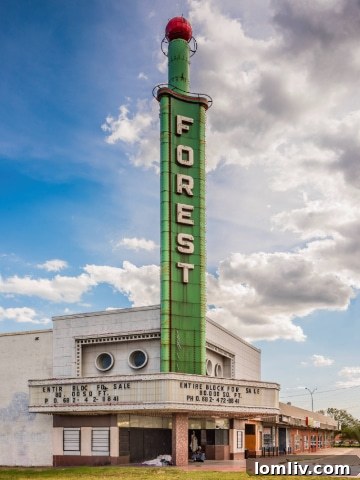
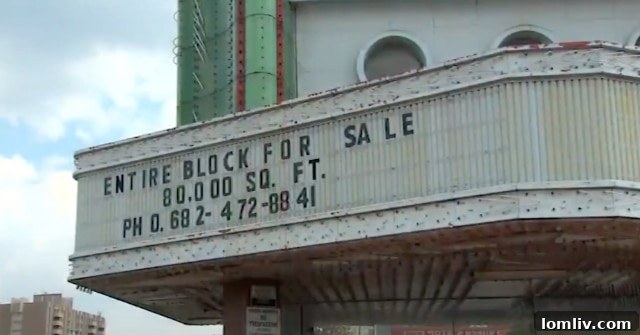
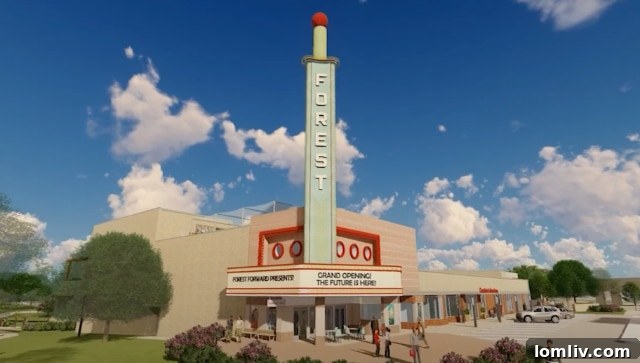
The ultimate goal, a date circled with anticipation by many, is for the iconic marquee of the Forest Theater to be dramatically illuminated for the first time in over five decades, precisely on the occasion of its 75th anniversary in 2024. This moment will transcend a simple relighting; it will symbolize a profound reawakening, a triumphant return of a cherished landmark to its rightful place at the heart of South Dallas.
“It will stand as a key symbol of rejuvenation, a powerful emblem of restoration, and an undeniable source of immense excitement for everyone connected to this historic space and the broader community,” Wattley affirmed. The re-lit marquee will shine as a beacon, announcing to all that South Dallas is not just recovering, but thriving, embracing its rich past while confidently stepping into a vibrant future. This ambitious project promises to bring a renewed sense of pride, opportunity, and cultural richness to the entire 75215 zip code, creating a dynamic cultural campus that will serve generations to come. It’s a testament to unwavering community spirit and the belief that history, when cherished and revitalized, can powerfully shape a better tomorrow.
Indeed, Mr. Payton, your words ring truer than ever. South Dallas is not just coming back; it is definitively back, baby!