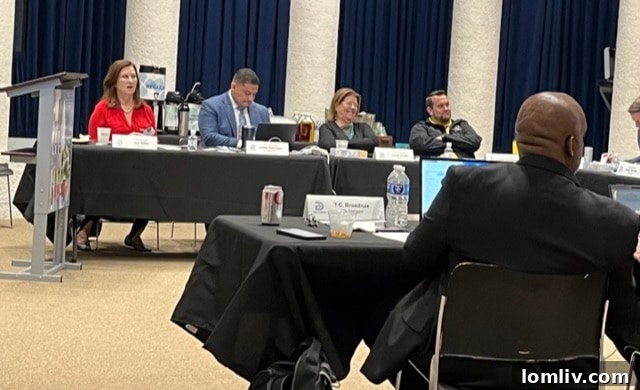
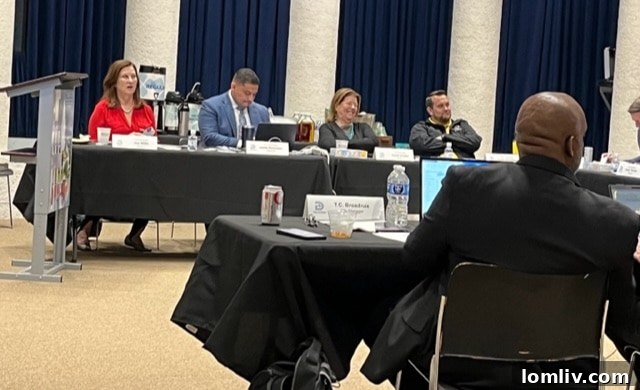
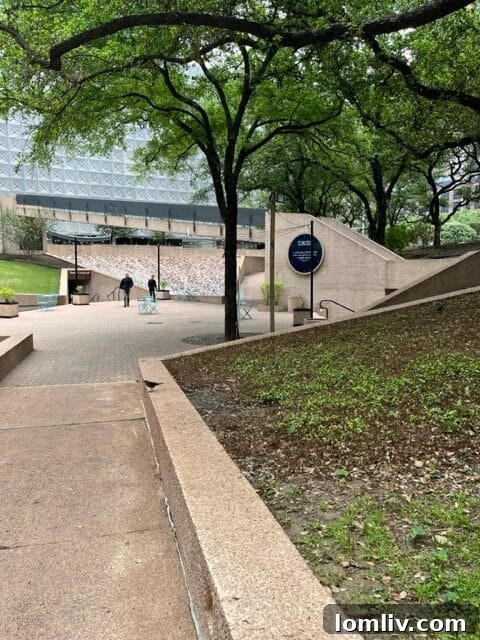
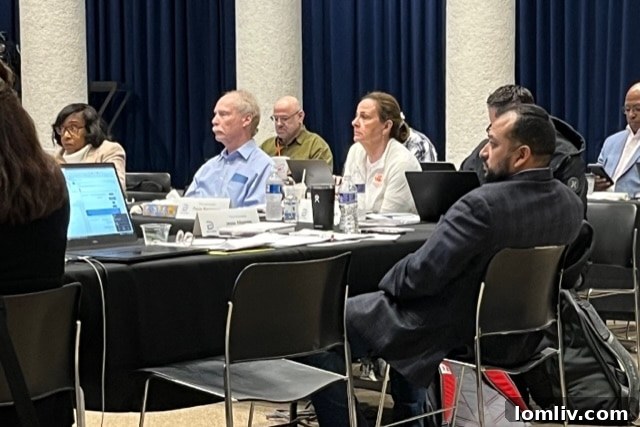
In a rare and pivotal gathering held recently, the Dallas City Council convened for a significant “Vision Alignment Session” at the serene Thanks-Giving Square in downtown Dallas. This retreat provided a unique platform for twelve of the fourteen council members, many of whom are actively campaigning for re-election in the upcoming May 6 election, to step away from the formal council chambers and public scrutiny. The primary objective was to collaboratively establish key goals and engage in forward-thinking discussions about the future trajectory of Dallas, fostering a unified vision for the city’s progress.
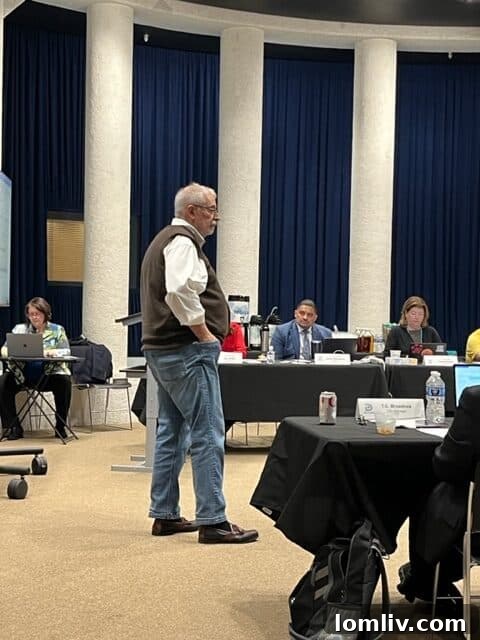
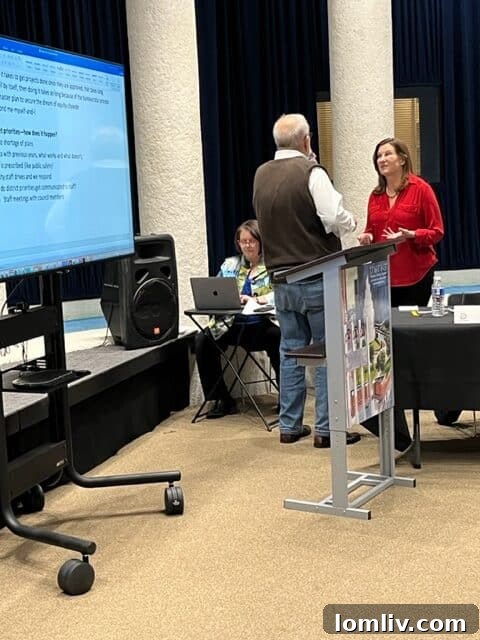
The session was expertly facilitated by Jim Copple, a distinguished consultant renowned for his specialization in public policy strategic planning. Copple’s role was instrumental in guiding the discussions, ensuring a productive environment for robust dialogue and the formulation of actionable objectives. This strategic planning event was not just for the council members but also saw the participation of City Manager T.C. Broadnax and several key city administrators, underscoring the collaborative effort required for effective governance and urban development.
During the session, Copple emphasized the critical importance of accountability and ownership when setting objectives. “A goal is something you should be responsible for, to have some ownership,” he articulated to the attentive group. This guiding principle resonated with the council members, who demonstrated a clear readiness to transcend mere discussion and translate aspirations into tangible actions. Their collective sentiment indicated a strong desire to move beyond theoretical visioning and embark on concrete initiatives that would directly benefit their constituents and the broader Dallas community.
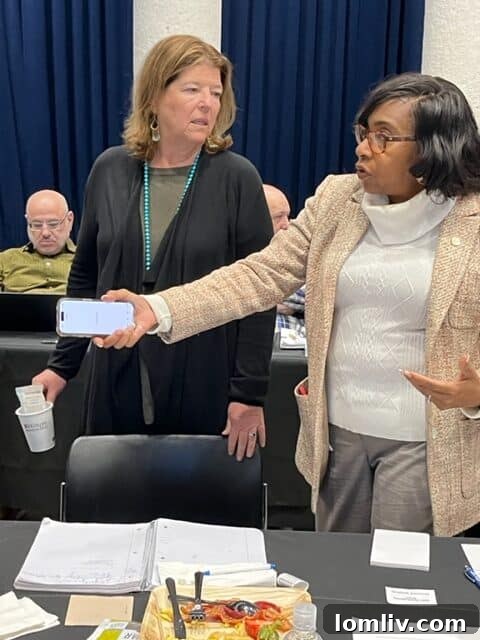
The urgency for action was palpable among the attendees. Mayor Pro Tem Carolyn King Arnold powerfully conveyed this sentiment, stating, “I don’t know how much longer we can keep coming to these vision meetings talking about vision, talking about Dorothy and the Wizard of Oz.” Her remarks underscored a deep-seated desire for more substantive engagement, particularly highlighting the pressing need for a comprehensive and meaningful discussion on racial equity within the city. This call for deeper dialogue reflects a growing awareness of social disparities and the imperative to address them directly through policy and proactive measures.
Notably absent from this crucial retreat was Mayor Eric Johnson, who is currently seeking re-election against write-in candidate Kendal Richardson. While his absence was observed, the session continued with the active participation of the other council members, who remained focused on articulating their specific goals and strategic priorities for the districts they proudly represent. The following outlines the key objectives and challenges identified by various council members for their respective districts, painting a detailed picture of Dallas’s diverse needs and future aspirations.
District 1: Envisioning a More Connected and Livable Community
Councilman Chad West, who is actively campaigning for re-election against newcomers Mariana Griggs and Albert Mata, articulated a broad vision for Dallas that extends beyond his district’s borders. His city-wide aspirations include enhancing walkability, expanding diverse housing options, and challenging the pervasive “Not In My Backyard” (NIMBY) mentality that often impedes progressive urban development. West strongly advocates for the inclusion of urban planners, not just traffic engineers, in all discussions pertaining to roadways, emphasizing a more holistic and community-centric approach to infrastructure development.
For District 1 specifically, Councilman West outlined three paramount goals. First, he is committed to the successful implementation of five authorized zoning cases stemming from the impactful West Oak Cliff Area Plan, which seeks to empower residents with greater control over new developments. His second priority involves the comprehensive renovation of the North Oak Cliff Library, aiming to revitalize this essential community hub. Lastly, West is a staunch proponent of expanding the streetcar network within Oak Cliff and extending it through downtown, believing this will significantly enhance connectivity and foster sustainable urban mobility.
District 2: Addressing Infrastructure, Transportation, and Community Amenities
District 2 Councilman Jesse Moreno, currently challenged by Sukhbir Kaur, shared his principal objectives for the district. A key initiative is the extension of the streetcar system from Deep Ellum through East Dallas and into Lakewood, which would greatly improve public transit options and neighborhood accessibility. Moreno also highlighted the critical need for enhanced flood and storm mitigation strategies to protect residents and property from increasingly severe weather events. Furthermore, he champions the construction of a new natatorium, recognizing the importance of modern recreational facilities for community well-being.
Delving into transportation challenges, Councilman Moreno articulated a significant point of contention regarding the Texas Department of Transportation (TxDOT). While the city collaborates closely with TxDOT, Moreno observed that TxDOT’s primary focus on vehicular movement often overshadows other vital community concerns, such as addressing loitering and managing trash accumulation near overpasses. He stressed the need for a more integrated approach that considers the broader urban environment and quality of life issues alongside traffic flow.
District 3: Overcoming Misconceptions and Driving Development
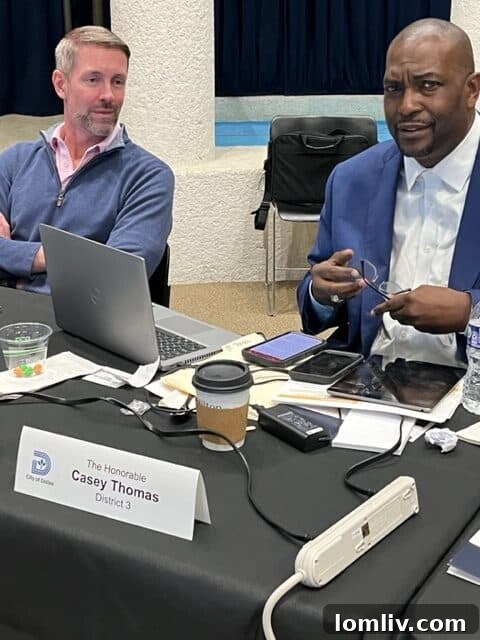
With Councilman Casey Thomas nearing his term limits and not seeking re-election, District 3 is at the center of one of the most hotly contested races, with Zarin Gracey, Joe Tave, August Doyle, John David Sims, and Denise Benavides vying for the seat. Councilman Thomas, reflecting on his tenure, spoke passionately about the unfair negative perceptions often associated with his South Dallas district. He emphasized that these stereotypes inaccurately portray a vibrant community with unique strengths.
“District 3 goes against every single stereotype,” Thomas asserted, highlighting its remarkably low crime rates. He attributed the prevailing negative perception primarily to its geographical label rather than factual realities. His top priorities for District 3 have consistently revolved around bolstering public safety, stimulating robust economic development, and actively recruiting quality retail businesses to serve the community. Furthermore, Thomas stressed the critical need to address the long-standing infrastructure deficit, proposing the strategic allocation of American Rescue Plan Act (ARPA) funds to catalyze essential improvements.
District 4: Prioritizing Public Safety, Equity, and Essential Services
Mayor Pro Tem Carolyn King Arnold, representing District 4 and facing challenger Jamie Smith, identified public safety, economic development, and racial equity as her foremost priorities. Arnold candidly addressed the sensitive issue of public safety, noting that her district experiences some of the highest crime rates, which she believes are intrinsically linked to a historical lack of investment in its communities. “We see murders, we see burglaries, we see crimes against persons,” she acknowledged, highlighting the dire consequences of underinvestment.
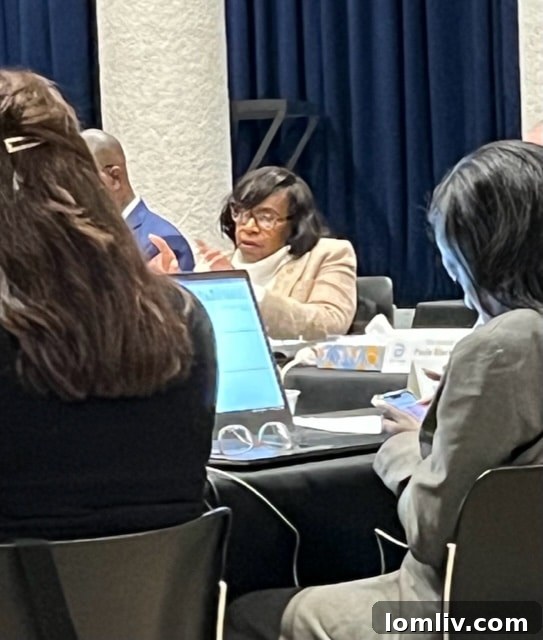
During the retreat, Arnold expressed her desire to listen and understand the prevailing perspectives of her colleagues, stating she wanted to “see where people are.” She later highlighted a pressing need voiced by her constituents: the establishment of a grocery store within the district. She openly sought support from other council members to achieve this vital community amenity, demonstrating a proactive approach to addressing basic needs. Arnold also bravely admitted to needing assistance, remarking, “Sometimes you don’t know what to do and your pride is in the way because you don’t want to ‘fess up… I need help. I need the right staff to help me,” showcasing a commendable level of honesty and collaborative spirit.
District 5: Fostering Housing Growth and Community Investment
District 5 Councilman Jaime Resendez, who is competing against Yolanda Faye Williams and Terry Perkins, laid out his primary objectives for his district, which include enhancing public safety, upgrading critical infrastructure, and expanding housing options. Resendez is a strong advocate for increasing the availability of for-sale, single-family homes, particularly those “on the higher end of the affordability spectrum.” His vision aims to cater to a broader range of residents seeking homeownership within the district.
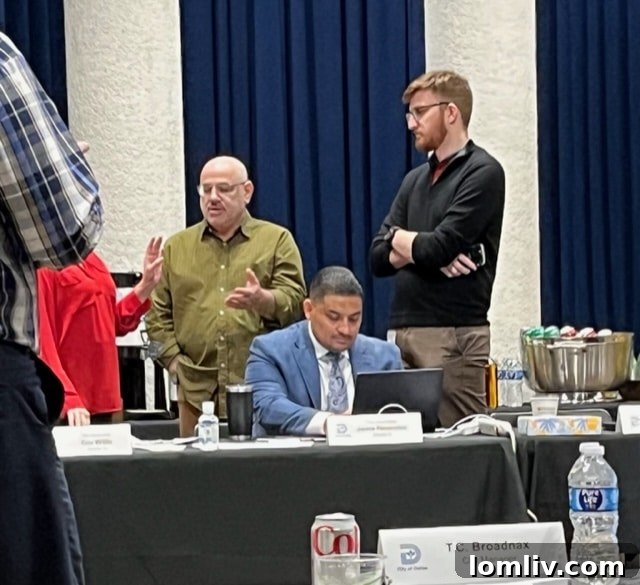
Resendez articulated a clear strategy to retain residents and attract new ones. “We need the housing stock to be there or they’re going to keep moving to East Dallas and Uptown,” he explained, recognizing the competitive housing market within the city. He emphasized that a significant number of people are eager to live in District 5 and build generational wealth, underscoring the potential for growth and stability within the community if adequate housing solutions are provided.
District 6: Absence from the Vision Alignment Session
Deputy Mayor Pro Tem Omar Narvaez, representing District 6, is currently facing challenges from Tony Carrillo, Sidney Robles Martinez, and Monica R. Alonzo. Narvaez did not attend Wednesday’s Vision Alignment Session. Despite his absence, the district’s needs for continued development, improved public services, and community engagement remain crucial priorities for its representation on the city council.
District 7: Focusing on Connectivity, Economic Growth, and Fair Park Development
Councilman Adam Bazaldua, who is challenged by Okema Thomas, Tracy Dotie Hill, and Marvin E. Crenshaw, articulated several key priorities for District 7. Foremost among these is the development of the South Dallas streetcar line along Martin Luther King Jr. Boulevard, an initiative aimed at enhancing public transportation and stimulating economic activity in a historically significant corridor. Economic development, particularly fostering local businesses and job creation, remains a central theme for his district.
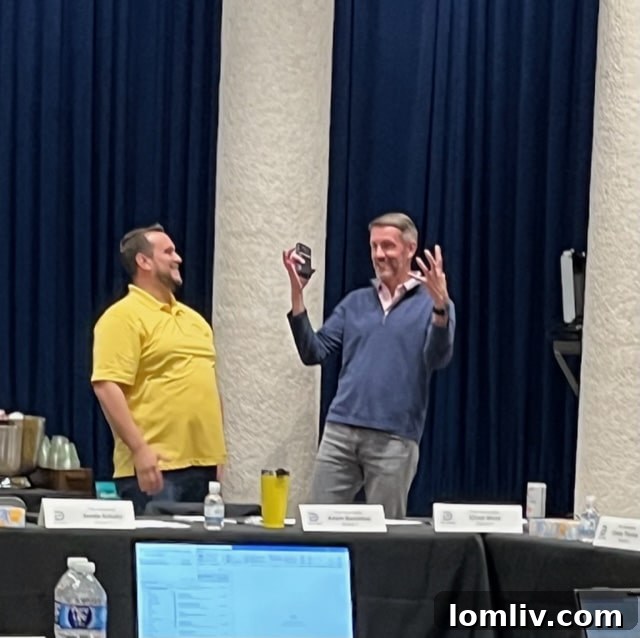
A pressing concern for District 7 is also the provision of adequate grocery stores, addressing food deserts and ensuring residents have access to healthy, affordable food options. Furthermore, Councilman Bazaldua emphasized the critical importance of executing the Fair Park Master Plan, a comprehensive strategy designed to revitalize and maximize the potential of this iconic Dallas landmark, promising significant community and economic benefits for the surrounding areas.
District 8: Councilman Atkins Absent from Strategic Retreat
Councilman Tennell Atkins, representing District 8, is currently running against Subrina Brenham and Davante “Shawt” Peters. Similar to some of his colleagues, Councilman Atkins did not attend Wednesday’s important Vision Alignment Session. His absence meant that his specific, updated goals for the district were not presented during the collaborative strategic discussions, although his focus has historically been on economic growth and community investment in his area.
District 9: Championing Connectivity, Safety, and Natural Resources
Councilwoman Paula Blackmon, who is defending her District 9 seat against Kendra Madison, provided thoughtful insights into the challenges and opportunities for urban development in Dallas. When discussing walkability, Blackmon astutely pointed out that Dallas’s urban planning has historically been heavily centered around vehicles. This foundational design presents a significant challenge for creating pedestrian-friendly environments.
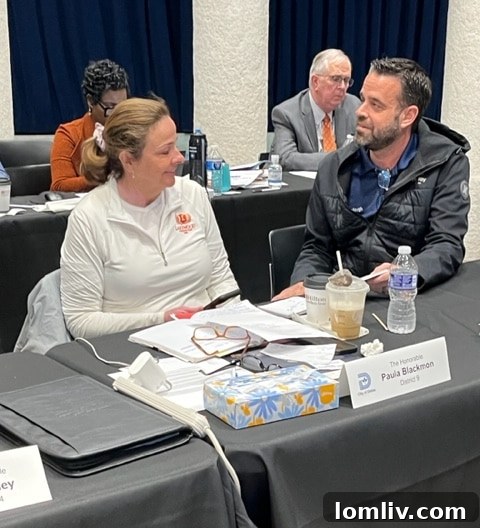
“You’re going to have to undo a lot of that and create better connectivity,” she stated, emphasizing the need for transformative infrastructure changes to foster a more connected and accessible city. Blackmon’s top priorities for District 9 include the preservation and enhancement of White Rock Lake, a beloved natural asset, ensuring safety around public highways and Garland Road, and significantly improving connectivity throughout the district via streetcars. She eloquently summarized her vision, stating, “The common thread that guides all this is connectivity throughout the whole district but linking it to the rest of the city with sidewalks, trails, a street network, and micro-mobility,” advocating for an integrated transportation and pedestrian network.
District 10: Advancing Public Safety, Infrastructure, and Economic Corridors
With Councilman Adam McGough not seeking re-election due to term limits, District 10 is poised for new leadership, with Brian Hasenbauer, Kathy Stewart, Sirrano Keith Baldeo, and Chris Carter contending for the open seat. Councilman McGough, in his final vision session, outlined his key priorities. These include a strong focus on public safety, particularly through the deployment of advanced technology such as cameras, improved lighting, and license plate readers to deter crime and enhance community security. He also stressed the importance of robust infrastructure development and fostering economic growth along the vital Skillman Corridor.
McGough underscored the strategic importance of the Skillman Corridor, stating, “As we look at these bond projects, the Skillman Corridor is a big piece of the puzzle.” His vision for this area includes equipping residents with opportunities to start and grow businesses, developing accessible small business spaces that will contribute to local job creation and economic vitality. This initiative aims to transform the corridor into a thriving commercial hub, benefiting both residents and entrepreneurs in District 10.
District 11: Elevating North Dallas and Empowering Neighborhoods
District 11 Councilwoman Jaynie Schultz presented an ambitious set of goals aimed at positioning North Dallas as a significant regional player. Her priorities include advancing the International District, an initiative designed to celebrate cultural diversity and foster economic opportunities. She also highlighted the critical need to address areas of high poverty, specifically in the Esperanza area, by activating a comprehensive master plan tailored to its unique challenges. Developing strong neighborhood leadership is another cornerstone of her vision, empowering residents to actively participate in shaping their communities.
Beyond these specific initiatives, Schultz also underscored the foundational importance of improving streets and infrastructure, as well as fostering sustained economic development throughout the district. Councilwoman Schultz is currently running against daltxrealestate.com founder and publisher Candace Evans. The Dallas Police Association Political Action Committee recently endorsed Evans, stating that she “understands a high quality of life starts with neighborhoods and schools free of criminal activity and will bring a fresh and responsive vision focusing on better basic services that include smooth roads, clean parks and the appropriate funding and tools for first responders.” This endorsement highlights the critical role of public safety and essential city services in the upcoming election.
District 12: Unopposed Representation and Continued Focus
District 12 Councilwoman Cara Mendelsohn is running unopposed in the upcoming May 6 election, signaling strong community confidence in her leadership. Despite running without opposition, Councilwoman Mendelsohn did not attend Wednesday’s Vision Alignment Session. However, her previous work and public statements consistently reflect a commitment to fiscal responsibility, public safety, and ensuring efficient city services for the residents of District 12, areas which undoubtedly remain her key focus.
District 13: Advocating for Fundamental Infrastructure and Quality of Life
Councilwoman Gay Donnell Willis is facing Priscilla Shacklett in the May 6 election, and she brought a comprehensive set of priorities to the visioning session. Early in the discussions, Willis highlighted the importance of “missing middle housing,” a concept aimed at diversifying housing types to accommodate various income levels and household sizes, thus creating more inclusive communities. Her top priorities are extensive, encompassing public safety, the often-overlooked maintenance of streets and alleys, and effective stormwater management—issues she describes as “not sexy things to talk about, but they’re very meaningful in people’s day-to-day lives.”
Additionally, Willis is focused on the strategic development of three large, contiguous tracts acquired through the American Rescue Plan Act funds, aiming to maximize their benefit for the district. Economic development and a holistic approach to improving the quality of life for her constituents are also central to her platform. Willis acknowledged the significant infrastructure challenges in her district, noting, “I think I’m behind District 14 with the most lane miles.” She recalled a discussion two years prior about improved alleys, only to realize these improvements dated back 30 years, serving as “a daily reminder of the city breaking down.” She passionately advocated for dedicated funding for streets, alleys, and stormwater infrastructure, recognizing these as fundamental to residents’ daily experiences and overall city function.
District 14: Enhancing Recreation, Arts, and Urban Mobility
Councilman Paul Ridley is defending his Place 14 seat against Amanda Schulz and Joseph Miller. His top priorities for District 14 reflect a commitment to community amenities and urban development. These include the establishment of a new recreation center, which would provide vital spaces for health, fitness, and community gathering. He also stressed the ongoing importance of meticulous maintenance for Dallas’s renowned arts district, ensuring it continues to thrive as a cultural cornerstone.
Furthermore, Councilman Ridley is dedicated to the successful completion of a two-way conversion project at Cole Street and McKinney Avenue, a key initiative to improve traffic flow and pedestrian safety in a busy urban area. Earlier in the day, Ridley had also spoken about the broader need for robust infrastructure investments across the city and expressed his personal desire to transition the city’s vehicle fleet to electric vehicles, highlighting an environmentally conscious approach to municipal operations and a forward-looking perspective on urban sustainability.