Selling Your Home Safely: Essential Security Tips for Showings and Open Houses
As the real estate market heats up, putting your home on display for potential buyers becomes a top priority. While the excitement of a quick sale is palpable, it’s easy to overlook crucial security measures when countless individuals walk through your living space. Selling your home means inviting strangers into your personal sanctuary, making vigilance and careful preparation paramount. Neglecting proper safeguards can inadvertently expose sensitive information, leading to identity theft, theft of valuables, or even compromising the security of your property long after the sale.
The vast majority of people touring your home are honest, genuinely interested potential buyers. However, it’s wise to acknowledge that curiosity can sometimes lead people to pry, and in rare instances, malicious intentions may exist. A quick glance at a family calendar, a personal invitation on the fridge, or visible financial documents can reveal far more than you intend, potentially disclosing your schedule, financial status, or even details about your children. These seemingly innocuous details can be exploited by individuals looking for opportunities. Therefore, as you prepare your home for sale, adopting a “safety first” mindset is absolutely critical.
Protecting Your Personal Information During Home Showings
One of the most significant risks when selling your home is the inadvertent exposure of personal information. Safeguarding your identity and privacy should be a top priority.
Safeguarding Your Identity
Identity theft is a persistent threat in our digital age, and leaving personal documents lying around your house makes you an easy target. Before any showing or open house, conduct a thorough sweep of your home to remove or secure any identifying documents. This includes, but is not limited to, bank statements, utility bills, tax documents, credit card statements, medical records, and even junk mail that might contain sensitive data. Shred anything you don’t need, and securely store essential documents in a locked filing cabinet or a safe. Think about what a stranger could learn about you from just a few pieces of paper – your full name, address, financial habits, and more.
Protecting Your Children’s Privacy
Your children’s privacy is just as important as your own. While it’s natural to display proud moments and family life, when your home is on the market, it’s best to anonymize personal details. Take down artwork, photos, and any documents that include their names, schools, or schedules. This includes sports schedules, school calendars, personalized keepsakes, or even desktop photos on a visible computer. Removing these details helps prevent strangers from learning about your children’s routines, which could be exploited. The goal is to make your home feel inviting but generic enough that no personal information about your family can be gleaned.
Discreet Details: What Not to Display
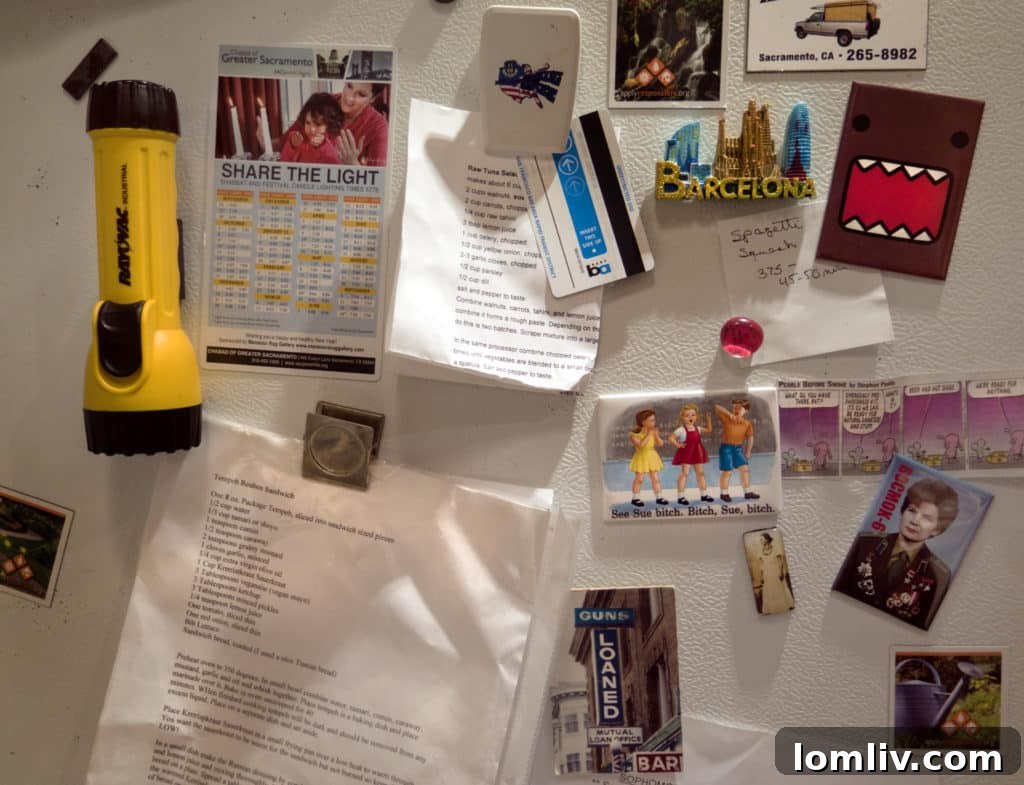
Beyond formal documents, many everyday items can offer a window into your personal life. Pay meticulous attention to bulletin boards, whiteboards, invitation cards, or even notes left on the counter. A quick glance at a wall calendar revealing vacation plans, appointments, or social engagements can signal when your home might be vacant. Similarly, invitations to parties or events can disclose your social circle or upcoming absences. Make it a point to store away anything that provides specific details about you, your family, or your future plans. This level of discretion is crucial for maintaining your privacy and ensuring your home remains secure.
Securing Your Valuables and Property
While identity protection is critical, safeguarding your tangible assets is equally important. Many everyday items, from cherished heirlooms to essential medications, can be targets for opportunistic individuals.
Curating Your Visual Story: The Role of Photos
Every picture tells a story, and while personal photos add warmth to a home, they can also reveal too much about your life to strangers. To maintain anonymity, remove all personal family photos, framed portraits, and even digital photo frames. Unless you are a celebrity whose fame might enhance the sale (a rare occurrence), potential buyers do not need to know who you are, your family members, or your lifestyle. The aim is for buyers to envision themselves living in the space, not to learn intimate details about the current owners. This also extends to photos depicting expensive hobbies or luxury items that aren’t for sale.
Managing Mail and Deliveries
Even in the digital age, physical mail can be a treasure trove of personal information. Ensure that all incoming mail, especially bills and statements, is concealed or collected daily. If you plan to be out of town, arrange for a trusted friend, family member, or neighbor to pick up your mail regularly. Never stop mail delivery if your home is on the market and you’re away, as a lack of mail collection can signal an empty house to anyone observing your property. Consider using a post office box or digitally delivered statements during the selling process to minimize physical mail at your home.
Safeguarding Medications and Personal Items
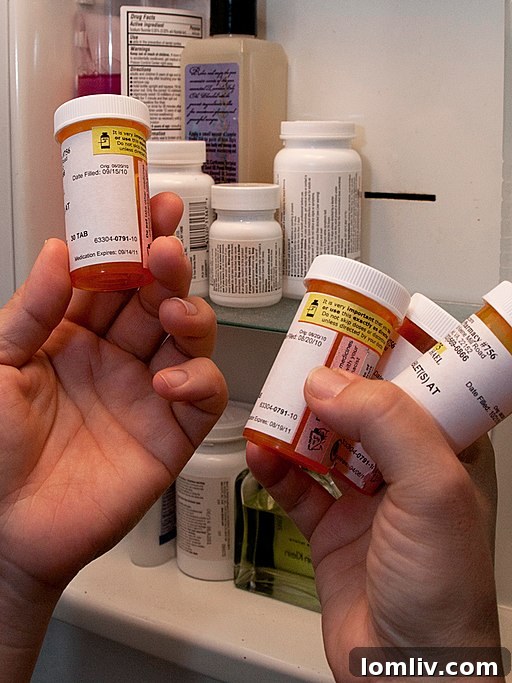
Prescription medications are highly sought after by thieves, not just for their street value but also due to the ease with which they can be resold or abused. It is absolutely imperative to remove all prescription medications from visible locations like bathroom cabinets, nightstands, or kitchen counters. Lock them away in a secure, inconspicuous spot, or better yet, take them with you when you leave for a showing. The same goes for over-the-counter medications that could be misused. This small step can prevent potential theft and protect your privacy regarding your health.
Valuables on Display: Jewelry and Money
Whether you own expensive, heirloom jewelry or sentimental pieces, any items left in plain sight are vulnerable to theft. A showcase full of watches, rings, or other adornments in your closet or on a dresser is an open invitation. Pack away all jewelry into a secure, off-site location or a locked safe. Similarly, avoid leaving loose change, cash, or wallets in easily accessible spots like drawers, counters, or coat pockets. If you typically leave envelopes with cash for services (like cleaning or gardening), opt for digital payment apps during the selling period instead of leaving physical money with names boldly written on the front. Even a small amount of loose cash can tempt someone.
Electronics and Digital Devices
Small, portable electronics like iPads, tablets, laptops, and even certain gaming devices are easy targets. While large TVs might be secured, smaller gadgets can quickly disappear into a bag. Before each showing, either lock these items away in a secure cabinet or take them with you. Ensure that any computer screens left visible are logged out of personal accounts and ideally password-protected. If you have smart home hubs or devices with personal data, consider temporarily disabling or removing them if they are easily portable.
The Unseen Threats: Keys and Weapons
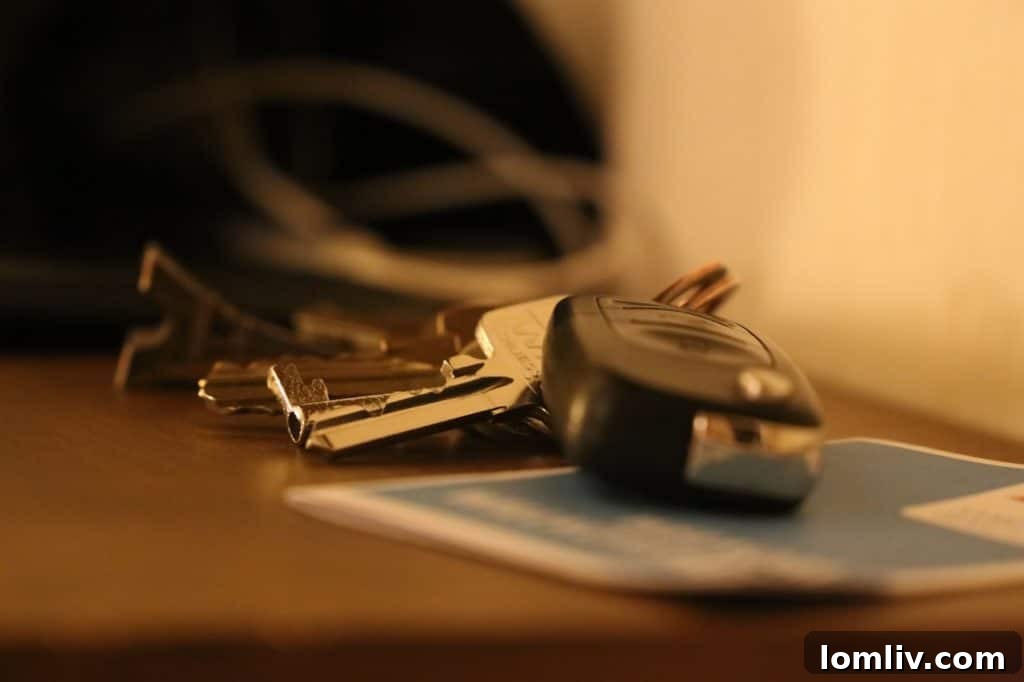
Spare keys to your home, shed, or vehicle should never be left out where a stranger can find them. A quickly copied key could compromise your security long after the sale is complete. Store all spare keys in a locked drawer or take them with you. For homeowners who own firearms, responsible storage is non-negotiable. All weapons, including handguns, rifles, antique swords, knives, bows, and arrows, must be kept in a concealed, locked environment that is inaccessible to others. Even common kitchen knife blocks should be put away during showings. The goal is to eliminate any potential for harm or theft related to weapons in your home.
Enhancing Physical Security and Awareness
Beyond securing personal items, several physical aspects of your home’s presentation can significantly impact its safety and security.
Smart Lighting and Automation
Proper lighting is a simple yet effective deterrent to crime. Utilize smart home lighting systems that can be controlled via an app, allowing you to turn lights on and off remotely, making your home appear occupied even when you’re away. If smart systems aren’t an option, invest in reliable timers and program them to activate lights at varying times throughout the evening. This creates a natural impression of activity, rather than a predictable pattern that can be observed by potential intruders. Outdoor lighting, especially motion-sensor lights, is also crucial for deterring nighttime exploration.
Reinforcing Windows and Doors
After open houses or private showings, always ensure that your Realtor thoroughly checks all windows and doors for proper locking. It’s surprisingly easy for someone to discreetly flip a window lock or leave a door slightly ajar for easier re-entry after dark. Have an explicit conversation with your real estate professional about this protocol, emphasizing its importance. Consider adding extra security measures like window alarms or reinforced door locks, especially if your home will be vacant for extended periods.
Landscape for Safety: Beyond Curb Appeal
Curb appeal enhances your home’s attractiveness, but it also plays a role in security. Trimming tall hedges and bushes, especially those near windows or doors, eliminates potential hiding spots for burglars. A well-maintained, open landscape not only makes your house show better but also increases visibility, making it less appealing for covert entry. Ensure pathways and entrances are well-lit and clear of obstructions.
Fragile or Irreplaceable Items
If you possess collections of valuable or sentimental items, such as antique porcelain, delicate figurines, or irreplaceable heirlooms, it’s wise to pack them away. While most visitors are respectful, accidents can happen, and a curious hand might inadvertently break something precious. Worse, a small, valuable item could be easily pocketed. If you love it and it’s fragile or irreplaceable, it’s best to secure it off-site or in a locked cabinet during the selling process.
Pet Safety and Modern Security Systems
Considering your furry family members and leveraging technology are key aspects of modern home security during a sale.
Prioritizing Pet Well-being During Showings
When your home is on the market, finding a safe and comfortable place for your pets during showings is imperative, not just for the ease of showing the house but primarily for their safety and well-being. Keeping pets contained or, ideally, out of the house during showings prevents them from escaping through open doors, reduces stress for the animal, and avoids potential allergic reactions or fears from potential buyers. However, there’s a valuable safety paradox: dogs are often considered the number one deterrent to burglary. While you should remove personal photos, consider leaving a small, tasteful photo of your dog in a prominent spot to subtly signal a canine presence, without revealing details about the pet itself.

Leveraging Modern Security Systems
In today’s connected world, security systems offer invaluable peace of mind. Invest in Wi-Fi-enabled security cameras and strategically place them at both front and back doors, as well as any other vulnerable entry points. Smart doorbells, such as Ring, have proven their worth daily, providing real-time alerts and video footage of anyone approaching your home. Consider internal cameras for common areas (disclose their presence if required by local laws or your agent), which can provide valuable evidence in case of an incident. These systems allow you to monitor your property remotely and can deter potential threats.
Protecting Your Home While Away
Even if you’re just away for a weekend, a vacant home presents unique vulnerabilities.
Temperature Control and Environmental Monitoring
For homes in regions with extreme weather, maintaining a consistent indoor climate is essential. A Wi-Fi-enabled thermostat allows you to monitor and adjust your home’s temperature remotely. This is especially crucial during winter months to prevent pipes from freezing and bursting, or in summer to ensure an optimal temperature for showings. Remote monitoring also gives you peace of mind that your heating or cooling system is functioning correctly, protecting your property from environmental damage.
Vigilance for Vacant or Staged Homes
If you’ve already moved out and your property is vacant or professionally staged, communication with your neighbors is vital. Inform them that your house is on the market and that you’ve moved. Provide them with the name of your staging company and the expected de-staging date. Any furniture movement or unusual activity on your property before that date should be a red flag. Encourage neighbors to immediately contact the police if they observe anything suspicious or out of the ordinary, ensuring an extra layer of community watch over your empty home.
Partnering with Your Real Estate Agent for Safety
Your real estate agent is your primary partner in the home-selling process, and their role in ensuring safety cannot be overstated.
Before you list your home, have an open and detailed discussion with your agent about their safety protocols. Inquire about their procedures for vetting potential buyers, their presence during showings and open houses, and how they manage access to your home. A good agent will always accompany potential buyers, never leave them unsupervised, and verify their identity. They should also be your point of contact for any security concerns or incidents. Establish a clear communication plan regarding locking up after showings, feedback on visitor behavior, and reporting any suspicious activities. Your agent is an invaluable resource in creating a secure selling environment.
Conclusion
Selling your home is an exciting journey, but it requires a proactive approach to security and personal privacy. By following these comprehensive safety tips—from safeguarding your identity and securing valuables to utilizing smart home technology and collaborating closely with your real estate agent—you can significantly minimize risks. Taking these precautions not only protects your assets and information but also provides invaluable peace of mind throughout the entire selling process. Stay vigilant, prepare thoroughly, and ensure your home selling experience is both successful and safe.
Karen Eubank is the owner of Eubank Staging and Design. She has been an award-winning professional home stager and writer for over 25 years. Karen teaches the popular Staging to Sell class and is the creator of the online course, The Beginners Guide to Buying Wholesale. Her love of dogs, international travel, history, white paint, champagne, artificial turf, and Tudor and Midcentury Modern homes, and any house designed by Clifford Hutsell knows no bounds. Her father was a spy, so she keeps secrets very well! Find Karen at www.eubankstaging.com