Preserving Dallas’s Soul: The Urgent Call to Protect Our Historic Architectural Treasures
Dallas is a dynamic metropolis, constantly evolving and building towards the future. Yet, beneath its gleaming skyscrapers and modern developments lies a rich tapestry of history, woven into the very fabric of its older homes and iconic buildings. These structures are more than just bricks and mortar; they are tangible links to our past, echoing the stories of the people, visionaries, and events that shaped this great city. Unfortunately, in the relentless march of progress, many of these invaluable historic properties face an uncertain future, often succumbing to demolition rather than being embraced for their inherent cultural and architectural significance.
The threat to Dallas’s architectural heritage is a persistent challenge, necessitating proactive efforts to safeguard these irreplaceable assets. Recognizing this urgent need, Preservation Dallas, a dedicated non-profit organization, champions the cause of protecting the city’s built heritage. Each year, they compile and release the highly anticipated Most Endangered Historic Places List. This critical initiative serves to spotlight sites that are profoundly meaningful to Dallas’s identity and are too vital to be lost forever.
David Preziosi, the executive director at Preservation Dallas, elaborated on the origins and ongoing importance of this list. “We started the list in 2004 and ran it until 2010, skipping 2009. We then brought it back in 2015,” Preziosi explained. “The fundamental purpose is to raise public awareness about the severe threats many of our historic places are currently confronting. The process involves collecting nominations from the community, which are then meticulously reviewed by an expert jury. This jury carefully selects the properties that will comprise the new list for the upcoming year.” This rigorous selection process ensures that only the most vulnerable and significant sites receive the heightened attention they desperately need.
As Dallas continues its rapid expansion, the pressure on historic properties intensifies. The annual Endangered List acts as a vital tool, urging Dallasites to look beyond the contemporary and appreciate the profound value embedded within their historical surroundings. Nominations for the highly anticipated 2016 list were due, with the public eager to see which beloved homes and significant buildings would be highlighted, underscoring the ongoing battle to balance growth with preservation.
Why Dallas’s Historic Places Matter: More Than Just Old Buildings
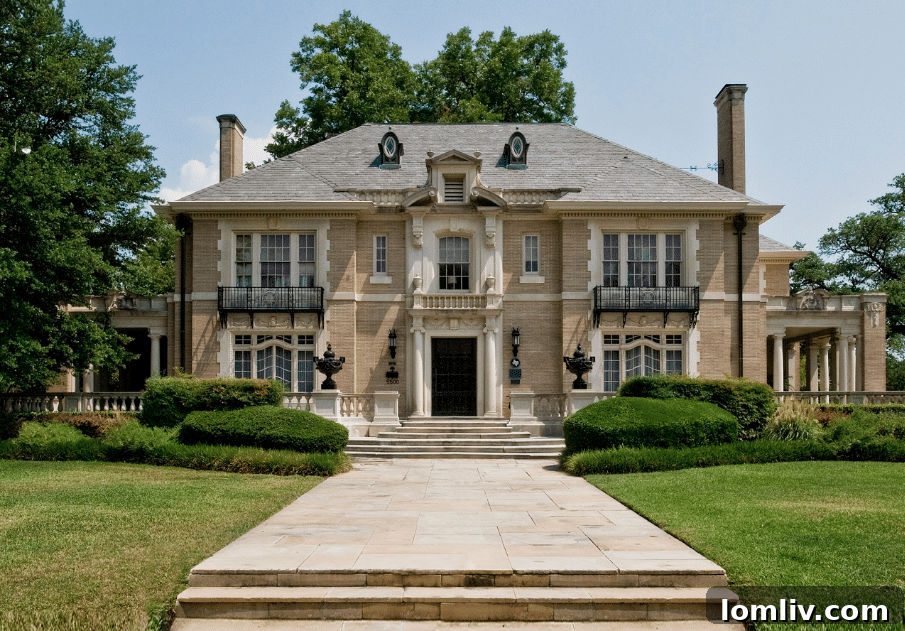
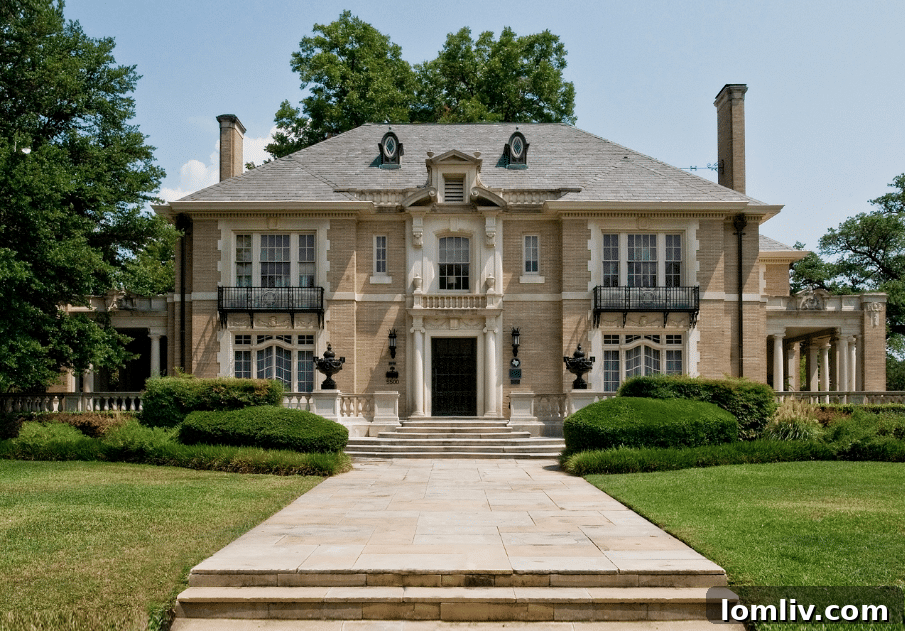
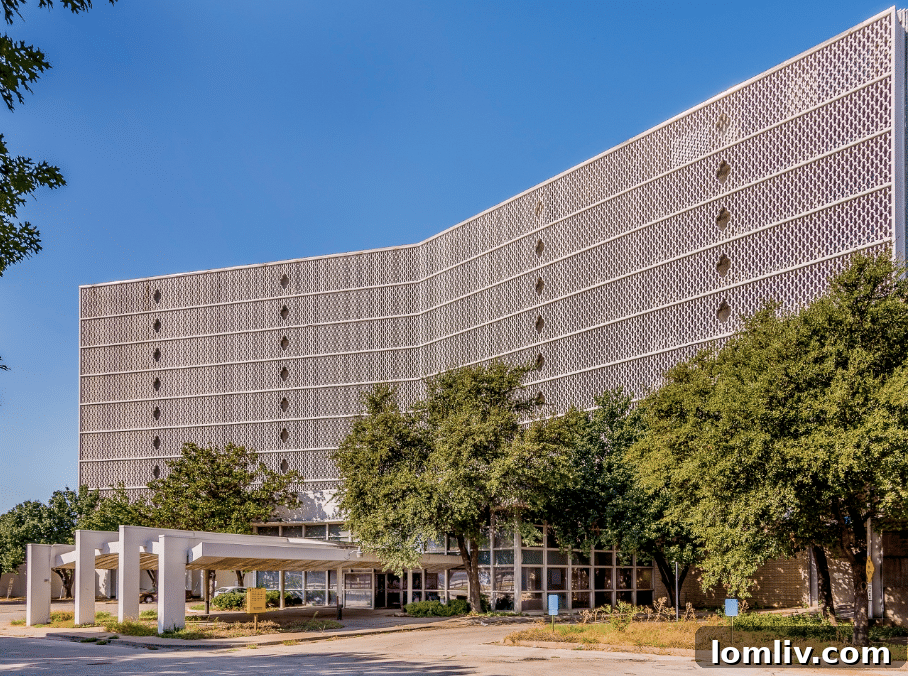
Structures like the stately Aldredge House, nestled within the city’s first residential historic district, and the iconic mid-century modern Cabana Hotel are not merely old buildings; they are invaluable and irreplaceable community assets. They are eloquent storytellers, chronicling the rich narrative of Dallas’s growth and development from its nascent stages to its modern prominence. The Aldredge House, for instance, offers a glimpse into early Dallas high society and domestic life, embodying the architectural elegance of its era. Similarly, the Cabana Hotel, conceived by visionary developer Jay Sarno (the genius behind Las Vegas’s Caesar’s Palace and Circus Circus), represents a significant chapter in Dallas’s hospitality industry and stands as a testament to post-war American design and optimism.
Preservation Dallas underscores that their list recognizes the multitude of significant properties that collectively define our diverse neighborhoods. These buildings reflect the lives and legacies of influential community leaders, pioneering architects, skilled builders, and the countless families who proudly called Dallas their home. Beyond individual stories, the list draws crucial attention to the inherent value of the city’s distinctive architectural styles and building types. It highlights residential, commercial, and educational architecture that is rapidly disappearing, facing constant threats from neglect, economic pressures, and redevelopment. These endangered places are intrinsically tied to their respective neighborhoods and communities, serving as vital anchors to their unique identities and collective memories.
The Educational Imperative and the Cost of Inaction
Donovan Westover, the events and development coordinator at Preservation Dallas, passionately articulated the profound educational impact of the Most Endangered List. “The true value of the Most Endangered List lies in its ability to educate the public,” Westover stated. “Dallas, a city perpetually reinventing itself, frequently prioritizes the shiny, the modern, and the new, often looking past its own rich history. Our list is designed to bring historically significant—not just merely old—buildings into sharp focus and public purview. It is absolutely crucial for Dallas to avoid referring to our built past in the past tense, as if it no longer exists or matters. Unfortunately, the tangible consequences of failing to act are starkly evident: the 2016 list, for instance, will tragically not include the Mayrath House, which was most recently demolished despite advocacy efforts.” The loss of the Mayrath House serves as a somber reminder of the urgency behind Preservation Dallas’s mission and the irreversible nature of demolition.
The demolition of a historic building represents more than just the removal of a physical structure; it signifies the erasure of a piece of collective memory, a chapter in the city’s story. These irreplaceable buildings offer unique insights into the evolution of design, construction techniques, and the social fabric of their times. Preserving them provides a sense of continuity, allowing present and future generations to physically connect with Dallas’s rich heritage. It also fosters community pride and a deeper understanding of the forces that shaped the urban landscape we inhabit today.
Beyond Nostalgia: The Tangible Benefits of Historic Preservation
The arguments for historic preservation extend far beyond mere sentimentality. There are substantial economic, environmental, and cultural benefits that contribute directly to the health and vitality of a city. Economically, historic preservation is a powerful catalyst for revitalization. It can spur local investment, create jobs in specialized trades (restoration, craftsmanship), and significantly increase property values in historic districts. Heritage tourism, driven by unique historic sites and charming old neighborhoods, can also generate substantial revenue for local businesses, from boutique shops to restaurants and hotels.
Environmentally, preserving and adaptively reusing existing buildings is inherently sustainable. It reduces the demand for new construction materials, thereby conserving natural resources and minimizing landfill waste. It also decreases the energy required for manufacturing and transporting new materials, contributing to a lower carbon footprint. Culturally, these buildings offer unique character and charm that modern developments often lack, preventing the homogenization of urban environments and maintaining Dallas’s distinctive identity.
How You Can Contribute to Dallas’s Preservation Efforts
The annual Most Endangered Historic Places List is a powerful tool, but its effectiveness relies heavily on community engagement and awareness. Citizens of Dallas play a critical role in identifying properties at risk and bringing them to the attention of Preservation Dallas. Your insight into your neighborhood’s treasures could be the crucial factor in saving a significant building from the wrecking ball.
If you know of a historic home, commercial building, or other structure in Dallas that is significant but facing an imminent threat – be it neglect, development pressure, or scheduled demolition – your nomination could make a world of difference. Preservation Dallas encourages all community members to participate in this vital process. To submit a nomination for future lists, or to learn more about the criteria, you can download the official form HERE. For the 2016 list, the deadline for submissions was August 5th, with the official announcement scheduled for mid-September.
Supporting Preservation Dallas through membership, donations, or volunteering is another impactful way to contribute. Their work goes beyond just compiling lists; they engage in advocacy, offer educational programs, and provide resources to property owners and developers interested in sensitive rehabilitation. By working together, the community can ensure that Dallas grows thoughtfully, integrating its rich past with its promising future.
Conclusion: A Legacy Worth Protecting
Dallas’s story is still being written, and how we choose to treat our historic structures will profoundly influence future chapters. The Most Endangered Historic Places List by Preservation Dallas is a compelling reminder that our city’s heritage is fragile but immensely valuable. It calls upon every resident to recognize the beauty, history, and intrinsic value of our architectural legacy. By championing preservation, we not only save remarkable buildings but also safeguard the very soul of Dallas, ensuring that its unique character, diverse narratives, and tangible links to the past endure for generations to come. Let us ensure that Dallas’s built past is never spoken of in the past tense, but rather celebrated as a living, breathing testament to its enduring spirit.