By Donovan Westover
Special Contributor
In the heart of Dallas, a true architectural masterpiece has emerged on the market, captivating enthusiasts of design and luxury alike. The Grady Vaughn House, a seminal midcentury modern residence, once the cherished family home of the late Dallas developer Allan Zidell since 1971, is now available, representing a rare opportunity to own a piece of American architectural history. More than just a house, it stands as one of the most significant midcentury masterpieces, not only within Dallas’s vibrant landscape but across the entire nation.
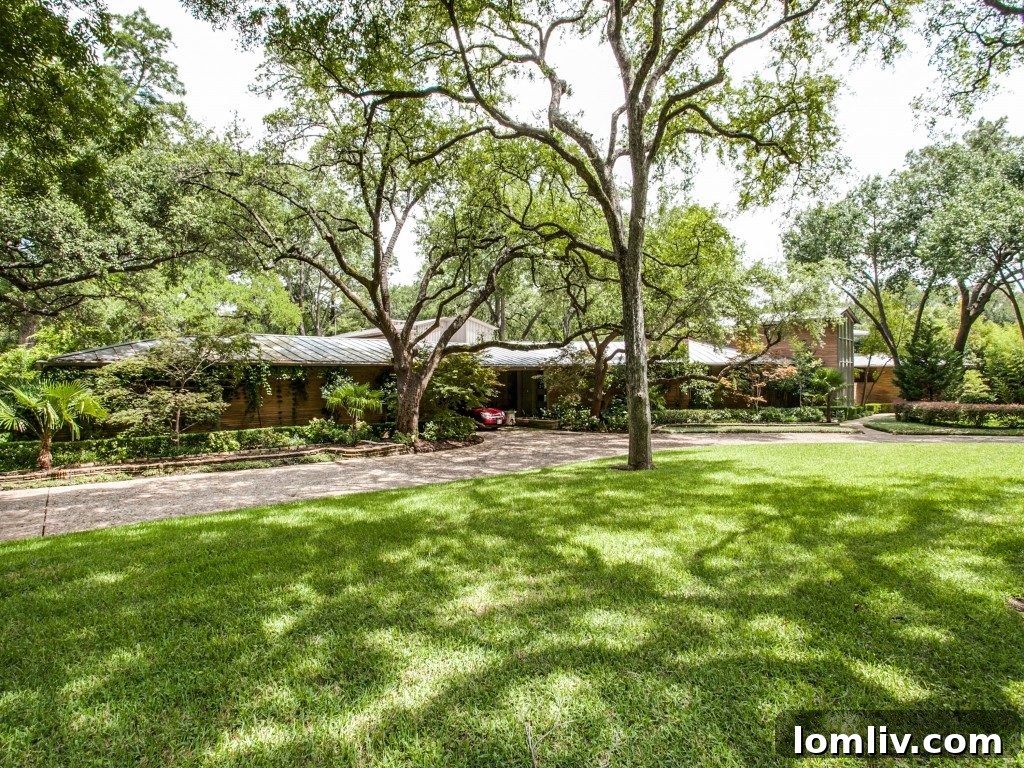
Nestled within the prestigious enclave of Preston Hollow at 5350 South Dentwood Drive, this imposing estate spans an unusually lush, wooded, and waterfront-ed 1.36-acre parcel. Built with an extraordinary commitment to durability and craftsmanship, featuring robust maple studs that give it the feel of a fortress, the property offers unparalleled privacy and natural beauty. Its prime location places it directly across from the former Dallas mayor Laura Miller and former Texas state representative Steve Wolens, underscoring its distinguished address.
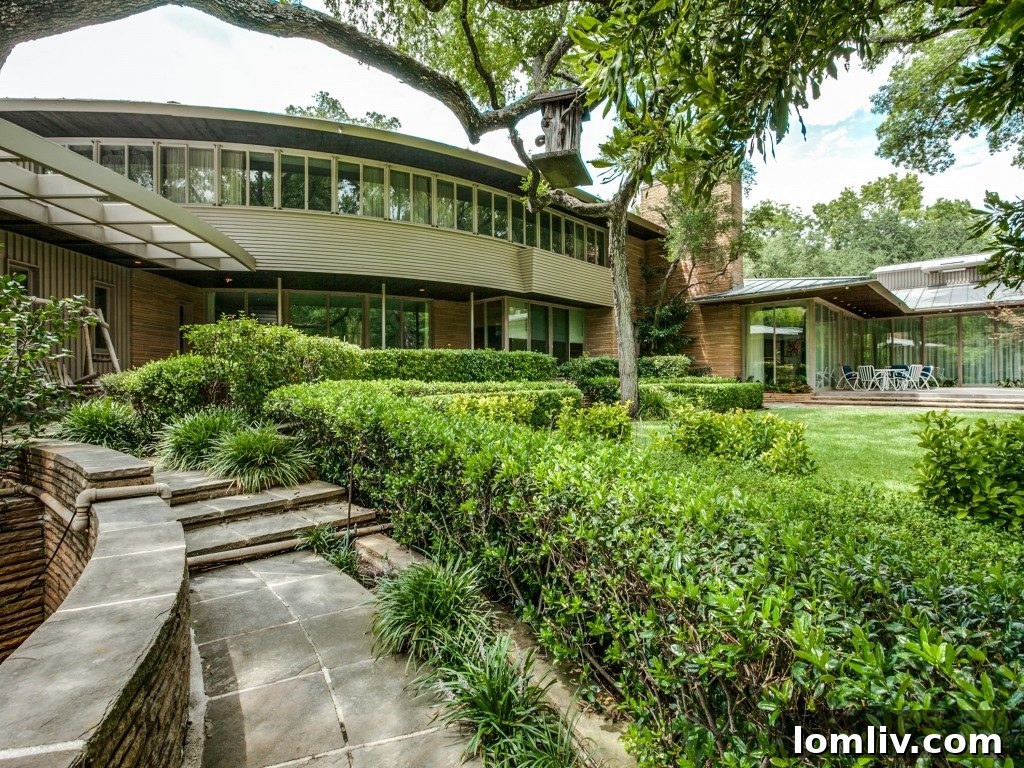
A Vision Born in 1951: The Architectural Genesis of the Grady Vaughn House
The story of the Grady Vaughn House begins in 1951, a pivotal era when Dallas was gradually embracing the burgeoning midcentury modern design movement. It was then that oilman Grady Vaughn, a man of considerable vision and means, commissioned the esteemed architect Robert Goodwin of Goodwin & Cavitt to design his dream waterfront residence. This ambitious project was destined for what we now recognize as the highly coveted area of Preston Hollow, a neighborhood synonymous with luxury and exclusivity.
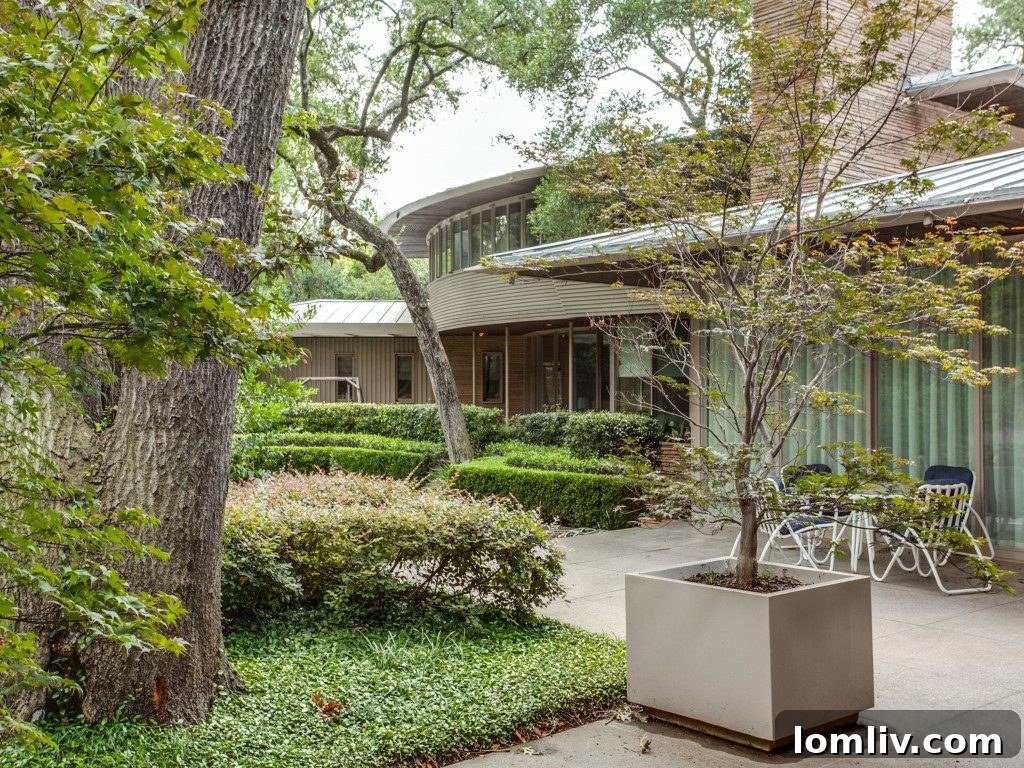
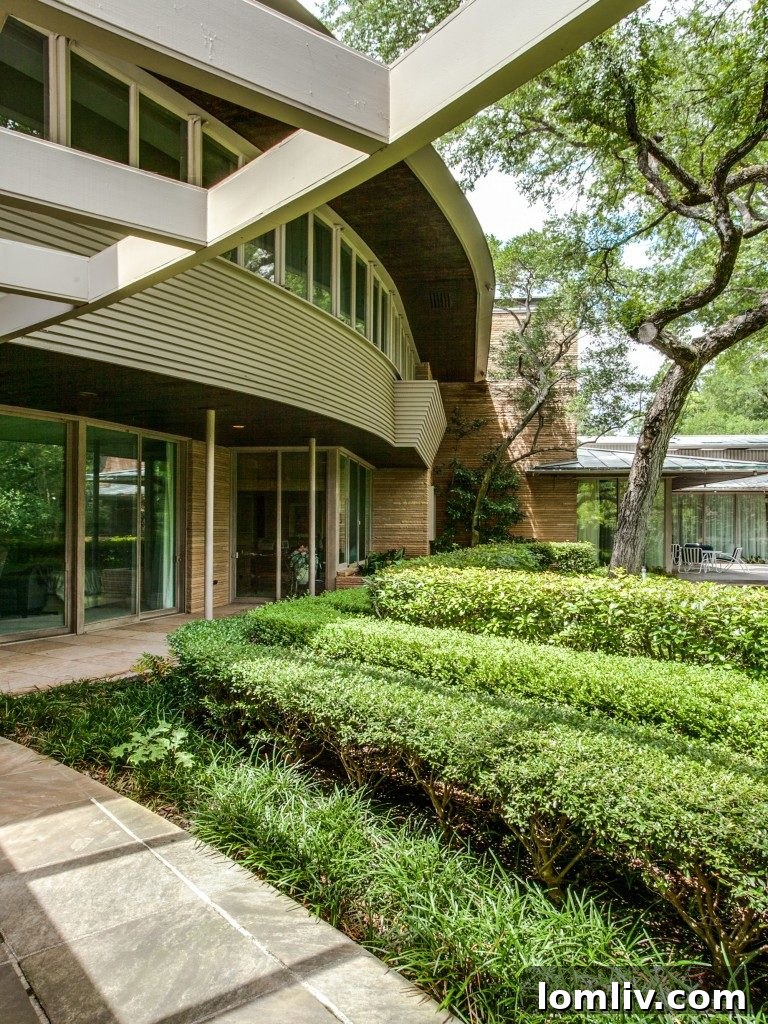
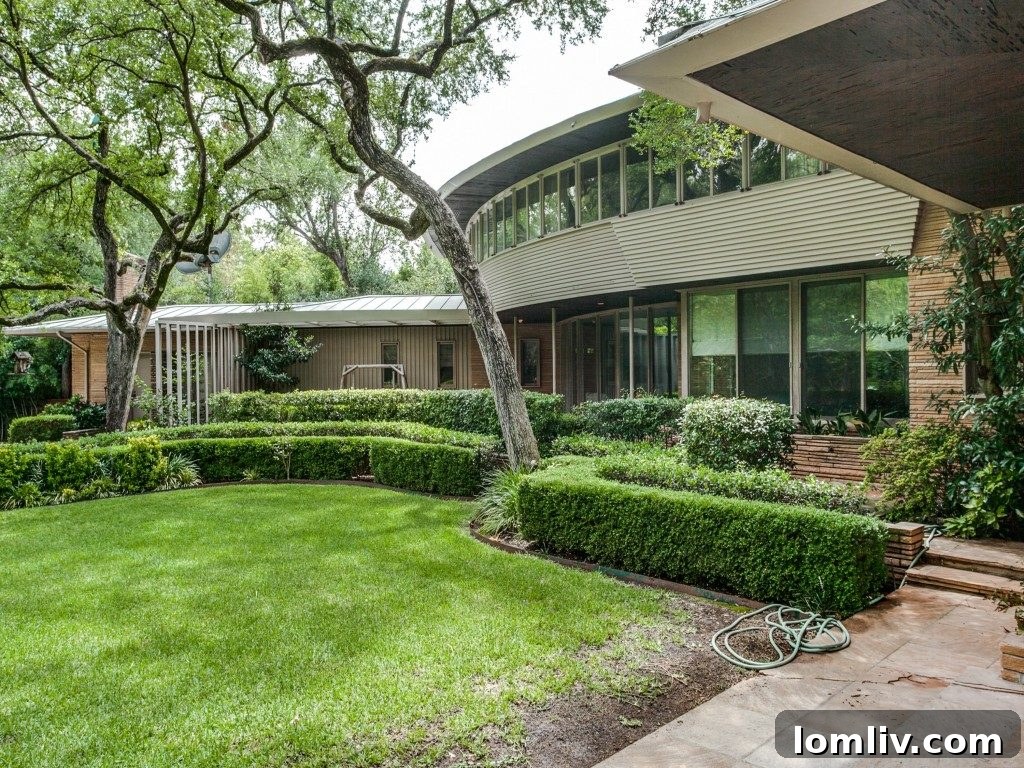
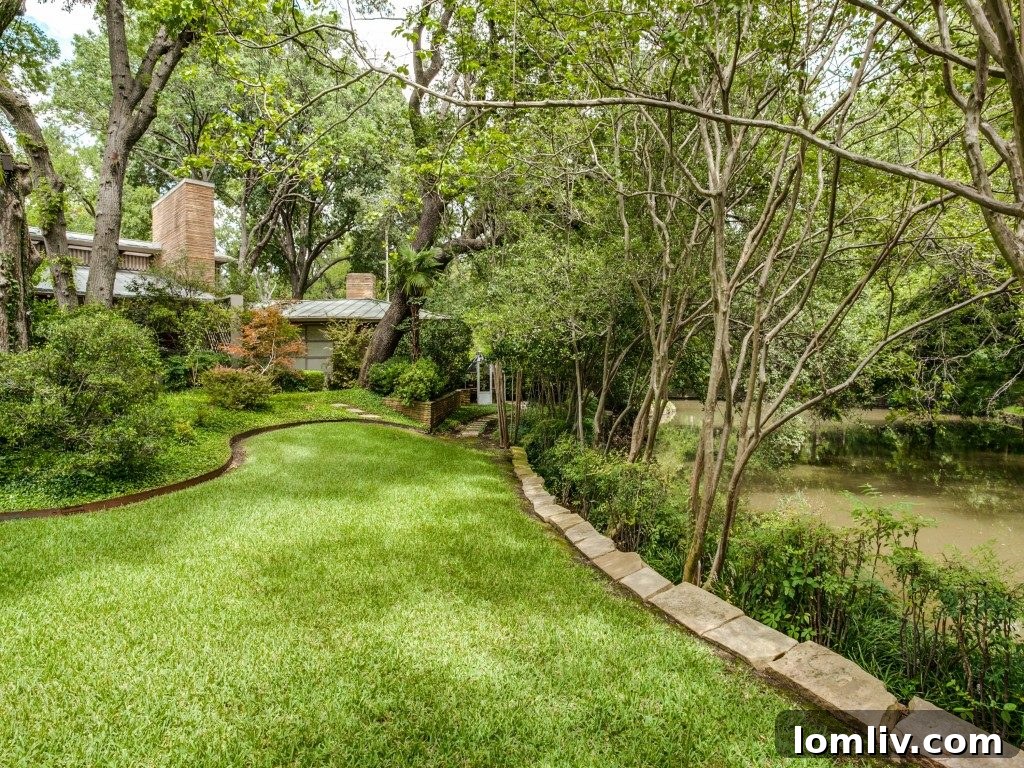
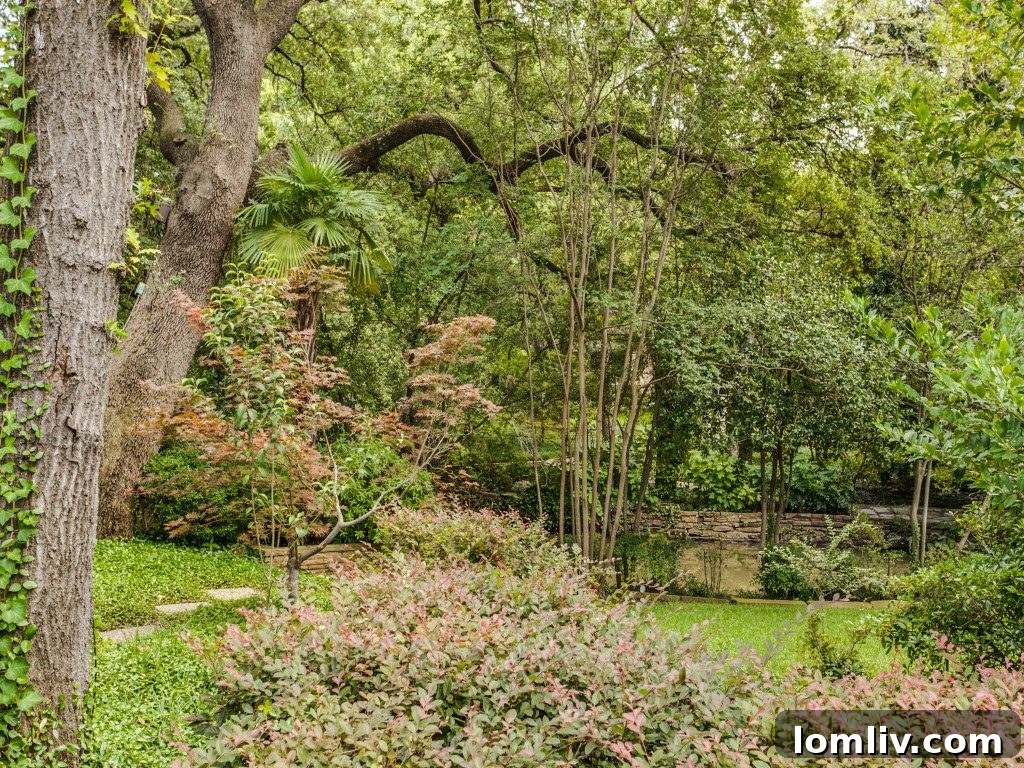
Insights gleaned from a recent conversation with Grady Vaughn Jr. reveal the intricate planning behind this sprawling 9,500-plus-square-foot home, which boasts an impressive nine-and-a-half bathrooms. The residence was meticulously conceived to snake gracefully throughout its lush property, harmoniously coexisting with its natural surroundings. It meanders alongside a tranquil pond, fed by the Straight Branch tributary, artfully weaving through and around the site’s original mature trees. This deep respect for the existing topography, a hallmark of Goodwin’s design philosophy, creates an intense, inherent connection between the built structure and its landscape, a sensation palpable to anyone who walks the grounds of the Vaughn House.
Midcentury Modern Principles Unveiled
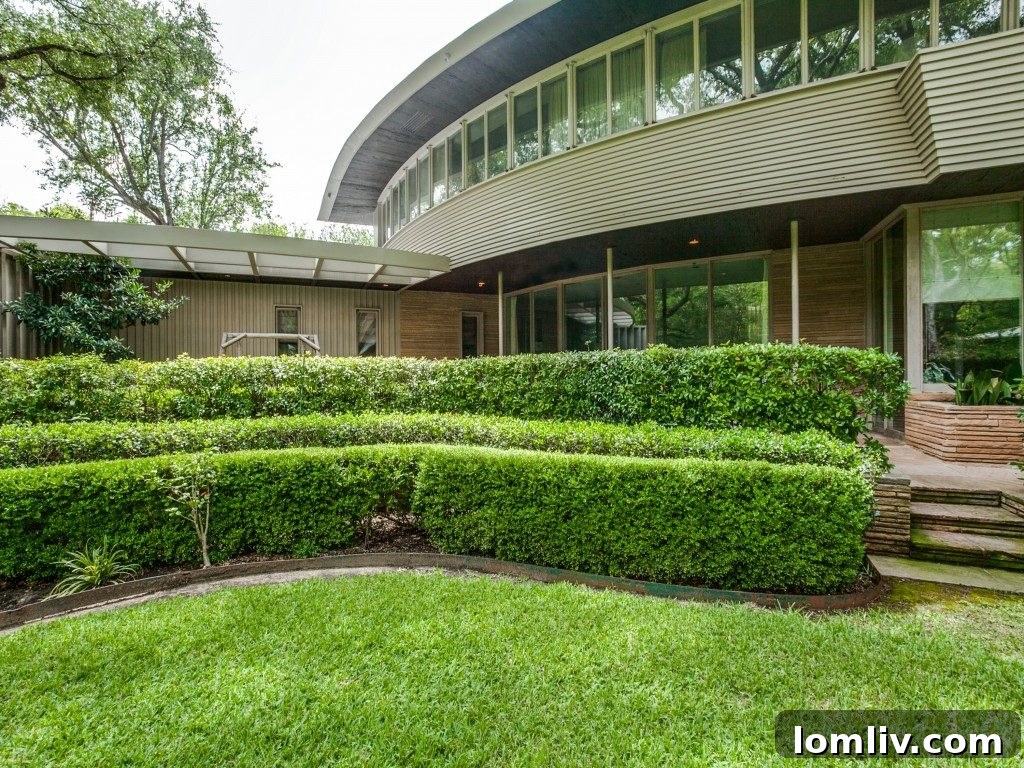
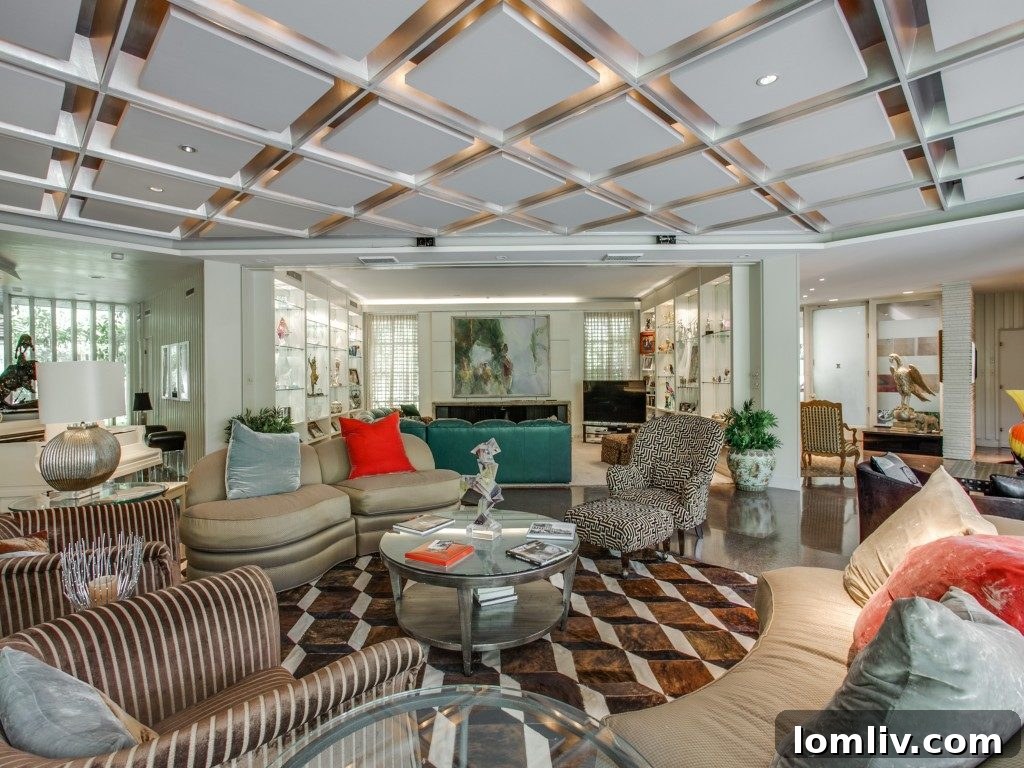
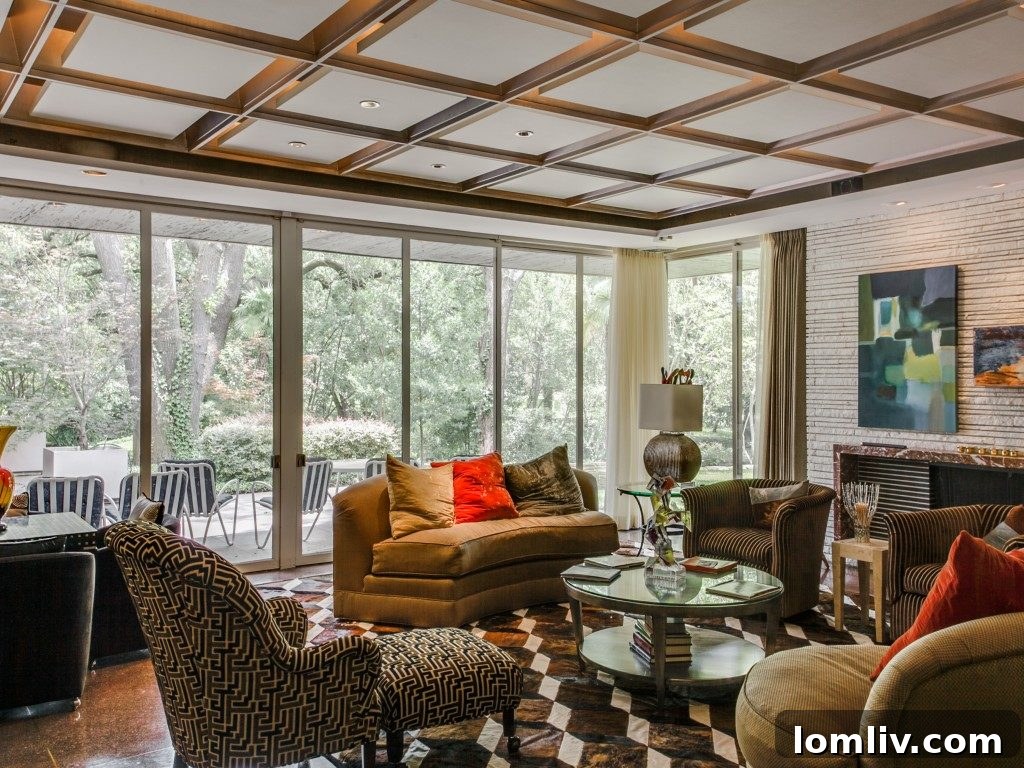
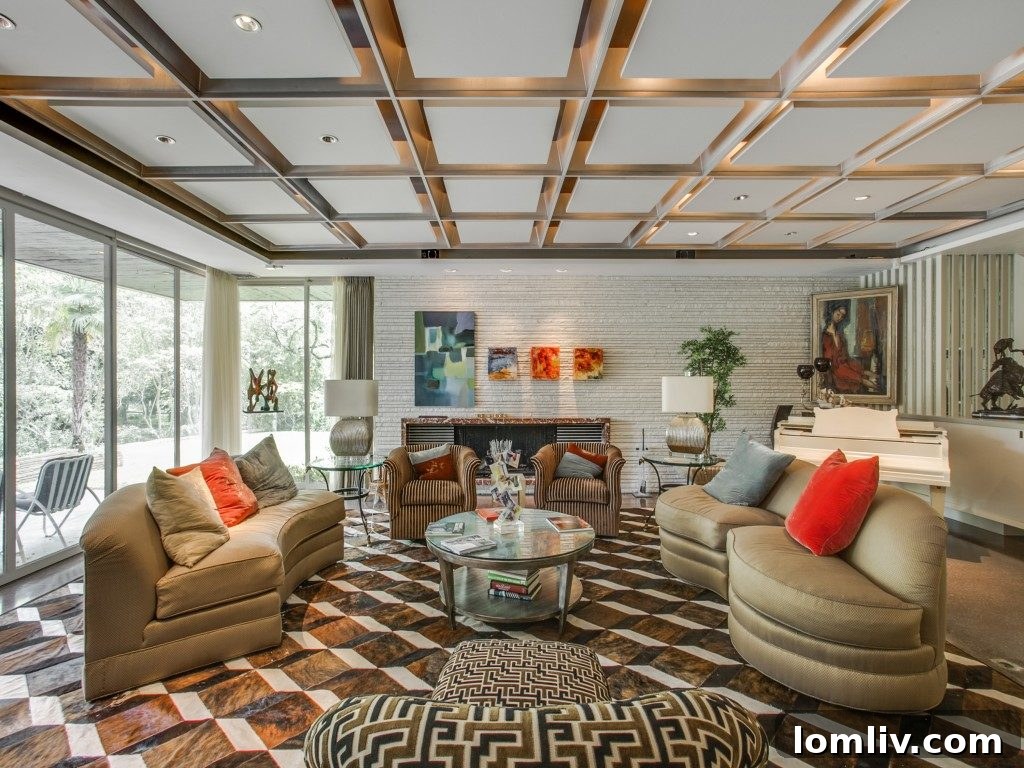
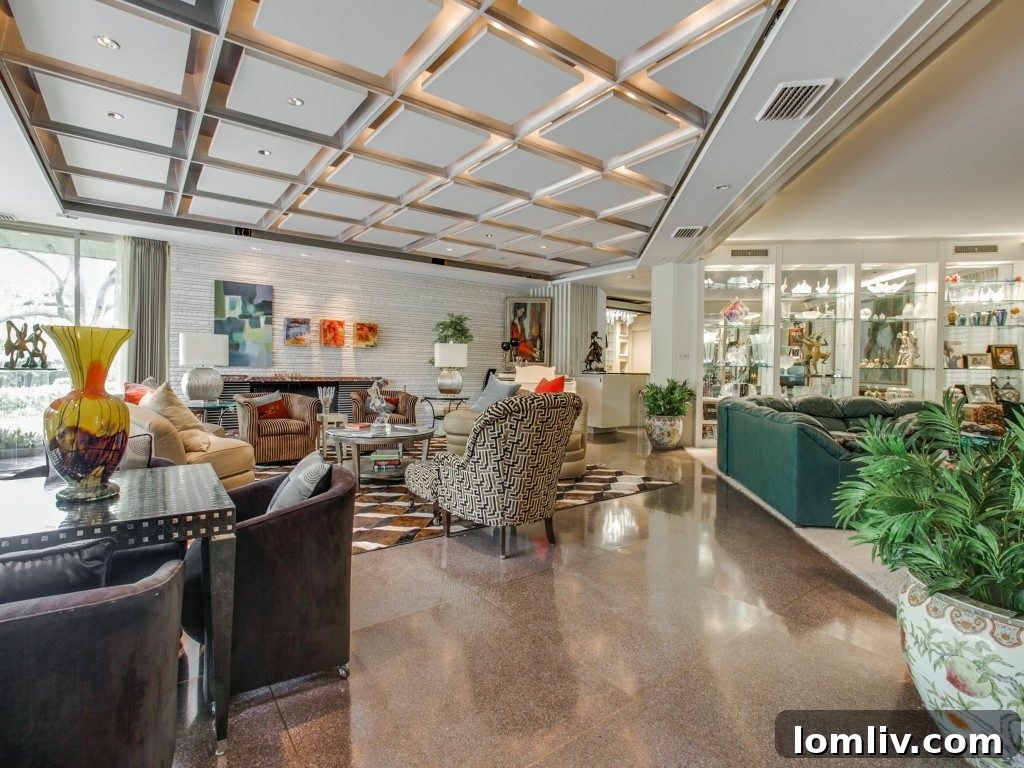
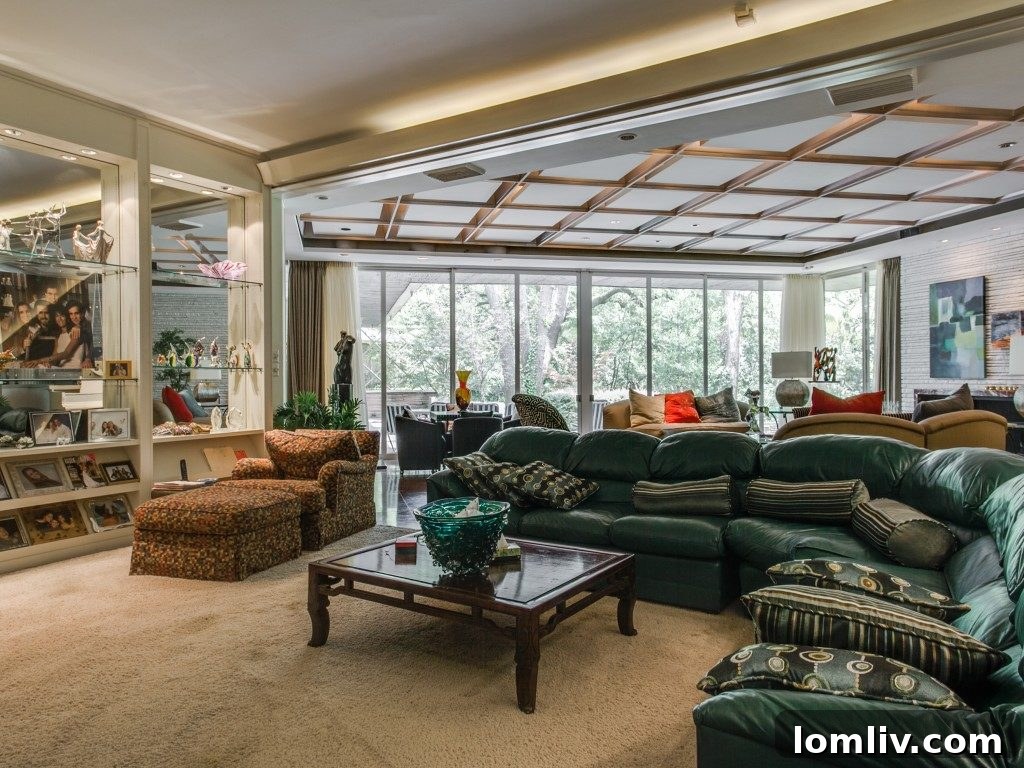
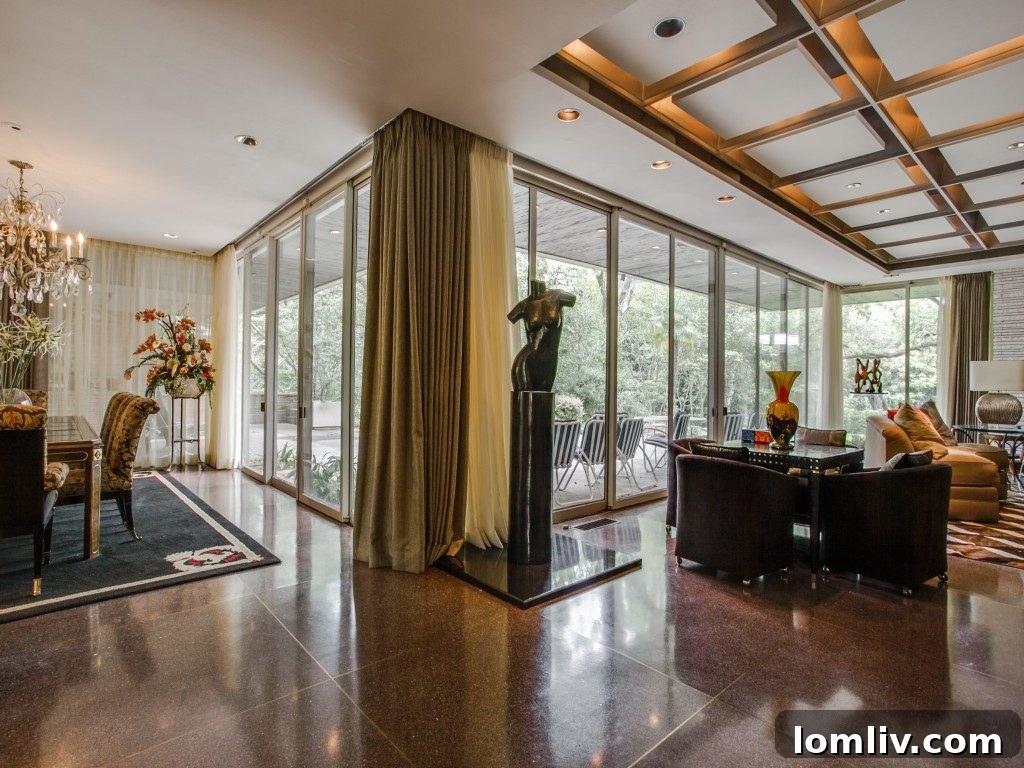
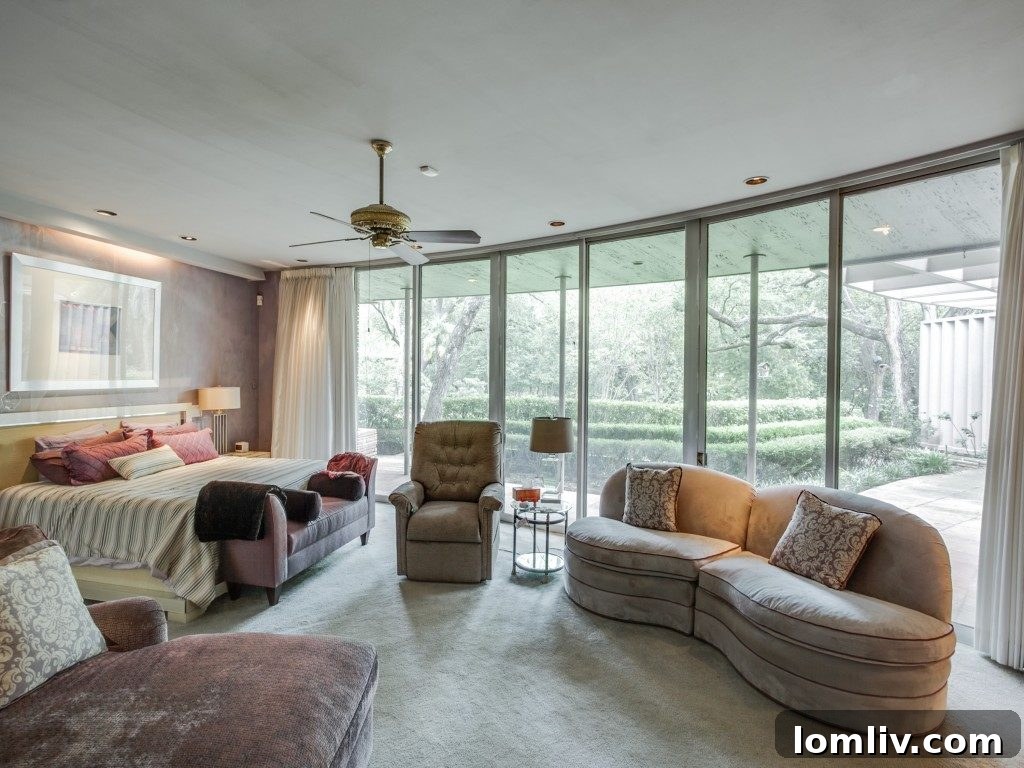
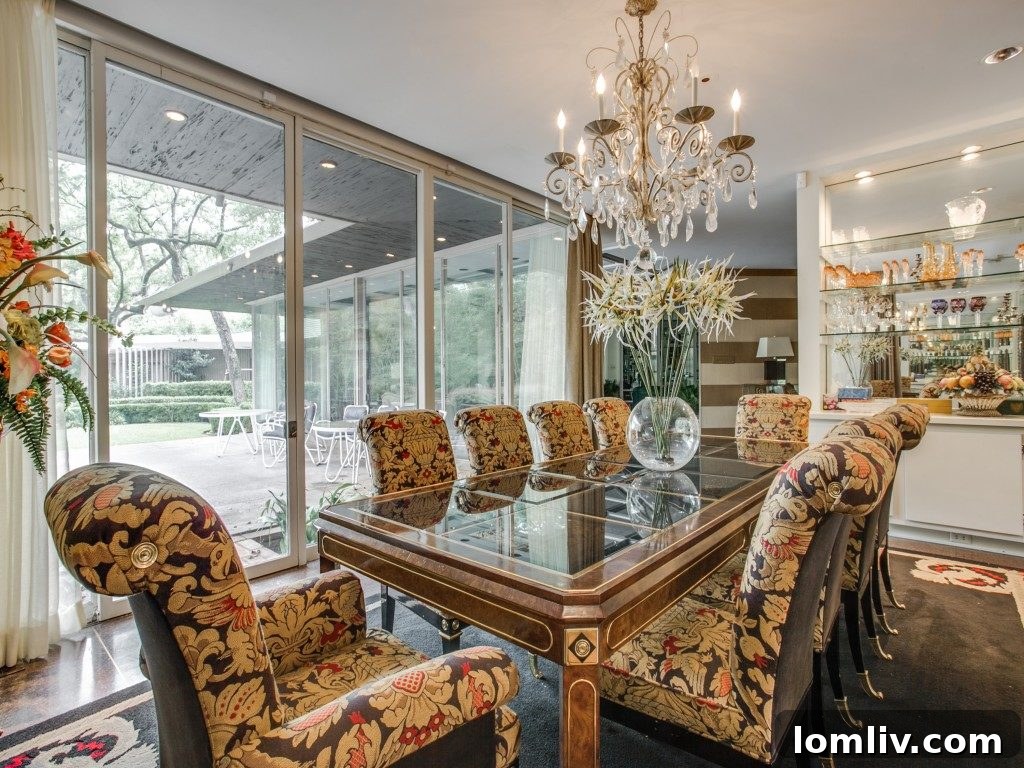
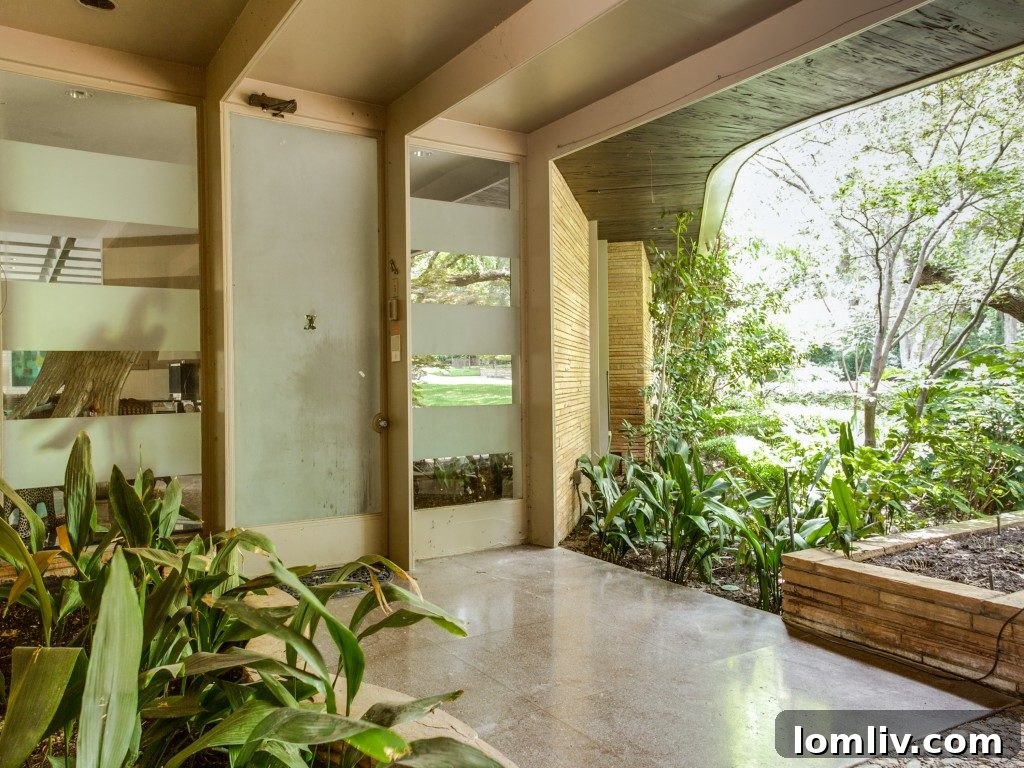
Midcentury modern architecture is celebrated for its revolutionary embrace of open floor plans, a departure from more rigid traditional layouts. This fluidity was largely facilitated by innovative post-and-beam construction, which allowed for expansive, unencumbered interior spaces and a deliberate invitation of the outdoors inside. The Grady Vaughn House perfectly embodies these foundational guidelines, featuring extensive ground-floor glass panels that slide open to create massive, oversized doorways. These aren’t merely windows; some sections are entirely transparent walls, blurring the lines between indoor comfort and outdoor serenity. Smaller sections ingeniously function as window pocket doors, disappearing completely from sight to offer a flawless transition, reminiscent of the iconic Camp House at the Dallas Arboretum.
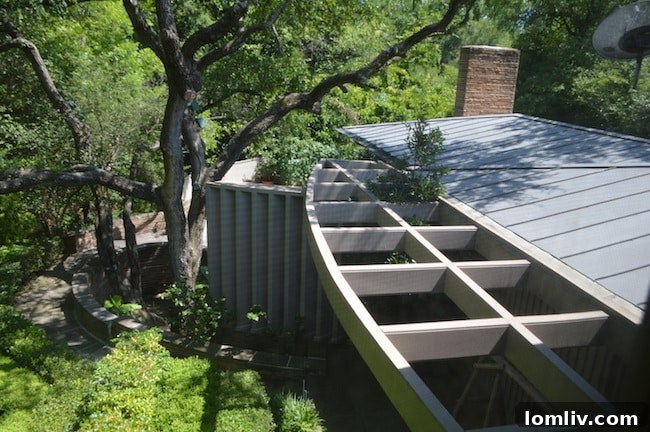
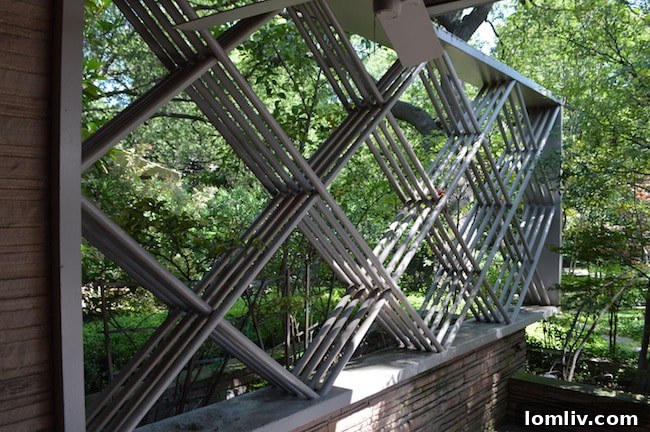
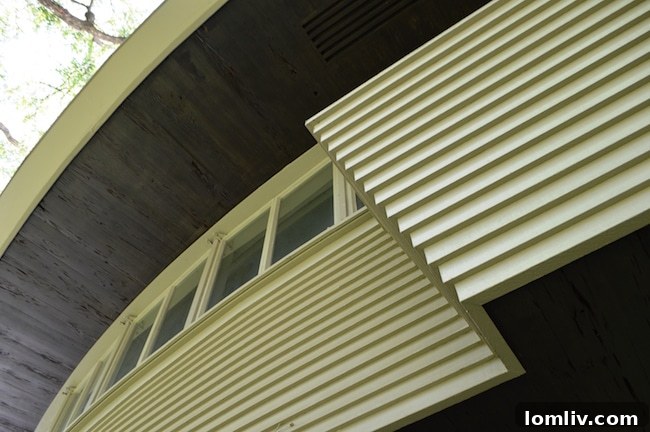
Distinctive Design Elements and Craftsmanship
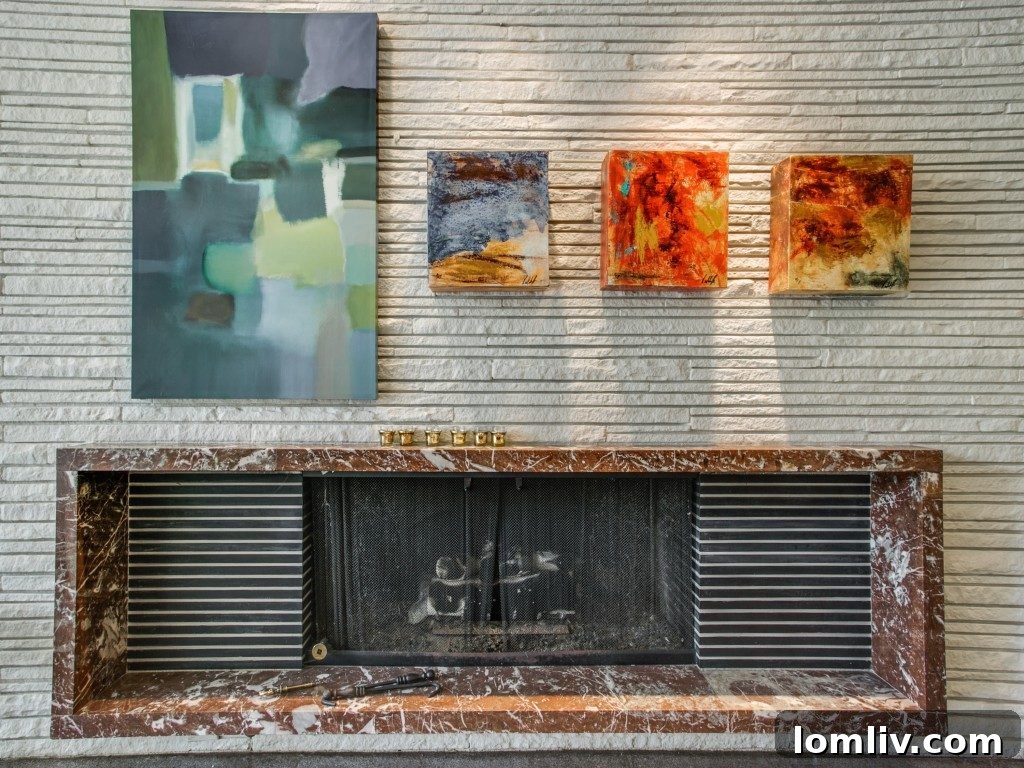
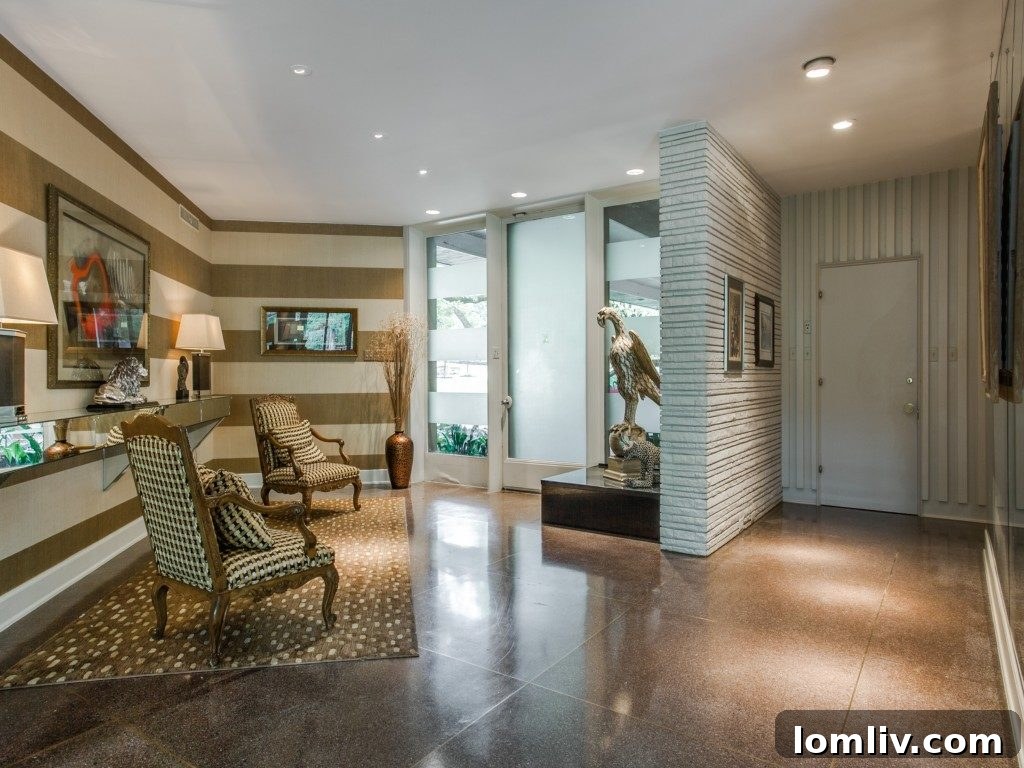
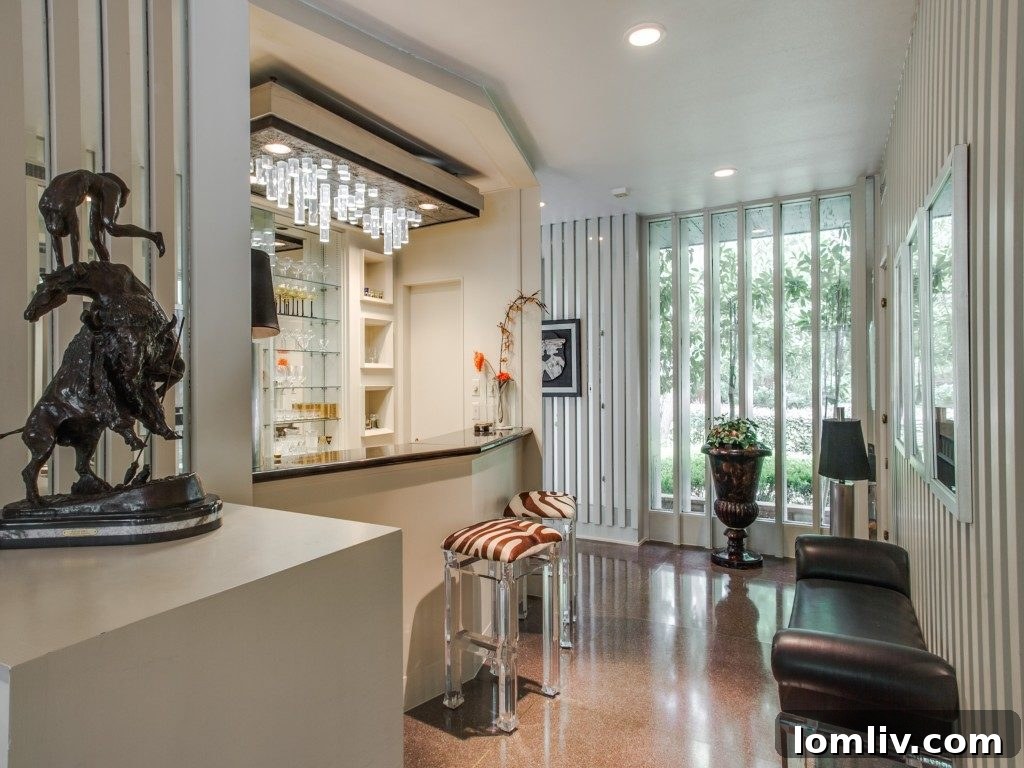
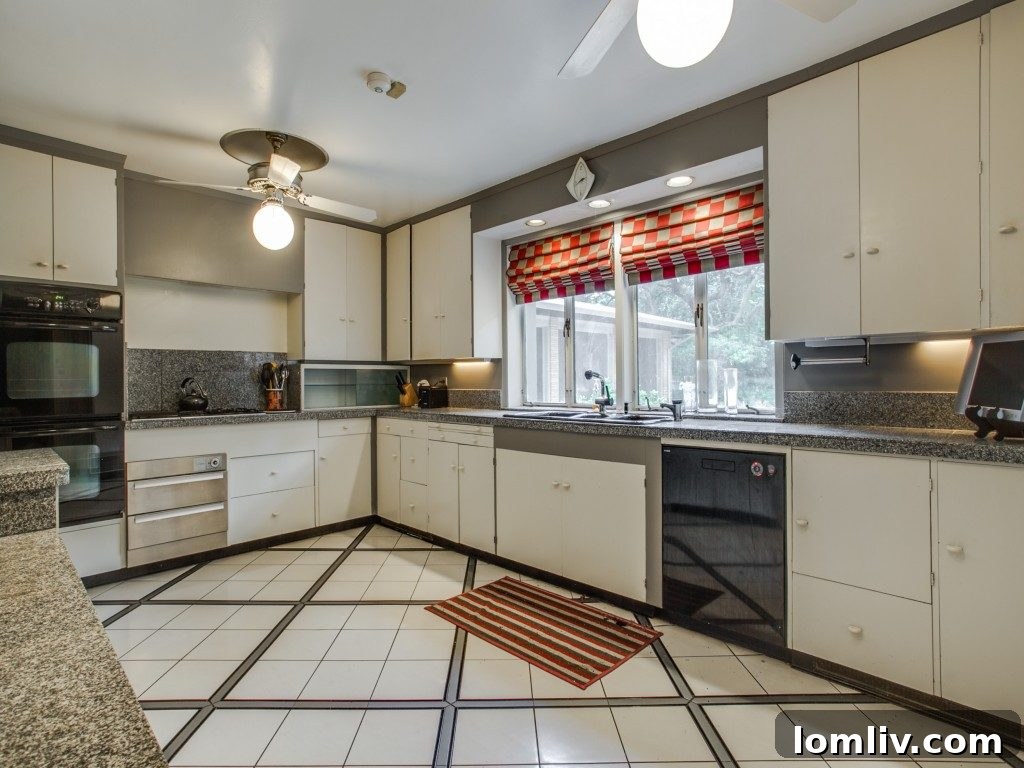
Beyond its spatial innovations, the Grady Vaughn House also showcases another characteristic trait of midcentury modern design: a subtle yet pervasive influence of Asian aesthetics. This is evident in various meticulously crafted details throughout the home, from the elegant simplicity of cabinetry handles and pulls to the artistic fireplace surrounds, the deep, textured pecky Cypress soffits, and the tranquil privacy courtyards. These elements collectively contribute to an atmosphere of refined sophistication and serene beauty. Moreover, the enduring allure of brass is highlighted through its extensive use, particularly in the miles of intricate Terrazzo floor inlay and the durable, yet beautiful, door hardware. These brass accents are a testament to the era’s commitment to quality materials and timeless design.
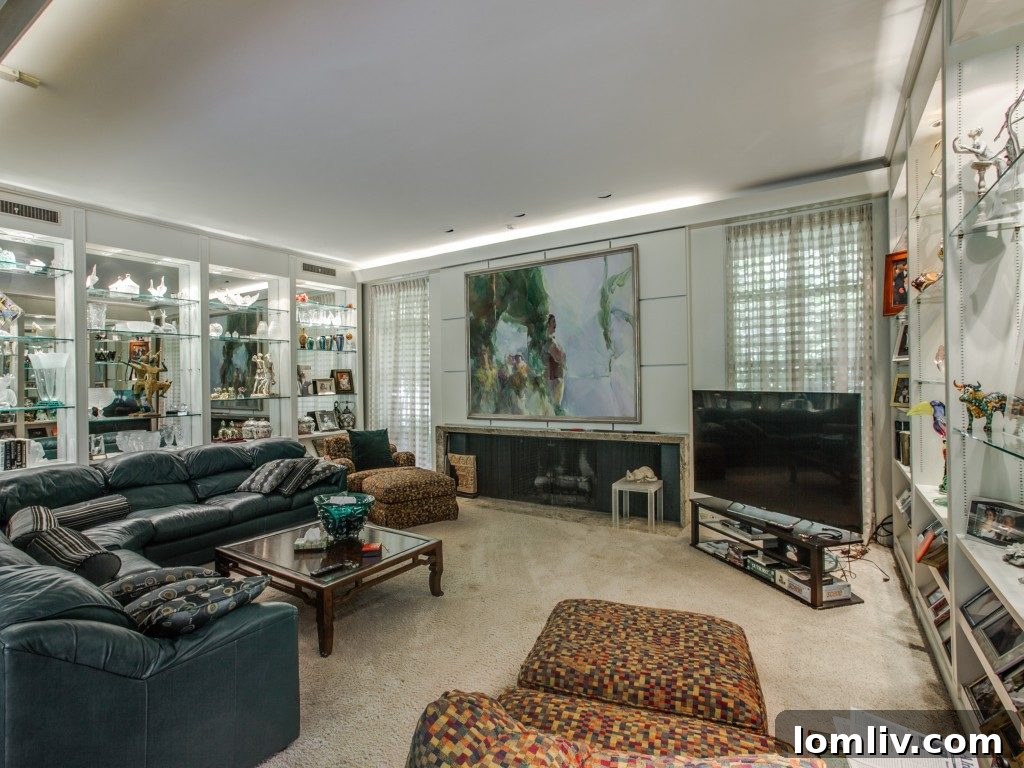
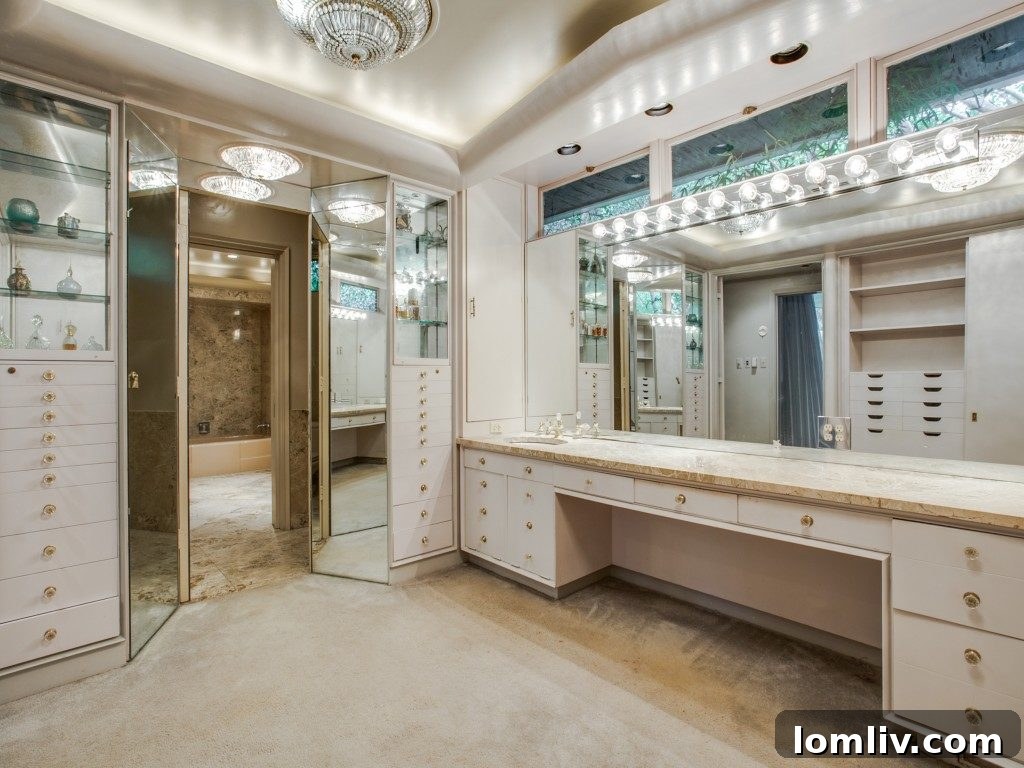
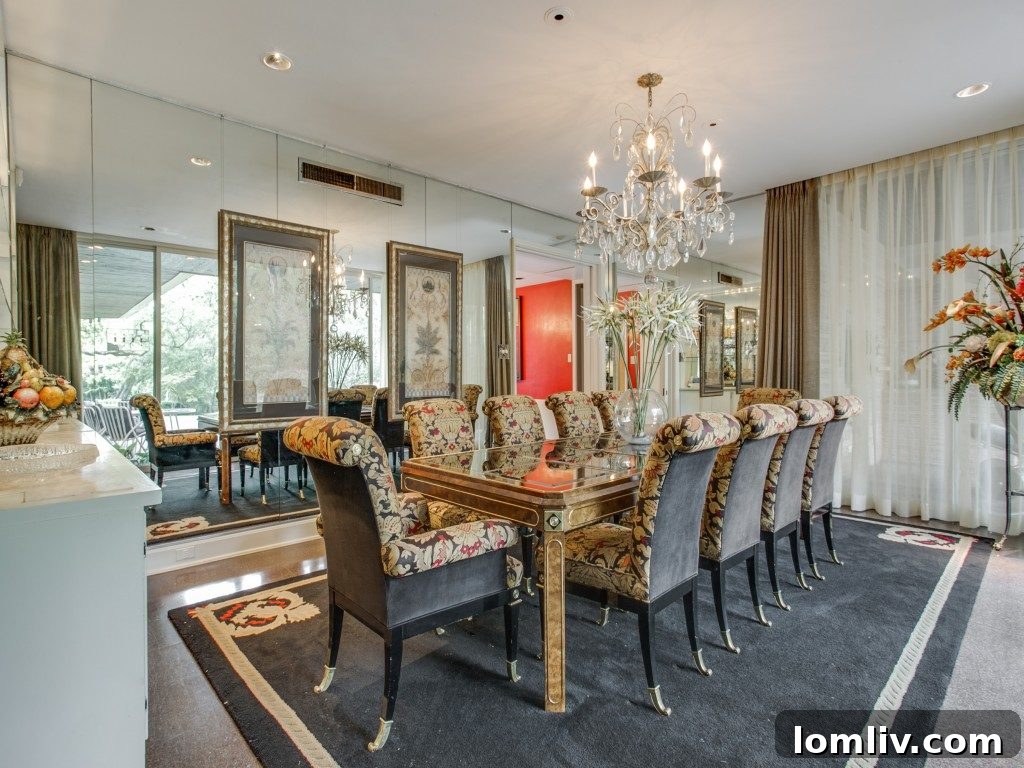
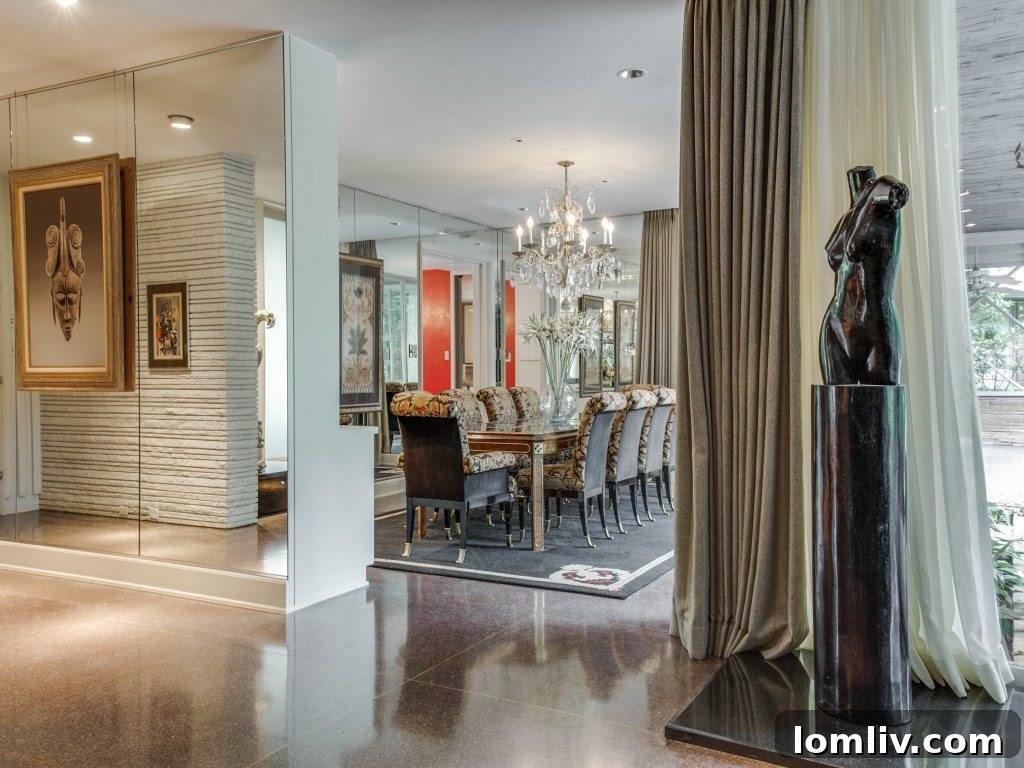
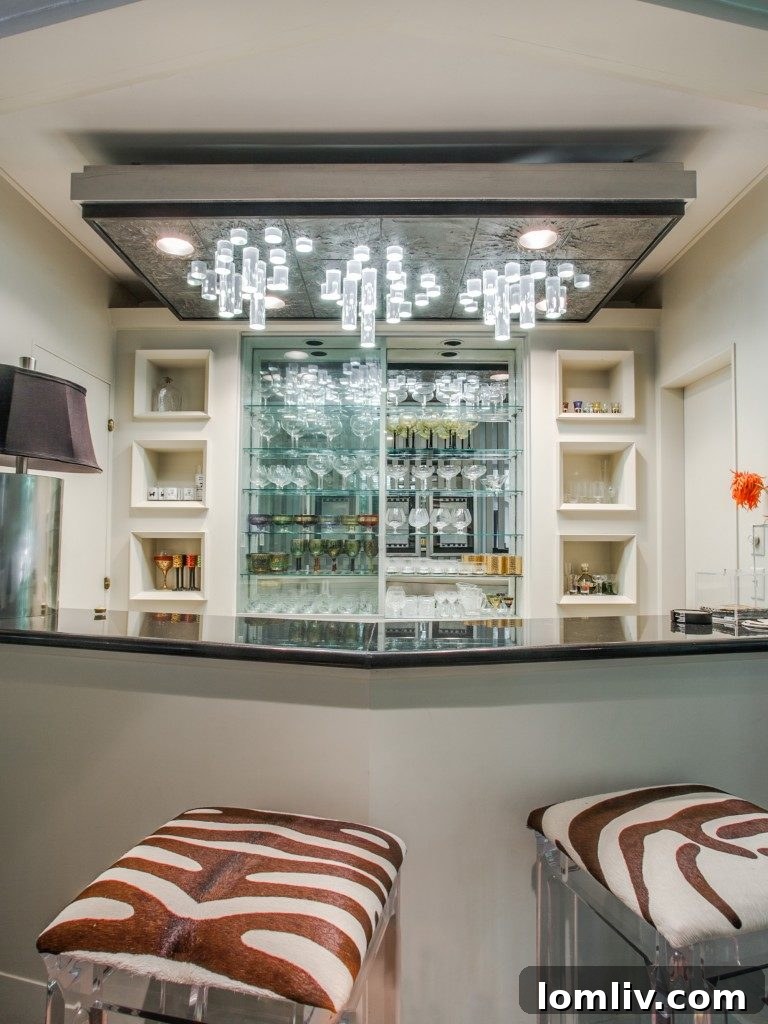
One of the most remarkable aspects of this residence is its unparalleled efficiency in space utilization. Not a single inch was wasted; the home is a veritable showcase of clever storage solutions. Hidden panels and doors seamlessly integrate into walls, concealing vast amounts of storage. Walls upon walls of built-in cabinetry ensure that every item has its designated place, contributing to the home’s immaculate and uncluttered aesthetic. For instance, the dining room features seemingly ordinary square wall panels that, upon closer inspection, reveal themselves to be secured, felt-lined silver cabinets, perfect for safeguarding valuable heirlooms. The “mistress side” of the expansive master bathroom is a testament to luxurious thoughtfulness, boasting myriad jewelry drawers (also securable) and custom-designed shoe cabinets. Oceans of closets and pristine marble counters complete this picture of lavish practicality. The fixtures, all top-of-the-line from their day, continue to exude an air of quality and elegance, affirming that the luxurious thoughtfulness invested in each room of the Grady Vaughn House remains unprecedented.
Exterior Splendor and Seamless Integration with Nature
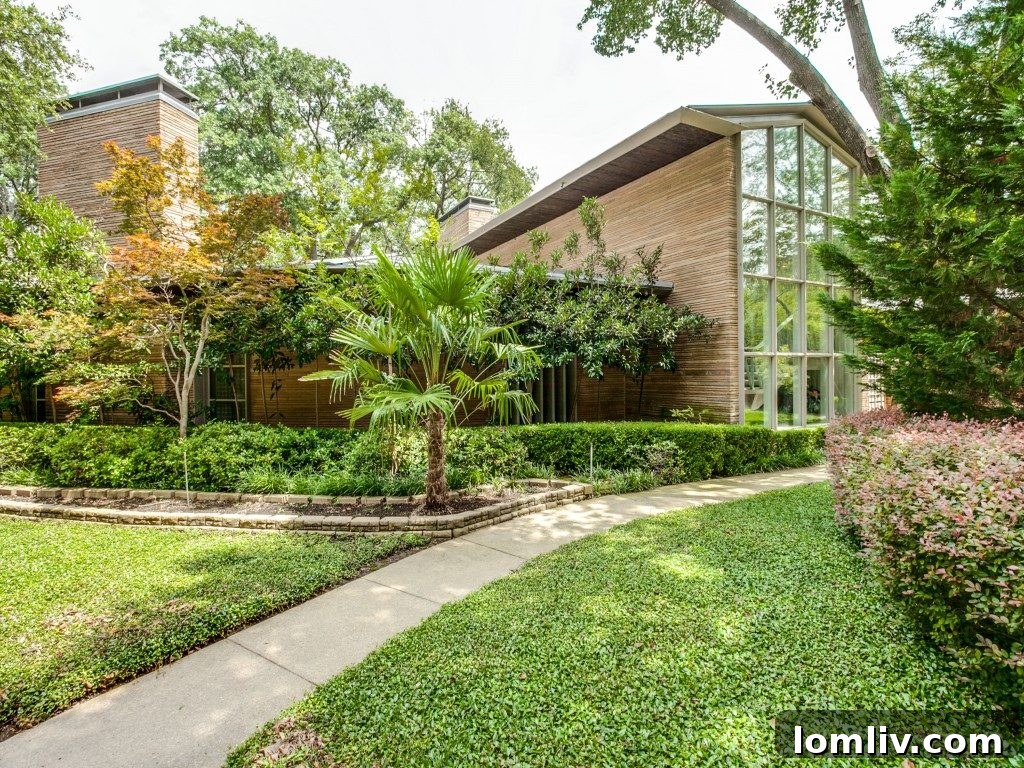
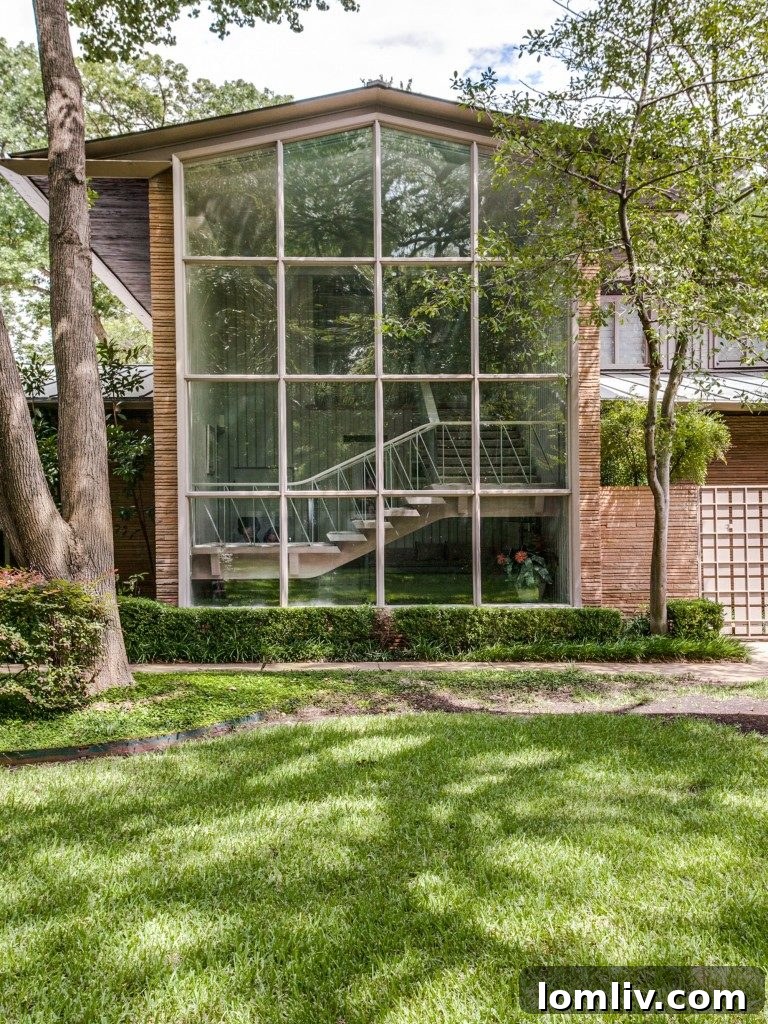
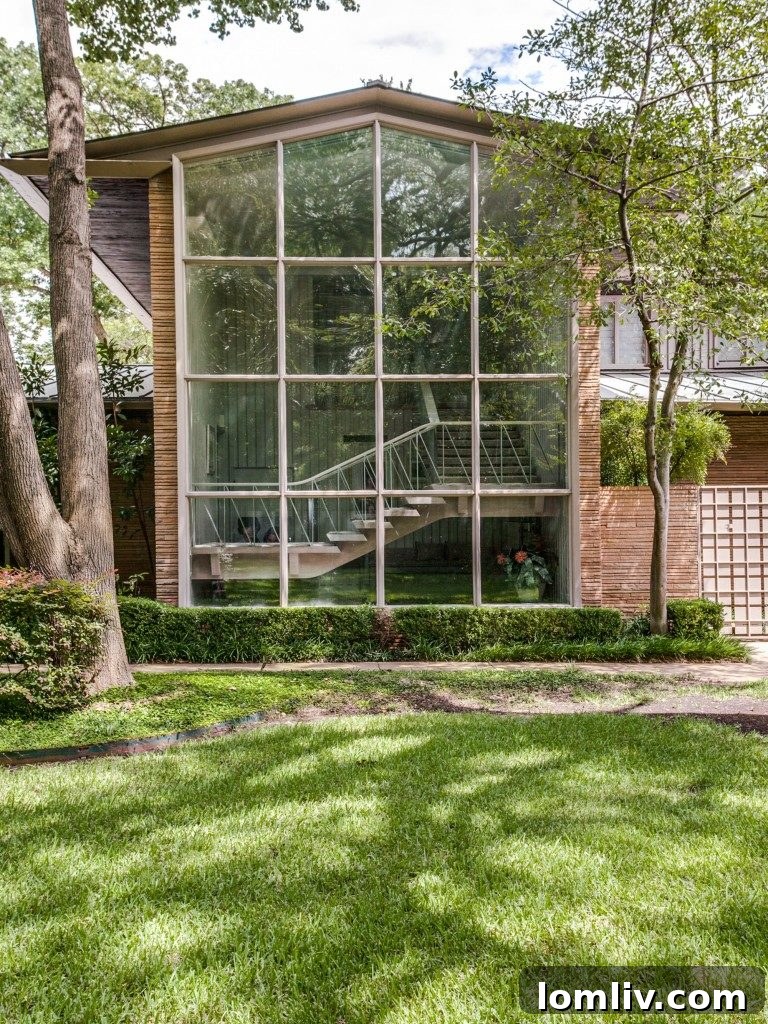
The exterior of this grand mansion, clad in timeless Roman brick, is a masterclass in architectural integration. It effortlessly incorporates a series of thoughtful design features, including built-in planters bursting with greenery, secluded privacy courtyards offering serene retreats, robust retaining walls that elegantly navigate the natural topography, a convenient outdoor kitchenette for al fresco entertaining, and even a small boat dock extending into the tranquil waters. Given the property’s complex topography and organic curves, the precision with which each stone layer is placed is truly astonishing, a testament to the unparalleled craftsmanship that defined its construction. This meticulous attention to detail is enough to make even the most discerning observer’s senses tingle.
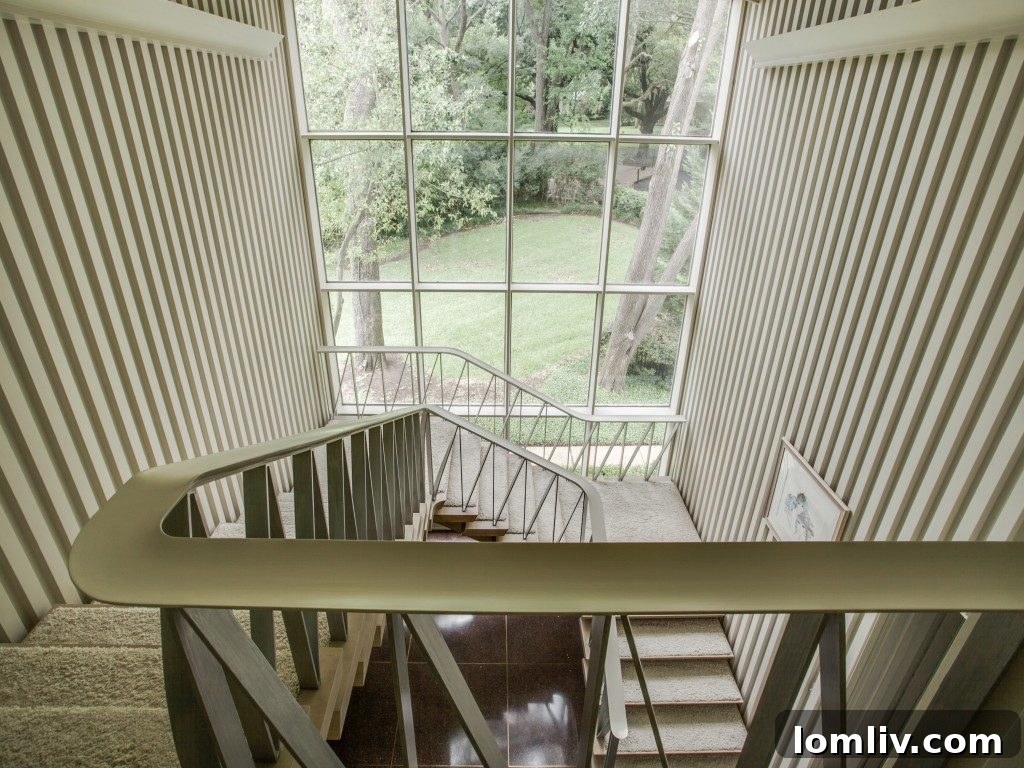
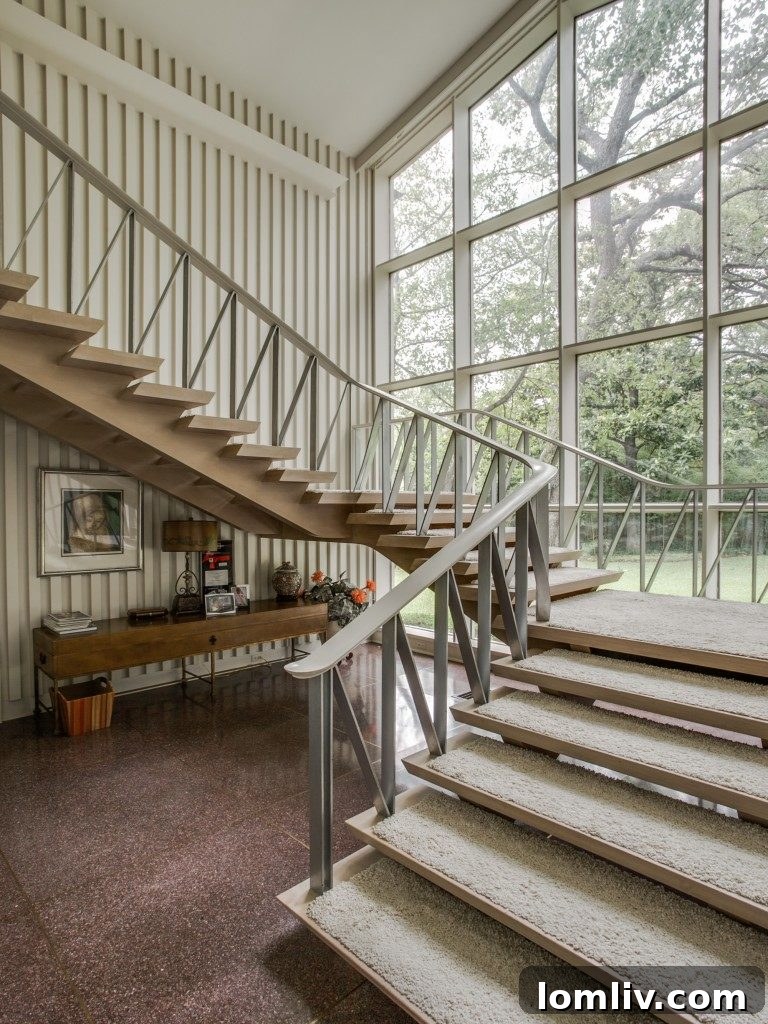
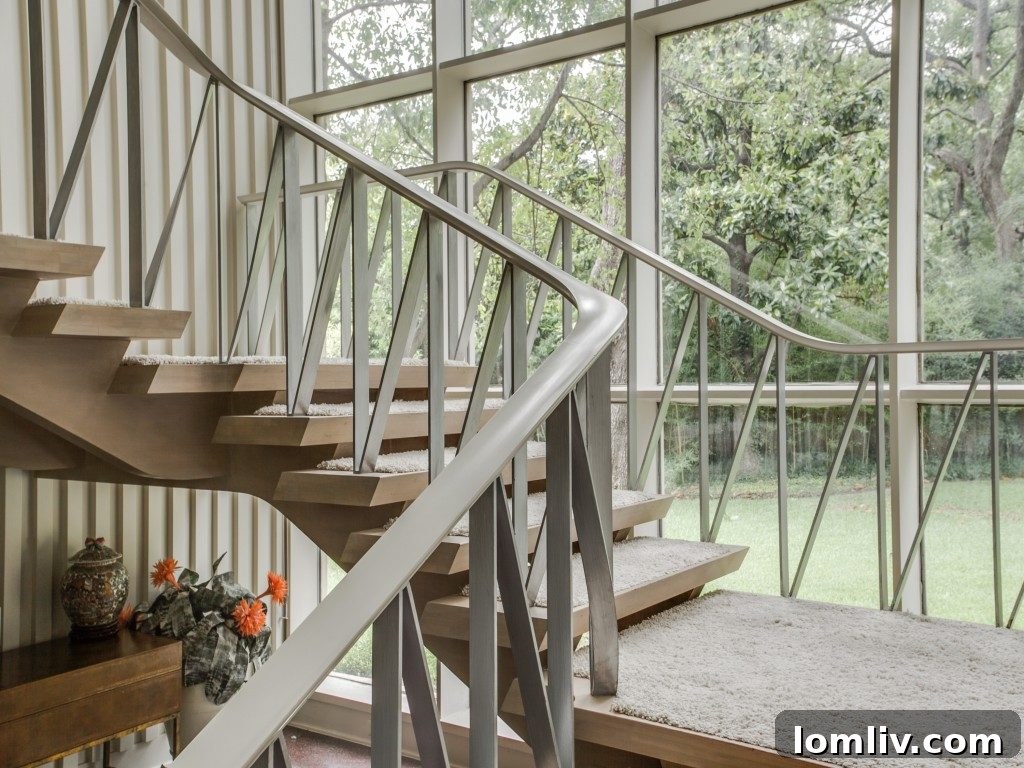
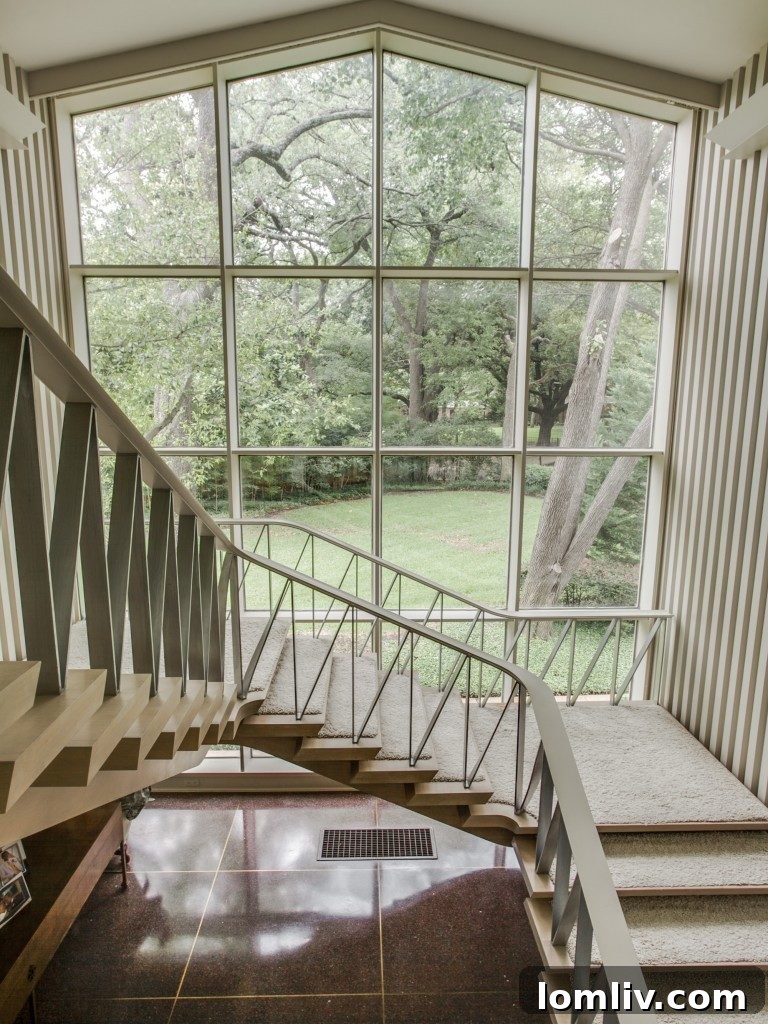
Dominating the front facade, a magnificent “chapel” anchors the entrance, housing a grand staircase that is, in itself, a work of art. Having had the rare opportunity to review the original architectural drawings, it became clear that Robert Goodwin meticulously detailed every single facet of this ambitious project. His blueprints left no stone unturned, specifying every joint, every material, every curve. One can only imagine the job security and the immense skill required of his carpenters, tasked with bringing such an intricate vision to life with absolute precision.
The Visionary Architect: Robert Goodwin
Before the formation of Goodwin & Cavitt, the firm responsible for the groundbreaking Grady Vaughn House, architect Robert Goodwin was a key figure in Goodwin & Tatum. This prolific architectural firm left an indelible mark on Highland Park home design throughout the 1930s and ’40s. During this earlier period, Goodwin & Tatum’s signature style leaned heavily towards more traditional aesthetics, crafting elegant residences that reflected the prevailing tastes of the time. The Grady Vaughn House, however, represents a significant and compelling chapter in Goodwin’s professional evolution, showcasing his profound shift towards and mastery of the nascent midcentury modern movement.
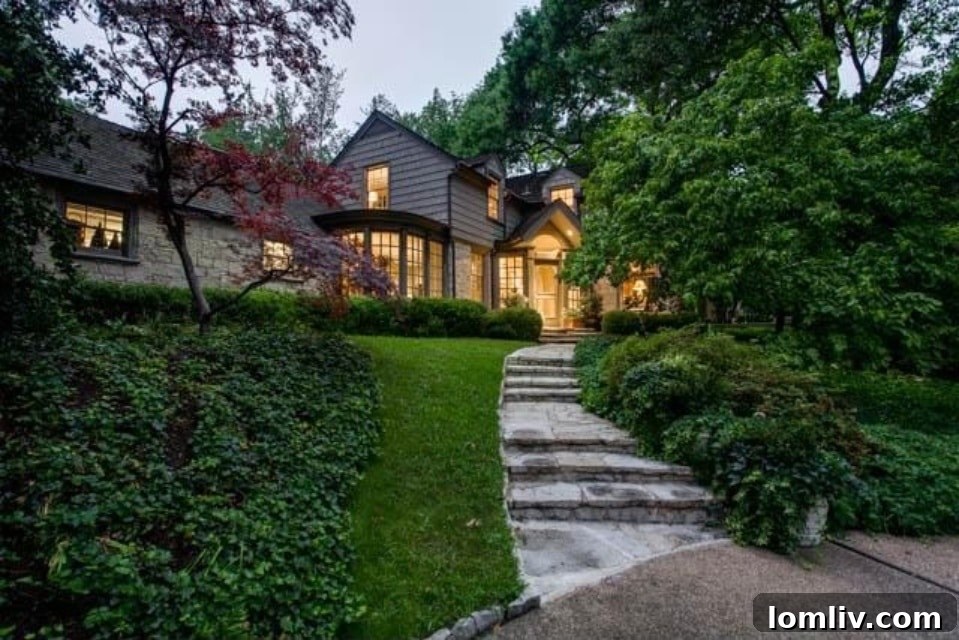
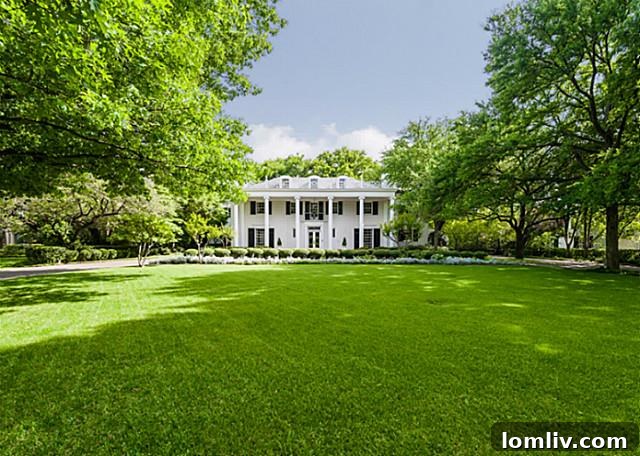
Among Goodwin & Tatum’s most iconic and enduring homes are the distinguished Henry W. Strasberger House (located at 3500 Rock Creek Drive), residence of the founder of one of Dallas’s oldest law firms; the stately property at 4417 Versalles Avenue, nestled by Flippen Park; and the much-discussed, ill-fated estate at 4307 Armstrong Parkway. These residences, all pictured above, stand as testaments to Goodwin’s earlier, more traditional phase, providing a fascinating contrast to the bold, innovative spirit embodied by the Grady Vaughn House and illustrating the remarkable breadth of his architectural talent.
Preston Hollow: A Legacy of Luxury and Modern Design
The location of the Grady Vaughn House in Preston Hollow further elevates its status. This Dallas neighborhood has long been synonymous with luxury, expansive estates, and a discerning clientele who appreciate both privacy and proximity to the city’s amenities. The 1.36-acre wooded and waterfront lot is an anomaly even in Preston Hollow, offering a unique blend of natural seclusion and an enviable address. This fertile ground has historically attracted not only prominent residents but also visionary architects who sought to create enduring works of art integrated with the landscape.
The Grady Vaughn House, situated at 5350 South Dentwood Drive, is currently being presented to the market by Alan Press and Mark Woodling of United Real Estate Group, experts in high-end properties. Its listing marks a significant moment for Dallas real estate and architectural preservationists, offering a rare opportunity to acquire a home of such historical and design caliber.
It is also worth noting the profound architectural context of its surroundings. Just across the pond from the Grady Vaughn House lies O’Neil Ford’s equally revered 1957 masterpiece, the Haggerty House. These two iconic residences share a common dedication to innovative design and an appreciation for their waterfront settings, their lawn sculptures seemingly in dialogue across the serene waters. This proximity of two such significant works underscores the rich architectural heritage embedded within this particular pocket of Preston Hollow.
Adding to the historical narrative, Grady Vaughn’s previous residence was the Anton Korn design at 6676 Lakewood Boulevard. This home is now occupied by Stephanie and Hunter Hunt, who are meticulously restoring another architectural gem, the Ray Hubbard House, located at 6800 Lakewood Boulevard. These connections highlight a lineage of architectural appreciation and preservation among Dallas’s most prominent families.
Preservation Dallas Event
To celebrate its architectural significance, Preservation Dallas hosted an exclusive InTown Outing to the Vaughn House, offering a unique opportunity for enthusiasts to experience this masterpiece firsthand. The event, held on Tuesday, July 26, from 6 to 7 p.m., provided an intimate glimpse into the home’s meticulous design and rich history. Admission was free for members of Preservation Dallas, with a fee of $20 for non-members, emphasizing the organization’s commitment to fostering appreciation for Dallas’s architectural treasures. Reservations were required and could be made via www.PreservationDallas.org or by calling 214-821-3290, ensuring an organized and engaging experience for all attendees.
The Grady Vaughn House stands as a testament to a golden era of design, a harmonious blend of innovative architecture, luxurious functionality, and seamless integration with nature. Its availability on the market is not merely a real estate transaction; it is an invitation to own a vital piece of Dallas’s modern heritage, a home that continues to inspire and captivate with its timeless elegance and thoughtful design.