Navigating Urban Evolution: The Transwestern Development and Preston Hollow’s Future
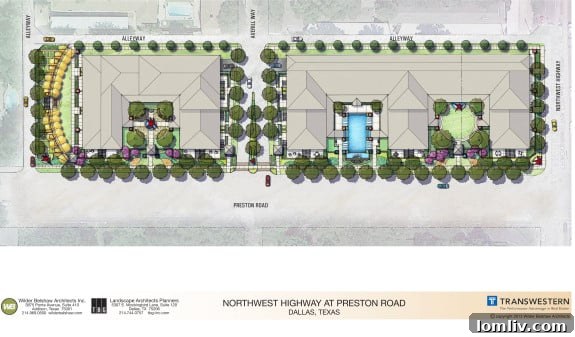
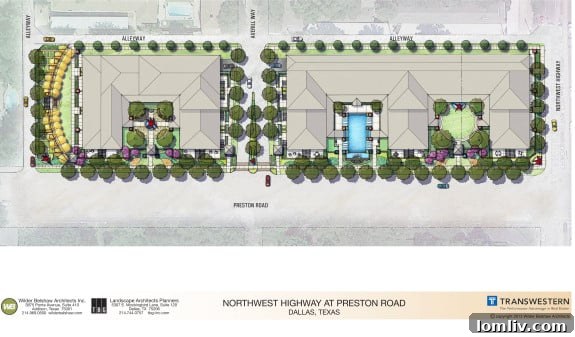
Preston Hollow, a revered and vibrant neighborhood in Dallas, Texas, finds itself at a familiar crossroads of progress and preservation. The proposed Transwestern development, featuring upscale luxury apartments near the intersection of Preston and Northwest Highway, has ignited conversations among residents, developers, and city officials alike. This isn’t merely a discussion about bricks and mortar; it’s a profound dialogue about the future character of a community, the economic vitality of a thriving city, and the delicate balance between growth and the quality of life.
At the heart of this discussion are varied perspectives, eloquently captured by long-time resident Charles Sartain. Living on Northwood, in close proximity to the proposed site, Sartain articulated a nuanced view in a Letter to the Editor of theDallas Morning News. He openly acknowledged a legitimate need for upscale, luxury apartments in the area, a sentiment that resonates with broader demographic and economic shifts within Dallas. However, he also underscored the critical importance of a comprehensive traffic study and more detailed information, advocating for an informed and rational debate over immediate rejection.
The Growing Demand for Upscale Living in Dallas
Dallas has consistently ranked as one of the fastest-growing metropolitan areas in the United States, attracting corporations, entrepreneurs, and a diverse workforce. This rapid expansion naturally fuels demand for a variety of housing options, including premium rental properties. Luxury apartments cater to several burgeoning demographics:
- Empty Nesters: Many long-time residents of Preston Hollow and surrounding areas, whose children have grown, seek to downsize from larger homes without sacrificing amenities or location. Luxury apartments offer a lock-and-leave lifestyle, freeing them from the responsibilities of home maintenance.
- Young Professionals and Executives: Dallas’s robust job market, particularly in tech, finance, and healthcare, draws a new generation of talent. These individuals often prioritize convenience, access to urban amenities, and a high standard of living, making luxury apartments an attractive choice.
- Relocating Professionals: Companies moving to or expanding within Dallas bring employees who require immediate, high-quality housing. Luxury apartments provide a seamless transition and a comfortable base as they settle into the city.
- Lifestyle Choice: Beyond demographics, a growing segment of the population prefers the flexibility and amenities offered by luxury rental communities—features like concierge services, state-of-the-art fitness centers, and communal spaces foster a vibrant living experience.
From an economic standpoint, such developments can contribute positively to the city’s tax base and support local businesses, adding to the overall vibrancy of the area. Charles Sartain’s observation about the “need” for such housing is rooted in these undeniable market realities that shape modern urban landscapes.
Addressing Community Concerns: Traffic, Infrastructure, and Neighborhood Character
While the economic case for luxury apartments in Preston Hollow may be compelling, residents rightfully raise significant concerns about potential impacts. These worries often revolve around several key areas:
The Critical Role of Traffic Studies
One of the most immediate and frequently cited concerns is the potential for increased traffic congestion. Preston Road and Northwest Highway are already vital, heavily trafficked arteries connecting various parts of Dallas. Adding a substantial number of new residential units implies a significant increase in vehicle trips daily, particularly during peak commuting hours. This is why a thorough traffic study is not just a request but a necessity.
A comprehensive traffic study goes beyond simple vehicle counts. It analyzes:
- Current Traffic Volumes: Understanding existing congestion points and travel patterns.
- Projected Increases: Estimating the additional vehicle trips generated by the new development.
- Impact on Intersections: Identifying which intersections will be most affected and by how much.
- Roadway Capacity: Assessing if existing roads can absorb the additional volume without significant degradation of service.
- Mitigation Strategies: Proposing solutions such as new turn lanes, improved signal timing, public transit options, or pedestrian-friendly infrastructure to alleviate potential bottlenecks.
- Safety Concerns: Evaluating the impact on pedestrian and cyclist safety, particularly near schools or parks.
As Mr. Sartain aptly pointed out, without this vital information, any debate or decision is speculative. Residents require data-driven projections to understand the true impact on their daily lives and local environment.
Beyond Traffic: Infrastructure and Quality of Life
The impact of new development extends beyond traffic to the broader infrastructure and overall quality of life within the neighborhood:
- School Capacity: While luxury apartments may attract fewer school-aged children than single-family homes, any increase in population can pressure nearby schools, which are already serving a growing student body.
- Utility Services: Water, sewer, and electricity grids must be capable of handling increased demand without compromising service for existing residents.
- Green Spaces and Open Areas: New construction can sometimes reduce available green space, which is precious for recreation and maintaining the aesthetic appeal of a neighborhood.
- Neighborhood Character: Preston Hollow is renowned for its diverse architectural styles, from ’50s ranches on Northwood to the sprawling, tree-canopied estates of Old Preston Hollow. Residents are keen to preserve this unique character and ensure that new developments integrate respectfully rather than overshadowing or clashing with the existing fabric.
- Property Values: While some argue new development can boost property values by enhancing local amenities, others fear overdevelopment could negatively impact the desirability of existing homes.
These are not trivial concerns; they are fundamental to how residents experience and value their community. Responsible development requires a thorough consideration of these factors to ensure sustainable growth.
The Spectrum of Opinions: Dialogue Versus Unanimous Opposition
The original statement shared by Charles Sartain powerfully counters the narrative of monolithic opposition: “No negotiation” and “squelch it before it gets to zoning” are not the prevailing opinions in the neighborhood. This highlights a crucial distinction: while strong feelings exist, a significant portion of the community desires a constructive dialogue rather than an outright rejection.
Neighborhoods like Preston Hollow are not homogenous. They comprise a diverse tapestry of residents:
- Long-term residents: Many have lived in the area for decades, invested deeply in its character, and naturally wish to preserve its existing charm.
- Newer families: Attracted to the area’s schools, amenities, and community feel, they also have a stake in its future.
- Property owners near the proposed site: Their concerns might be more immediate and directly related to proximity.
- Residents further afield: While still interested, their perspective might be broader, considering the overall growth of Dallas.
Given this diversity, it’s unrealistic and counterproductive to assume a single, unified “neighborhood opinion.” Instead, there is a spectrum of views, ranging from staunch opposition to cautious acceptance, provided certain conditions are met. This is why Sartain emphasizes the need for a “rational debate.”
Engaging in negotiation and debate offers several potential benefits:
- Opportunity for Compromise: Through dialogue, developers might be persuaded to modify plans (e.g., adjust building heights, incorporate more green space, contribute to traffic mitigation funds) to better suit community needs.
- Improved Outcomes: A collaborative approach can lead to a development that is better designed, more integrated, and more beneficial for all stakeholders.
- Transparency: Open discussions foster trust and ensure that residents feel heard and their concerns are genuinely considered.
- Avoiding Protracted Legal Battles: While protest can be effective, direct engagement can sometimes circumvent lengthy and costly legal challenges that benefit no one in the long run.
The sentiment that “the protesters say they want somebody to fight for them” is understandable. However, Sartain’s call for a “plan commission and council who will fight for a rational debate and vote for a reasonable result” suggests that true advocacy means ensuring due process, fair hearings, and decisions based on evidence and broad community input, not just the loudest voices.
The Role of Governance: City Council and Plan Commission in Responsible Development
In Dallas, as in most municipalities, the City Plan Commission and the City Council play pivotal roles in land use decisions, particularly zoning changes and development approvals. Their responsibility is multifaceted:
- Mediators: They must act as impartial mediators between developers seeking to build and residents seeking to protect their community.
- Stewards of the Comprehensive Plan: They ensure that proposed developments align with the city’s long-term vision and comprehensive land use plans.
- Facilitators of Due Process: They are tasked with ensuring that all legal requirements for public hearings, notifications, and evidence presentation are met.
- Decision-Makers: Ultimately, they vote on zoning requests, weighing the various inputs, expert analyses (like traffic studies), and community feedback.
For residents like Charles Sartain, the expectation is that these bodies will prioritize a process characterized by:
- Rational Debate: Encouraging open discussion where arguments are based on facts, data, and well-reasoned positions rather than emotional appeals or political pressure.
- Transparency: Ensuring all relevant information, including developer proposals, city staff reports, and public comments, is easily accessible.
- Accountability: Making decisions that are defensible, consistent with city policies, and reflective of a genuine effort to balance competing interests.
- Reasonable Results: Striving for outcomes that serve the broader public good, promote sustainable growth, and mitigate negative impacts on existing communities.
The integrity of this governance process is paramount. When residents feel their voices are heard and decisions are made fairly, it builds trust in city institutions and fosters a more collaborative environment for future development discussions.
Forging a Path Forward: Collaborative Planning and Sustainable Growth
The Transwestern development, therefore, presents an opportunity for Dallas to showcase how it handles urban evolution in its established, affluent neighborhoods. Moving forward, a collaborative approach will be essential to achieving an outcome that benefits both the city and its residents.
Key elements of such an approach include:
- Early Engagement: Developers should engage with neighborhood associations and residents early in the planning process, before definitive plans are set, to gather initial feedback and address concerns proactively.
- Comprehensive Impact Assessments: Beyond traffic, detailed studies on environmental impact, utility capacity, and potential strain on public services should be undertaken.
- Design Excellence: New developments should strive for architectural and landscape design that complements, rather than detracts from, the existing neighborhood character. This might involve thoughtful setbacks, material choices, and landscaping that preserves the area’s green canopy.
- Community Benefits Agreements: In some cases, developers may offer community benefits, such as contributions to local infrastructure improvements, parks, or public art, to offset potential negative impacts.
- Alternative Solutions: Exploring options like mixed-use developments that integrate retail, office, and residential spaces can sometimes provide more balanced benefits and reduce single-source traffic generation.
- Long-Term Vision: All parties should consider how this development fits into the long-term vision for Preston Hollow and Dallas as a whole. Is it contributing to a sustainable, vibrant, and desirable future?
The debate surrounding the Transwestern development is a microcosm of larger discussions happening in urban centers across the country. How do thriving cities accommodate growth without sacrificing the unique qualities that make their neighborhoods special? The answer lies not in blanket approval or outright rejection, but in thoughtful planning, transparent dialogue, and a commitment to reasonable, data-driven decisions. The residents of Preston Hollow, through voices like Charles Sartain’s, are calling for exactly that: a process that respects their community while acknowledging the evolving needs of a dynamic city.
The Future of Preston Hollow: Balancing Progress with Preservation
Ultimately, the discussion around the Transwestern luxury apartment development is about more than just one project; it’s about the ongoing evolution of Preston Hollow. This esteemed Dallas neighborhood, cherished for its tranquility, mature trees, and proximity to urban conveniences, seeks to integrate new growth in a manner that enhances its existing attributes. The call for a “rational debate” and “reasonable result” underscores a community’s desire for thoughtful progress that respects its heritage and ensures a high quality of life for all its residents. It is a testament to the community’s engagement and belief in a future where development and preservation can coexist harmoniously.