Navigating Traffic Challenges in Preston Center: An In-Depth Look at Northwest Highway
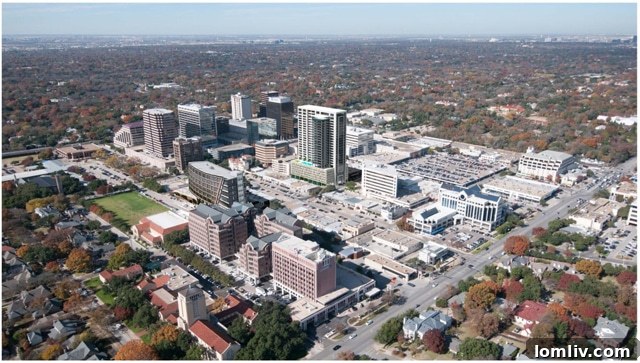
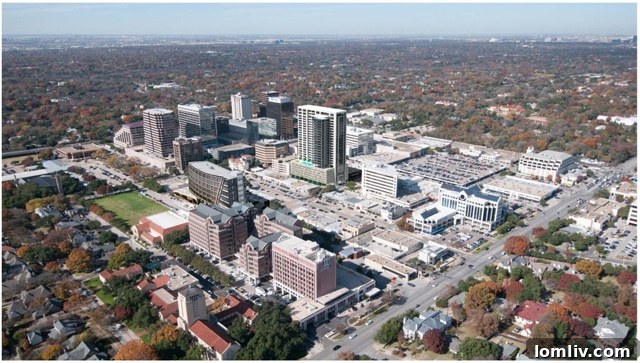
Preston Center stands as a vibrant cornerstone of Dallas, a bustling nexus where residential tranquility meets commercial dynamism. Its strategic location makes it a highly desirable area, yet with growth comes the inevitable challenge of managing urban infrastructure, particularly traffic. In previous discussions, we’ve explored the persistent parking conundrums that plague the district and the ambitious proposals, such as St. Michael’s Church’s plans for a significant high-rise development. These elements collectively paint a picture of an area grappling with the demands of expansion. However, arguably the most pervasive and daily-felt concern for residents and commuters alike remains the intricate web of traffic congestion. It’s a challenge that touches everyone, from the daily commuter to the local business owner, shaping perceptions and impacting the overall quality of life within Preston Center.
The Everyday Reality of Preston Center Traffic: More Than Just Numbers
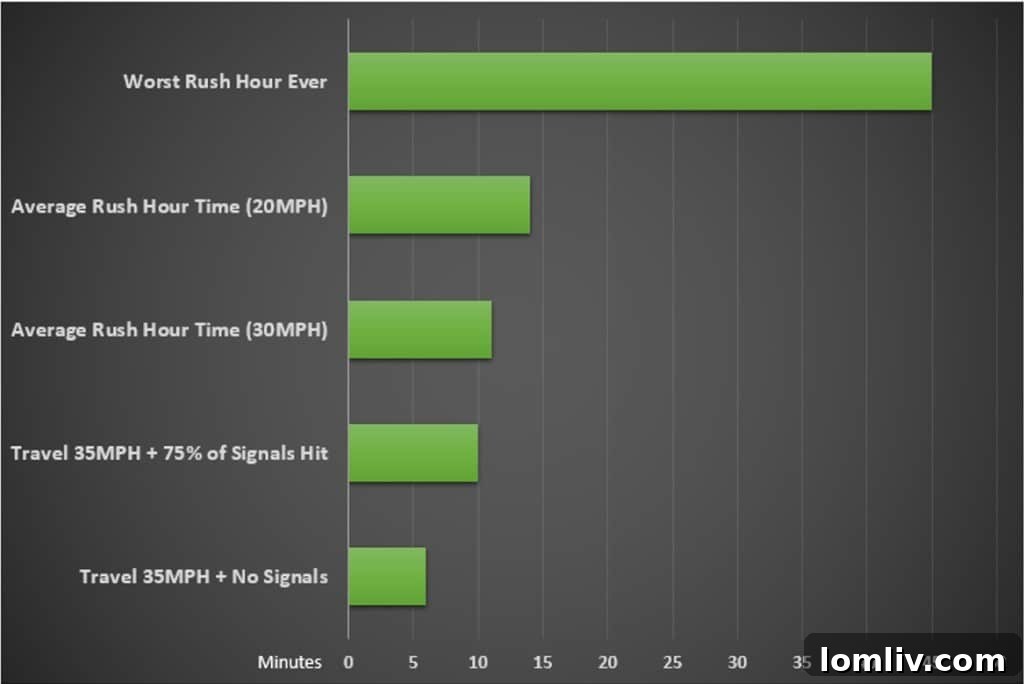
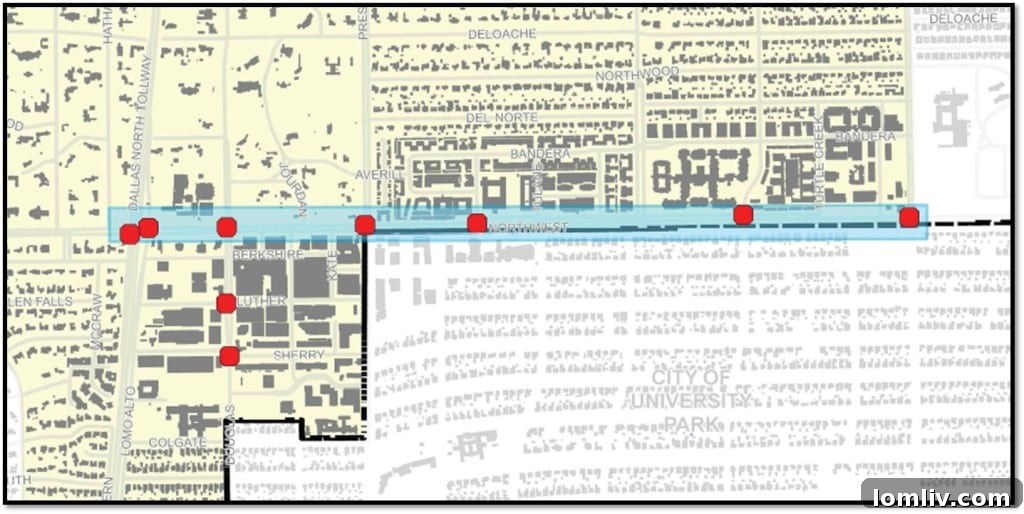
Beyond the architectural blueprints and zoning debates, the core of the traffic complaint often boils down to a fundamental question: how long does it genuinely take to traverse a specific route within Preston Center, particularly along key arteries like Preston Road and Northwest Highway? These aren’t merely inconveniences; they represent lost time, increased stress, and a tangible impact on daily schedules. Both roadways are posted with a speed limit of 35 miles per hour, suggesting an ideal travel time that frequently falls short of reality. For instance, consider the 3.4-mile stretch of Northwest Highway from Inwood to Shady Brook Lane. In a perfect scenario, without encountering any traffic signals or slowdowns, this journey should theoretically take approximately six minutes. Yet, anyone who regularly travels this route knows that such an idyllic commute is almost mythical. The unfortunate reality is the presence of 11 traffic signals along this relatively short distance, strategically placed roughly every 1,631 feet or 0.3 miles. Navigating this gauntlet of red lights transforms a theoretically swift journey into a test of patience and timing.
To further illustrate this discrepancy, let’s delve into a practical example of Preston Center traffic. Assuming an average wait of 30 seconds per signal rotation, hitting all 11 lights would add an extra 5.5 minutes to your commute. Even if you’re fortunate enough to hit only 75 percent of the red lights, that still translates to an additional four minutes tacked onto what should ideally be a six-minute drive. This means a journey that could take six minutes in a perfect, signal-free world, realistically extends to at least 10 minutes – a figure perhaps only achievable during the tranquility of 4 AM on a Tuesday. This baseline of 10 minutes, therefore, serves as a more pragmatic starting point for understanding typical travel times during less congested periods.
Unpacking the Data: Insights from the Preston Center Task Force
Understanding traffic patterns requires robust data, and the Preston Center Task Force has certainly delivered in this regard. Their comprehensive study meticulously measured traffic speeds at numerous points, covering both directions on Preston Road and Northwest Highway. Data collection was rigorous, occurring at 15-minute intervals, 24 hours a day, across three distinct calendar months over two years (October 2014, May 2015, and October 2015). This extensive methodology resulted in an average of 450 data points collected per month during the peak daytime window of 6:00 AM to 7:00 PM, providing a wealth of information to analyze the pulse of Preston Center’s traffic flow. The sheer volume and granularity of this data offer an invaluable foundation for informed decision-making regarding Dallas’s urban infrastructure.
(Spoiler alert: The analysis revealed a noteworthy trend from October 2014 to October 2015: overall daytime speeds actually increased. This counterintuitive finding suggests that, despite the perception of worsening congestion, drivers were, on average, able to travel faster, potentially due to subtle shifts in traffic volume or improved signal timing in certain areas.)
Applying a broad analytical brush, the data indicates that eastbound traffic on Northwest Highway is marginally slower than westbound traffic during the surveyed periods. More critically, the study found that during the daytime, the chance of experiencing speeds below 5 miles per hour – often considered the threshold for genuine “gridlock” – was less than 10 percent. Such a level of gridlock would equate to a daunting 41-minute journey for our 3.4-mile example. However, the most recent October 2015 data impressively shows that a slowdown of this magnitude, where speeds drop significantly, lasted more than 15 minutes only once. This means that a journey exceeding 45 minutes (including signal waiting times) was an exceptionally rare occurrence. For many commuters bracing for daily gridlock in Preston Center, this finding might come as a pleasant surprise, challenging prevailing perceptions.
For the majority of the day, from sunrise to sunset, drivers are most likely to experience speeds ranging from 15 to 25 miles per hour, with a slightly lower, but still significant, probability of hitting speeds between 25 and 35 miles per hour (the posted limit). Translating this back to our exemplar 3.4-mile trip, an average speed of 20 MPH would result in a travel time of approximately 10 minutes, while an average of 30 MPH would shorten it to about 7 minutes. It’s crucial to add the aforementioned 4 minutes for signal waiting to these figures to get a more realistic picture of the total commute time. Therefore, even during busier periods, the actual travel time, when factoring in signal delays, might be more manageable than typically assumed for Northwest Highway congestion.
While these averages provide a valuable macroscopic view of Preston Center traffic, individual experiences can naturally vary. Extraneous factors such as vehicular accidents, adverse weather conditions, or even unexpected road-crossing wildlife can significantly impact real-time traffic speeds. To gain an even deeper understanding, a cross-referencing of these speed data points against recorded incidents – accidents, weather alerts, or unusual disruptions – by an entity like NCTCOG (North Central Texas Council of Governments) would offer invaluable granular insights into the causes of specific slowdowns. This level of detailed analysis would move beyond simple averages to pinpoint the exact influences that contribute to frustrating delays.
Despite the theoretical soundness of the Task Force’s data, it’s imperative to acknowledge that the real-world experience of commuting often feels distinct from statistical averages. Many drivers can recount instances of significant delays; for example, spending 20 minutes to travel a mere three-quarters of a mile from Pickwick Lane to the Tollway on Northwest Highway, a route punctuated by four traffic signals. What the current data largely omits, and what is arguably the most frustrating aspect for drivers, is the precise amount of time spent waiting at signals – specifically, how many full signal cycles must be endured to successfully clear each intersection. This “real-world time-suck” of rush hour signals, where drivers are idle and often experiencing multiple signal changes, significantly contributes to the perception of severe congestion, even if overall average speeds appear reasonable.
Considering Northwest Highway is a critical six-lane cross-town thoroughfare, serving as a vital link midway between LBJ Freeway and Woodall Rodgers, its performance during rush hour is surprisingly robust. Despite being “dammed-up” with 11 traffic signals over a relatively short 3.4-mile span, the time required to traverse this section is not nearly as bad as often perceived. While it’s a far cry from the theoretical 5.5 minutes achievable with no traffic or signals, and double the 10 minutes experienced at 4 AM, a rush-hour travel rate typically between 11-14 minutes is remarkably efficient for a major urban artery. This efficiency, however, is perpetually overshadowed by the inherent frustration of stop-and-go traffic, particularly the unpredictable waiting times at signals. The underlying, unspoken sentiment among many commuters is a feeling of being stifled when forced to maintain a mere 35 mph on a six-lane “highway,” contributing to the perception that Northwest Highway always feels agonizingly slow – a perception difficult to alter with data alone. This psychological aspect is crucial in understanding Dallas’s traffic solutions.
Strategic Interventions: Traffic Signal Coordination and Roadway Improvements
TXDoT’s Ongoing Efforts and Their Impact
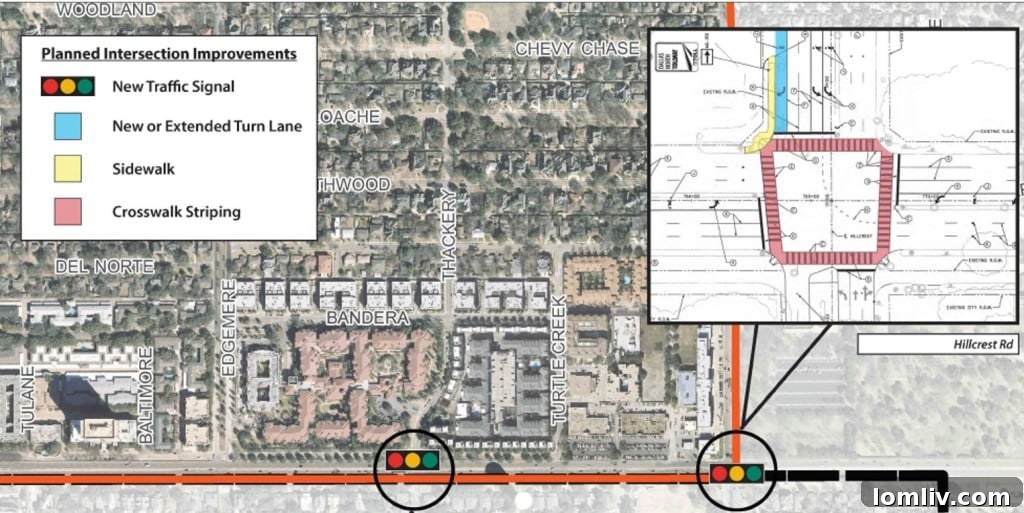
Back in October of a prior year, the Task Force was briefed by the Texas Department of Transportation (TXDoT) on a series of planned infrastructure improvements targeting Northwest Highway. These initiatives aimed to alleviate congestion and enhance traffic flow through several key interventions. TXDoT was actively engaged in modifying the medians along Northwest Highway, a project that encompassed not only physical alterations to the roadway but also the replacement of outdated traffic signals with newer, technologically advanced units. Crucially, these new signals were slated to receive updated programming designed to improve their synchronization, ensuring a more fluid progression of traffic. Beyond signal upgrades, the plans also included the strategic addition of an extra turn lane from westbound Northwest Highway onto southbound Preston Road, a critical bottleneck intersection. Furthermore, another right-turn lane was planned from southbound Hillcrest onto westbound Northwest Highway, aiming to ease turning movements and reduce backups at this busy junction. These comprehensive upgrades underscored TXDoT’s commitment to modernizing the corridor’s infrastructure and optimizing its capacity, a vital step for urban planning in Dallas.
The physical work on the medians appears to have been completed, a visible sign of progress. However, the universal improvement in traffic signal synchronization remains debatable. While some commuters report better flow in areas closer to North Park, the segment around Preston Center, specifically, seems to have deteriorated in terms of synchronized signals. The primary culprit consistently identified is the signal at Douglas Avenue, which frequently operates out of sync with its neighboring intersections. This localized issue creates a ripple effect, disrupting the smooth flow that improved synchronization is meant to achieve and frustrating drivers navigating this crucial section of Preston Center.
The Douglas Avenue Conundrum: A Case of Tunnel Vision
The inconsistent synchronization around Douglas Avenue highlights a significant oversight in the broader improvement strategy – a case of “tunnel vision.” While the main traffic signals along Northwest Highway received much-needed attention and upgrades, the two critical signals immediately south of Northwest Highway on Douglas were, for various reasons, excluded from the synchronization efforts. These particular signals are located at two of the busiest intersections feeding traffic to and from Douglas Avenue, serving numerous neighboring office towers. The omission of these signals from the coordinated system creates a disjointed traffic flow, impacting the thousands of workers who commute to these towers daily. One might even ponder whether St. Michael’s Church, with its ambitious plans for a new office tower, considered the existing and future implications of this specific traffic bottleneck for their prospective tenants and the surrounding community, further emphasizing the need for comprehensive urban planning.
The Berkshire / Villanova Signal: A Critical Bottleneck Demanding Relocation
Another glaring omission in the current round of traffic alleviation efforts is the poorly situated signal arrangement on south Preston Road, specifically between Preston Center East and West. This particular stretch falls under the jurisdiction of University Park, an entity that, for reasons unknown, has not been an active participant in the broader Preston Center Task Force discussions. This is a critical problem, one that was explicitly highlighted in previous, independently proposed Preston Center traffic plans. Without integrating this specific segment of Preston Road into a holistic traffic solution, the efficiency gains achieved elsewhere in the area will inevitably be compromised. The bottleneck created here has cascading effects on the entire local network, affecting commuters’ experience with Preston Road traffic.
Virtually every driver heading onto Preston Road south of Northwest Highway voices frustration with the traffic signal situated at Berkshire Lane / Villanova Road. Located a mere 18 car lengths south of Northwest Highway, its proximity creates an unmanageable bottleneck, especially during daily rush hour. The logical, and repeatedly suggested, solution is its removal and relocation further south to the intersection of Sherry and Wentwood. This would create much-needed spacing and improve traffic flow significantly. Yet, in a bewildering move, TXDoT’s current plans involve doubling the amount of cars being funneled into this already cramped space from westbound Northwest Highway with an added turn lane. This contradictory approach raises serious concerns; it almost seems as if TXDoT is inadvertently exacerbating an existing problem, creating an even greater challenge for local traffic management by pushing more volume into an already failing junction.
The Road Ahead: Minor Enhancements and Major Policy Questions
Beyond the more significant interventions of signal replacements and the introduction of two new turning lanes, the immediate future for Preston Center’s roadways includes a seemingly modest yet important improvement: paint. Indeed, the Northwest Highway intersections at Caruth Haven/Boedecker, Hillcrest, Thackery, Preston, Tollway, and Inwood are all slated to receive new crosswalk striping, accompanied by minor sidewalk curbing enhancements. While these might appear as small-scale changes, fresh, clearly delineated crosswalks play a crucial role in enhancing pedestrian safety and improving overall visual clarity at intersections. It is reasonable to assume that this refresh of striping will coincide with a general restriping of Northwest Highway, which could offer a fresh, coherent look to the roadway. These improvements, though minor, contribute to the overall functionality and safety of the urban environment, aligning with broader Dallas real estate development goals.
Conclusion: A Call for Coordinated Urban Planning
In conclusion, while the individual actions undertaken by TXDoT are commendable and undoubtedly contribute positively to some aspects of traffic management, there’s a strong argument to be made that these efforts are largely coincidental rather than directly stemming from a fully integrated response to the Preston Center Task Force’s comprehensive research and recommendations. This disconnect raises a critical question about accountability and foresight. In the coming year, as the Task Force inevitably seeks further financial commitments from both the City of Dallas and TXDoT, it’s not difficult to envision the probing query: “What tangible outcomes did we see from the funds allocated last year, and how do these current proposals directly address the identified challenges?” This highlights a fundamental need for stronger coordination, transparent communication, and a shared strategic vision among all stakeholders involved in the area’s urban planning and infrastructure development.
For Preston Center to truly thrive and accommodate its ongoing growth, a more holistic and integrated approach to traffic management is essential. This includes not only addressing existing bottlenecks but also proactively planning for future developments, ensuring that infrastructure keeps pace with expansion. The insights gathered by the Task Force provide an invaluable roadmap, but their implementation requires a unified effort that transcends jurisdictional boundaries and focuses on the collective benefit of the community. Only through such coordinated urban planning can Preston Center maintain its vitality and ensure a sustainable future for all who live, work, and commute through its dynamic landscape, ultimately improving the experience of commuting in Dallas.
Engage with Us: Share Your Story!
Do you have a compelling HOA story to share? Perhaps a piece of Dallas’s high-rise history that deserves a spotlight? Realtors, seize the opportunity to feature a listing – whether it’s a property ripe for renovation or one that has been transformed with flying colors. We’re also open to hosting a Candy’s Dirt Staff Meeting for an engaging discussion. Feel free to shoot Jon an email with your ideas and insights. And yes, marriage proposals are now legally accepted! Reach out to us at [email protected]. We look forward to hearing from you!