The modern renter’s priorities extend beyond mere square footage and an updated kitchen. Increasingly, lifestyle amenities play a pivotal role in their housing decisions. Consider my daughter, a resident of Austin, whose apartment search was heavily influenced by the proximity of a Whole Foods Market. When upgrading from her college-area dwelling, ensuring a Whole Foods was within easy reach was paramount. Her delight upon finding a new place just blocks away underscored a growing trend: premium grocery stores are not just convenient; they are essential lifestyle anchors.
The Undeniable Impact of Premium Grocers on Apartment Performance
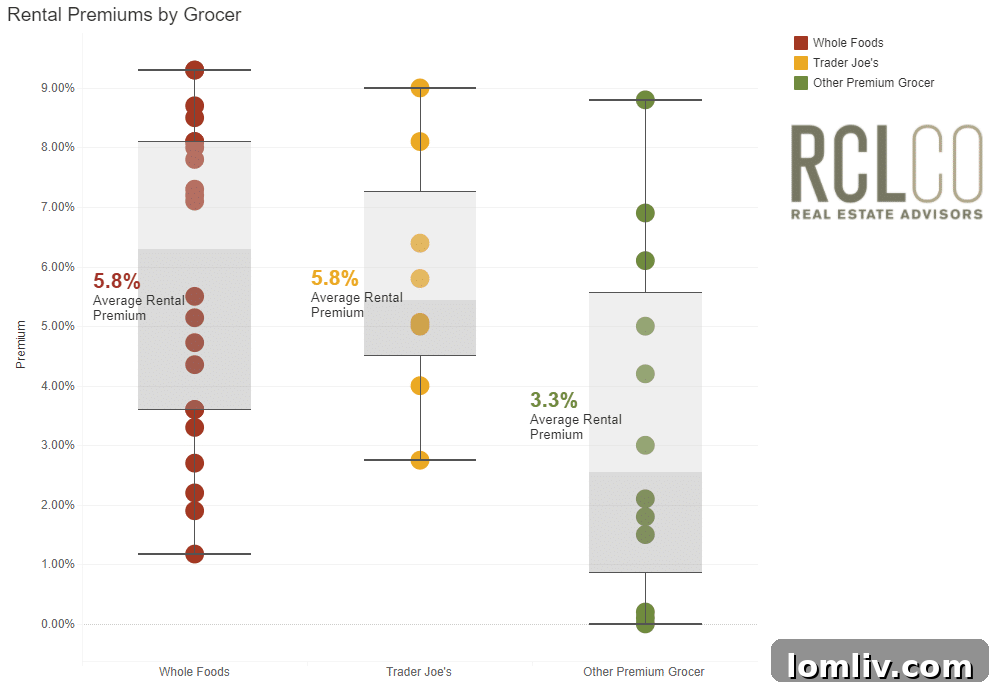
This individual preference for high-quality grocery access isn’t just an anecdotal observation; it’s a measurable factor in the competitive multifamily housing market. A recent report by RCLCO has solidified what many developers and renters intuitively understood: the presence of premium grocers like Whole Foods or Trader Joe’s directly translates into significant financial advantages for landlords. The study revealed that multifamily developments boasting either a Whole Foods or a Trader Joe’s on-site can command, on average, a remarkable 5.8 percent higher rent compared to similar apartment communities in the immediate vicinity. Other high-end grocery brands, while still beneficial, achieved a slightly lower but still substantial rent premium of 3.3 percent.
This finding highlights a crucial strategic insight for property owners and developers: integrating a desirable grocery anchor isn’t merely a convenience; it’s a powerful value-add. The report eloquently states, “The presence of a ground-floor premium grocer has a meaningful impact on apartment performance, measured in terms of rental rates and lease-up pace.” It further emphasizes the role of “Brand cachet, particularly among Millennials who have been the primary target market for most new apartment buildings, is clearly important, as properties containing a Whole Foods or Trader Joe’s on the ground floor are able to achieve the highest rental rate premiums.” This underscores that today’s renters, particularly younger demographics, prioritize convenience, quality, and a certain lifestyle appeal when choosing where to live, and premium grocers are a key indicator of that desired lifestyle.
Deep Dive into the RCLCO Study: Methodology and Key Findings
To arrive at these compelling conclusions, the RCLCO report meticulously analyzed 64 apartment communities across 20 distinct metropolitan statistical areas. Each of these communities was selected specifically because it featured a premium grocer on its ground floor, making them ideal subjects for comparison. Of these anchor tenants, Whole Foods Market led the pack, occupying 31 of the analyzed spaces. Trader Joe’s was a strong second, anchoring 15 developments, while other esteemed premium grocers, including Sprouts Farmers Market, accounted for the remaining properties. The comprehensive nature of this study lends significant weight to its findings, providing a robust, data-driven perspective on the “grocer effect” in multifamily real estate.
The Landlord’s Strategic Advantage: Beyond Just Rent Premiums
While the prospect of charging nearly 6% more in rent is undeniably attractive, the benefits for landlords extend far beyond mere increased revenue. The presence of a coveted grocery store acts as a powerful magnet, accelerating the lease-up pace of new developments and significantly reducing vacancy rates in existing ones. This translates into more stable income streams and reduced marketing costs for landlords. Furthermore, properties anchored by premium grocers tend to attract a more affluent and desirable tenant demographic, often leading to longer lease terms and a more engaged community. These tenants frequently value the convenience of walking downstairs for groceries, integrating seamlessly into a mixed-use lifestyle that prioritizes accessibility and quality.
From a broader property valuation perspective, a premium grocer acts as a long-term asset. It enhances the overall brand perception of the apartment community, making it more attractive to future buyers and investors. Such a feature transforms a residential building into a vibrant hub, fostering a sense of community and providing a distinct competitive edge in a crowded market. Developers are increasingly viewing these retail anchors not just as income generators, but as integral components of the overall living experience they offer, crucial for attracting and retaining high-value residents.
Evolution of Value: Whole Foods vs. Trader Joe’s Over Time
It’s fascinating to observe the shifting dynamics in the market’s valuation of these grocery giants. RCLCO’s current report isn’t their first foray into this area; they conducted a similar study in 2016. That earlier research found that a ground-floor Whole Foods typically commanded a 4.3 percent rent premium, while a Trader Joe’s generated a more modest 3.2 percent. The updated report shows both brands now delivering a robust 5.8 percent premium, indicating a significant upward surge in Trader Joe’s perceived value and an overall strengthening of both brands’ impact on residential real estate. This equalization suggests that Trader Joe’s unique product offerings, cult following, and reputation for affordable gourmet items have resonated increasingly with the modern renter, putting it on par with the established prestige of Whole Foods.
The consistent growth in the “grocer effect” since 2016 also aligns with broader trends in urban living, where walkability and access to essential services are increasingly prioritized. The Amazon acquisition of Whole Foods Market in 2017 also likely played a role, potentially enhancing brand recognition and accessibility, even if the primary appeal remains the in-store experience. This evolving landscape underscores the need for real estate professionals to stay abreast of consumer preferences and brand power in the retail sector, as these factors directly translate into residential property performance.
Dallas Market Insights: Real-World Examples
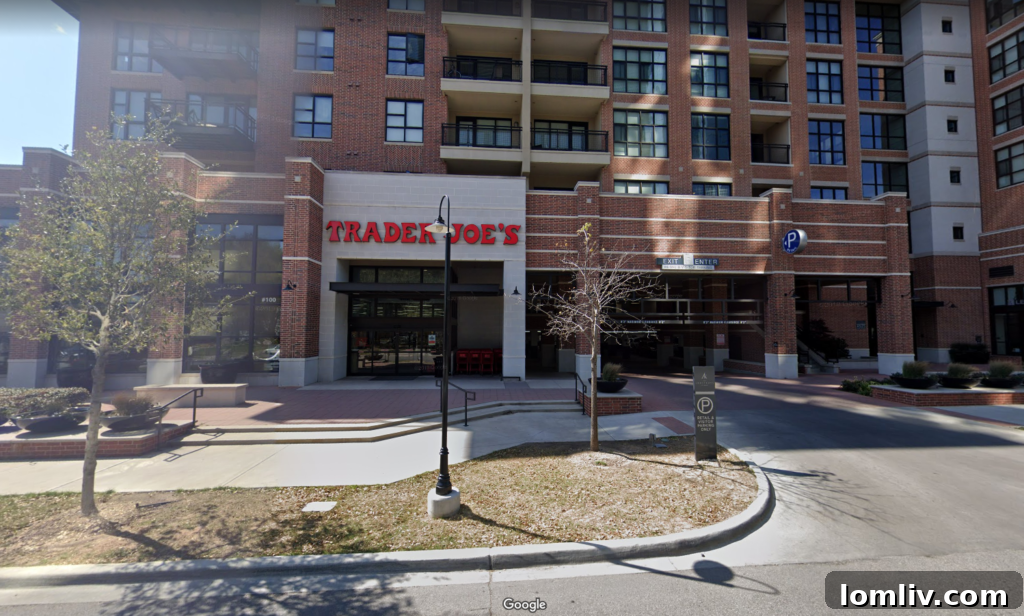
The Dallas metropolitan area provides excellent real-world illustrations of this trend. Included in the RCLCO report was The Armstrong at Knox Trader Joe’s. This 165-unit complex, situated at 4525 Cole Avenue in the desirable Knox-Henderson area, strategically features a Trader Joe’s on its ground floor. According to the report, this particular development enjoys an impressive rental premium of 11.8 percent—significantly higher than the average, indicating a particularly strong market synergy in that location.
Beyond the report’s specific inclusions, other prominent Dallas apartment communities demonstrate a similar strategic integration of grocery anchors. For example, the 239-unit Gables McKinney Ave apartments, located at 2500 McKinney Ave in Uptown, benefit from a Whole Foods Market occupying their ground floor. While not part of the RCLCO study, this setup undoubtedly contributes to the property’s attractiveness and desirability. Similarly, The Christopher apartments at 2323 N. Akard feature a substantial 60,000-square-foot Tom Thumb grocery store on their bottom floor. Both of these grocers are proudly listed as key amenities in their respective apartment communities, serving as powerful draws for prospective residents seeking convenience and quality living. These examples from Dallas underscore that the “grocer effect” is not just theoretical; it’s a tangible, highly valued asset in competitive urban markets.
The Future of Multifamily Development: Integrating Lifestyle and Convenience
The findings from the RCLCO report offer crucial insights for the future direction of multifamily development. Developers are no longer simply building residential units; they are crafting comprehensive lifestyle environments. The integration of premium grocery stores into ground-floor retail spaces is a prime example of this paradigm shift. It speaks to a broader trend of mixed-use developments that prioritize walkability, convenience, and access to high-quality amenities within a single, cohesive project.
For tenants, this means an elevated living experience where the daily chore of grocery shopping transforms into a pleasant, short walk. For developers and landlords, it means a powerful differentiator in a competitive market, leading to faster lease-ups, higher rents, and increased property valuations. This strategy is particularly effective in urban and suburban centers where space is at a premium and residents actively seek to minimize commute times for essential services. As consumer demands continue to evolve, with a greater emphasis on health, wellness, and convenience, the role of premium grocery anchors in multifamily real estate will only grow in importance, shaping how communities are designed and experienced for years to come.
Conclusion: The Enduring Value of Premium Grocery Anchors
The updated insights from the RCLCO report unequivocally demonstrate that premium grocers such as Whole Foods Market and Trader Joe’s are much more than just places to buy food. They are critical drivers of apartment performance, significantly boosting rental rates and accelerating lease-up schedules in multifamily developments. This phenomenon reflects a deeper understanding of the modern renter’s desires—a preference for convenience, quality, and a lifestyle that seamlessly integrates daily necessities with upscale living. Whether you’re a prospective tenant eyeing Trader Joe’s gluten-free Roasted Seaweed or Whole Foods Market Organic Dark Maple Syrup, or a landlord strategizing for optimal property performance, the message is clear: the presence of a premium grocer on the ground floor is a powerful, valuable amenity. It transforms an apartment building into a highly desirable destination, offering residents the ultimate convenience with just a short trip down the elevator.