Strengthening Dallas Police Oversight: A Path Towards Enhanced Accountability
The City of Dallas is embarking on a significant initiative to fortify its Citizens Police Review Board (CPRB), an essential entity tasked with scrutinizing allegations of inappropriate police conduct within the Dallas Police Department. This move signifies a clear commitment from the city to enhance transparency and foster greater trust between its law enforcement agencies and the diverse communities they serve. While the formal implementation is anticipated within the next two to three months, the groundwork for these transformative changes is already firmly established.
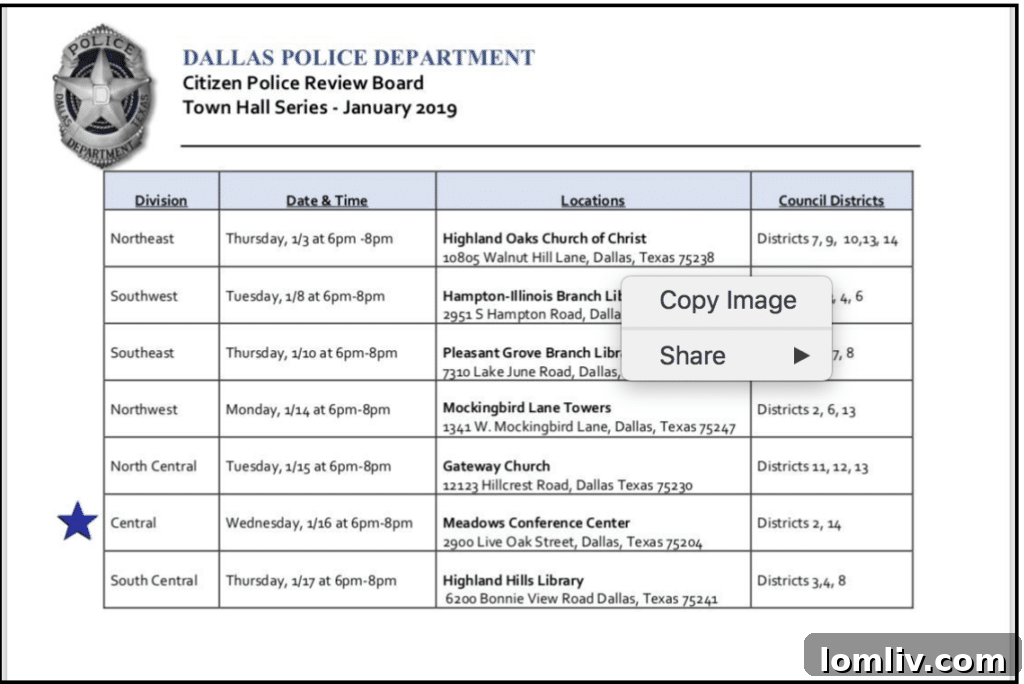
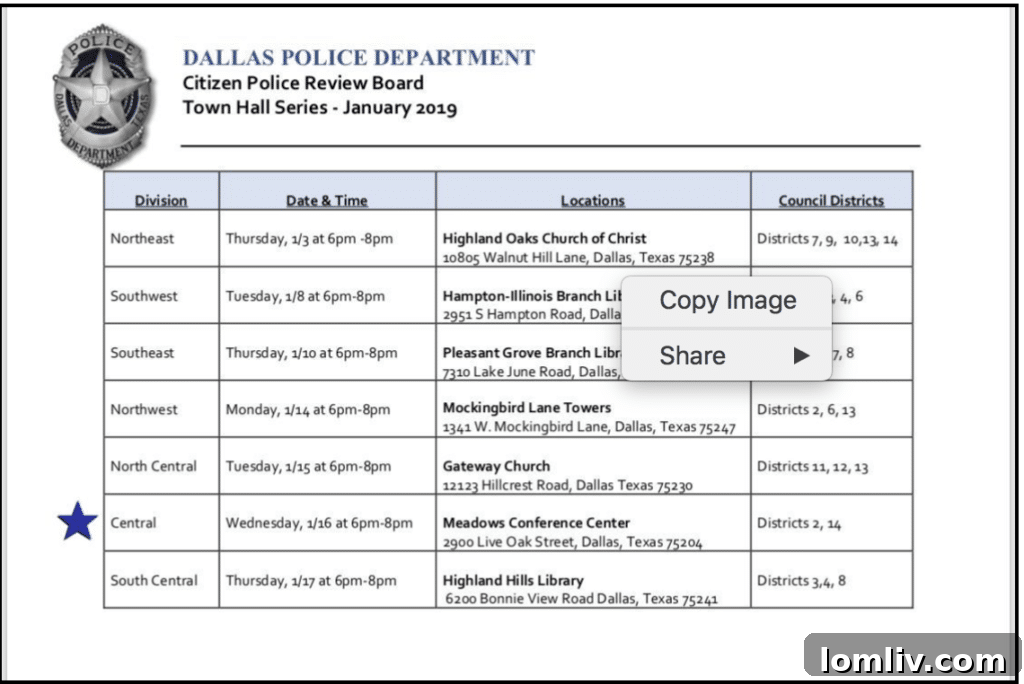
Before critical policies are enacted, the Dallas City Council often engages in a series of public education meetings. This approach, while sometimes perceived as a formality for decisions already made, aims to inform citizens about impending changes. One such pivotal meeting, the fifth in a series, recently convened in North Dallas. Held at Gateway Church on Hillcrest Road, this event brought together residents from three northern city council Districts (11, 12, and 13) to discuss the proposed reforms. The gathering was well-attended and, at times, characterized by spirited debate, reflecting the community’s diverse perspectives on police accountability.
Public Discourse: Unpacking Community Concerns in North Dallas
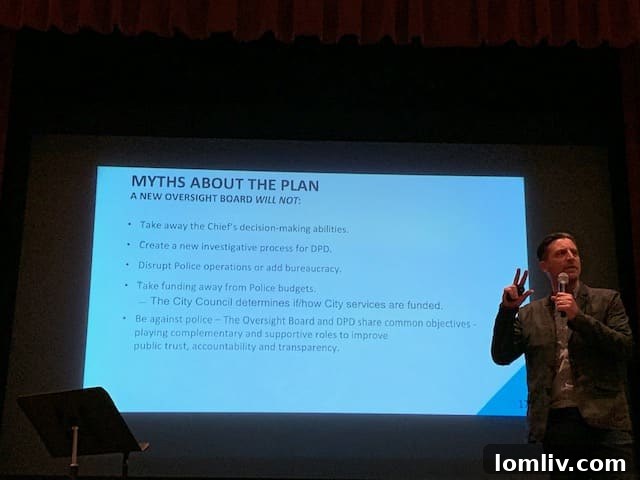
During the lively North Dallas meeting, citizens voiced a range of concerns regarding the proposal to grant the CPRB “new teeth.” A primary point of contention revolved around the prospect of empowering the board with subpoena authority. Many residents expressed apprehension that such powers could lead to the creation of a potentially politicized bureaucracy, introducing an additional layer of complexity to police operations. Furthermore, some attendees felt that strengthening the review board inherently implied a presumption of police misconduct, a sentiment articulated by one resident who stated it was “insulting police by assuming that they are doing something wrong in the first place.”
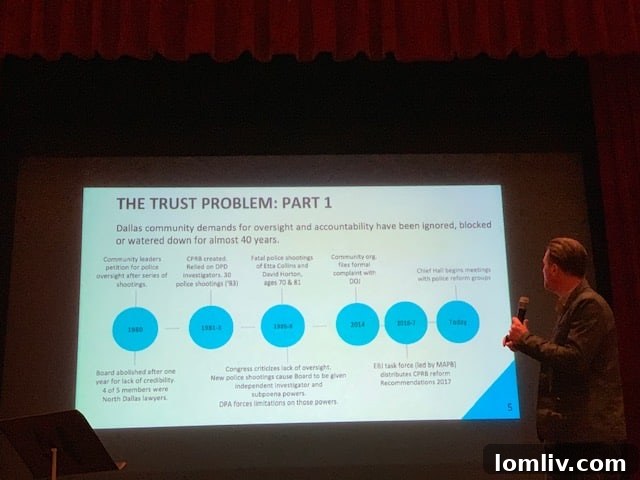
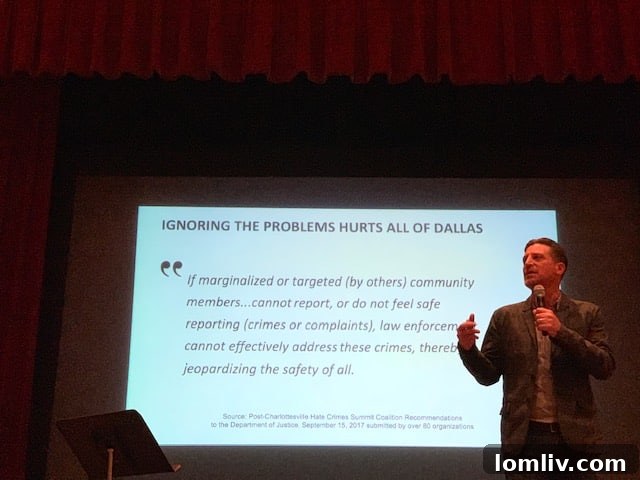
Paul Hille, a representative for the CPRB, stepping in for Chair Dr. Brian Williams (an appointee of Mayor Rawlings), addressed the audience. He highlighted a striking disparity: Dallas reportedly has significantly fewer complaints against its police force compared to cities of similar size. Hille attributed this not necessarily to a lack of incidents, but to a perceived fear among many Dallas residents to vocalize negative experiences with police. He even noted the historical absence of a standardized form for citizens to file complaints, a barrier that undoubtedly contributed to underreporting. For many in the room, a group largely perceived as supportive of law enforcement, the very existence of the CPRB was unfamiliar, underscoring the need for greater public awareness and accessibility.
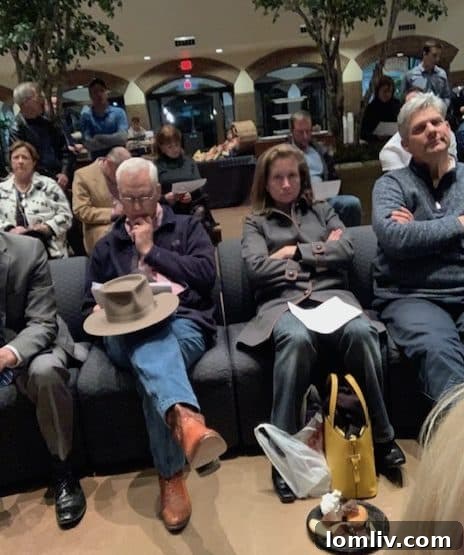
The atmosphere of the meeting at Gateway Church was notably orchestrated to encourage dialogue, despite the underlying tensions. The venue was thoughtfully arranged cafe-style, with seating for four at each table, and many attendees opting for sofas, creating an environment that felt less like a contentious public forum and more akin to an intimate dinner theater. An officer present revealed that Gateway’s coordinator, with a background in psychology, purposefully designed the layout and provided a generous spread of sandwiches, cookies, water, and iced tea (with wine reportedly served at earlier district meetings) to foster a calming and open atmosphere. The presence of Police Chief U. Renee Hall also underscored the gravity of the discussions.
From Recommendations to Enforcement: The Scope of Proposed Reforms
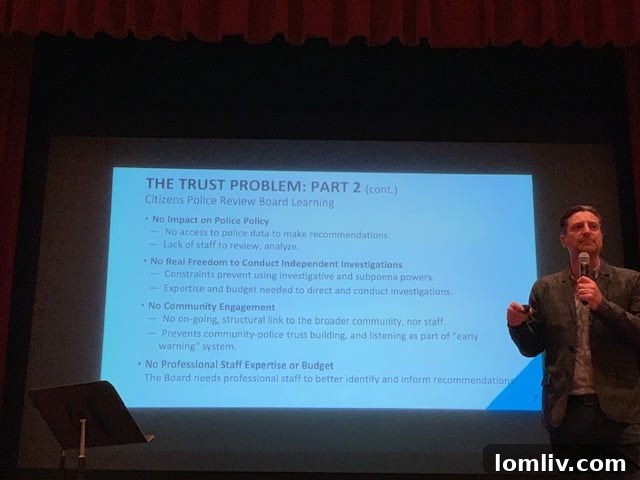
Understanding the proposed changes requires a clear distinction between the current and projected capabilities of the Citizens Police Review Board. Presently, the CPRB operates primarily as an advisory body. Appointed by the City Council, its mandate is limited to making recommendations on police investigations and verifying that complaints have been processed appropriately by the Dallas Police Department’s internal mechanisms. Critically, the current board lacks any independent investigative powers. This means it cannot subpoena officers, nor can it conduct its own independent inquiries into incidents such as on-the-job misconduct, inappropriate use-of-force situations, or officer-involved shootings. Its role is largely reactive and dependent on internal police findings.
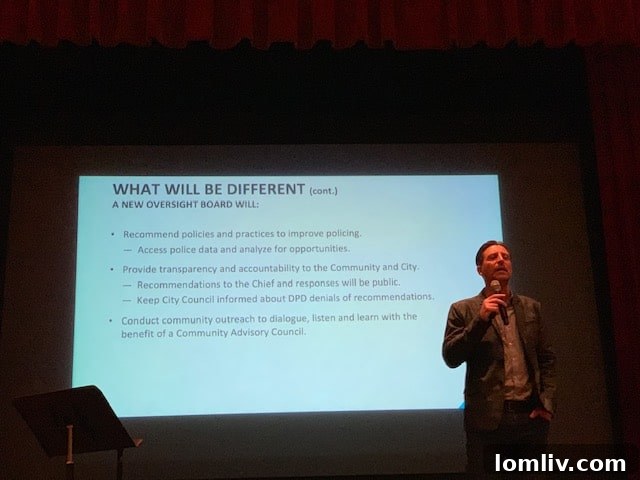
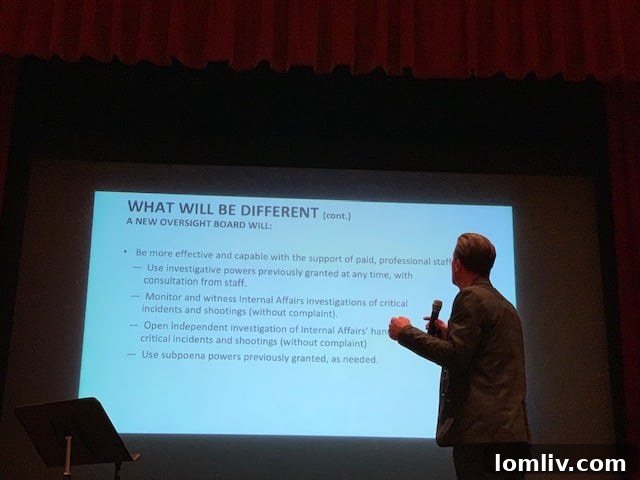
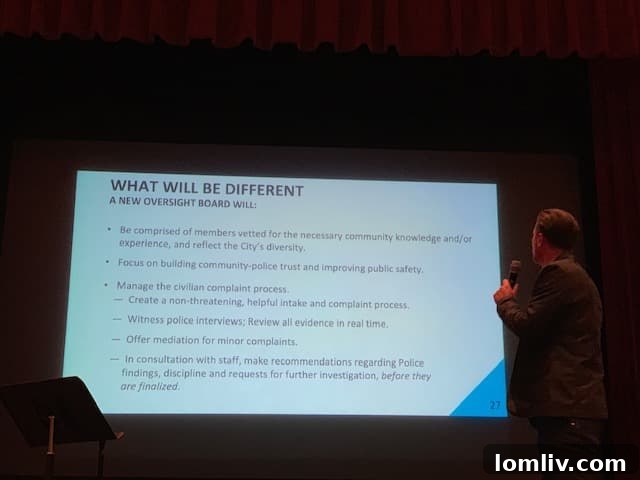
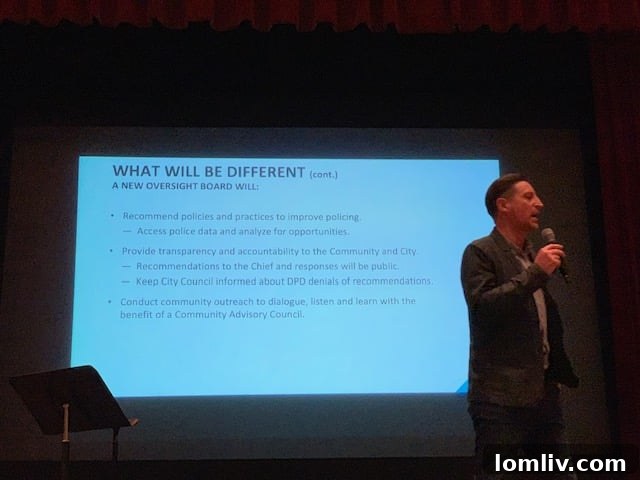
The proposed enhancements to the CPRB represent a paradigm shift, equipping the board with substantive authority. Under the new framework, the review board would be granted independent investigative powers, backed by its own budget. Crucially, it would gain the authority to subpoena officers and access relevant documents, enabling it to conduct thorough, unbiased examinations of alleged misconduct. Perhaps the most significant change is the power to overrule findings and recommendations from police Internal Affairs investigations. This expansion of power is designed to ensure a more robust system of checks and balances, providing an external layer of accountability that is independent of the police department itself.
The public meeting was punctuated by two intense “crescendos” during the initial hour-long presentation, followed by an additional ninety minutes of resident questions and concerns. These moments vividly underscored the deep-seated issues at the heart of the police oversight debate.
Voices from the Community: Testimonies that Shaped the Discourse
Addressing Racial Disparities and Police Accountability
One of the most poignant moments came from a young Black man who courageously spoke, highlighting his racial identity in a room predominantly composed of non-Black individuals. His initial remarks were met with some boos, a reaction swiftly quelled by a North Dallas DPD officer who reminded the audience of the need for decorum and warned that disruptions would result in removal. The young man then powerfully articulated the historical and ongoing targeting of Black people by law enforcement, specifically referencing the recent, tragic shooting death of Botham Jean in his own home by a Dallas police officer. He emphasized the critical necessity of a strengthened CPRB, asserting that regardless of individual realization or willingness, the Black community was committed to enacting change for police accountability.
This brave testimony created a palpable, albeit momentary, chilling effect in the room. It served as a stark reminder of historical racial tensions and the profound impact of perceived injustices on community-police relations, echoing echoes of past societal divides.
The Quest for Justice: Lessons from the Tobolowsky Case
The second major crescendo involved the family of the late attorney Ira Tobolowsky. They presented a meticulously detailed account of how the Dallas Police allegedly mishandled crucial evidence in the murder investigation of their loved one. Reading from a three-page, hand-typed letter, a relative of Mr. Tobolowsky laid out a compelling case of significant procedural failures that reportedly began the moment police and fire services arrived at the crime scene in May 2016, at the family’s Janmar home in North Dallas. The audience listened in horror as the speaker recounted the family’s fruitless appeals to two successive police chiefs, David Brown and then Chief Hall, both of whom seemingly provided no resolution. This testimony powerfully illustrated the real-world consequences of investigative shortcomings and the devastating impact on victims’ families seeking justice.
Further personal accounts underscored the varied experiences with law enforcement. Another woman, whose Black son had been killed by police, emotionally described the profound sense of unfair targeting felt by families of Black victims. In contrast, realtor and activist Diane Benjamin recounted a quick police response when she was robbed in her driveway, yet she remained vehemently opposed to a stronger board and the community groups advocating for it. Conversely, another young woman detailed a recent mugging in her North Dallas driveway, highlighting a distressing 40-minute wait for police assistance, emphasizing the inconsistencies in response times.
Navigating the Complexities: Arguments For and Against Expanded Powers
Amidst these compelling testimonies, a significant portion of the audience expressed staunch support for the Dallas Police Department. Many voiced anger over persistent understaffing within the department, lamented inadequate police pay compared to neighboring cities, and acknowledged the overwhelming burdens placed upon law enforcement. Police officers are often expected to fulfill multifaceted roles, acting not only as enforcers of the law but also as social workers, psychologists, and parental figures, in addition to maintaining civility within public spaces, as observed during the meeting itself. This widespread sentiment highlighted the delicate balance between demanding accountability and ensuring the police force is adequately supported and resourced.
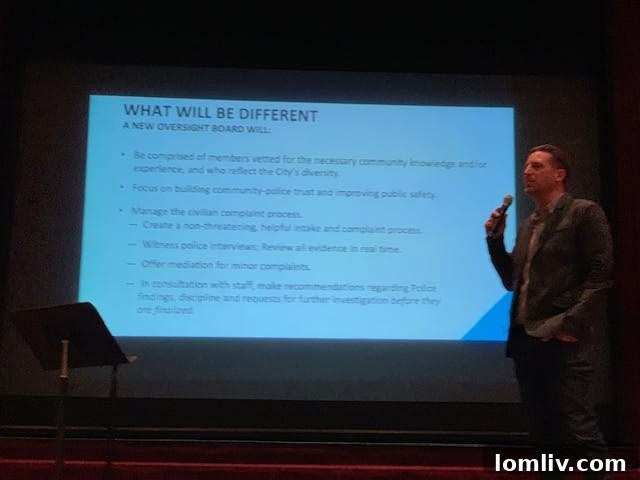
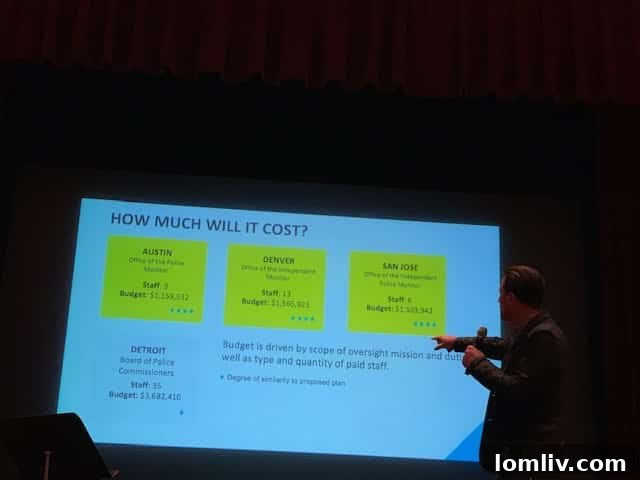
A pertinent question was raised regarding surrounding communities: do neighboring cities, which often attract Dallas-trained officers, possess strong police review boards? This query implicitly challenged the notion that Dallas’s efforts to strengthen its board might disproportionately disadvantage its police force. Comparative data was presented, referencing cities like San Jose, Austin, Denver, and Detroit, which presumably have established, more robust oversight mechanisms. The proposed stronger board in Dallas would be able to subpoena officers, establish an independent investigative arm, implement police policy, and conduct external investigations into public complaints, ultimately making recommendations for disciplinary action against officers. The current composition of the board, as revealed, primarily consists of male members, many with backgrounds in law or law enforcement, highlighting the need for “qualified individuals” for future appointments. Further details on current board members can be found on the Dallas City Hall website.
Concerns over Board Composition and Potential Political Influence
Despite the perceived benefits of a stronger board, significant concerns were raised regarding its practical implementation. District 11 resident Bill Caruth articulated a key reservation, pointing out that critical decisions about policing procedures and officer conduct would be made by a “lay panel” – individuals potentially lacking specialized training in police operations and protocols. This lack of expertise, he argued, could lead to ill-informed decisions that might inadvertently hinder effective law enforcement. Another attendee suggested that because appointments to an empowered board would originate from City Council members, the process could become overly politicized, potentially compromising the board’s impartiality and effectiveness. To mitigate these risks, a more cautious approach was proposed: implementing a smaller-scale version of the enhanced board first, allowing for “baby steps” to test its efficacy and refine its structure before full-scale expansion.
The Road Ahead: Fostering Trust and Accountability
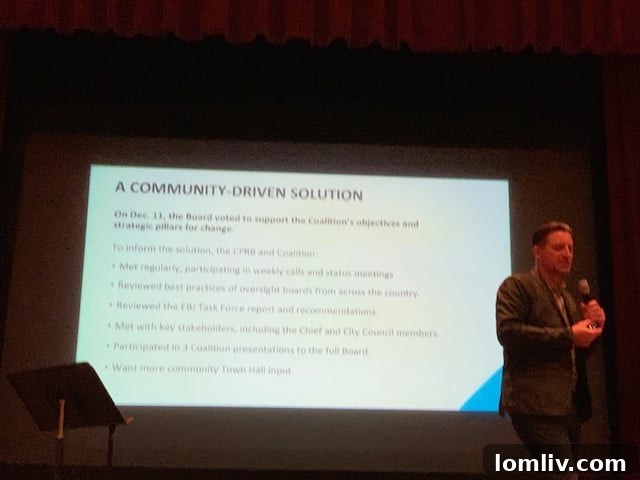
The impetus for a stronger review board dates back to 2017, originating from collaborative discussions between City Manager T.C. Broadnax and Dallas Police Chief Reneé Hall. These leaders engaged with a coalition of community groups, notably the Dallas Community Police Oversight Coalition, which had been vocally expressing anger and concern over police behavior. This collective call for reform escalated to crisis proportions following the tragic death of Botham Jean in September, the young Black man fatally shot in his home by former Dallas police officer Amber Guyger. This incident profoundly underscored the urgent need for systemic changes in police accountability and community trust.
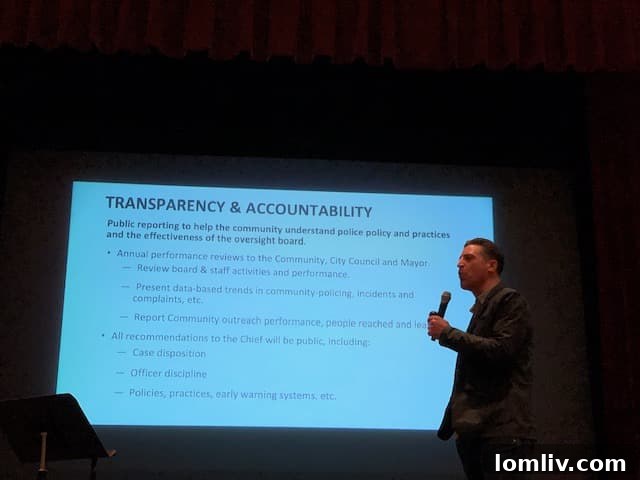
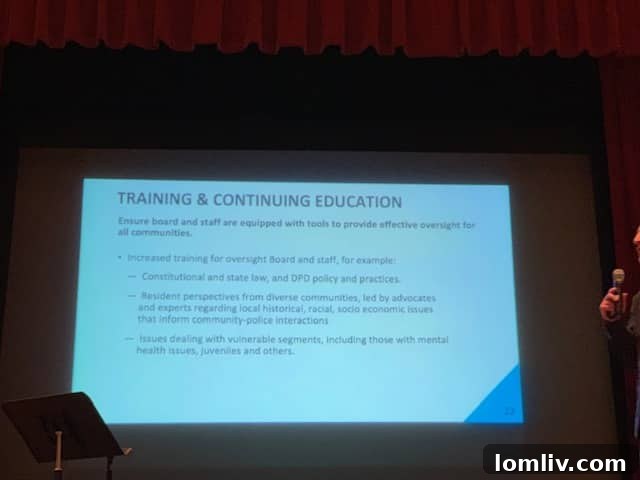
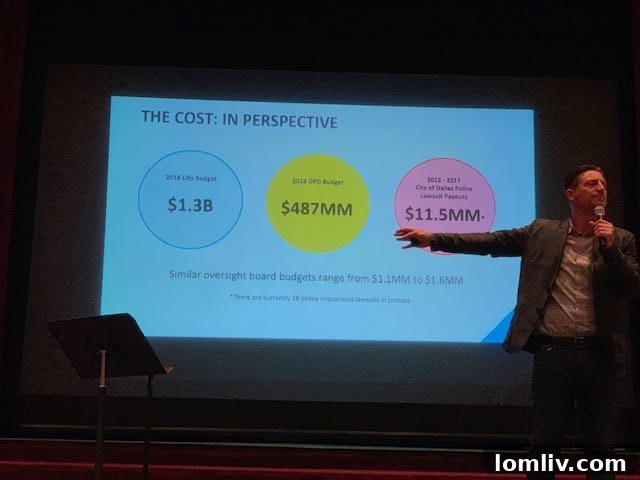
The Dallas Community Police Oversight Coalition has advocated for accessible channels for citizens to file complaints about officers, recommending both online and in-person options. This recommendation has already been partially implemented, with complaint submission now available on the DPD website. Additionally, an “early warning monitoring system” is currently under development. This system is designed to allow supervisors to proactively monitor, report, and archive officer actions, thereby improving accountability and potentially preventing issues before they escalate. However, the coalition believes that the true strength of police oversight lies in granting citizens subpoena and independent investigative powers, along with the authority to override police Internal Affairs investigations and their outcomes. This particular aspect remains the core point of contention and concern for many citizens who attended Tuesday night’s meeting.
The most impactful comment of the evening came from a West Texas man of Indian origin, who identified himself as a member of “the originally mistreated American population.” He shared that he had always maintained respect when stopped by police as a young man and, as a result, had never encountered problems with law enforcement. He expressed deep concern over what he perceived as a growing lack of respect for police within society. His eloquent plea asked why it wasn’t possible to look beyond “political correctness” and work collaboratively for the greater good of America. He voiced a sobering concern that if society continues to undermine police, the city of Dallas, already grappling with officer retention challenges, might face a further reduction in its police force. Despite the late hour and the collective desire to conclude the meeting, his comments resonated profoundly, eliciting arguably the loudest applause of the entire evening.
Conclusion: Balancing Authority and Trust in Dallas Policing
The journey to strengthen the Dallas Citizens Police Review Board is a complex undertaking, reflecting a nationwide dialogue on police accountability and community trust. While the city council moves towards granting the board enhanced powers, including subpoena authority and independent investigative capabilities, the discussions reveal a delicate balance between advocating for robust oversight and ensuring the continued support and effectiveness of the Dallas Police Department. The emotional testimonies and varied perspectives shared at the North Dallas meeting underscore the deep impact of policing on individual lives and the broader community. As Dallas moves forward, the challenge will be to implement reforms that genuinely enhance accountability and transparency without inadvertently alienating the police force, ultimately striving for a system where both law enforcement and the citizens they serve can operate with mutual respect and confidence.