The landscape of urban development is continuously evolving, driven by innovation, sustainability, and changing societal needs. A recent gathering at the National Association of Real Estate Editors (NAREE) spring conference in Houston brought into sharp focus some of the most exciting and challenging trends shaping the future of real estate, particularly in the commercial and high-rise sectors. Esteemed industry leaders convened to share insights, with a keynote address that highlighted transformative advancements in building materials and design philosophies.
Among the distinguished speakers was C. Hastings “Hasty” Johnson, the Vice Chairman and Chief Executive Officer of Hines, a global real estate investment, development, and management firm renowned for its commitment to quality and innovation. Johnson’s presentation offered a glimpse into the cutting-edge materials poised to revolutionize how we construct and inhabit high-rise buildings. He captivated the audience with discussions around unique glass technologies, particularly mentioning a type of dynamic glass designed to self-darken in response to direct sunlight. This ingenious material holds the potential to transform entire glass walls or even full building exteriors into massive, functional solar panels. Such an advancement could significantly boost energy efficiency, offering buildings the dual benefit of enhanced thermal control and active energy generation.
However, this promising technology also introduces a new layer of complexity, particularly concerning legal and urban planning frameworks. Johnson astutely pointed out that if a building’s facade effectively becomes a giant solar collector, it could potentially raise significant legal issues. For instance, if a new high-rise were to block a neighboring property’s sunlight, it would not merely be obstructing a view or ambient light; it would also be impeding their potential source of energy. This scenario could lead to novel disputes over “solar access rights” or “rights to light,” requiring reevaluation of existing property laws, zoning regulations, and urban development policies to ensure equitable resource distribution and prevent future conflicts among property owners.
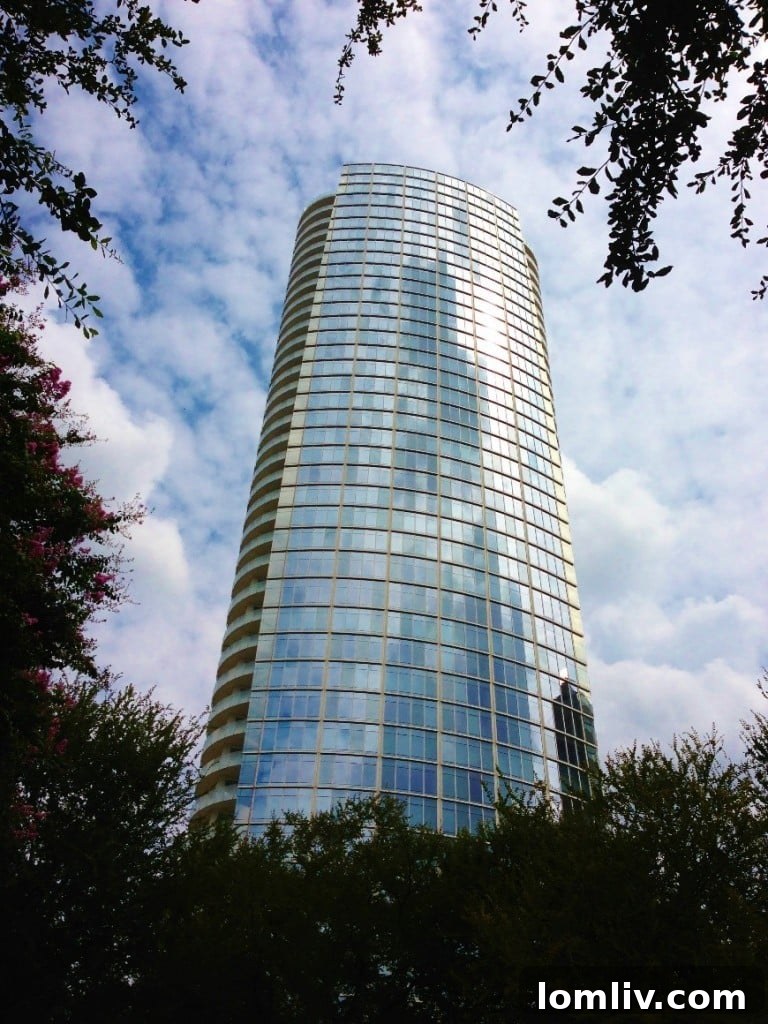
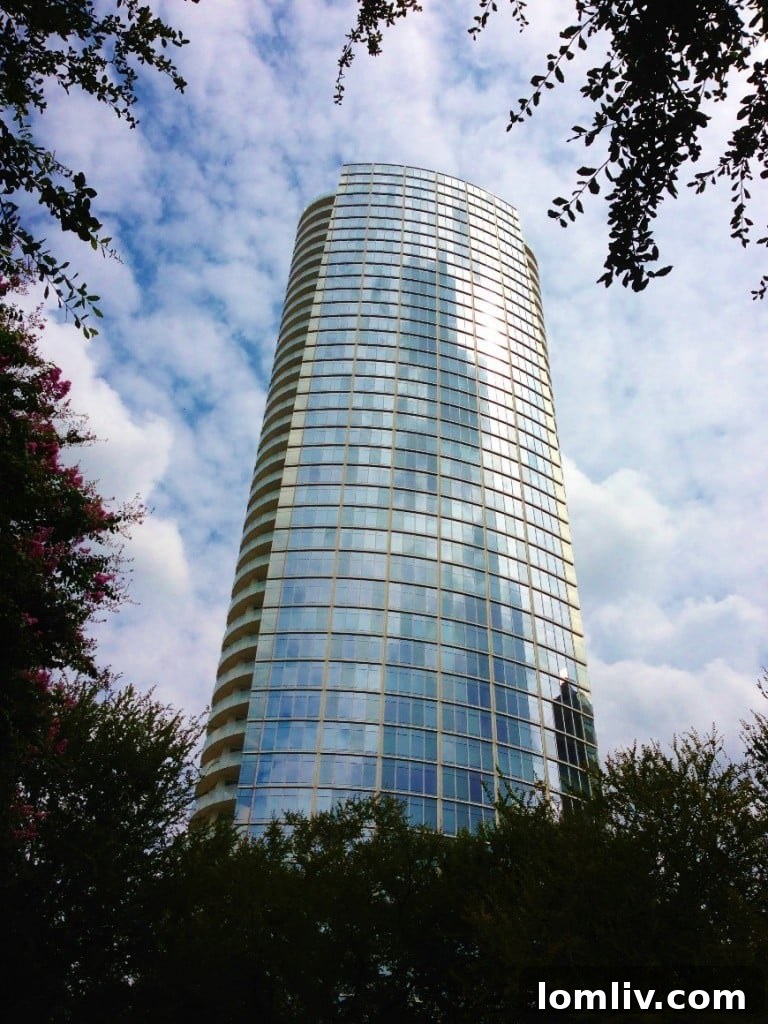
The concept of smart glass immediately brought to mind ongoing challenges faced by contemporary architectural marvels, particularly the striking Museum Tower in Dallas. This luxurious residential high-rise, like many modern structures, features extensive use of energy-efficient glass, which, while beneficial for internal climate control, has inadvertently led to significant reflectivity issues impacting its surroundings. The intense glare, often described as concentrated sunlight and heat, has been a source of contention for years, affecting nearby cultural institutions like the Nasher Sculpture Center and residents in adjacent buildings.
Recognizing the urgency and complexity of these “glare wars,” immediate follow-up conversations with industry experts revealed proactive steps being taken. Johnson briefly confirmed that Hines, a company known for its problem-solving prowess in complex real estate developments, is actively involved in collaborating with the Museum Tower team to devise a sustainable and effective solution to the reflectivity problem. George C. Lancaster, a Senior Vice President at Hines, further underscored the firm’s commitment, expressing strong confidence in their ability to overcome the glare challenge. This collaboration highlights the industry’s dedication not only to pushing architectural boundaries but also to responsibly addressing the unforeseen impacts of advanced building technologies.
The Museum Tower saga is a prime example of the delicate balance between aesthetic ambition, energy efficiency goals, and urban harmony. The building’s use of highly reflective low-emissivity (low-e) glass, designed to minimize heat transfer and reduce energy consumption, inadvertently created a magnifying glass effect. This effect intensified sunlight, raising temperatures, damaging vegetation, and causing discomfort for people and art alike in its vicinity. Addressing this requires a multi-faceted approach, potentially involving specialized reflective films, external shading systems, fritted glass panels, or even landscaping solutions designed to mitigate glare without compromising the building’s architectural integrity or its energy performance targets. Hines’ involvement suggests a robust, research-backed effort to find a long-term resolution that satisfies all stakeholders.
In a pivot to other significant developments impacting the Dallas urban fabric, George C. Lancaster also inquired about the recent leadership changes within the Dallas Police & Fire Pension System (DPFPS). This query, coming from a leading real estate executive, underscored the interconnectedness of various sectors—real estate, finance, and public administration—within a vibrant city like Dallas. The DPFPS, a critical institution responsible for the retirement security of thousands of police officers and firefighters, had been navigating a period of significant turmoil marked by financial challenges, controversial investment strategies, and intense public scrutiny.
Indeed, the news of the leadership reshuffle had reverberated widely, signaling a potential turning point for the beleaguered pension fund. Lancaster’s subsequent observation that “a lot of the problem has been PR” was particularly insightful. This comment highlighted the crucial role of transparent and effective public relations, especially for public institutions managing significant trust and capital. A lack of clear communication, perceived opacity, or an inability to articulate strategies effectively can erode public confidence, regardless of underlying operational efforts. His remarks proved prescient, as public relations strategies were indeed undergoing a fundamental overhaul.
Reports from reliable sources, including an article by Rudy Bush in The Dallas Morning News, confirmed that the DPFPS board had, on the preceding day, voted to terminate its contract with Spaeth Communications, their long-standing public relations agency, effective immediately. This decisive move indicated a clear intent by the new leadership to rebrand, rebuild trust, and adopt a fresh communication strategy. The candid assessment from Dallas City Councilman Lee Kleinman, when asked about interim PR arrangements, resonated deeply: “I don’t know if we could do any worse,” he was quoted as saying. This stark statement encapsulated the widespread dissatisfaction with the prior communication efforts and underscored the urgent need for a more credible and effective approach to public engagement for the pension system.
Returning to the luxury residential market, despite the highly publicized challenges surrounding its reflectivity, Museum Tower in Dallas continues to attract discerning buyers. The market performance indicates a steady, albeit perhaps not explosive, demand for high-rise living in the city’s prestigious Arts District. In the preceding three months alone, the development successfully closed 10 unit sales, demonstrating consistent buyer interest and a stable transaction pace. Furthermore, the sales pipeline remains robust, with more solid activity anticipated, suggesting sustained confidence among potential residents.
Since its luxury condominium sales launch last January, Museum Tower has achieved an impressive 30 percent sales rate. This figure represents a significant portion of its units now occupied by or under contract to residents who appreciate the unique lifestyle and amenities offered by urban high-rise living. Buyers are often drawn to its unparalleled views, prime location amidst world-class cultural institutions, sophisticated design, and exclusive services. The ongoing efforts to definitively resolve the glare issue are expected to further bolster buyer confidence and potentially accelerate sales, solidifying Museum Tower’s position as a premier luxury address in Dallas. The continued sales momentum, even amidst public discourse about its architectural challenges, underscores the enduring appeal of well-located, high-quality urban residences for those seeking a vibrant and elevated city lifestyle.