A Dallas Landmark and a Call for Respect: The O’Neil Ford Masterpiece Amidst Tragedy
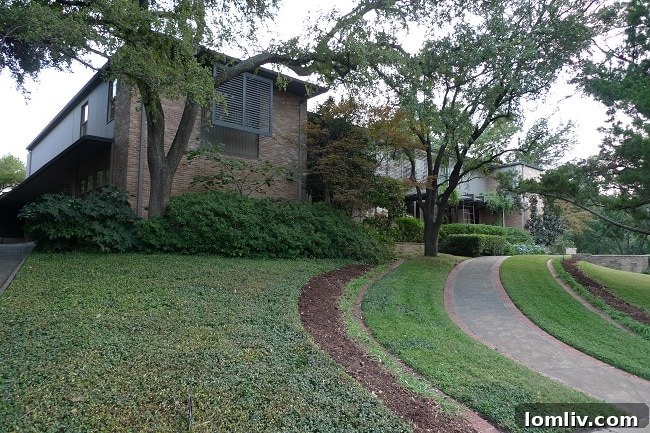
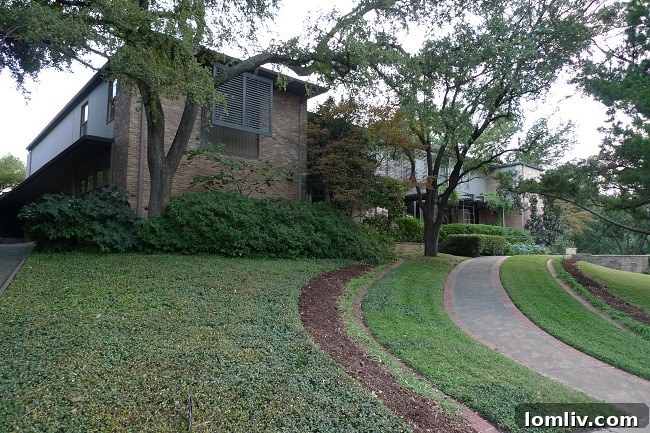
Dallas, a city known for its vibrant spirit and impressive architectural landscape, is home to numerous iconic residences that tell stories of legacy, design, and discerning taste. Among these, few stand out quite like the magnificent property nestled at the esteemed corner of Armstrong Parkway and St. Johns. This grand estate, an architectural marvel designed by the legendary O’Neil Ford in 1954, has long been a quiet beacon of elegance in one of the city’s most prestigious neighborhoods. However, this revered landmark recently found itself at the heart of a concerning issue, following the passing of its esteemed owner, Mr. Jack G. Penson.
Mr. Penson, a prominent Dallas businessman and dedicated philanthropist, left an indelible mark on the community before his passing on September 25th. While his family and the community mourned the loss of a truly impactful individual, a wave of unsolicited inquiries regarding the sale of his iconic 8,900-square-foot residence began to deluge his grieving family. This immediate onslaught from eager developers and realtors, seemingly “combing the obits” for their next high-profile listing, has sparked a necessary conversation about professional ethics, human decency, and the appropriate boundaries in the relentless world of luxury real estate. This situation compels us to reflect on the importance of respect, especially during times of profound loss, and to truly appreciate the enduring legacy of both the man and the architectural masterpiece he called home.
Remembering Jack G. Penson: A Pillar of the Dallas Community
Jack G. Penson was more than just a homeowner; he was a foundational figure in the Dallas landscape, a man whose influence spanned the realms of business and philanthropy. His professional acumen contributed significantly to the economic prosperity and dynamic growth that characterizes Dallas today. Beyond his business achievements, Mr. Penson was renowned for his profound commitment to giving back. His philanthropic efforts touched countless lives, supporting a diverse array of causes, from educational institutions and healthcare initiatives to arts and culture organizations. He believed deeply in the power of community investment and consistently demonstrated a dedication to enhancing the quality of life for all Dallas residents.
Mr. Penson’s life embodied the spirit of civic responsibility and generosity. He was a quiet leader, often preferring to let his actions speak louder than words, yet his impact resonated widely. His passing on September 25th marked a significant loss for the entire city, signaling the departure of an individual who genuinely cared about the welfare and future of Dallas. The void he leaves behind is not just within his family and close circle but extends to the many organizations and individuals who benefited from his unwavering support and vision. It is against this backdrop of profound community grief that the subsequent events surrounding his cherished home become particularly poignant, highlighting a stark contrast between a life dedicated to contribution and the immediate, impersonal pursuit of commercial gain.
The Architectural Brilliance of the Penson House: A Testament to O’Neil Ford’s Vision
The house itself is not merely a large residence; it is a significant piece of Texas architectural history, a true O’Neil Ford original built in 1954. Ford, often regarded as one of Texas’s most influential architects of the 20th century, was a visionary whose work uniquely blended modernism with a profound respect for regional materials and craftsmanship. His designs were characterized by their seamless integration with the natural environment, their innovative use of local resources like wood, brick, and stone, and an emphasis on natural light and open, flowing spaces. Ford’s philosophy centered on creating homes that were both functional and beautiful, deeply rooted in their context while pushing the boundaries of contemporary design.
The Penson House, spanning an impressive 8,900 square feet, stands as a prime example of Ford’s genius. Situated on a coveted corner lot at Armstrong Parkway and St. Johns, its exterior immediately conveys a sense of grandeur and timeless sophistication. Inside, the residence likely showcases the meticulous detailing and bespoke elements that were Ford’s signature. Imagine expansive living areas bathed in natural light filtering through strategically placed windows, offering picturesque views of carefully landscaped grounds. Envision custom millwork, hand-finished surfaces, and thoughtfully designed spatial relationships that encourage both intimate family moments and grand entertaining.
Each room in a Ford-designed home typically tells a story, reflecting a deep understanding of materials and how they interact with light and shadow. The generous scale of the Penson House would have allowed Ford ample scope to create distinct zones for living, dining, and private reflection, all while maintaining a cohesive and harmonious aesthetic. It’s a property that transcends mere square footage, offering an experience of architectural integrity and artistic vision that is increasingly rare in today’s build-and-flip market. For architecture enthusiasts and preservationists, it represents a tangible link to a pivotal era in American design, particularly within the Texas modern movement.
The location further amplifies its desirability. Armstrong Parkway and St. Johns are addresses synonymous with prestige in Dallas. Nestled within the highly sought-after Highland Park or University Park area, the property benefits from proximity to top-tier schools, upscale boutiques, gourmet dining, and lush parks. This exclusive enclave is known for its tree-lined streets, meticulously maintained estates, and a strong sense of community, making it one of the most coveted residential areas in the United States. Owning a piece of architecture like the Penson House in such a prime location is not just about real estate; it’s about acquiring a slice of Dallas history and a legacy of refined living.
A Disheartening Deluge: The Ethical Quandary of Immediate Solicitations
Against this backdrop of architectural significance and profound personal loss, the immediate aftermath of Mr. Penson’s passing brought a deeply unsettling turn of events. Almost instantaneously, his family was reportedly inundated with a flood of letters and phone calls from developers and real estate agents, all vying for the opportunity to acquire or list the iconic O’Neil Ford residence. This aggressive and untimely pursuit of a property, while the family was still navigating the raw grief of losing a loved one, raises serious questions about professional conduct and basic human empathy.
The phrase “combing the obits” starkly illustrates the perceived modus operandi of some within the real estate industry – an approach that prioritizes opportunistic gain over human sensitivity. For a family in mourning, these unsolicited approaches represent more than just an inconvenience; they are an invasion of privacy and a profound disrespect for their period of bereavement. The expectation that a family should immediately consider liquidating a cherished home, especially one so deeply tied to the deceased’s identity and legacy, is not only unrealistic but also profoundly insensitive. It adds an immense burden to an already emotionally fragile time, transforming a private tragedy into a public commodity.
This phenomenon speaks to the relentless and often cutthroat nature of the high-end real estate market, particularly in a city like Dallas where iconic properties are scarce and demand is fierce. While the market operates on supply and demand, there’s an implicit expectation of professionalism and ethical conduct that dictates how these transactions should be initiated. Ignoring this code of conduct not only harms the reputation of the individuals involved but also casts a shadow over the entire industry. It strips away the human element from what should be a dignified process, reducing a family’s legacy and grief to mere market opportunity.
A Plea for Patience and Professionalism: Upholding Respect in the Face of Loss
The Penson House, with its rich history and exceptional architectural pedigree, will undoubtedly find a discerning new owner in due course. Its significance, both as an O’Neil Ford masterpiece and as the former home of a distinguished Dallas figure, ensures its lasting appeal. However, the manner in which inquiries are made reflects not just on the eager buyer or agent, but on the broader community’s values. It serves as a potent reminder that even in the most competitive markets, there must remain a fundamental commitment to respect, empathy, and ethical conduct.
As we reflect on this situation, the simple plea resonates profoundly: “Please people, show some respect!” This is not just a call for civility, but a vital reminder that behind every grand property lies a human story, often intertwined with profound emotions and deeply personal memories. Allowing families the space and time to grieve, to process their loss, and to determine their future course of action on their own terms is not just good manners; it is an essential demonstration of our shared humanity. The legacy of Jack G. Penson and the architectural marvel he resided in deserve no less than this thoughtful consideration and dignified approach.