A woman fanning herself due to the uncomfortable temperature of her home.
Image Source: dreamstime.com
For homeowners living in two-story or three-story residences, the challenge of maintaining a consistent, comfortable temperature across all levels is a familiar and often frustrating ordeal. One floor might feel like a sauna while another remains stubbornly chilly, leading to daily battles with the thermostat and significant discomfort. This common issue, known as uneven heating, not only impacts daily living but can also contribute to higher energy bills as your heating system struggles to compensate for imbalances.
The causes of uneven heating are diverse, ranging from simple fixes to more complex system inefficiencies. Understanding these underlying issues is the first step toward restoring comfort and efficiency to your home. Before reaching out for professional HVAC or electrical services, a systematic troubleshooting approach can help pinpoint the problem. This comprehensive guide will walk you through the primary reasons multi-story homes experience uneven heating, provide actionable steps for diagnosing and resolving these issues, and offer practical tips for improving your home’s thermal balance. By the end, you’ll be equipped with the knowledge to make your entire home consistently comfortable.
Understanding Uneven Heating in Multi-Story Homes
A man insulating a window frame with rubber insulation
Image Source: dreamstime.com
At its core, the primary culprit behind uneven heating in multi-level homes is a fundamental principle of physics: heat rises. Warm air is less dense than cold air, causing it to naturally ascend to the upper floors. This phenomenon explains why your upstairs bedrooms often feel significantly warmer than your downstairs living areas, especially during the colder months when your heating system is actively engaged. The heated air from your furnace or heat pump is propelled into the ductwork, and as it circulates, the warmest air tends to accumulate at the highest points in your home.
However, while heat convection plays a significant role, it’s rarely the sole factor. Several other elements can exacerbate this natural tendency, creating pronounced temperature differences. Identifying these specific issues is crucial for an effective solution.
- Poor Airflow or Blocked Vents: Restricted airflow is a common and easily overlooked cause of uneven heating. If your heating system cannot deliver air efficiently, certain rooms or entire floors will suffer. This can be due to various reasons, such as supply or return vents being inadvertently blocked by furniture, rugs, or curtains. Similarly, a clogged or dirty air filter severely impedes the system’s ability to pull air in and push conditioned air out, straining your furnace or heat pump and reducing its overall effectiveness. Dirty ductwork can also accumulate debris, further narrowing passages and restricting flow over time.
- Leaky Ductwork: Your home’s ductwork acts as the circulatory system for your heated air. If there are cracks, gaps, or poorly sealed connections in this system, a significant amount of warm air can escape into unconditioned spaces like attics, crawl spaces, or wall cavities before it ever reaches its intended destination. This not only results in colder rooms but also represents a considerable waste of energy, forcing your heating system to work harder and longer to compensate for the lost heat. Leaky ducts can reduce system efficiency by as much as 20-30%, directly impacting your comfort and utility bills.
- Inadequate Insulation: Insulation acts as a barrier, slowing the transfer of heat in or out of your home. Older homes, in particular, often have insufficient insulation, especially in critical areas like the attic, exterior walls, and around windows and doors. Poorly insulated spaces allow warm air to escape rapidly from the conditioned living areas, causing rooms farther from the heating unit or exposed to the elements to feel cold. The attic is a major culprit, as heat escaping through the ceiling can leave lower floors feeling cooler, while inadequate wall insulation contributes to drafts and cold spots.
- Suboptimal Thermostat Placement: The location of your primary thermostat is critical, as it dictates when your heating system turns on and off for the entire house. If your thermostat is situated in an unusually warm spot—such as near a sunny window, a heat-generating appliance like a refrigerator, or a heat register—it might sense that the house is warmer than it truly is and shut off prematurely. This leaves other, cooler areas of your home, especially those further away or on different floors, without adequate heat. Conversely, a thermostat in a perpetually cold spot might overcompensate, making other areas too warm.
- Aging or Inefficient Heating System: Even with perfect insulation and ductwork, an old or improperly sized heating system can struggle to deliver consistent comfort. Furnaces or heat pumps that are over 10 to 15 years old may begin to lose efficiency due to wear and tear on components, reduced airflow capacity from an aging blower motor, or simply outdated technology. An undersized system may simply lack the power to effectively heat a large, multi-story home, while an oversized one can lead to short-cycling, which is inefficient and contributes to uneven temperatures.
- Excessive Sun Exposure: While natural light is desirable, direct sunlight streaming into certain rooms, especially on upper floors or south-facing sides of the house, can significantly increase their temperature. This solar gain can trick a centrally located thermostat into thinking the entire house is warm, prematurely shutting off the heating system and leaving other areas cold.
- Window and Door Seals: Just like insulation, the integrity of your windows and doors plays a critical role. Worn weatherstripping, unsealed frames, or single-pane windows allow cold air to infiltrate the home, creating drafts and cold pockets, particularly on the lower levels.
Step-by-Step: How to Troubleshoot Uneven Heating
A homeowner adjusting her thermostat
Image Source: dreamstime.com
Before calling in the experts, many uneven heating issues can be diagnosed and even resolved with a bit of DIY investigation. Here’s a structured approach to troubleshooting your home’s heating problems.
Step 1: Perform Initial Airflow Checks
Begin by inspecting the most basic components of your heating system: your vents and air filter. Walk through every room in your house, ensuring that all supply and return air vents are fully open and unobstructed. It’s surprisingly common for furniture, drapes, or rugs to partially or completely block vents, significantly impeding airflow. Make sure no vents are accidentally closed, which can happen during cleaning or redecorating. A simple visual inspection and a check for airflow by hand can quickly identify blockages.
Next, locate your furnace or heat pump’s air filter. A clogged air filter is one of the most frequent culprits of reduced airflow and system inefficiency. If it appears dark, dusty, or heavily soiled, it’s time for a replacement. A clean filter allows your system to breathe easily, ensuring proper air distribution and extending the life of your unit. Aim to check and replace your filter every 1-3 months, especially during peak heating seasons or if you have pets or allergies.
Step 2: Evaluate Your Thermostat Setup
Your thermostat is the brain of your heating system. Its placement significantly impacts how your entire home is heated. As discussed, if your thermostat is located in an area prone to external heat sources—like direct sunlight, near a kitchen oven, or even too close to a heat-emitting television—it can register a higher temperature than the rest of your home, causing the system to cycle off prematurely. This leads to cooler temperatures in other areas.
Consider relocating your thermostat to a more centrally located interior wall, away from windows, doors, and heat sources, for a more accurate temperature reading. Alternatively, for larger or multi-story homes, upgrading to a smart thermostat with remote sensors or a zoning system can be a game-changer. Smart thermostats often come with multiple sensors that can be placed in different rooms, averaging temperatures or allowing you to prioritize heating in specific zones. This provides greater control and ensures more even heating throughout your home.
Step 3: Inspect Your Ductwork for Leaks and Damage
Ductwork leaks are insidious problems that can silently undermine your heating system’s efficiency. While not always visible, you can often detect signs of leakage. If you have accessible ductwork in your basement, attic, or crawl space, turn on your heating system and carefully inspect the ducts. Look and listen for escaping air, feel for drafts around connections, joints, and bends. You might also spot visible gaps or disconnected sections.
For minor leaks, specialized foil-backed mastic sealant or mastic tape (not standard duct tape, which degrades over time) can be used to seal the gaps. However, if you find extensive damage, multiple large leaks, or can’t access certain sections of ductwork, it’s highly recommended to consult a professional HVAC technician. They possess the tools and expertise to perform a comprehensive duct inspection, including pressure testing and using specialized cameras, to identify and properly seal all leaks. Professional duct sealing also includes ensuring the system is correctly balanced for optimal airflow.
Step 4: Explore Zoning Solutions
Zoning systems offer the most precise control over your home’s temperature, allowing you to create different heating zones, each with its own thermostat and temperature settings. This means you could set the upstairs to a cooler temperature at night while keeping the downstairs warmer, or heat only frequently used areas. A true zoning system typically involves installing motorized dampers within your ductwork that open and close based on thermostat commands, directing airflow only to specific zones.
While installing a zoning system is a significant upgrade and investment, it is often the most effective long-term solution for homes with persistent uneven heating issues. It drastically improves comfort, reduces energy waste by heating only occupied areas, and can extend the life of your main HVAC unit by optimizing its operation. Consult with an HVAC professional to assess the feasibility and cost-effectiveness of adding a zoning system to your existing setup.
Step 5: Assess Insulation and Air Sealing
Poor insulation and air leaks are major contributors to heat loss and uneven temperatures. Begin by conducting a draft test: on a windy day, hold a lit incense stick or a thin piece of tissue paper near windows, exterior doors, electrical outlets, and where walls meet ceilings and floors. If the smoke wavers or the paper flutters, you’ve found an air leak.
Addressing these leaks with weatherstripping, caulk, or foam sealant can make a significant difference. Pay particular attention to your attic insulation, as a substantial amount of heat escapes through the roof. If your attic insulation is sparse, old, or below recommended R-values for your climate zone, adding more insulation (blown-in cellulose or fiberglass, or batt insulation) can dramatically improve your home’s thermal envelope, making temperatures more consistent across all floors and reducing your energy bills. Don’t forget to check the insulation in walls, crawl spaces, and around ductwork in unconditioned areas for potential upgrades.
When It Might Be More Than Just Airflow: Electrical and Mechanical Issues
An electrical technician rewiring an outdoor HVAC unit
Image Source: dreamstime.com
Sometimes, the problem extends beyond simple airflow or insulation issues. Modern heating systems are complex machines with numerous electrical and mechanical components that must work in harmony. If any of these parts malfunction, it can lead to erratic performance and uneven heating.
Common electrical issues include faulty wiring, malfunctioning relays, a failing thermostat control board, or problems with the capacitors that help start motors. A worn-out or failing blower motor, which is responsible for pushing conditioned air through your ductwork, can lead to reduced airflow or complete system failure. Similarly, problems with the heat exchanger in a furnace or refrigerant levels in a heat pump can severely impact heating capacity and distribution.
When you’ve exhausted the simpler troubleshooting steps and your home still experiences significant temperature imbalances, or if your system is making unusual noises, frequently cycling on and off, or refusing to turn on, it’s time to call in a professional. A skilled HVAC technician, especially one who also provides comprehensive electrical services, can meticulously diagnose these underlying issues. They can test electrical connections, assess wiring integrity, measure voltage, and evaluate the performance of critical mechanical components to ensure everything is operating safely and efficiently. Companies like A-One Air, which offer both HVAC and electrical expertise, can provide a holistic diagnostic approach, often resolving complex issues more quickly and efficiently in a single visit.
Quick Fixes for Immediate Comfort
While you investigate and plan for long-term solutions, several simple adjustments can offer immediate relief and help balance the temperature in your home today:
- Open Interior Doors: Keeping interior doors open, especially between different floors or rooms, allows for better air circulation and helps equalize air pressure throughout your home. This simple act can reduce pressure imbalances that might hinder even heat distribution.
- Utilize Ceiling Fans in Reverse Mode: Most ceiling fans have a small switch that reverses their blade rotation. In winter, setting your fan to spin clockwise at a low speed pushes warm air, which naturally rises, back down into the living space. This helps redistribute heat more evenly, making rooms feel warmer without increasing the thermostat setting.
- Strategically Adjust Vents: While it’s generally not recommended to fully close vents (as it can create pressure issues for your HVAC system), you can strategically adjust them. Slightly close the vents in warmer rooms (typically upstairs) to redirect more heated air to cooler areas (often downstairs). Experiment with minor adjustments and monitor the temperature changes. The goal is to balance the airflow, not to completely shut off supply to any area.
- Employ Thermal Curtains and Window Treatments: During colder months, use thick curtains or thermal blinds on windows, especially those on upper floors or south-facing sides, to block out excessive solar gain during the day. At night, ensure all curtains are closed to provide an extra layer of insulation against heat loss. Conversely, on sunny winter days, open curtains to allow passive solar heating to contribute warmth.
- Use Portable Heaters for Cold Spots: For persistently cold rooms, a small, energy-efficient portable heater can provide supplemental heat without overheating the entire house. This is a temporary solution to boost comfort in a specific area.
- Consider a Humidifier: Dry air often feels cooler than humid air at the same temperature. Adding humidity to your home, especially during dry winter months, can make the air feel warmer and more comfortable, allowing you to potentially lower your thermostat setting slightly.
These minor adjustments may not solve the root cause of your uneven heating, but they can significantly improve your home’s comfort level while you work towards a more permanent solution.
When to Call in the Pros
Two electrical technicians showing thumbs up against their service truck
Image Source: dreamstime.com
If you’ve diligently worked through all the troubleshooting steps, implemented the quick fixes, and your multi-story home still suffers from stubborn temperature inconsistencies, it’s a clear indication that professional help is needed. HVAC technicians bring specialized tools, knowledge, and experience to accurately diagnose and resolve complex heating problems that are beyond the scope of a typical homeowner.
Professionals can conduct a thorough energy audit of your home, using sophisticated equipment such as thermal cameras to visualize heat loss and gain, identify hidden air leaks, and pinpoint areas of insufficient insulation. They can also perform detailed ductwork inspections, including static pressure tests and leakage diagnostics, to measure how efficiently air is flowing throughout your system. Beyond diagnostics, they can rebalance your entire duct system, fine-tune your furnace or heat pump, and recommend tailored solutions like zoning systems, targeted insulation upgrades, or even a system replacement if your existing unit is truly beyond repair or too inefficient.
Investing in professional HVAC services not only restores comfort to your home but also offers significant long-term benefits. A properly functioning and balanced heating system operates more efficiently, leading to a noticeable reduction in your monthly energy bills. Furthermore, addressing underlying issues promptly can prevent more extensive and costly breakdowns in the future, extending the lifespan of your entire HVAC system and protecting your investment. Think of it as preventative maintenance for optimal home comfort and financial savings.
Final Thoughts on Achieving Balanced Home Comfort
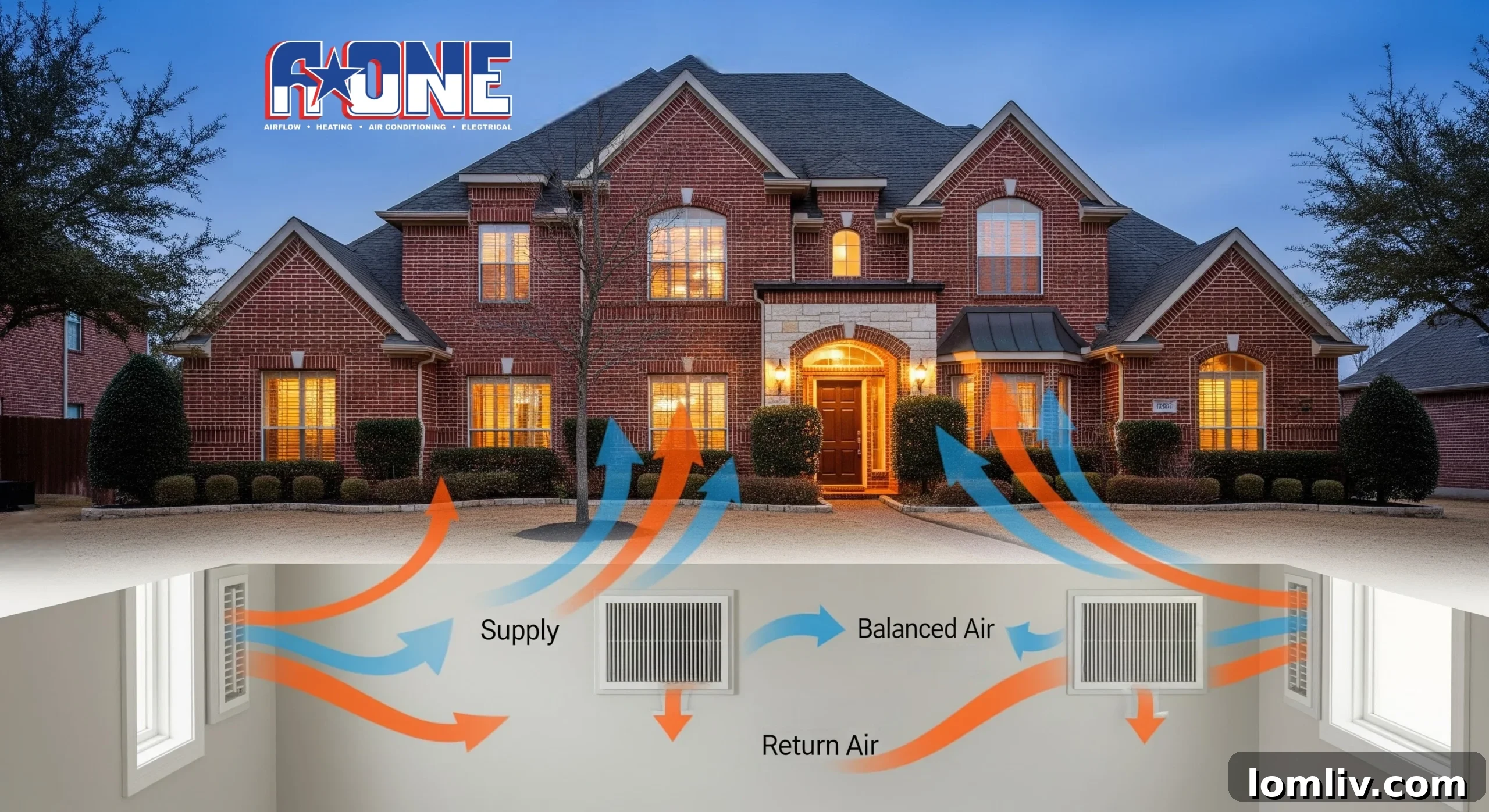
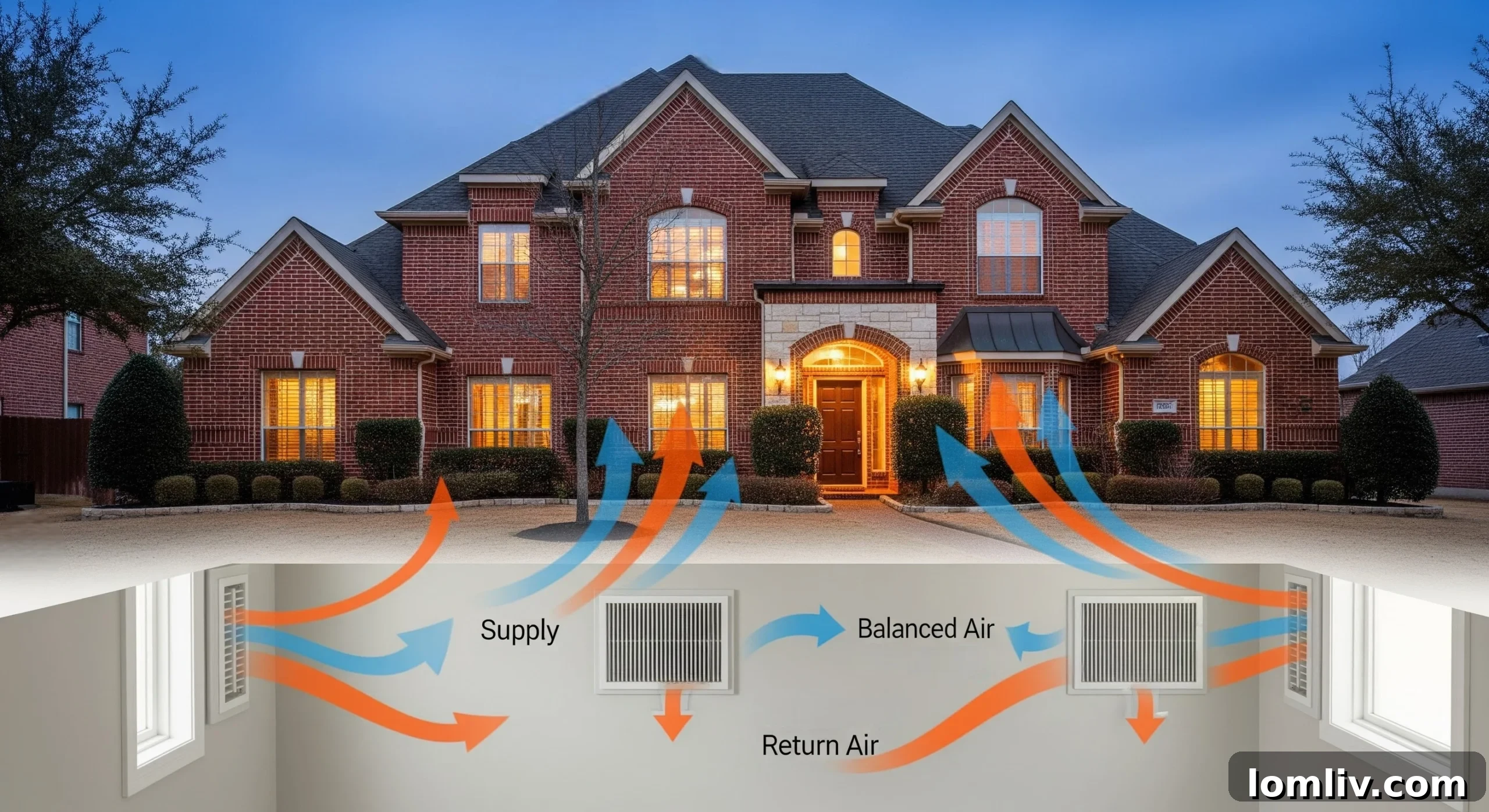
Uneven heating in multi-story homes doesn’t have to be an enduring mystery or a constant source of frustration. Most of the time, these issues boil down to identifiable problems related to airflow dynamics, the integrity of your home’s insulation, or the strategic placement and functionality of your thermostat. By understanding these core principles, homeowners can take proactive steps to improve their indoor climate.
Begin your journey to balanced home comfort with the simplest, most accessible solutions. Take the time to meticulously check all your vents and ensure your air filters are clean and regularly replaced. Next, critically evaluate your thermostat’s location and consider the benefits of smart home technology. If these initial steps don’t yield sufficient improvement, then delve deeper into inspecting your ductwork for leaks and assessing your home’s insulation levels, particularly in the attic and around windows and doors.
Should the problem prove more complex, or if you encounter issues that seem beyond your comfort level or expertise, remember that professional help is readily available. Whether it involves precise adjustments to your existing duct system, the installation of a sophisticated zoning solution, or the diagnosis and repair of intricate mechanical or electrical faults, certified HVAC and electrical technicians, such as those at A-One Air, possess the skills and equipment to provide effective, lasting solutions. Ultimately, there is always a way to transform your multi-story home into a consistently comfortable sanctuary, ensuring warmth on every level throughout the heating season.