Dallas’s Homelessness Crisis: Exploring Decentralized Solutions for a Growing Challenge
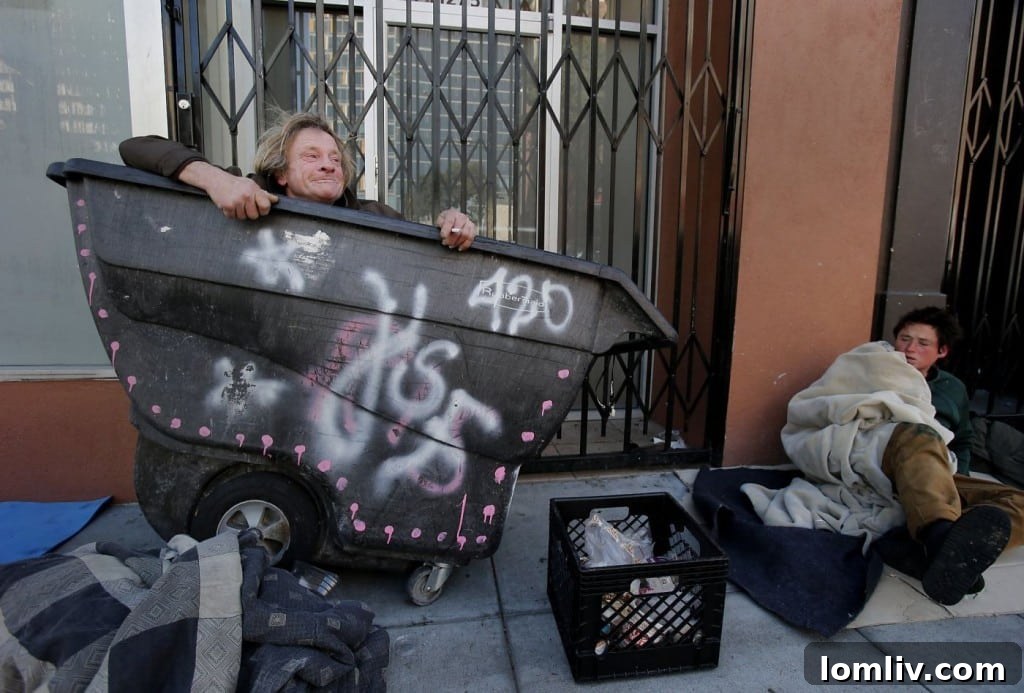
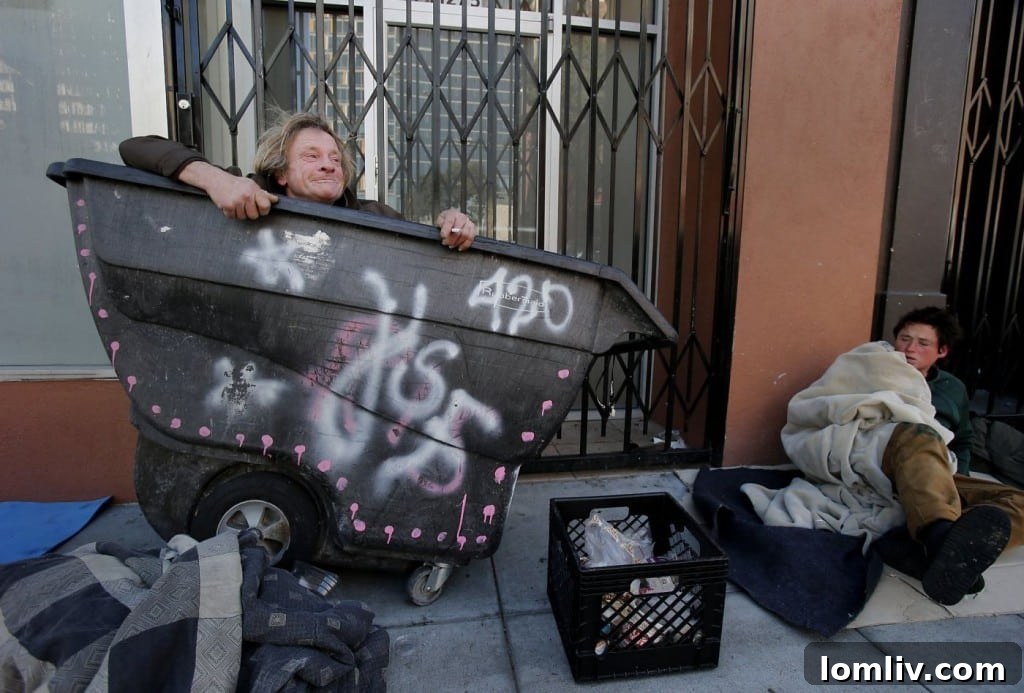
Dallas, a rapidly growing metropolis, faces a stark and escalating challenge: homelessness. Recent data paints a concerning picture, revealing a 9 percent increase in overall homelessness and a staggering 23 percent rise in unsheltered individuals since 2017. This surge isn’t merely a statistic; it represents thousands of lives impacted, a strain on city resources, and a complex societal issue demanding innovative and humane solutions.
The reasons behind this escalating crisis are multifaceted, ranging from economic pressures and housing affordability gaps to mental health challenges and substance abuse. It’s a predicament that no single approach can solve, requiring a comprehensive and empathetic strategy. Many recall the controversial shutdown of Dallas’s “tent city” in 2016. The proposed solution at the time involved relocating its residents to Hensley Field, a sprawling 350-acre former naval air station near Grand Prairie. This ambitious plan envisioned the construction of tiny homes and comprehensive living facilities, supported by an estimated $50 million in private donations, alongside extensive support services. However, the initiative faced significant media backlash, with critics raising concerns about the perception of “rounding up” vulnerable individuals and concentrating services in an isolated location. Ultimately, the plan faltered, leading to a situation where the majority of homeless services remain concentrated downtown, ironically recreating the very concentration the Hensley Field plan sought to avoid.
This raises a critical question: Is the current strategy of shuffling people between temporary shelters, often utilizing public recreational centers—spaces traditionally reserved for children’s activities and community engagement—a truly sensible or sustainable approach? Such stopgap measures, while offering immediate respite, often lack the stability and comprehensive support necessary for individuals to transition out of homelessness permanently.
The Case for Decentralization: Insights from Linda Garner
To gain a deeper understanding of the challenges and potential solutions, we turned to Linda Garner, a key voice in Dallas’s homelessness discourse. Appointed to the Citizen’s Homeless Commission by Adam Medrano, Garner resides in The Cedars, an area often referred to as “ground zero” for homelessness in Dallas due to its proximity to many concentrated services. Her unique perspective, rooted in both professional insight and lived experience within the community most affected, highlights a fundamental flaw in the current system: the concentration of services downtown.
Garner articulately explains the vision behind the city’s “Four Track” program, emphasizing that a crucial component of any successful strategy must be to decentralize homeless services. “I think the temporary aspect is expensive, but we truly need to decentralize homeless services from downtown,” she states, underscoring the financial inefficiency and human cost of short-term, centralized solutions. She likens the current approach to “sending your kid to boarding school to get him away from the riff-raff,” a metaphor that captures the unintended consequences of isolating individuals from mainstream society. Her vision champions the concept of small, “boutique” shelters distributed across Dallas. These facilities, intentionally located in low-density areas and often “off the radar,” offer a more integrated and less stigmatizing environment. She shared an example of one such successful, discreet shelter she discovered off Denton Drive, demonstrating the viability of this model.
Decentralization, in Garner’s view, isn’t just about spreading out resources; it’s about fundamentally transforming the environment in which individuals experience homelessness. It aims to move away from the often-overwhelming and sometimes dangerous atmosphere of large, centralized shelters, offering instead more intimate, community-embedded settings that foster individual dignity and facilitate a smoother transition back into stable housing.
Deconstructing Dallas’s Four-Track Program for Homeless Solutions
The city of Dallas has outlined a “Four Track” program designed to tackle homelessness through simultaneous actions. A closer look at each track reveals both promising intentions and significant hurdles.
Track One: Augmenting Existing Shelter Capacity
The first track focuses on a straightforward approach: increasing the number of beds within existing homeless shelters. While this offers an immediate, tangible response to the sheer volume of unsheltered individuals, it primarily addresses the symptom rather than the systemic issues. Expanding existing, often centralized, shelters might provide more immediate relief but risks perpetuating the very concentration of services that experts like Linda Garner argue is problematic. It can lead to continued overcrowding in specific areas, potential for increased strain on local emergency services, and may not inherently improve the quality of care or the pathways out of homelessness.
Track Two: The Perilous Path to Decentralization
Track Two aims directly at decentralization, but its proposed methods have raised serious concerns. It presents two main options, both of which have been met with strong criticism:
Option 1: Amending City Code for Private and Public Shelters
This option proposes amending city code to allow public and private facilities, including individual homes, to open homeless shelters. The idea, on the surface, might seem to foster community involvement. However, its implications are profound and potentially disastrous. Imagine a scenario where a neighbor could open a homeless shelter in their home, or an empty commercial space, such as a former retail unit at Preston Forest, could be repurposed into a shelter—potentially across the street from a children’s birthday party venue. Critics argue that such broad amendments would have severe repercussions:
- Property Values: A significant and immediate concern is the potential negative impact on property values in affected neighborhoods, leading to widespread community opposition.
- Safety and Security: Questions arise regarding the safety of both homeless individuals and existing residents. Without proper regulation, oversight, and support services, such facilities could become targets for exploitation or create unforeseen security risks.
- Tremendous Cost Without Controls: Implementing such a widespread system without robust controls, funding mechanisms, and support infrastructure could lead to exorbitant costs and ineffective outcomes, placing an undue burden on private citizens or ill-equipped organizations.
- Lack of Professional Services: Homeless individuals often require specialized support, including mental health care, addiction recovery, job training, and medical attention. Private homes or small, unregulated facilities are unlikely to provide these essential services comprehensively.
Option 2: Utilizing City-Owned Facilities (Recreation Centers) Without Code Amendment
The alternative under Track Two is to send homeless individuals to city-owned facilities, such as recreation centers, without amending the city code. This approach, while perhaps sidestepping legislative hurdles, is widely considered an “absolute negative.” Recreation centers are designed for public leisure and community programs, not long-term or even medium-term housing. Their use as temporary shelters presents numerous drawbacks:
- Disruption to Public Services: It displaces regular community activities, impacting families and children who rely on these centers for recreation, education, and social engagement.
- Inadequate Facilities: Recreation centers lack the necessary infrastructure for sustained living, including privacy, secure storage, proper sanitation, and facilities for specialized support.
- Safety Concerns: Placing vulnerable homeless populations in facilities not designed for their specific needs can create safety issues. This is particularly problematic in a city like Dallas, which is already experiencing a shortage of police officers, making it difficult to ensure adequate security and rapid response to potential incidents.
- Lack of Dignity and Stability: Constantly moving individuals between temporary, ill-suited locations undermines their dignity and prevents them from establishing the stability needed to address their underlying issues and work towards permanent housing.
Missed Opportunities and Visionary Alternatives
The challenges highlighted by the Four-Track program underscore the need for more thoughtful and strategic solutions, rather than simply expanding existing flawed models or implementing hastily conceived ones. Dallas has, at times, overlooked potentially transformative opportunities.
The Timberlawn Proposal: A Comprehensive Vision Ignored
While the media focused on criticizing the Hensley Field idea, other innovative proposals failed to gain traction. City Councilman Lee Kleinman, for instance, championed the idea of acquiring the Timberlawn facility. This former psychiatric hospital, which shuttered its doors on February 1, 2018, presented an unparalleled opportunity. Its parent company, Universal Health Services Inc.—the nation’s largest operator of mental health facilities—was embroiled in a federal criminal fraud probe, suggesting an opportune moment for the city to acquire the property at a favorable price. Kleinman recognized Timberlawn’s inherent suitability for addressing complex homelessness needs, noting its:
- Residential infrastructure: Already equipped for living accommodations.
- Commissary: Essential for food services.
- Recreation facilities: Crucial for mental and physical well-being.
- Treatment rooms: Ideal for providing much-needed mental health and medical care.
- Large, self-contained campus: Offering security, privacy, and space for comprehensive, integrated services without encroaching on residential neighborhoods.
“The facility has residential, commissary, recreation, treatment rooms, and a large, self-contained campus,” Kleinman wrote, emphasizing its potential. Yet, despite its obvious advantages for providing holistic care to a vulnerable population that often includes individuals with mental health issues, the “Timberlawn idea was largely ignored.” The tragedy of this oversight is magnified by the fact that this valuable infrastructure continues to sit empty while the homelessness crisis deepens. This stands as a testament to how viable, large-scale solutions can be overlooked in the absence of cohesive vision and political will.
Furthermore, the author recalls a long-held dream of redecorating and repurposing the Dawson facility into a first-class homeless center, another example of existing infrastructure that could potentially be leveraged to address the crisis.
Beyond Shelter: Fostering Exit Strategies and Community Integration
Linda Garner’s insights extend beyond the physical location of shelters; she delves into the social dynamics that perpetuate homelessness. “The homeless are not indigenous to downtown,” she asserts. “They are there because large provider services are concentrated in one area. With that comes a predatory element that seeks out the vulnerable and keeps them from ever exiting.” This powerful observation highlights a critical issue: large, anonymous concentrations of vulnerable people can attract those who would exploit them, creating an environment that actively hinders recovery and transition. By contrast, she argues, “If we make shelters smaller and make them fit the identity of a neighborhood, an opportunity to exit homelessness is increased by giving them a safer environment without temptation from that predatory environment.”
This perspective reinforces the idea that effective solutions require more than just a roof over one’s head; they demand a supportive, safe, and integrated environment. Why not, then, combine strategies? Why not establish a central hub for intake and comprehensive assessment while simultaneously developing these “boutique” shelters strategically around the city? This approach could identify areas where community resistance (often termed NIMBYism, or “Not In My Backyard”) might be minimized, allowing for the creation of smaller, specialized facilities. After all, the homeless population is not monolithic; individuals have varying levels of need. Some require intensive supervision and specialized care, while others simply need a temporary, loving boost and stable housing to get back on their feet.
Track Three: Incentivizing Housing Through Risk Mitigation
Track Three proposes a pragmatic and innovative solution aimed at increasing access to permanent housing: a risk mitigation fund. This fund would incentivize landlords to rent to responsible homeless individuals by guaranteeing a portion of their rent monthly. The benefits of such a program are substantial:
- Landlord Confidence: It reduces the financial risk for landlords, making them more willing to accept tenants who might otherwise be deemed high-risk due to their housing history.
- Increased Housing Options: By opening up the private rental market, it significantly expands the available housing stock for homeless individuals, moving beyond the limitations of traditional shelters.
- Stability for Individuals: Securing a stable apartment or home is a crucial step in the journey out of homelessness, providing the foundation for employment, education, and reintegration into society.
- Frees Up Shelter Beds: Each individual successfully housed in a private rental unit frees up a bed in a shelter, allowing those facilities to serve others in immediate need.
For this program to be truly effective, it would require robust funding, clear guidelines for eligibility, and ongoing support services to help tenants maintain their housing and address any challenges that arise.
Track Four: Investing in Durable Infrastructure for Housing Needs
The fourth track allocated $20 million in the last bond proposal for “durable infrastructure for housing needs.” While the specific definition of “durable infrastructure” remains somewhat ambiguous (“What does that mean? I don’t know, but here is the briefing…”), its potential implications are significant. This funding could be directed towards:
- Renovating existing buildings: Transforming vacant or underutilized properties into affordable housing units or specialized shelters.
- Constructing new affordable housing: Addressing the fundamental shortage of low-cost housing options.
- Acquiring land: Securing sites for future housing developments or decentralized shelter models.
- Investing in long-term solutions: Moving beyond temporary fixes to create sustainable, high-quality housing.
Clarity and transparency in how this $20 million will be allocated and utilized are paramount to ensure that it genuinely contributes to long-term, impactful housing solutions rather than short-sighted projects. The accompanying memo, “Homeless Solutions Proposed Strategy Track II Temporary Homeless Centers Memo 072718,” offers further context, but the overarching theme remains the need for strategic, long-term investments rather than quick fixes.
Homeless Solutions Proposed Strategy Track II Temporary Homeless Centers Memo 072718 by Joanna England on Scribd
A Holistic Path Forward for Dallas
Dallas stands at a critical juncture in its response to homelessness. The escalating statistics demand a departure from reactive, temporary measures towards proactive, sustainable, and humane solutions. The core message from experts like Linda Garner is clear: decentralization is not just a preference; it’s a necessity. However, decentralization must be implemented thoughtfully and strategically, avoiding the pitfalls of ill-conceived plans that could exacerbate existing problems.
A truly holistic path forward for Dallas would involve a multi-pronged approach:
- Leveraging Existing Infrastructure: Actively pursuing opportunities to acquire and repurpose suitable facilities like the Timberlawn campus, transforming them into comprehensive, integrated service centers.
- Strategic Development of Boutique Shelters: Carefully selecting locations for smaller, neighborhood-integrated shelters that cater to diverse needs and foster a safer, more supportive environment for individuals to rebuild their lives.
- Robust Risk Mitigation Programs: Expanding initiatives like the risk mitigation fund to bridge the gap between homeless individuals and the private rental market, thereby accelerating transitions to stable housing.
- Transparent and Targeted Investment: Ensuring that the $20 million allocated for “durable infrastructure” is used strategically for long-term affordable housing development and renovation, with clear accountability and measurable outcomes.
- Community Engagement and Education: Proactively working with neighborhoods to address concerns and build understanding, transforming NIMBYism into active community support for well-planned, integrated solutions.
By embracing these strategies, Dallas has the potential to move beyond the cycle of temporary fixes and become a model for effective, human-centric homelessness solutions, offering dignity, stability, and real pathways out of homelessness for its most vulnerable citizens.