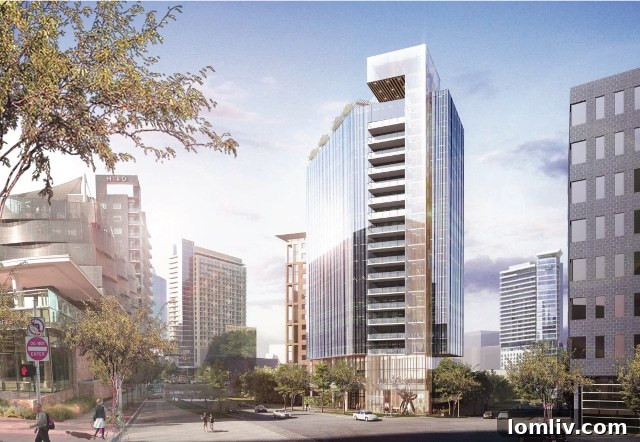
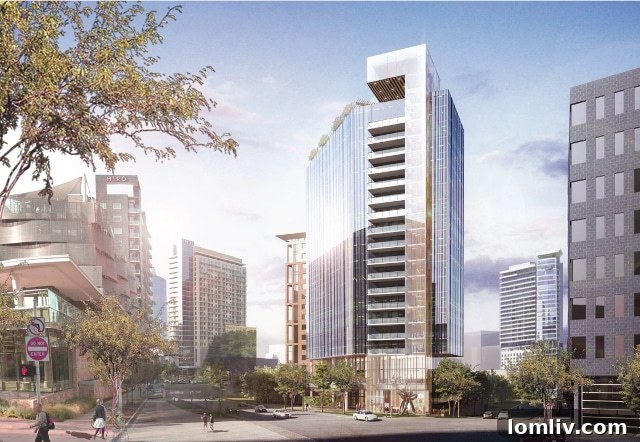
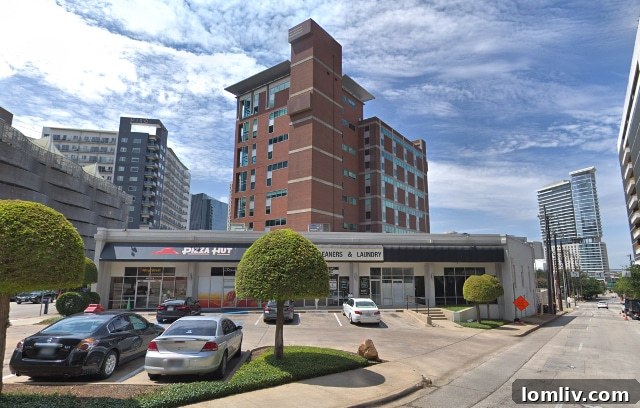
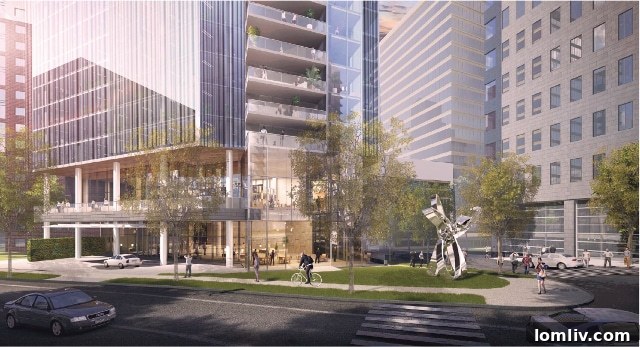
Uptown Dallas is a dynamic urban landscape experiencing rapid transformation, a testament to the city’s continuous growth and evolving real estate market. Nestled strategically across Cedar Springs Road from the iconic Ritz-Carlton and the architecturally striking McKinney & Olive buildings, a half-acre, triangular parcel of land is poised for a significant metamorphosis. This prime location, once anchored by a shopworn building housing familiar establishments like Pizza Hut and Comet Cleaners, is now slated to become the site of a groundbreaking 18-story “lifestyle” hotel. The recent Oak Lawn Committee meeting offered a glimpse into the future, unveiling captivating renderings of this ambitious project, set to redefine luxury hospitality in one of Dallas’s most sought-after neighborhoods.
The proposed development promises an unparalleled guest experience, highlighted by a restaurant, a serene pool deck, and perhaps its most distinctive feature: a check-in desk strategically located on the top floor. This innovative design choice, a concept previously admired in prestigious properties like the Mandarin Oriental hotels in New York City and Las Vegas, promises to offer guests breathtaking panoramic views of the Dallas skyline from the moment of their arrival. Such a unique welcome is designed to create an immediate sense of exclusivity and sophistication, setting the tone for a memorable stay in the heart of Uptown.
Uptown Dallas’s New Luxury Destination: A Detailed Look at the Cedar Springs Hotel
While the specific brand remains under wraps, this unnamed luxury hotel at 2025 Cedar Springs Road is envisioned to feature 230 exquisitely appointed rooms and suites. The design prioritizes guest comfort and experience over extensive meeting facilities, a pragmatic decision dictated by the compact nature of the tiny half-acre lot. The limited footprint makes large-scale banquet or conference spaces impractical, not only due to the physical space constraints but also the immense challenge of providing adequate parking for major events. Instead, the focus is firmly on delivering a premium, personalized lifestyle experience for visitors to Uptown Dallas.
Addressing the critical challenge of parking on such a constrained urban plot, the hotel will incorporate an ingenious solution: three and a half levels of subterranean parking. This extensive underground infrastructure is a testament to the developers’ commitment to maximizing the available space while minimizing surface disruption. The decision to forgo deeper parking for larger meeting functions underscores the project’s specialized intent, aiming to cater to individual travelers and smaller, exclusive gatherings rather than large-scale conventions. This approach allows the development to maintain its boutique, lifestyle hotel identity while efficiently managing its operational requirements within a dense urban environment.
Innovative Urban Design and Neighborhood Integration
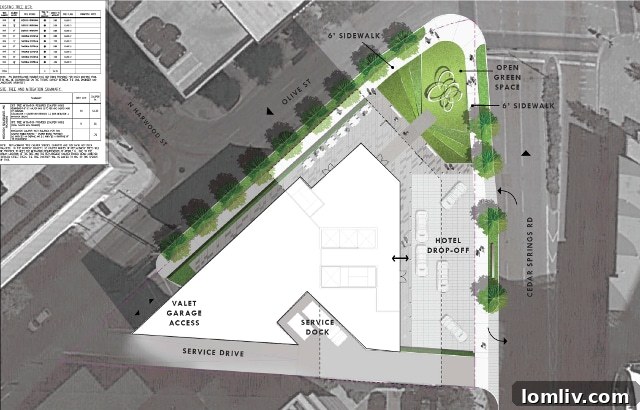
The site’s challenging angles are immediately apparent from an aerial perspective, presenting both an architectural puzzle and an opportunity for creative design. The building’s footprint, while maximizing the available area, has been thoughtfully sculpted to integrate seamlessly into the surrounding urban fabric. A key design element is the creation of a soft, inviting green space at the leading corner, transforming what could have been a sharp, imposing “tip-of-the-spear” into a welcoming focal point for the neighborhood. This deliberate choice avoids a harsh, ship-prow-like aesthetic that might have been incongruous with the residential feel of Cedar Springs Road.
Between the hotel structure and this new green space lies a designated spill-out area, ideal for a charming ground-floor café or coffee shop. This public-facing amenity will foster a vibrant street-level presence, encouraging interaction and contributing to the walkability that defines Uptown. To the right, a dedicated hotel drop-off and valet area, likely sheltered by an elegant canopy, ensures a smooth and efficient arrival experience for guests. A crucial aspect of the development’s integration involves the existing 2011 Cedar Springs condos situated directly behind the property. The proposed hotel’s design meticulously angles away from these residential units, a considerate approach that preserves privacy and views for existing condo owners – a feature undoubtedly appreciated by the local community.
Addressing Traffic Flow and Parking Logistics
The complexity of urban development in areas like Uptown Dallas inevitably brings scrutiny to traffic management. During discussions with HKS architects and developer T2, questions arose regarding the proposed valet traffic flow. The current plan outlines a system where cars enter the drop-off area and then circle the surrounding one-way block to access the underground garage entrance, located on the opposite side of the hotel from the valet station. This circulatory route, while functional, raised concerns about its efficiency and potential for congestion.
Alternative solutions were explored, including utilizing the hotel-owned alley behind the property to streamline vehicle movement and minimize disruption to main thoroughfares. Unfortunately, the alley’s width is insufficient to accommodate two-way traffic, limiting its utility. The optimal compromise identified was to leverage the alley for half of the journey, either for entering or exiting the garage, thereby reducing the overall impact on Cedar Springs Road traffic. This solution highlights the creative problem-solving required to integrate new developments into existing urban infrastructure. The situation echoes past challenges, such as the public response to Crescent Properties’ restaurant valet service a few blocks away. However, the one-way nature of the streets surrounding this new hotel parcel mitigates some of those concerns, allowing valet traffic to flow more freely without the impedance of opposing lanes, a pragmatic acceptance of the inherent constraints of a compact urban site.
Shifting Car Culture and Evolving Parking Requirements in Dallas
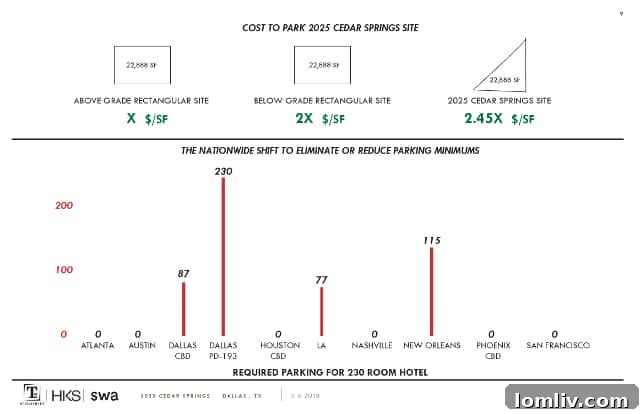
The Cedar Springs hotel project serves as a timely case study in the broader ongoing debate within Dallas about antiquated parking requirements and the city’s evolving car culture. Several recent projects presented to the Oak Lawn Committee have directly challenged the prescriptive mandates of PD-193, particularly its requirement of one parking space per hotel room. This standard, while seemingly straightforward, is increasingly viewed as outmoded in a modern urban context, especially when compared to the dramatically lower parking requirements in other progressive cities, including even downtown Dallas itself.
The developers eloquently argued that while cities like Austin don’t eliminate parking entirely, they empower developers to conduct their own comprehensive traffic assessments and propose tailored parking solutions. This flexible approach recognizes that blindly adhering to a rigid one-size-fits-all rule can lead to excessive and costly overbuilding of parking infrastructure, much of which may ultimately go unused. The significant financial burden of excavating three and a half levels for 230 parking spaces, particularly on a challenging triangular lot, adds considerable expense to the project without a clear return on investment if demand doesn’t warrant it. The developers’ plea for flexibility resonates with a growing sentiment that urban planning regulations need to adapt to contemporary transportation patterns and sustainable development goals, moving away from a car-centric default.
The developers also presented a compelling financial argument highlighting the disproportionate cost of underground parking on their unique triangular lot. Their analysis showed that subterranean parking on this specific parcel is 2.45 times more expensive than above-ground parking and 0.45 times more costly than underground parking on a conventional rectangular lot. While the economic realities of urban development are undoubtedly complex, and the shape of the lot was known at acquisition, these figures underscore the immense financial pressures developers face when navigating restrictive zoning codes and challenging site conditions. It emphasizes the need for a collaborative approach between developers and city planners to find viable solutions that support urban revitalization without imposing undue burdens.
Positive Urban Impact and Committee Reception
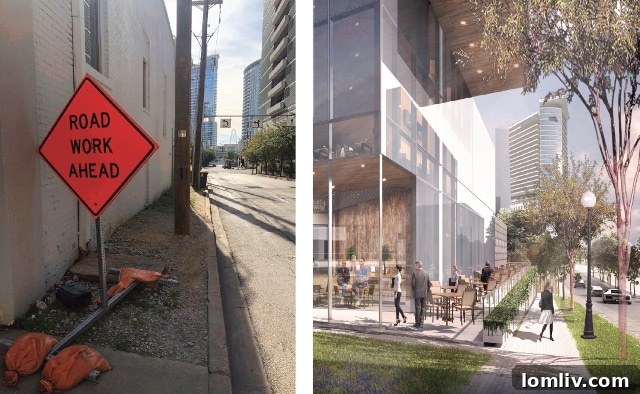
The transformative potential of this development is vividly illustrated when contrasting the “before” and “after” scenarios of Olive Street, mere blocks from the high-rent McKinney & Olive towers. The existing streetscape, marred by utilitarian poles and haphazard signage, is slated for a dramatic aesthetic upgrade. The hotel project promises to replace these eyesores with lush trees and enhanced sidewalks, significantly improving the visual appeal and walkability of the area. This commitment to public realm improvements aligns perfectly with the desire to foster a more vibrant, pedestrian-friendly neighborhood atmosphere, extending the positive impact beyond the immediate hotel footprint.
The Oak Lawn Committee received the project with remarkable positivity and enthusiasm, acknowledging its potential to transform a small, underutilized lot into a significant asset for the community. The developer sought two primary exceptions: a reduction in the mandated parking spaces and permission for a slightly larger building footprint than typically allowed for the parcel size, though notably not an increase in height or overall lot coverage. While the project did not secure its official letter of support on the night of the meeting, the minor clarifications requested signal a generally favorable reception. This positive interaction underscores a collaborative spirit between developers and urban planning committees in shaping the future of Uptown Dallas, balancing growth with community considerations. The anticipation now builds for the eventual announcement of the three deluxe hotel brands slated for Uptown, a revelation that will undoubtedly stir the curiosity of discerning travelers and food enthusiasts keen to discover the caliber of chefs and culinary experiences on offer.
Revitalizing Inwood Road: A Challenge in Commercial Transition
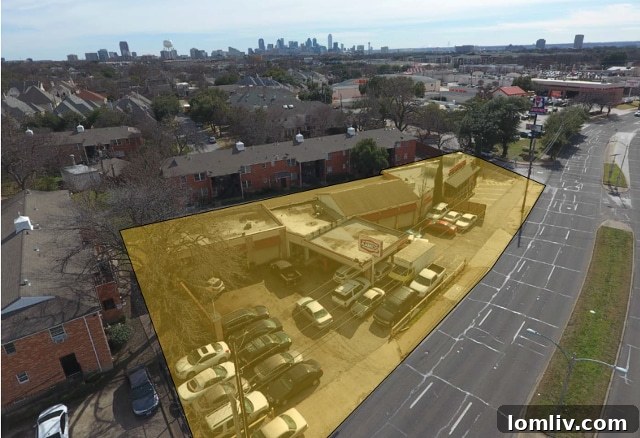
Moving beyond the glitz of Uptown, another significant urban development challenge lies on Inwood Road, just past Lemmon Avenue and the familiar Braum’s store. Here, a small, visibly worn strip shopping center seeks to revitalize its image and functionality. The property owners recently approached the Oak Lawn Committee with plans to renovate the section currently occupied by an AAMCO auto repair shop. Their vision is to replace the constant display of cars awaiting repair with modern retail establishments, transforming the area into a more inviting and economically viable space, in keeping with the evolving character of the surrounding neighborhood.
The primary obstacle, however, stems from the site’s history as a former gas station, which inherently limits the available space. Converting the property to retail usage triggers specific parking requirements under current zoning, necessitating 26 parking spaces. Despite ingenious efforts, the owners can only realistically carve out 18 spaces. This shortfall highlights a common dilemma in urban redevelopment: older properties, particularly those designed for purposes like gas stations where extensive parking was never a consideration beyond a quick fill-up, struggle to meet contemporary parking standards for new retail applications. The owner’s return to the OLC, seeking guidance and expressing willingness to consider various restrictions or creative solutions, underscores the urgency and difficulty of this transition. There’s a clear recognition that the current “light commercial” zoning no longer aligns with the neighborhood’s aspirations, and this small, constrained lot desperately needs innovative solutions to unlock its potential.
In response to this complex situation, the Oak Lawn Development (OLD) committee is forming a dedicated sub-committee. This group will work collaboratively with the landowner to explore viable options and devise a comprehensive strategy for the property’s renovation. While this collaborative approach may not offer the immediate resolution the owner desired, it represents a crucial step forward. It signifies a commitment from the community to find a creative pathway for revitalization, offering a beacon of hope for a positive outcome in the coming months. The success of this initiative could set a precedent for similar challenges facing other outdated commercial properties in transition.
Addressing Dallas’s Affordable Housing Crisis: A Citywide Mandate
High on the agenda, though discussed last, was a critical update from Council Member Philip Kingston regarding the city’s ongoing efforts to tackle Dallas’s pervasive affordable housing crisis. The core message was clear: Dallas is moving towards implementing citywide regulations specifically targeting multi-family residential areas, particularly those currently lacking any affordable housing provisions. This strategic shift comes in the wake of a deeply problematic history, where the city faced significant federal scrutiny – and ultimately a federal court ruling – for concentrating its federally funded affordable housing projects predominantly in Southern Dallas. This practice exacerbated existing poverty and racial segregation, a painful legacy that Dallas vehemently denied all the way to the Supreme Court, despite the evident reality and underlying racial biases.
Now, with a mandate to rectify past injustices and foster more equitable development, the city is compelled to bring its affordable housing policies into order. This represents a monumental undertaking, akin to nurturing a fragile flower through decades of systemic neglect. While the city’s plans are still being finalized, a common proposal involves offering developers increased density (more units per acre) in exchange for setting aside a certain percentage of those units as affordable housing. On the surface, this seems like a sensible incentive. However, as is often the case with urban policy, the devil lies in the details.
The crucial flaw in this approach, as pointed out by both this observer and numerous developers, is the lack of a corresponding increase in the buildable envelope. To illustrate, imagine a developer currently building 10 units on a given plot, all at market rate. The city then offers them a deal: build 12 units on the *same footprint*, but designate two of them as affordable, thereby generating less revenue per unit. This scenario presents a stark disincentive. Without the ability to actually increase the overall building size or height to accommodate the additional units, developers are essentially being asked to cannibalize their market-rate rentable space without a compensatory increase in building capacity. Unless accompanied by significant back-end tax credits, grants, or other financial offsets, this approach lacks a true incentive for developers, potentially hindering rather than accelerating the creation of much-needed affordable housing units in diverse neighborhoods, including those like Preston Hollow where such recommendations are currently under consideration. The hope remains that more thoughtful and truly incentivizing policies will emerge as the city finalizes its comprehensive affordable housing strategy.
The Vision for Stemmons Park: A Community Aspiration
Scheduled for a presentation that, unfortunately, did not materialize at the recent meeting, was an update from the Friends of Stemmons Park – a rare no-show for the committee. For those unfamiliar with this vital urban green space, Stemmons Park encompasses the vacant land situated south of the InfoMart, bordered by Oak Lawn Avenue, Harry Hines Boulevard, and I-35E. This centrally located park holds immense potential as a community amenity, poised to become a significant asset for residents and visitors alike, especially given its proximity and connectivity to the evolving Trinity Strand Trail.
The Friends of Stemmons Park have ambitious plans for the area, aiming to raise $300,000 for an initial phase of development. This crucial first phase envisions the installation of essential amenities, including a pair of highly practical Portland Loos (durable, self-cleaning public restrooms known for their urban utility), clear and informative signage (to establish its identity as a recognized park, as many currently don’t perceive it as such), comfortable picnic tables for community gatherings, and a convenient bike repair kiosk to serve the growing number of cyclists utilizing nearby trails. Beyond these fundamental improvements, the group also hopes to attract a diverse array of food trucks, transforming the park into a lively hub for culinary exploration and social interaction. The realization of Stemmons Park’s vision would not only enhance local quality of life but also contribute significantly to Dallas’s expanding network of accessible urban green spaces, promoting outdoor activity and community engagement.
Insights from the Oak Lawn Committee: A New Era of Reporting Transparency
A notable shift in reporting dynamics marked this particular meeting of the Oak Lawn Committee, allowing for a more comprehensive and transparent account of proceedings. In previous instances, journalists were granted access to the members’ section of the meeting, particularly after developers had departed. This privilege allowed for invaluable post-presentation discussions, where the seasoned insights and nuanced perspectives of committee members enriched the narrative, providing crucial context and often highlighting aspects that might otherwise have been overlooked. These informal exchanges were vital for a deeper understanding of the projects and their implications, operating under an unwritten agreement not to report on the specific outcomes of individual cases.
However, a “new year, new rules” policy has now been implemented, barring press members from the private members’ portion of the meeting. While this change restricts access to those informal, illuminating discussions, it simultaneously liberates reporters from previous reporting constraints. The absence of an unwritten agreement means full freedom to report on a case’s outcome, offering a more direct and unfiltered account to the public. This shift, while altering the methodology, ultimately aims to increase transparency. For a persistent reporter, this simply means adapting tactics. One might now find an intrepid journalist, perhaps me, strategically stationed at the Melrose Hotel bar post-meeting, ready to engage parched committee members in conversation. Such dedication, of course, might necessitate an expense account from the ever-supportive Candy!

About the Author: My primary focus in the dynamic world of real estate encompasses high-rises, homeowners’ associations (HOAs), and renovation projects. I also hold a profound appreciation for the interplay between modern and historical architecture, always balancing these elements against the principles of the YIMBY (Yes In My Backyard) movement, which advocates for progressive urban development. My commitment to insightful and engaging real estate commentary has been recognized by the National Association of Real Estate Editors, honoring my writing with three Bronze awards (in 2016, 2017, and 2018) and two Silver awards (in 2016 and 2017). If you have a compelling story to share, a development to highlight, or even a marriage proposal to make, please don’t hesitate to reach out via email at [email protected]. You’re welcome to search for me on Facebook and Twitter, though finding me might prove to be an engaging quest!