The Garden House: An Enchanting Kessler Park Tudor with a Texas Twist
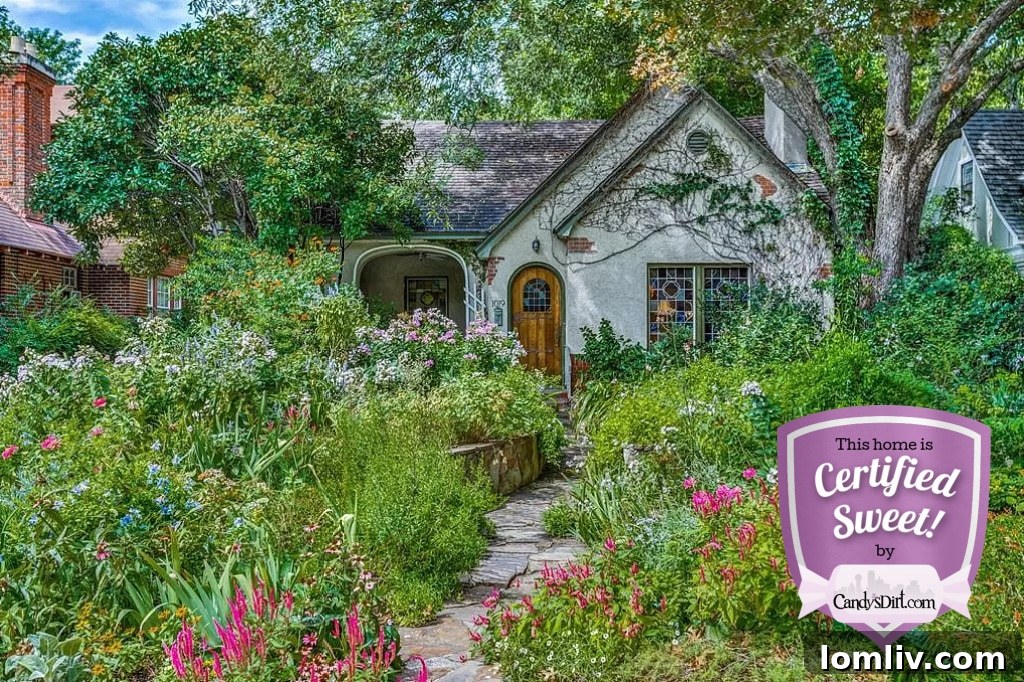
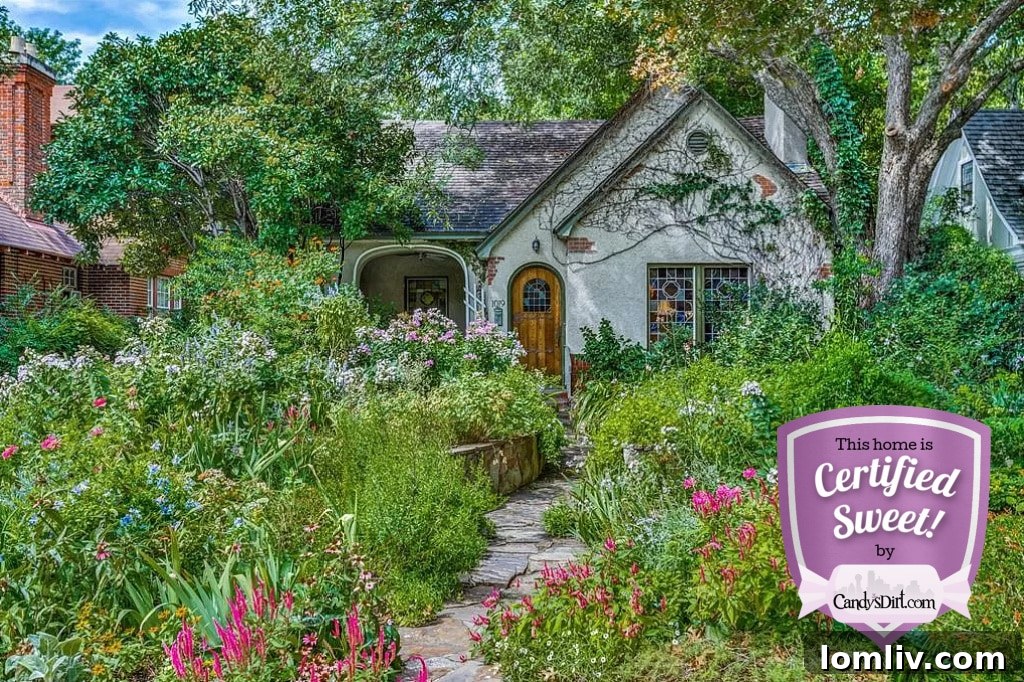
Nestled in the heart of Dallas’s prestigious Kessler Park, a timeless 1920s Tudor residence stands as a testament to passion, preservation, and picturesque beauty. Known affectionately as “The Garden House,” this captivating property at 1019 N. Edgefield Blvd. offers more than just a home; it presents an idyllic lifestyle, reminiscent of an English cottage brought to life with a distinctly Texan spirit. From its dew-kissed garden that awakens with the morning sun to its meticulously maintained interiors, every detail of this North Oak Cliff gem tells a story of dedicated craftsmanship and unwavering love, making it a standout contender among The Sweetest Homes in Dallas-Fort Worth.
Imagine a serene spring morning, the air still cool and imbued with the delicate fragrance of blossoms, as the golden light of dawn gently bathes a verdant landscape. This isn’t a scene from a European travelogue, but a daily reality at The Garden House. It’s a vista expertly sculpted by its former owner, Robert Edwards, whose profound affection for his Kessler Park Tudor extended far beyond its walls and into every carefully chosen plant and meticulously designed pathway of his front yard garden. It was this extraordinary commitment to creating an oasis of natural splendor that earned the property its charming and well-deserved nickname, “The Garden House,” a beacon of botanical delight in the bustling city of Dallas.
Jenni Stolarski, the esteemed real estate agent who had the privilege of listing this exceptional property, vividly recalls Edwards’ philosophy. “His love for his home extended to his gardens which were widely admired throughout the neighborhood,” Stolarski shared. She continued, highlighting his dedication to the home’s inherent architectural style, “Mr. Edwards always said ‘How could I have an English cottage and not have an English cottage garden?’” This sentiment perfectly encapsulates the essence of the property – a harmonious blend of architectural heritage and lush, complementary landscaping that transports visitors to a serene, storybook setting. It’s precisely this irresistible charm that propelled 1019 N. Edgefield Blvd. to become a well-deserved finalist in our annual quest for The Sweetest Homes in Dallas-Fort Worth, a competition celebrating residences listed in the North Texas region within the preceding year.
The Texas Twist on an English Classic: A Garden Reimagined
While Robert Edwards’ vision was rooted in the timeless appeal of an English cottage garden, he was also a master of adaptation. Stolarski confirmed this unique approach, noting, “Edwards’ garden wasn’t a typical English cottage garden. Naturally, he put a Texas twist on it by using natives and adapted plants, but it was definitely in the style.” This ingenious fusion meant that while the garden evoked the quintessential charm of English design, it thrived effortlessly in the unique climate of North Texas. By incorporating local flora and species well-suited to the region’s weather patterns, Edwards not only ensured the garden’s sustainability but also created a vibrant ecosystem that supported local wildlife. This thoughtful integration of native plants added a layer of resilience and authenticity, allowing the garden to flourish with less intervention and water, a brilliant example of sustainable landscaping.
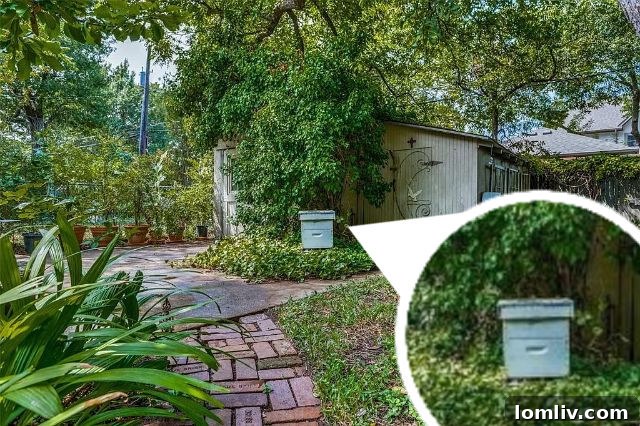
One of the most captivating features, which our own Nikki Lott fell head over heels for when the property was listed, was the thriving beehive nestled within the garden. This buzzing community serves a vital role, tirelessly pollinating the diverse array of beautiful flowers that define the landscape. The presence of the beehive underscores Edwards’ holistic approach to his garden – not merely as an aesthetic display, but as a living, breathing habitat. It’s a testament to his understanding that a truly beautiful garden is one that contributes to its environment, fostering biodiversity and creating a natural sanctuary. This symbiotic relationship between the garden and its busy inhabitants adds an extra layer of sweetness and ecological significance to this already remarkable property, making it a truly exceptional example of a flourishing urban oasis.
A Timeless Interior: Preserving 1920s Elegance
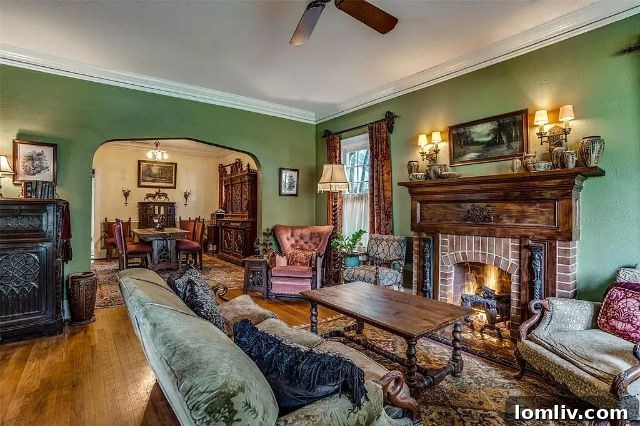
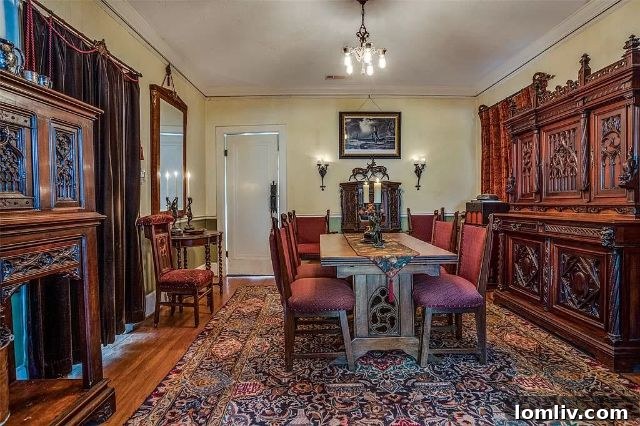
Beyond the enchanting exterior, the interior of this Kessler Park Tudor is an absolute treasure, reflecting the same meticulous care and deep affection that shaped its garden. While many homes from the 1920s often undergo extensive modernization, Robert Edwards chose a different, far more admirable path. As Jenni Stolarski articulated, “The sweetest thing about the home was how much the owner loved it. It was clear in every detail he put in it. Most people look at a home from the 1920s and think ‘How can I modernize this?’ but Mr. Edwards seemed to ask himself ‘What can I do to keep changes in the true character of the ‘20s?'” This guiding principle ensured that every modification and enhancement served to honor and amplify the home’s original architectural integrity and historical charm, rather than erase it.
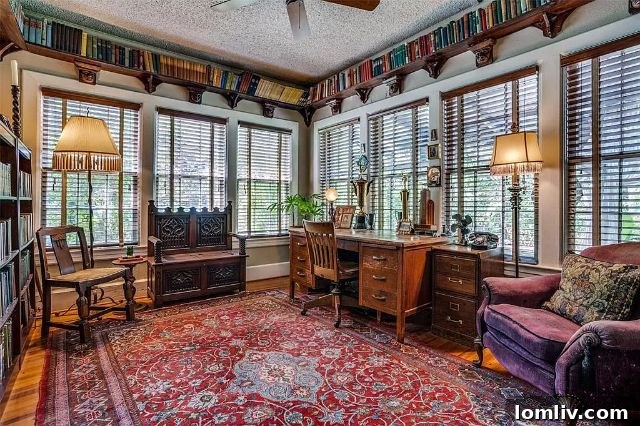
The result is a home brimming with authentic character and inviting warmth. Despite being a cozy two-bedroom, one-bathroom residence, its thoughtful design and rich details inspire a sense of belonging, making it easy to envision a life within its walls. Consider the unique office space, where a continuous bookshelf gracefully lines the ceiling, transforming a functional area into a literary haven. This ingenious feature not only maximizes storage but also adds a distinctive architectural flourish, creating an inspiring environment for work or contemplation. Similarly, the kitchen exudes an irresistible coziness, practically begging for leisurely mornings filled with the aroma of freshly baked goods and steaming pots of fragrant tea. It’s a space that encourages slow living, fostering comfort and connection.
Every corner of The Garden House breathes history and personality. From the original hardwood floors that bear the patina of decades to the period-appropriate fixtures and finishes, the home offers a rare glimpse into a bygone era, yet with all the comforts of modern living. The natural light filtering through the windows illuminates intricate details, highlighting the craftsmanship that defined homes of the 1920s. This harmonious blend of historical fidelity and lived-in warmth creates an atmosphere that is both grand and intimately inviting, proving that true elegance lies not in trends, but in timeless design and heartfelt stewardship.
A Legacy of Authenticity: Custom Craftsmanship and Antique Finds
The dedication to preserving and enhancing the authentic character of this English Tudor cottage is what truly elevates it to a unique status among Dallas historic homes. Robert Edwards’ commitment was unwavering, extending to every fixture and furnishing. Stolarski recounted his tireless efforts to hunt down antique pieces that resonated with the home’s period. “He searched for years to locate the right dining room light fixture,” she revealed, illustrating the depth of his pursuit for historical accuracy. This wasn’t merely about decoration; it was about restoring the soul of the house, ensuring that every element contributed to a cohesive and genuine historical narrative.
Where antiques couldn’t be found, Edwards’ craftsmanship shone through in custom-made elements that perfectly complemented the home’s 1920s aesthetic. A prime example is the stunning arched front door, a focal point that instantly captivates visitors. Remarkably, Edwards not only commissioned this bespoke entrance but also meticulously handcrafted the intricate stained glass that adorns it. This level of personal involvement and artistic skill is incredibly rare and speaks volumes about his profound connection to the property. Such details are not just features; they are storytelling elements, each one a testament to a bygone era of quality and artisanal pride, meticulously brought back to life by a dedicated homeowner.
This painstaking approach to home stewardship extends to every aspect, from the selection of paint colors that align with the era to the careful maintenance of original architectural features like moldings, window frames, and hardware. Edwards understood that preserving a historic home is an ongoing dialogue with its past, a continuous effort to safeguard its integrity while allowing it to gracefully age. His work transformed the house into more than just a dwelling; it became a living museum, a cherished piece of North Oak Cliff’s rich architectural tapestry. It’s this profound respect for history, combined with an undeniable artistic flair, that makes The Garden House not just sweet, but genuinely special, offering a rare opportunity to own a piece of Dallas’s heritage.
Finding the Next Steward: A Shared Passion
A home as sweet and special as 1019 N. Edgefield Blvd. demands a unique approach to marketing – one that transcends typical real estate transactions and truly highlights the intricate details and profound character that make it a home, not just a house. Jenni Stolarski was undoubtedly the ideal agent for this extraordinary property, thanks to a serendipitous connection forged years prior. “Of course, he could have had any agent champing at the bit to sell his home, but long ago we bonded over gardening,” Stolarski explained. This shared passion for horticulture created a foundation of trust and understanding, allowing her to appreciate the property on a deeper, more personal level. She didn’t just see a listing; she saw the culmination of a lifelong dream, a labor of love that deserved to be presented with the utmost reverence and insight.
Entrusting Stolarski with the sale, Robert Edwards placed his faith in her ability to do more than just facilitate a transaction; he tasked her with finding the “next owner/caretaker.” This distinction is crucial. It underscores the profound responsibility that comes with owning a historic property like The Garden House. It’s not merely an investment; it’s a commitment to safeguarding a legacy, to nurturing a garden, and to preserving a piece of Dallas’s architectural history for future generations. The new owner is not just buying a house; they are inheriting a story, a philosophy, and a vibrant ecosystem, both within the walls and beyond them.
The significance of this role cannot be overstated. The new residents of The Garden House on Edgefield step into a vital position as stewards of a cherished landmark. They become part of its ongoing narrative, tasked with continuing the tradition of care, authenticity, and love that Robert Edwards so meticulously established. It’s a privilege, a challenge, and an immense joy. May they embrace this important job with the same dedication and passion, ensuring that The Garden House continues to bloom brightly for many years to come, a lasting testament to the enduring appeal of historic homes and the power of a truly magnificent garden.