Oak Cliff Streetcar: A Decade of Community Vision Ignites Dallas’s Urban Core
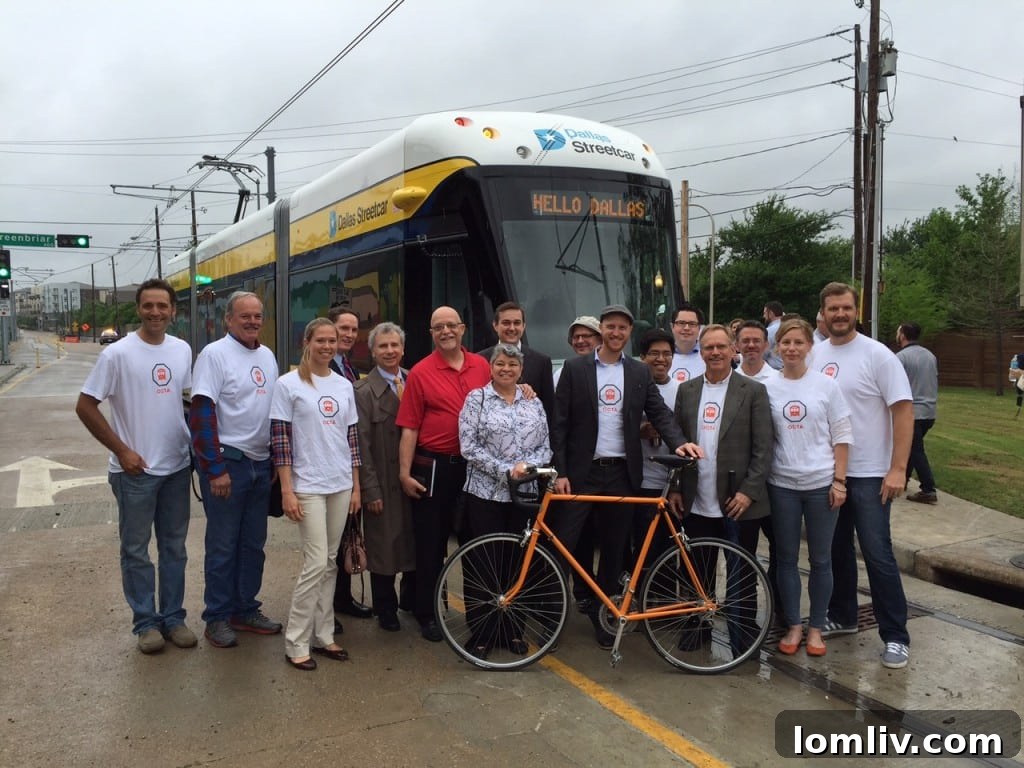
The tale of a neighborhood’s dramatic resurgence is always compelling, but rarely is it a stroke of luck or a top-down mandate. More often, it’s the culmination of relentless effort and an unwavering vision from a dedicated group of residents. In Dallas, few stories epitomize this spirit better than the remarkable transformation of North Oak Cliff. Over the past decade, this vibrant community has undergone a redevelopment nothing short of dramatic, culminating in a pivotal moment: the launch of the OC Streetcar. This new public transit artery isn’t just a convenience; it represents the most impactful development yet, symbolizing renewed connectivity, economic vitality, and a testament to grassroots power.
To the casual observer, the introduction of a modern streetcar system might seem like a grand initiative orchestrated by City Hall or a fortunate windfall from a federal grant. However, the reality of this transformative project, much like most profound societal shifts, traces its origins back to the tireless advocacy and collaborative spirit of a handful of committed individuals who dared to dream bigger for their community.
Never doubt that a small group of thoughtful, committed citizens can change the world; indeed, it’s the only thing that ever has. – Margaret Mead
This powerful quote from Margaret Mead perfectly encapsulates the genesis of the Oak Cliff Streetcar project. It began not with a formal decree, but with what some might have initially dismissed as a “hare-brained idea” from the ever-innovative Jason Roberts, surrounded by a burgeoning network of acquaintances in North Oak Cliff. Roberts, a visionary and community builder, recognized the immense potential that lay dormant in connecting Oak Cliff more seamlessly with downtown Dallas. He envisioned a future where public transit could once again serve as the heartbeat of urban life, much as it had before the original streetcar lines ceased operation in the 1960s.
The Genesis of a Vision: Igniting the Oak Cliff Streetcar Dream
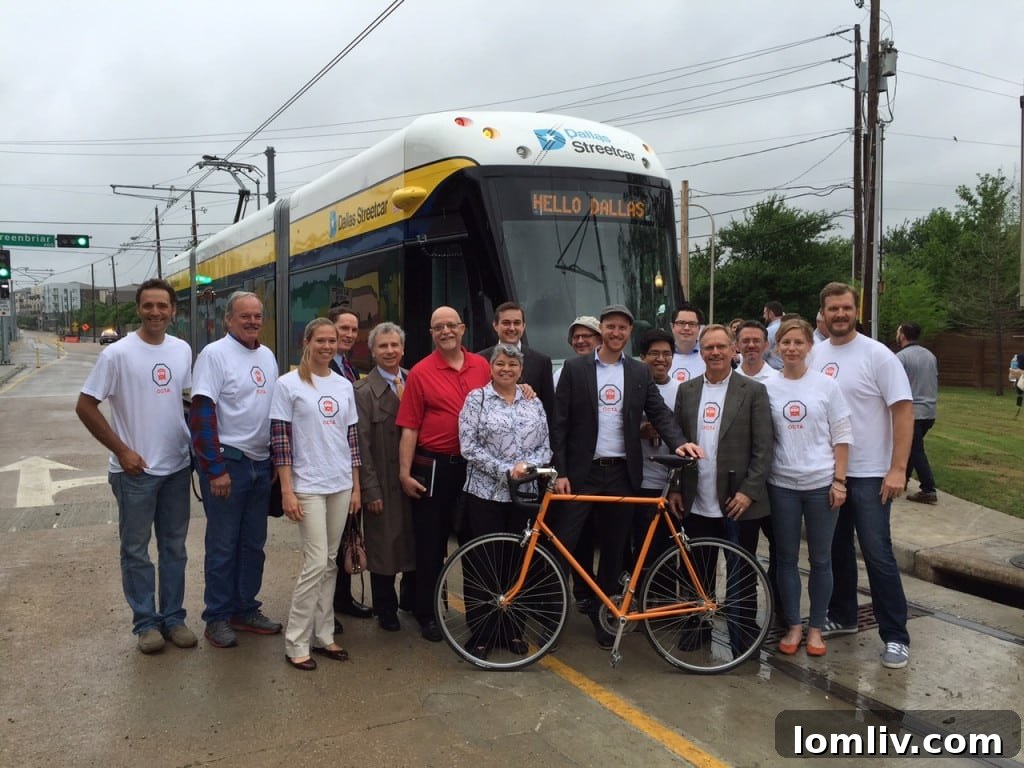
Jason Roberts’ audacious vision led to the formation of the nonprofit Oak Cliff Transit Authority (OCTA). Initially, OCTA was a conceptual entity, its board existing primarily as names on a website, yet its mission was crystal clear: to generate significant public interest and “buzz” around the revival of the streetcar service. This wasn’t merely about nostalgia; it was about re-imagining urban mobility and fostering a more connected, sustainable future for Oak Cliff. Roberts understood that without community excitement and buy-in, even the most brilliant plans would falter.
The early days of OCTA were characterized by persistent advocacy and strategic partnerships. Roberts, along with neighborhood engineer Luis Salcedo, recognized the need for expert guidance in navigating the complex world of urban planning and federal funding. They shrewdly enlisted the expertise of Scott Polikov, a former Washington D.C. lawyer who had transitioned into a highly respected urban planner. Polikov’s intimate understanding of federal mechanisms proved invaluable. His initial assessment led them to identify the highly competitive TIGER (Transportation Investment Generating Economic Recovery) grant program as an ideal fit for their project. The TIGER grant, specifically designed for “shovel-ready projects” with significant economic and community impact, presented an incredible opportunity to kickstart the most challenging segment of the streetcar line: the critical mile-long bridge connecting downtown Dallas to Oak Cliff, a crucial link for bridging historical divides and fostering economic integration.
Navigating the Labyrinth of Funding and Political Will
The journey from a bold idea to a funded project was anything but linear. Roberts, Salcedo, and Polikov assembled a dedicated core team, bringing in engineers from Salcedo Group and the invaluable Don Raines to conduct the initial analysis. This early phase required immense dedication, often with individuals working pro bono, demonstrating their unwavering commitment to the vision. They collaborated tirelessly with various key stakeholders, including the North Central Texas Council of Governments (NCTCOG), Dallas City Hall, and Dallas Area Rapid Transit (DART), to meticulously craft a compelling proposal for the initial round of TIGER funding. This was a Herculean effort, demanding not only technical prowess but also adept political maneuvering to garner support from all levels of government, from local City Council representatives to influential Congressional figures.
The successful securing of the $23 million TIGER grant was a monumental achievement, providing a crucial portion of the necessary funding. However, it was just the beginning. The overall project evolved into a massive public-private partnership, a testament to collaborative governance and shared community goals. This complex financial mosaic was made possible through the unwavering support and additional funding from a diverse array of public officials and agencies. These included Dallas County Judge Clay Jenkins and U.S. Representative Eddie Bernice Johnson, DART Executive Director Gary Thomas, former U.S. Transportation Secretary Ray LaHood, Dallas County Commissioner Elba Garcia, the Regional Transportation Commission, the Texas Department of Transportation, and the Federal Transit Administration. Crucially, the commitment of the NCTCOG, along with visionary Dallas city officials and dedicated staff, played an indispensable role. Figures like Councilman Scott Griggs, a founding board member of OCTA, and Keith Mannoy, Dallas’s senior transportation planner who notably retired on the very day the streetcar opened, were instrumental in shepherding the project through countless bureaucratic hurdles.
The Impact of the Streetcar: Catalyzing Urban Revitalization and Connectivity
The Oak Cliff Streetcar is far more than just a transportation line; it’s a powerful symbol of urban renewal and community empowerment. Its opening represents a tangible link between North Oak Cliff’s historic charm and the economic engine of downtown Dallas, fostering new opportunities for residents and businesses alike. The connectivity it provides is expected to spur further economic development along its route, encouraging pedestrian activity, supporting local businesses, and enhancing property values. This project embodies the principles of modern urban planning, emphasizing walkability, sustainable transit options, and the creation of vibrant, interconnected neighborhoods.
The success of the Oak Cliff Streetcar has garnered national attention, positioning North Oak Cliff as a compelling case study in community-driven urban development. This week, Jason Roberts is scheduled to lead a sold-out tour showcasing Oak Cliff’s revitalization efforts. The tour will host urban planners, engineers, and visitors from across the country who are attending the Congress for the New Urbanism’s 23rd Annual Congress in Dallas. This recognition underscores the significance of Oak Cliff’s journey as a model for other communities striving for similar transformations. For anyone passionate about community building and neighborhood revitalization, exploring the agenda of this prestigious congress offers invaluable insights into the future of urban design and development.
The journey to the streetcar’s inauguration was a long and arduous one, stretching over a decade of dedicated effort. Roberts himself recounts attending over 80 meetings alongside Luis Salcedo and the rest of the OCTA team to bring this ambitious project to fruition. From the initial “hare-brained idea” to the first passenger ride, it took almost six years after the Oak Cliff Transit Authority was formally established, and a full ten years after the initial planning stages began, for the streetcar to finally open its doors to the public in Oak Cliff. This timeline highlights the sheer perseverance and unwavering belief required to transform a community’s vision into reality.
As neighborhood activists and community leaders everywhere can attest, achieving such monumental change is never easy. It requires an extraordinary blend of passion, strategic thinking, collaborative spirit, and an indomitable will to overcome countless obstacles. Yet, the profound results – a revitalized urban landscape, enhanced connectivity, new economic opportunities, and a renewed sense of community pride – are truly life-changing. The Oak Cliff Streetcar stands as a powerful testament to what a small, committed group of citizens can achieve when they unite for a shared, transformative vision.