In the dynamic world of real estate and homeownership, the integrity and safety of a property stand paramount. Every week, the meticulous professionals at Green Scene Home Inspections bring invaluable insights to Daltxrealestate.com readers, shedding light on the often-overlooked aspects of home maintenance and potential pitfalls. This comprehensive series, “Upon Closer Inspection,” is dedicated to educating and empowering individuals to truly understand the homes they inhabit or wish to purchase, focusing on key areas that frequently require attention.
After conducting thousands of home inspections – an impressive tally of around 7,000 to be precise – certain recurring patterns become strikingly clear. Homeowners, often unknowingly, tend to neglect similar areas within their properties. Simultaneously, the relentless forces of Mother Nature frequently impact homes within specific geographical regions in predictable ways, contributing to common wear and tear or specific structural challenges. Recognizing these commonalities isn’t just about identifying problems; it’s about fostering proactive property management and informed decision-making, ultimately safeguarding your investment.
Whether you’re a seasoned homeowner striving to maintain your most significant asset, or a diligent Realtor guiding clients through the complexities of buying a new home, awareness of these prevalent issues is crucial. This knowledge empowers you to take exceptional care of your home throughout your ownership and to critically assess potential problems when considering a new acquisition. Join us as we explore some of the most frequently encountered deficiencies in the field, offering a glimpse into what a professional home inspector truly sees and how these insights can benefit you.
The Hidden Danger: Disconnected Flue Pipes and Home Safety
A flue, essentially a specialized duct or pipe, plays a critical role in your home’s safety system. Its primary function is to safely vent exhaust gases, which are dangerous byproducts of combustion from heat-producing appliances like fireplaces, furnaces, water heaters, and HVAC systems, directly to the outdoors. The importance of a properly functioning flue cannot be overstated; it acts as a silent guardian, protecting your household from unseen dangers. When a flue becomes disconnected or improperly sealed, it creates an immediate and severe hazard that can have devastating consequences for occupants and the property itself.
The accumulation of exhaust gases within your living space poses a dual threat: it’s a significant fire hazard and extremely detrimental to human health. Chief among these dangers is carbon monoxide (CO), an odorless, colorless, and tasteless gas often referred to as the “silent killer.” Exposure to carbon monoxide can lead to symptoms ranging from headaches and nausea to confusion, and in severe cases, unconsciousness, brain damage, or even death. A disconnected flue allows these deadly gases to leak directly into your home, bypassing the intended safe ventilation route and turning your living space into a hazardous environment.
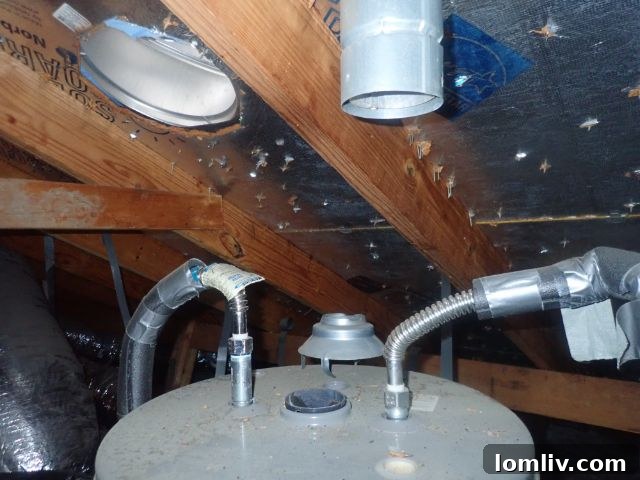
As illustrated in the accompanying photo, a flue pipe may appear to run towards the roof but is clearly not securely attached to the appliance it’s meant to serve. This is a remarkably common issue encountered by home inspectors across countless properties. Causes vary, often stemming from improper installation techniques where securing clamps or connectors were either omitted or inadequately tightened during initial setup. Over time, vibrations from appliance operation, thermal expansion and contraction of materials, seismic activity, or even animal interference can cause connections to loosen and separate. The presence of functioning carbon monoxide detectors throughout your home is therefore not merely a recommendation, but an absolute necessity for early detection and warning against this insidious and potentially fatal threat.
To mitigate the risks associated with a disconnected flue, homeowners should prioritize regular maintenance and professional inspections of all combustion appliances. Ensuring that certified technicians inspect your furnace, water heater, and fireplace annually can help identify and rectify loose or damaged flue connections before they become critical safety concerns. Investing in high-quality, regularly tested carbon monoxide detectors placed strategically on every level of your home, especially near sleeping areas and attached garages, provides an essential and life-saving layer of protection against this often-overlooked but potentially fatal home problem. Proactive maintenance is key to preventing serious incidents.
The Perils of Problematic Electrical Outlets: Ensuring Home Electrical Safety
Electrical systems are the fundamental lifeline of modern homes, powering our appliances, lighting, and essential devices. Yet, electrical outlets, the very points of connection we rely on daily, are frequently found to be riddled with issues that range from minor inconveniences to serious safety hazards. In virtually every home inspection conducted, experienced inspectors uncover a variety of problems related to outlets, underscoring the critical need for meticulous examination. From non-functional receptacles to dangerously exposed wiring, these issues demand immediate attention for the safety and overall functionality of your property.
Common electrical outlet problems are diverse and widespread. They include outlets that simply don’t work, indicating a circuit issue or faulty wiring; loose or missing wiring behind the plates, which can lead to intermittent power or arcing; absent or damaged outlet covers exposing live electrical components, a severe shock hazard; and incorrect or shoddy wiring (such as reverse polarity, open grounds, or improper grounding), which can damage appliances and pose electrocution risks. A significant and recurrent concern is the absence of Ground Fault Circuit Interrupter (GFCI) outlets in areas where they are strictly mandated by code, such as bathrooms, kitchens, laundry rooms, and outdoor spaces. These specialized outlets are ingeniously designed to prevent electric shock by rapidly tripping the circuit when an imbalance in current is detected, a crucial safety feature near water sources.
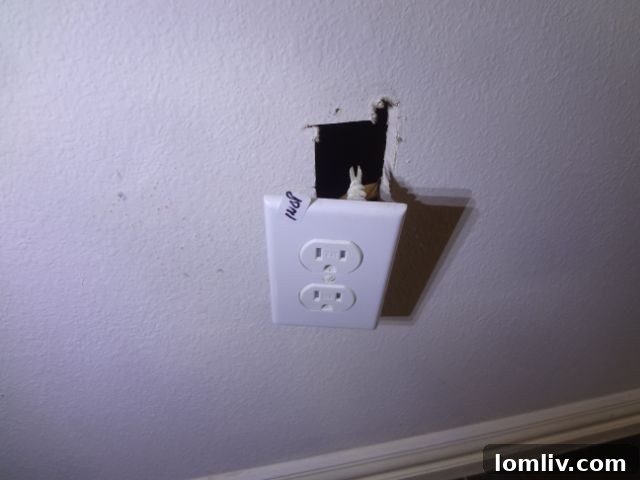
The image provided perfectly illustrates the deceptive nature of some electrical problems. Here, a brand new outlet cover, seemingly installed to perfection, tested negative for electricity and detached from the wall with minimal effort during the inspection process. This indicates underlying issues that could range from a completely disconnected circuit, a faulty receptacle, or inadequate wiring connections that prevent power from reaching the outlet. Such superficial cosmetic fixes often mask deeper electrical flaws that could lead to fire, electrical shock, or damage to connected appliances, making a professional assessment indispensable.
Professional home inspectors meticulously check every single electrical outlet in a property precisely because these issues are so pervasive and critical to home safety. Their specialized tools can detect wiring faults invisible to the naked eye, ensuring a thorough evaluation. For homeowners, understanding these risks means never attempting complex electrical repairs without proper training and certification. Always enlist a licensed and qualified electrician for significant electrical work. Regularly test your GFCI outlets monthly using their built-in ‘test’ and ‘reset’ buttons to ensure they are functioning correctly. Ensure all outlet covers are secure and undamaged, particularly in homes with children, and promptly replace any outlets that are loose, show signs of charring, sparking, or damage. Prioritizing electrical safety is paramount to preventing potential fires, electrocution hazards, and ensuring the reliable operation of your home’s electrical system.
The Pitfalls of Improper Roof Installation: The Double-Layering Dilemma and Its Costly Consequences
A roof is undeniably one of the most vital components of any home, serving as its primary shield against the elements and contributing significantly to its structural integrity and energy efficiency. Replacing a roof is a substantial investment, often costing thousands of dollars, which unfortunately tempts some homeowners to cut corners. This can lead to do-it-yourself attempts or hiring unqualified, unlicensed individuals in an effort to save money. While the upfront savings might seem appealing, improper roof installation inevitably leads to a cascade of problems that far outweigh any initial financial gain.
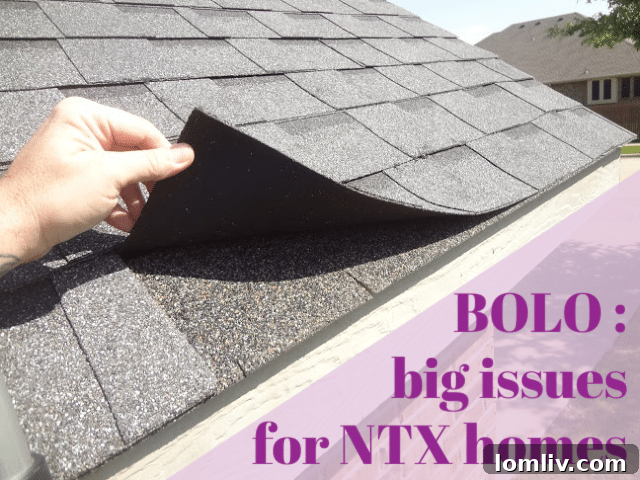
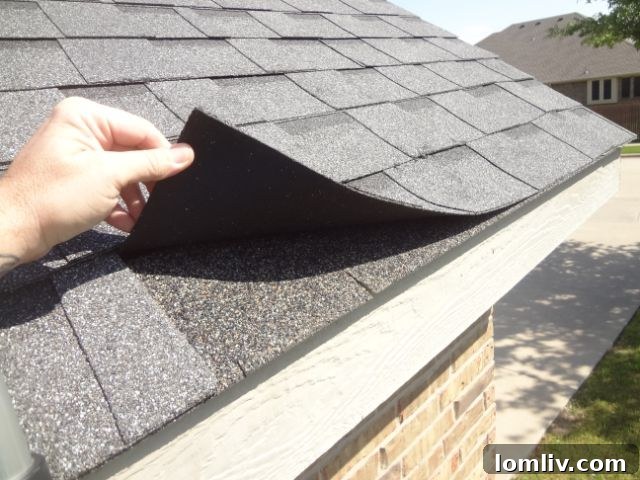
One of the most frequently encountered and severe roofing issues observed by professional inspectors is the practice of installing new shingles directly over older, existing ones, commonly referred to as “double layering” or “roofing over.” While this method bypasses the cost of removing and disposing of the old material, potentially saving upwards of $1,000 in immediate disposal fees, the long-term repercussions are profoundly negative and can lead to significantly higher costs down the line. In the scenario depicted in the photo, there are clearly two layers of architectural or dimensional shingles, exacerbating these inherent problems.
The consequences of double layering are extensive and detrimental to the entire home’s structural integrity and longevity. Firstly, the added weight from the extra layer of shingles significantly burdens the roof decking and underlying support structure. This excessive load can lead to structural stress, which may manifest as visible cracks in interior sheetrock walls and ceilings, and in severe cases, even contribute to foundation problems over time, requiring expensive repairs. Secondly, the trapped older layer of shingles impedes proper ventilation and insulation. This can lead to increased heat buildup in the attic and between the two shingle layers, accelerating the degradation of both layers and drastically reducing the lifespan of the new roofing material by approximately 40 percent. This premature aging means homeowners face another costly roof replacement much sooner than anticipated.
Furthermore, and perhaps most critically, installing a new roof over an old one almost universally voids the manufacturer’s warranty on the new shingles. Roofing manufacturers explicitly state installation requirements that typically include a complete tear-off of all old materials to ensure proper adhesion, ventilation, and performance. Without a valid warranty, homeowners are left unprotected against manufacturing defects or premature failure, facing the full financial burden of repairs or replacement out of pocket. Other common improper installation issues, often seen alongside double layering, include inadequate flashing around chimneys and vents, incorrect nailing patterns that compromise shingle security, and insufficient attic ventilation, all of which compromise the roof’s ability to protect the home effectively from moisture intrusion and extreme temperatures.
To avoid these costly mistakes and ensure the longevity and performance of your roof, it is imperative to always hire a reputable, licensed, and insured roofing contractor. Always insist on a complete tear-off of all old roofing materials before new installation begins. Review proposed contracts carefully, ensuring they detail the removal of old materials, adherence to manufacturer specifications, and warranty information. A professional installation not only ensures the roof’s longevity and structural soundness but also preserves your warranty, providing essential peace of mind and protecting your home’s value for years to come.
Compromised Comfort: The Problem of Broken Thermal Seals in Double-Pane Windows
Double-pane windows, also widely known as insulated glass units (IGUs), have become a standard feature in modern home construction and a popular, energy-saving upgrade for older properties. They offer significant advantages over traditional single-pane windows, primarily due to their superior insulation capabilities. Designed with two panes of glass separated by a sealed air or gas-filled space, they are approximately 50 percent more energy-efficient, providing superior insulation that helps maintain comfortable indoor temperatures and significantly reduces heating and cooling costs. The typical lifespan for the thermal seal in a double-pane window ranges between 8 to 20 years, depending on factors like manufacturing quality, climate conditions, installation methods, and exposure to environmental stressors.
However, once the crucial thermal seal between the two panes of glass is compromised, the window’s efficiency and aesthetic appeal rapidly deteriorate. This seal is designed to create an airtight, watertight cavity between the two glass panes, which is typically filled with an inert insulating gas like argon or krypton to enhance thermal performance. When this seal breaks, as is commonly observed by inspectors and thoroughly explained in the accompanying video, moisture-laden air infiltrates the space between the panes. This infiltration leads to persistent fogging, condensation, or a dirty appearance that cannot be cleaned, signaling a significant failure in the window’s insulating properties.
The causes of thermal seal failure are varied and can stem from multiple factors. Age is a primary contributor, as the materials used in the seal (such as sealants and spacers) can degrade over time due to constant exposure to sunlight, UV radiation, and daily temperature fluctuations. Extreme weather conditions, poor manufacturing quality, improper installation techniques, or even physical stress on the window frame (like house settling or impact) can accelerate the breakdown of the seal. Once the seal is broken, the insulating gas escapes, and humid air enters, creating a continuous cycle of condensation and evaporation that leaves unsightly mineral deposits and streaks on the interior glass surfaces, permanently obscuring the view.
The consequences of a broken thermal seal extend far beyond mere aesthetics. The primary benefit of double-pane windows—their superior energy efficiency—is effectively lost. Your home will experience increased heat transfer, meaning higher energy bills as your HVAC system works harder to compensate for the lost insulation. This also directly impacts indoor comfort, leading to uncomfortable hot spots near windows in summer and cold spots in winter. While some companies offer “defogging” services, these are often temporary solutions that don’t restore the insulating gas or the original integrity of the seal, making full replacement of the insulated glass unit (IGU) or the entire window a more durable and effective long-term solution.
To maximize the lifespan of your double-pane windows and prevent premature seal failure, ensure they are installed correctly by experienced professionals who adhere to manufacturer guidelines. Regular, gentle cleaning without harsh, abrasive chemicals can help maintain the integrity of the frame and seals. Promptly address any issues with drainage around the window to prevent water from sitting against the frame, which can degrade seals. While seal failure is often an inevitable part of a window’s life cycle, understanding the signs and implications allows homeowners to make informed decisions about timely repairs and replacements, safeguarding their home’s energy performance, comfort, and overall value.
The journey of homeownership is filled with both joy and significant responsibility. As these common issues demonstrate, a home’s well-being relies heavily on vigilance, proper maintenance, and professional insight. From the critical safety of flue connections and electrical systems to the structural integrity of your roof and the energy efficiency of your windows, understanding these potential problems empowers you to be a more effective steward of your property. Professional home inspections are not just a transaction; they are an invaluable investment in your peace of mind and the long-term health and value of your property. By being proactive and informed, you can ensure your home remains a safe, comfortable, and valuable asset for many years to come.