From Staff Reports
Comprehensive Guide to Post-Storm Pool Cleanup: Restoring Your Oasis Safely
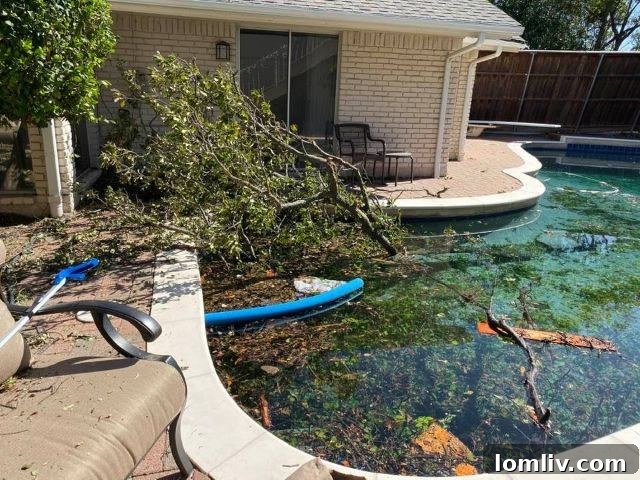
For homeowners in North Dallas and beyond, particularly those recently affected by severe weather events like tornadoes, the aftermath often brings unexpected challenges, especially for pool owners. A backyard pool, usually a source of relaxation and enjoyment, can quickly turn into a significant health and safety hazard when filled with storm debris, sediment, and contaminated water. Many may underestimate the dangers posed by such conditions and the critical importance of proper cleanup. According to experts from Leslie’s Pool Supplies, an incorrect approach to post-storm pool recovery can lead to serious health risks from bacteria-laden water, pose safety threats, and result in potentially expensive property damage. To help ease the burden and guide homeowners through the daunting task of bringing their pools back to their pristine state, we’ve compiled a detailed, step-by-step guide focusing on safety, efficiency, and long-term pool health.
Navigating the cleanup process after a major storm like the North Dallas tornado requires more than just skimming out leaves. It demands a methodical approach, keen attention to detail, and an understanding of pool mechanics and chemistry. This comprehensive guide will arm you with the knowledge needed to tackle the challenge, ensuring your pool’s safe and swift recovery while protecting your investment and your family’s well-being.
Understanding the Immediate Dangers of a Storm-Damaged Pool
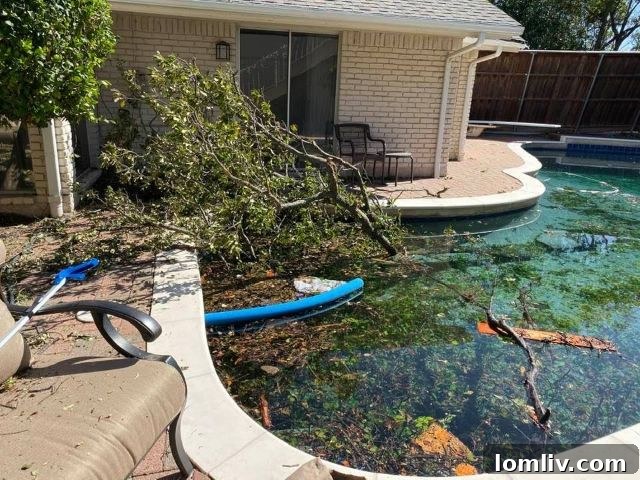
After a storm, your pool is no longer just dirty; it’s potentially contaminated. Standing water, especially when mixed with floodwaters, organic debris, and household runoff, becomes a breeding ground for harmful bacteria, viruses, and other pathogens. This presents a direct health risk to anyone who comes into contact with the water, let alone attempts to swim in it. Beyond biological contaminants, physical hazards abound. Submerged debris, damaged electrical components, and unstable pool structures all contribute to a dangerous environment. Recognizing these immediate threats is the first step toward a safe and effective cleanup.
Crucial First Step: Do Not Drain the Pool
One of the most common misconceptions post-storm is that draining a heavily contaminated pool is the quickest path to cleanliness. However, this action can lead to catastrophic and costly damage. Even if your pool water appears saturated with dirt, mud, and various debris, resisting the urge to drain is paramount. The reason lies beneath the surface: an elevated water table.
Severe storms often saturate the ground, leading to a significant rise in the groundwater level. When a pool is full, the weight of the water inside helps counteract the upward pressure exerted by this elevated groundwater, known as hydrostatic pressure. If you drain the pool, you remove this counteracting weight. The powerful hydrostatic pressure from the surrounding saturated soil can then cause the empty pool shell to “float” or “pop” out of the ground. This phenomenon can lead to severe structural damage, cracking the pool shell, dislodging plumbing, and even tearing liners. Such damage is incredibly expensive to repair, often requiring excavation and extensive reconstruction. Therefore, the safest and most economical approach is to clean and treat the water currently in the pool, no matter how daunting or dirty it may appear.
Initial Cleanup: Skimming Debris and Clearing Baskets FIRST
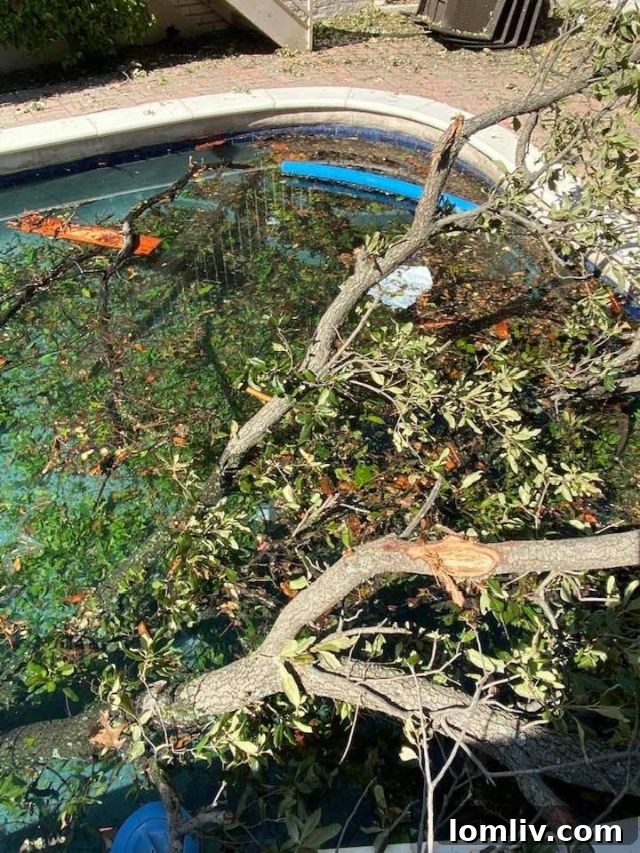
Before you even think about restoring power or running your filtration system, a thorough manual removal of debris is essential. This crucial preliminary step prevents costly damage to your pool equipment. Begin by diligently removing all floating debris from the surface of the pool using a sturdy leaf net or skimmer. Pay close attention to larger items such as branches, leaves, roof shingles, and any other foreign objects that may have found their way into your pool. Don’t forget to tackle the debris that has settled at the bottom of the pool; a good quality leaf rake or pool vacuum designed for heavy debris will be invaluable here.
Once the bulk of the debris is out of the main pool body, turn your attention to the pool’s vital components: the pump strainer basket and the skimmer baskets. These baskets are designed to catch debris before it enters the more delicate parts of your filtration system. They are likely overflowing with collected storm detritus. Cleaning these baskets thoroughly before restoring power and operating the filtration system is critical. Failure to do so will result in a clogged system, putting immense strain on your pump motor, potentially leading to burnout, costly repairs, or even complete system failure. This preemptive cleaning safeguards your equipment and ensures that when you do power up, your system can operate efficiently.
Prioritizing Safety: Electrical Equipment Inspection
After a storm, especially one as severe as the North Dallas tornado, pool electrical systems are highly vulnerable. Before attempting to reactivate any pool equipment, a meticulous inspection of all electrical components is non-negotiable. Safety must be your absolute priority to prevent electrocution or damage to expensive machinery.
Examine all wiring, junction boxes, GFCI outlets, pumps, heaters, and lighting fixtures for any signs of water intrusion, fraying, cuts, or dislodgement. Look for rust, corrosion, or any other indicators of water damage. If any equipment appears to be wet, partially submerged, or shows any visible damage whatsoever, do NOT attempt to turn the power back on. In such scenarios, immediately consult a qualified pool electrician or a certified pool professional. They possess the expertise and specialized tools to safely assess the damage, make necessary repairs, and ensure the system is completely safe before power is restored. Attempting to DIY electrical repairs or activating damaged equipment can have fatal consequences. If, and only if, all electrical equipment appears completely dry and undamaged, you may proceed to turn the power back on and initiate the circulation and filtration systems. Even then, observe the equipment closely for any unusual noises, smells, or malfunctions.
Restoring Optimal Water Levels
Severe storms often bring torrential rainfall, which can significantly raise your pool’s water level, sometimes to the point of overflowing. While some elevated water might not seem immediately problematic, an excessively high water level can put undue strain on your pool’s filtration and circulation systems, potentially leading to inefficiency or even damage. It also dilutes your pool chemicals, making it harder to sanitize the water effectively.
Once the initial debris is cleared and electrical systems are checked, your next step is to normalize the water level. The ideal water level typically sits around the middle of your skimmer opening. To remove excess water, you can use a submersible sump pump, which efficiently pumps water out of the pool, or a siphon if a pump is unavailable. Ensure the expelled water is directed to an appropriate drainage area away from your home’s foundation or neighboring properties. Bringing the water level back to its operational sweet spot ensures your skimmers function correctly and prepares the pool for chemical treatment.
Chemical Balancing and Sanitation: Shocking and Testing
Even after the water appears physically clear and debris-free, it is highly likely teeming with microscopic and potentially harmful organic contaminants, bacteria, viruses, and algae spores introduced by storm runoff. Left unchecked, these unseen threats can quickly lead to rampant algae blooms, bacterial growth, and an unsanitary swimming environment. This stage is critical for sanitizing the water and restoring its chemical balance.
- Super Shock Treatment: Begin by performing a powerful pool shock. This involves adding a concentrated dose of chlorine to rapidly elevate the sanitizer level, effectively killing off contaminants. Aim to raise the free chlorine level to approximately 10.0 parts per million (ppm). It’s crucial to follow the manufacturer’s instructions for your specific shock product, considering your pool’s volume. Always handle pool chemicals with care, wearing appropriate protective gear and adding them at dusk or night to minimize chlorine loss from UV rays.
- Circulate and Test: Allow your pool’s circulation and filtration system to run continuously for several hours after shocking to distribute the chemicals thoroughly. After this initial circulation, begin testing your water chemistry. You’ll want the chlorine level to gradually subside to a safe and effective range, typically between 1.0 to 3.0 ppm, before proceeding to balance other parameters.
- Balance Water Chemistry: Once your chlorine levels are manageable, it’s time to fine-tune the rest of your pool’s chemistry. This includes pH, alkalinity, and calcium hardness.
- pH: The ideal pH range is 7.4-7.6. This ensures chlorine works effectively and prevents irritation to swimmers and damage to pool surfaces. Use a pH increaser or decreaser as needed.
- Total Alkalinity: Aim for 80-120 ppm. Alkalinity acts as a buffer, helping to stabilize your pH levels.
- Calcium Hardness: Maintain 200-400 ppm. Proper calcium levels prevent plaster etching or scaling.
Many retailers, including Leslie’s Pool Supplies, offer free pool water testing services and expert advice. Utilizing these services can provide precise recommendations for your specific pool’s needs, taking the guesswork out of chemical balancing.
The Final Stretch: Achieving Clarity and Safety
After meticulously completing all the above steps, the journey isn’t quite over. Leslie’s Pool Supplies recommends running your pool’s circulation and filtration system continuously for a few days, or even longer, until the water achieves crystal clarity and the chemical balance is perfectly stable. During this period, continue to monitor your filter’s pressure gauge and backwash or clean your filter as needed, as it will be working overtime to remove fine particulate matter. Regular water testing (daily at first, then less frequently) will confirm that your chemical levels remain within the safe and recommended ranges. Only when the water is sparkling clear and all chemical parameters are balanced and stable should the pool be considered safe for swimming again.
When to Call a Professional
While this guide provides comprehensive steps, some situations demand professional intervention. If your pool sustains structural damage, if electrical components are submerged or severely damaged, if you encounter persistent cloudy water despite following all steps, or if you simply feel overwhelmed, do not hesitate to contact a certified pool technician. Professionals have the tools, expertise, and experience to handle complex repairs and ensure your pool is restored correctly and safely.
Conclusion: A Safe Return to Your Backyard Oasis
Recovering your pool after a severe storm like the one that impacted North Dallas can be an extensive process, but it is a critical investment in your property’s value and your family’s safety. By following these detailed steps—resisting the urge to drain, thoroughly clearing debris, meticulously inspecting electrical systems, adjusting water levels, and diligently balancing water chemistry—you can effectively transform your storm-affected pool back into a clean, safe, and enjoyable backyard oasis. Remember, patience, attention to detail, and prioritizing safety are your most valuable tools in this restoration journey. With the right approach, your pool will soon be ready to provide relaxation and fun once again.