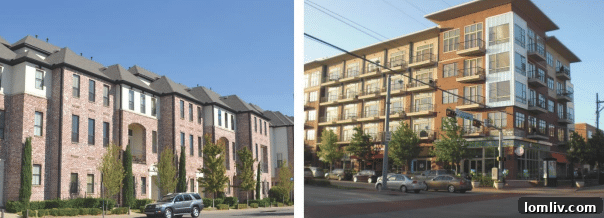
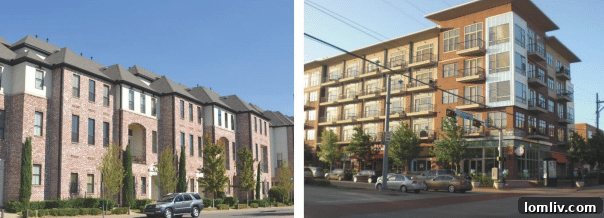
The urban landscape of Dallas is undergoing a remarkable transformation, signaling a clear shift into a dynamic post-pandemic construction market. Evidenced by a flurry of zoning applications, project approvals, and groundbreakings, the city is grappling with an escalating demand for housing that far outstrips its current inventory. This critical imbalance was a central theme at a recent gathering of realtors hosted by the Dallas Builders Association, where industry leaders converged to discuss the pressing housing crisis in one of the nation’s most rapidly expanding metropolitan areas. The consensus was undeniable: Dallas is a magnet for growth, and its housing supply desperately needs to catch up.
Despite facing considerable headwinds, the demand for housing across the Dallas-Fort Worth (D-FW) metroplex remains robust. Industry reports from the Dallas BA highlight an ongoing struggle with unprecedented supply chain disruptions and a persistent labor shortage, which have inevitably impacted construction timelines and costs. Furthermore, the latter half of 2022 saw a rapid surge in mortgage interest rates, a factor that effectively priced over 18 million American households out of the dream of homeownership. Yet, even in the face of these formidable challenges, the D-FW housing market continues to be buoyed by a powerful combination of favorable demographic trends and the nation’s strongest job market.
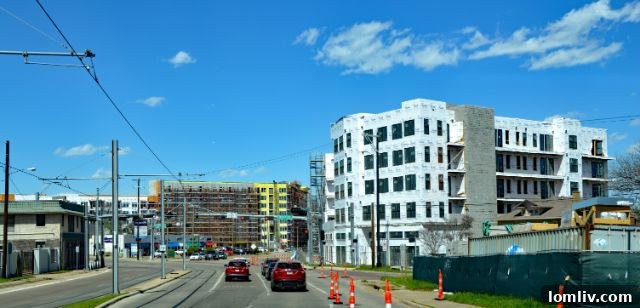
The economic engine of North Texas has been roaring, with the Dallas Regional Chamber of Commerce reporting the addition of more than 321,000 jobs since 2019. This remarkable job creation directly correlates with a surging population. Projections indicate that over the next five years, D-FW is expected to welcome more than 600,000 new residents. This influx of people, seeking career opportunities and a vibrant lifestyle, will inevitably fuel an even greater demand for housing across all segments, from single-family homes to high-rise apartments.
Optimism is cautiously building for the latter half of 2023, with expectations of stabilized labor and material costs, alongside a slight decrease in mortgage interest rates. Should these predictions materialize, the Dallas BA newsletter suggests a significant boost for the housing market. Such conditions would not only make homeownership more accessible for many but also stimulate further residential development, providing much-needed relief to the strained inventory levels. This dynamic environment underscores why developers are keenly focusing on Dallas, with numerous significant projects already in the pipeline or breaking ground. These developments aim to cater to the diverse housing needs of the burgeoning population, from luxury urban living to essential workforce housing.
Preston Center Poised for Luxurious High-Rise Living
The prestigious Preston Center district, known for its upscale amenities and prime location, is set to become even more desirable with the announcement of significant new developments. Leading developer Cawley Partners recently unveiled ambitious plans to construct two state-of-the-art high-rise apartment buildings along Northwest Highway. This initiative reflects a growing trend in Dallas’s most sought-after neighborhoods: vertical expansion to accommodate demand where land is scarce.
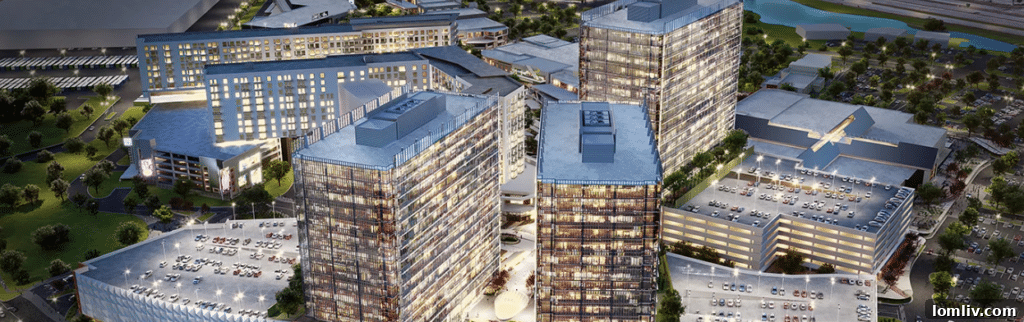
The proposed site, currently home to the two-story Royal Orleans and Diplomat Condominiums, is slated for a dramatic transformation. Pending critical rezoning approvals, the area would host a dynamic new complex featuring a 16-story tower and a nine-story building, collectively offering 225 upscale residential units. The architectural vision for this sophisticated project is being brought to life by Dallas-based GFF Architects, who have meticulously designed the development to include extensive below-ground parking, a crucial amenity in this densely populated urban core.
The Preston Center area is already a hub of multi-family development, boasting luxury residences such as The Athena and the iconic Preston Tower. The competitive nature of this market is further evidenced by Houston developer Hanover Co., which is actively constructing a 213-unit rental high-rise immediately adjacent to the proposed Cawley Partners site. This concentration of high-end residential projects underscores the intense demand for premium living spaces in Preston Center, attracting a demographic seeking convenience, luxury, and proximity to Dallas’s vibrant urban amenities.
Beyond these specific projects, the wider Preston Center vicinity is experiencing a renaissance of development. Other notable initiatives include a significant two-tower housing complex planned for Westchester Drive, situated just south of Northwest Highway within the Preston Center Pavilion shopping center. This mixed-use endeavor promises to integrate retail, office space, and approximately 180 new housing units, creating a truly dynamic urban environment. Further testament to the area’s allure, developer Lincoln Property is also advancing plans for two additional high-rises on Douglas Avenue, south of Preston Center. Moreover, a property on the south side of Luther Lane in Preston Center recently secured rezoning approval for a comprehensive development featuring both a hotel-condo tower and a high-rise apartment building. These multiple projects collectively signify a robust and sustained commitment to transforming Preston Center into an even more prominent and densely populated luxury residential and commercial hub in Dallas.
Addressing Dallas’s Housing Needs with Public Facility Corporation Projects: The Singleton Highline
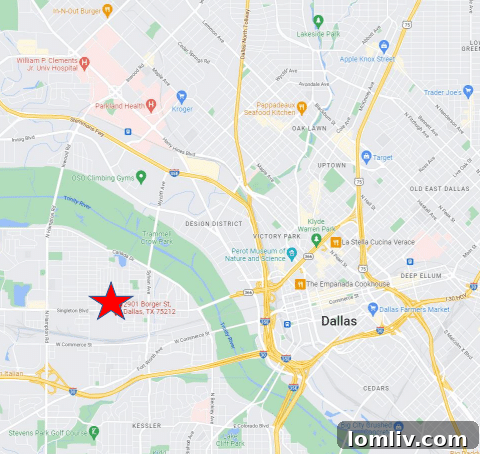
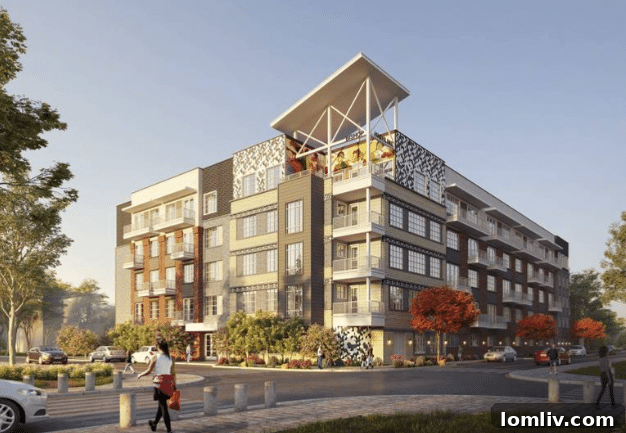
As Dallas continues its rapid expansion, innovative solutions are critical to address the city’s diverse housing needs, particularly for affordable and workforce housing. One such mechanism is the Public Facility Corporation (PFC) finance structure, which recently played a pivotal role in the Dallas City Council’s decision to greenlight the Singleton Highline project. The Council voted to allow its Public Facility Corporation to acquire, develop, and ultimately own the Singleton Highline, a proposed 176-unit housing development strategically located at 2901 Borger Street. This significant approval highlights the ongoing efforts to bolster housing inventory across various income levels in Dallas.
The Singleton Highline project is being spearheaded by Houston-based Urban Genesis, a developer with a proven track record of successful projects throughout the Dallas and Fort Worth regions. Their diverse portfolio underscores their capability to deliver high-quality residential developments tailored to the specific needs of urban communities. The choice to utilize a PFC structure for this development is a reflection of its unique financial incentives designed to facilitate housing creation.
PFC projects are often the subject of intense debate among public officials and neighborhood residents, primarily due to their unique financial framework. A core component of this structure is a 75-year tax abatement granted to the developer, which effectively removes the property from the city’s tax rolls for a substantial period. In return, the city typically receives a one-time upfront payment at the project’s inception, along with annual lease payments. Proponents of the PFC model argue that these projects are indispensable for generating much-needed housing that might otherwise remain unbuilt. They also contend that the financial outlay for taxpayers would be significantly greater if these developments were to be subsidized through traditional bond funds or general city funds, making PFCs a more fiscally prudent alternative for stimulating housing growth.
Furthermore, city officials frequently emphasize that the PFC funding structure plays a crucial role in incentivizing developers to incorporate an affordable housing component into their projects. This encourages the creation of diverse housing options that cater to a wider spectrum of Dallas residents, including essential workforce housing. The embedded social component of PFC projects aims to ensure that Dallas remains an inclusive city where residents of varying income levels can find a suitable place to live, contributing to the city’s economic and social fabric without being priced out of their communities.
The discussion surrounding the Singleton Highline project brought these tensions to the fore. District 12 Councilwoman Cara Mendelsohn took the notable step of pulling the item from the February 8 council consent agenda, requesting a record vote to ensure a thorough deliberation. She cast the lone dissenting vote against the project, though she offered no additional comments during that specific session. Councilwoman Mendelsohn has consistently opposed PFC projects in the past, basing her objections on principles of fiscal responsibility.
Her core argument revolves around the long-term implications of removing properties from the city’s tax rolls for 75 years. During a December council meeting where four similar projects were approved, Mendelsohn articulated her stance: “This is not an equity issue. This is about fiscal responsibility and how we fund affordable housing. We have to ensure our city is strong for the long term. If we continue to give tax abatements and continue to take items off our tax roll, we can’t provide the services that the residents need. I think we all know where we stand. I’m not going to vote for them. I reject the notion that it’s about equity when it’s actually about funding the city.” Her position underscores the delicate balance between incentivizing development and maintaining the city’s financial capacity to deliver essential public services.
Conversely, Deputy Mayor Pro Tem Omar Narvaez spoke passionately in favor of the Singleton Highline, emphasizing the critical need for workforce housing in District 6. He championed the project as a vital step towards ensuring housing accessibility for all Dallas residents. “We’re still trying to put more affordable housing into the City of Dallas,” Narvaez stated. “We’re still trying to put people over dollars. We are making sure that the residents in this great city have a place to stay, a place to live, that they don’t have to be forced out of their communities.” His remarks highlight the social imperative behind such developments, viewing them as essential tools to combat displacement and foster a more equitable urban environment.
The contrasting viewpoints on PFC projects like the Singleton Highline underscore the complex challenges Dallas faces in managing its unprecedented growth. As the city navigates the demands for both luxury living and essential affordable housing, these debates will continue to shape the urban fabric and determine how effectively Dallas can accommodate its ever-increasing population while upholding fiscal prudence and social equity. The future of Dallas’s housing market will undoubtedly be defined by its ability to strike this delicate balance, fostering sustainable growth that benefits all its residents.