Every week, the meticulous professionals at Green Scene Home Inspections share their invaluable expertise with Daltxrealestate.com readers, offering a profound education in property assessment. For an in-depth look at what goes into a comprehensive home evaluation, be sure to explore “Upon Closer Inspection.”
“Little things make big things happen.”
John Wooden
Legendary coach John Wooden’s timeless wisdom often inspires us to value the minute details that pave the way for victory and success. However, this profound insight applies equally, if not more, to the realm of homeownership and maintenance. The inverse of his statement holds a critical truth: when seemingly insignificant issues are overlooked or left unaddressed, they possess a remarkable capacity to escalate into formidable, costly problems. When it comes to the ongoing care and upkeep of your home, this sentiment couldn’t be more accurate. Proactive attention to small details is not just beneficial; it is absolutely essential for preserving your property’s value, safety, and comfort.
Throughout our extensive experience in home inspections, we’ve observed countless instances where homeowners, despite their best intentions, allowed minor maintenance concerns to fester. The repercussions often range from inconvenient to financially devastating. This article will delve into several real-world scenarios where neglecting “little things” led to “big problems,” underscoring the vital importance of timely intervention and regular home upkeep. By understanding these common pitfalls, homeowners can better prepare to safeguard their most valuable asset.
The Hidden Dangers of HVAC Neglect: What You Breathe Matters
Your home’s heating, ventilation, and air conditioning (HVAC) system is the lungs of your house, responsible for maintaining comfortable temperatures and circulating air quality. Yet, it’s often one of the most neglected components until a major breakdown occurs. Failing to service your HVAC system regularly can lead to dire consequences, impacting both your wallet and your health.
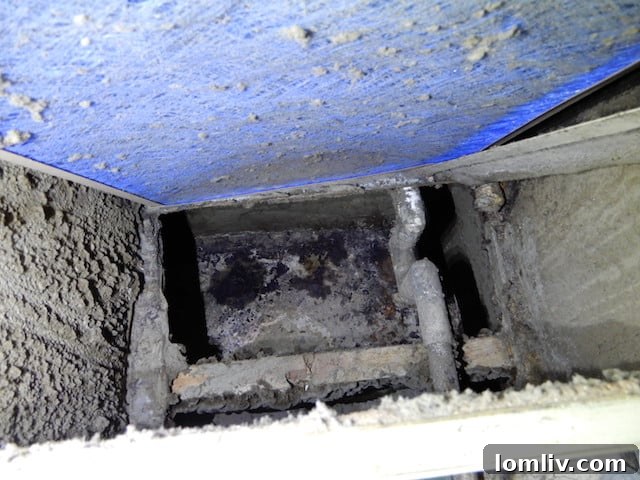
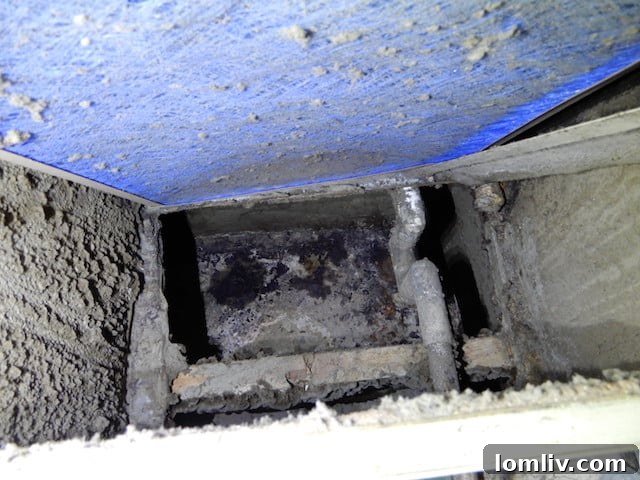
Consider the image above, which starkly illustrates the result of prolonged HVAC neglect. What you see is often a combination of accumulated dust, dirt, allergens, and, alarmingly, mold spores thriving within the system’s components. When your HVAC unit operates in this condition, it’s not just circulating air; it’s actively distributing these harmful particulates throughout your living space. This significantly diminishes indoor air quality, potentially exacerbating allergies, asthma, and other respiratory issues for your family members.
Beyond health concerns, an unmaintained HVAC system operates inefficiently. Clogged filters, dirty coils, and unlubricated motors force the system to work harder, consuming more energy and leading to skyrocketing utility bills. This constant strain accelerates wear and tear, drastically shortening the lifespan of expensive components and increasing the likelihood of premature system failure. Regular professional maintenance—typically once a year for heating and once a year for cooling—includes cleaning, inspecting electrical connections, checking refrigerant levels, and ensuring all parts are functioning optimally. These routine check-ups are minimal investments that yield substantial returns in terms of energy savings, extended equipment life, and, most importantly, a healthier home environment.
The Silent Threat of Negative Drainage: Water’s Destructive Path
Water is essential for life, but uncontrolled water around your home can be one of the most destructive forces. Many homeowners underestimate the cumulative damage that seemingly minor drainage issues can inflict over time. Negative drainage, where the ground slopes towards your foundation instead of away from it, is a primary culprit.
The video above serves as a powerful testament to how a small, persistent water problem can lead to monumental structural damage. Initially, it might be just a damp spot, a minor puddle after rain, or slight erosion. However, as the video demonstrates, if this negative drainage isn’t addressed, water continuously saturates the soil around the foundation. This can lead to soil expansion and contraction, which puts immense pressure on foundation walls, causing cracks, bowing, and even structural instability. In extreme cases, like the garage mentioned, the constant saturation can compromise the entire structure, necessitating a complete rebuild – a staggering expense that could have been avoided with proactive measures.
Effective drainage management involves several key components. Ensuring your gutters are clean and free of debris is paramount, as clogged gutters will overflow and dump water directly at the foundation. Downspouts should be extended at least five to ten feet away from the foundation to direct rainwater to a safe distance. Properly graded landscaping, with a gentle slope away from the house, is also crucial. For persistent issues, solutions like French drains or perimeter drains might be necessary to collect and divert excess water. Addressing these “little things” related to water management protects your foundation, prevents basement flooding, inhibits mold growth in crawl spaces, and preserves the structural integrity and value of your entire home.
Water Heater Woes: Preventing a Household Catastrophe
The water heater is a vital appliance in every home, providing hot water for bathing, cleaning, and cooking. Like all mechanical systems, it has a finite lifespan, and neglecting its condition can lead to sudden, disastrous failures that cause significant property damage and disruption to your daily life.
As illustrated in the video above, a failing water heater isn’t just an inconvenience; it can be a catastrophic event. A burst water heater can unleash dozens of gallons of water per minute, flooding basements, utility closets, or even living areas, causing extensive damage to flooring, drywall, electronics, and personal belongings. This type of incident often necessitates costly repairs, mold remediation, and significant displacement from your home while repairs are underway.
Part of a comprehensive home inspection report will always detail the age and operational status of major appliances, including your water heater. If an inspector notes that your water heater is nearing the end of its typical lifespan (generally 8-12 years for traditional tank models), it’s a critical warning that should not be ignored. Planning for its replacement *before* a failure occurs can save you thousands in emergency repairs and water damage restoration. Signs of an aging or failing water heater include rust-colored water, strange noises (rumbling, popping), a persistent leak around the base, or simply an inability to heat water efficiently. Regular maintenance, such as flushing the tank annually to remove sediment buildup and inspecting the anode rod, can extend its life and improve efficiency, but ultimately, all water heaters will eventually need replacement. Being proactive about this “little thing” can prevent a major household disaster.
Beyond the Obvious: Embracing a Holistic Approach to Home Upkeep
The examples of HVAC, drainage, and water heaters are just a few of the many areas where small neglects snowball into significant problems. The principle applies universally across your entire home. Consider your roof, for instance. A single missing shingle might seem trivial, but it can allow water intrusion that slowly rots decking, damages insulation, and fosters mold growth, leading to a much larger, more expensive roof replacement down the line. Similarly, a minor crack in your foundation left unaddressed can expand over time, threatening the structural integrity of your entire property.
Effective home maintenance is not merely about reacting to breakdowns; it’s about anticipating and preventing them. It involves adopting a holistic approach, where every component of your home is periodically inspected and cared for. This includes:
- Electrical Systems: Checking for frayed wires, overloaded circuits, and properly functioning outlets.
- Plumbing: Inspecting for leaks under sinks, around toilets, and in exposed piping.
- Exterior Envelope: Sealing cracks in siding, checking window and door caulking, and ensuring proper ventilation in attics and crawl spaces.
- Appliances: Cleaning dryer vents to prevent fires, maintaining refrigerators, and ensuring proper functioning of other major units.
- Safety Devices: Regularly testing smoke detectors, carbon monoxide detectors, and fire extinguishers.
Creating and adhering to a seasonal or annual home maintenance checklist is an excellent strategy. This systematic approach helps you stay on top of tasks, ensuring no critical area is overlooked. For many homeowners, discerning when to tackle a task themselves and when to call a professional can be challenging. A good rule of thumb is to handle simple, routine tasks like filter changes or gutter cleaning yourself, but always consult certified professionals for anything involving electrical systems, major plumbing, HVAC repairs, or structural concerns. Their expertise can diagnose issues accurately and prevent further damage or safety hazards.
The Indispensable Value of Regular Home Inspections
You know that saying about how the shoemaker’s children go barefoot? Sometimes even home inspectors, with their wealth of knowledge about potential hazards, might occasionally overlook minor details in their own homes due to busy schedules. This human tendency underscores why professional, objective oversight is so vital.
While most people associate home inspections solely with the home buying or selling process, their value extends far beyond a real estate transaction. A periodic home inspection—perhaps every 3-5 years, or annually for older homes—can be one of the most proactive steps a homeowner can take. An experienced inspector brings an objective, trained eye to identify issues that homeowners might miss, either due to lack of expertise, visual obstruction, or simply becoming accustomed to their home’s quirks. They can spot the early warning signs of impending problems, such as minor roof deterioration, subtle foundation shifts, or hidden plumbing leaks, long before they manifest as major catastrophes. These detailed reports empower homeowners with the knowledge to prioritize repairs, budget effectively, and make informed decisions about their property’s ongoing maintenance needs.
Conclusion: Investing in Prevention, Securing Your Future
The philosophy articulated by John Wooden — that “little things make big things happen” — serves as a powerful reminder for every homeowner. While he spoke of athletic victories, the principle holds true for the longevity and health of your property. Neglecting small maintenance tasks is not just procrastinating; it’s actively inviting larger, more expensive, and often more disruptive problems into your life. Whether it’s the air you breathe from a dirty HVAC system, the structural integrity threatened by poor drainage, or the potential for widespread damage from a failed water heater, the consequences of inaction are significant.
By committing to a regimen of regular inspections, prompt repairs, and proactive maintenance, you are doing more than just keeping your house in order. You are protecting your family’s health and safety, preserving your comfort, enhancing your property’s value, and ultimately, saving yourself from immense financial strain and stress down the road. Embrace the wisdom of paying attention to the details, for in the world of homeownership, those little things truly make all the difference in building a secure and comfortable future.