Navigating the Dallas Housing Market: A Millennial Homeownership Deep Dive
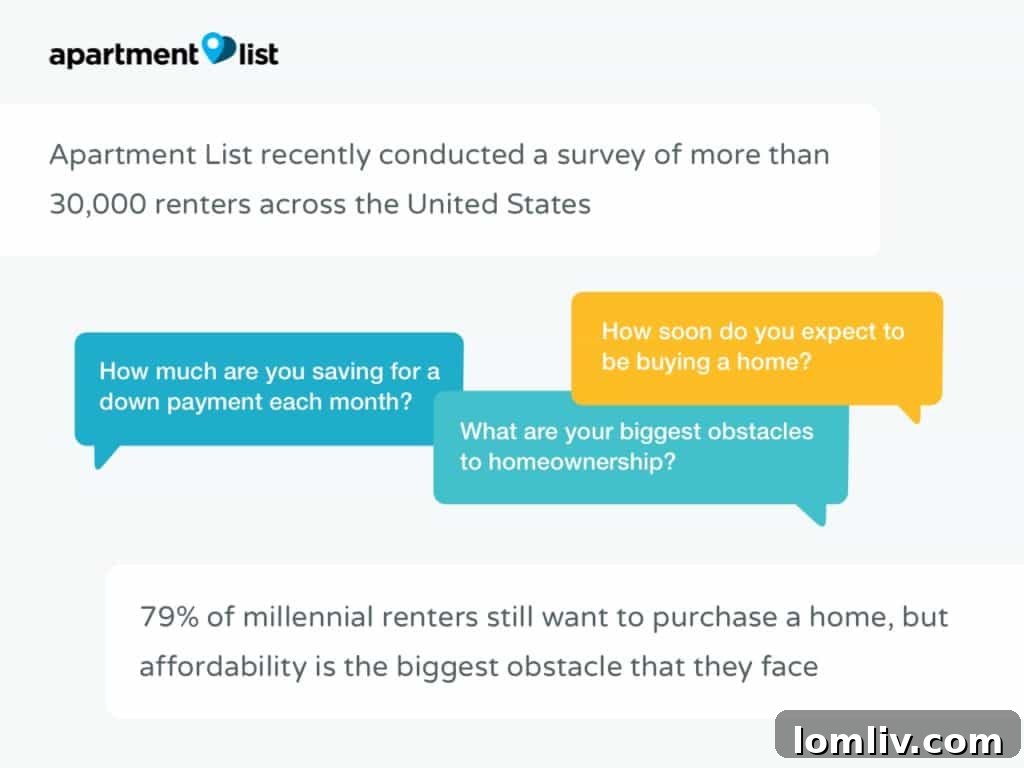
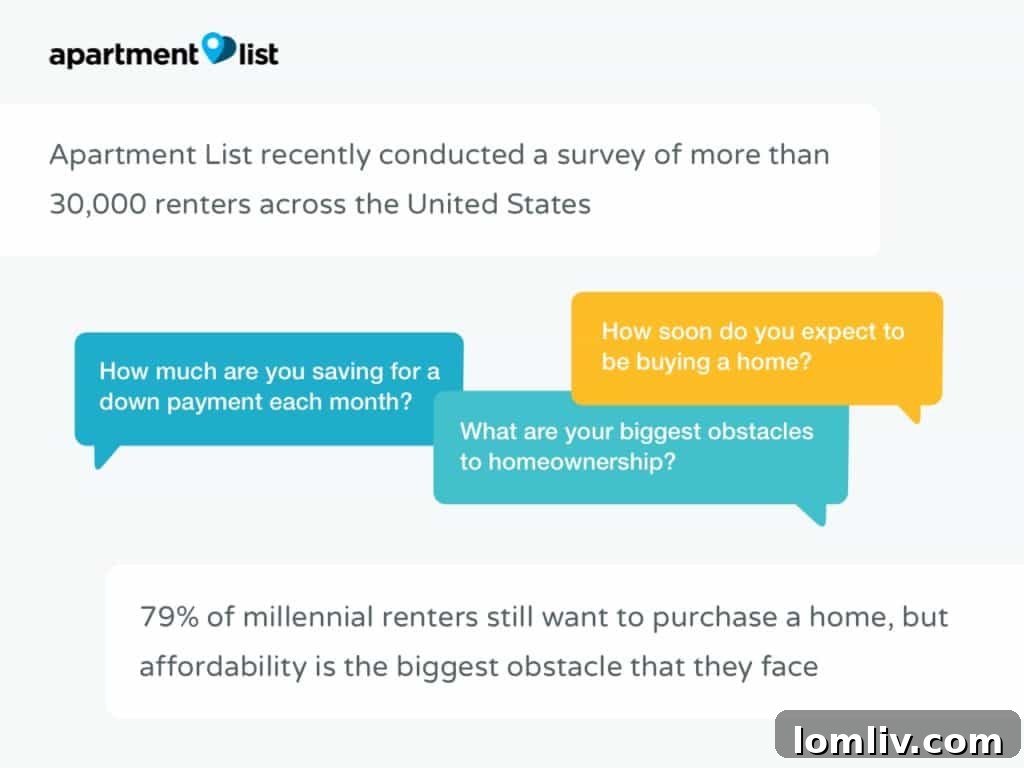
The Dallas real estate market presents a paradox: it’s a thriving environment for homeowners enjoying significant appreciation and soaring property values, yet it poses an increasingly formidable challenge for aspiring buyers. As prices continue their upward climb, the dream of homeownership, particularly for the millennial generation, often feels increasingly out of reach. Recent compelling data released by Apartment List paints a clear picture: a striking 79 percent of millennials currently renting express a strong desire to own a home, but they consistently cite high prices as the single biggest barrier to achieving this goal.
This critical insight, drawn from a comprehensive survey of 30,000 millennial renters, illuminates a widening chasm between aspiration and present-day reality. A significant majority of those who yearn for homeownership are being forced to postpone their purchase plans, often pushing them beyond initial targets like 2018, and likely even further into the future. This raises a pressing and critical question for the economy and society at large: if housing prices continue their relentless upward trajectory, will the affordability gap widen to an insurmountable degree, fundamentally reshaping the very fabric of our communities and the trajectory of an entire generation?
The Affordability Conundrum: Is Texas Still a Haven for Homebuyers?
For many individuals relocating to Texas from more expensive coastal regions, the state’s housing market is frequently perceived as a beacon of affordability. However, this perception often fails to capture the intricate local realities faced by long-term residents and those just entering the workforce within the state. While regions like Dallas are undoubtedly experiencing robust job growth and economic expansion, a crucial underlying question emerges: is this economic growth accompanied by the kind of sustainable wage increases necessary to enable significant segments of the population to consistently save for a substantial down payment, which typically requires a 20% commitment of the home’s value?
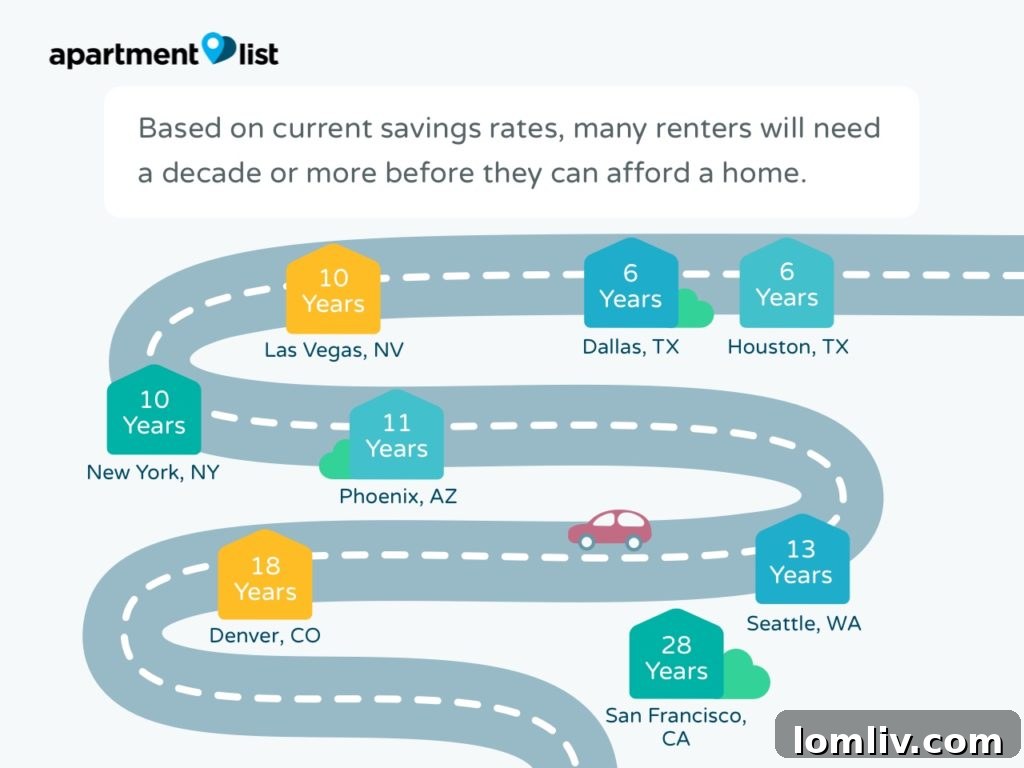
The stark reality, as vividly illuminated by the Apartment List report, is concerning. More than 40 percent of millennials are not actively setting aside any money each month specifically dedicated to a down payment fund. For the segment of respondents who are making an effort to save, the pace of their savings often falls significantly short of what is required to achieve their homeownership goals within any reasonable timeframe. To put this into perspective, consider the Dallas market: at current reported savings rates, a millennial could anticipate needing approximately six years to accumulate enough for a down payment on a median-priced home. While this might seem like a considerable period, it pales in comparison to the monumental task faced by their counterparts in highly competitive markets like San Francisco, where a millennial would need an astonishing 28 years to squirrel away a sufficient down payment. These figures not only highlight the drastic geographical disparities in housing affordability but also underscore the daunting financial hurdles confronting an entire generation across different regions.
The Financial Landscape: Why Saving for a Down Payment is a Herculean Task
The challenges to millennial homeownership extend far beyond merely high home prices. Several interconnected and systemic factors contribute to the pervasive difficulty millennials experience in accumulating sufficient savings for a down payment. One profoundly significant aspect is the crushing burden of student loan debt. A substantial number of millennials graduated into a challenging job market saddled with immense educational debt, which frequently consumes a considerable portion of their disposable income. This leaves precious little room for saving towards significant life milestones like buying a home. Moreover, this accumulated debt critically impacts their ability to qualify for mortgages, as lenders meticulously consider debt-to-income ratios when assessing loan eligibility.
Adding to this complexity is the pervasive issue of stagnant wage growth when viewed in relation to the escalating cost of living, particularly pronounced in vibrant urban centers. While salaries in some sectors have seen modest increases, they have largely failed to keep pace with the dramatic and consistent rise in housing costs, healthcare premiums, and everyday essential expenses. This economic squeeze ensures that even millennials with steady employment often find their budgets stretched precariously thin, rendering consistent, substantial savings for a down payment an incredibly difficult and often frustrating endeavor.
The evolving cultural shift towards urban living also plays a crucial role in this dynamic. Many millennials are naturally drawn to the vibrant city centers, which, while offering abundant employment opportunities, diverse cultural experiences, and rich recreational activities, are simultaneously characterized by sky-high rental costs. These elevated rental payments further deplete potential savings, inadvertently creating a vicious cycle where the pursuit of saving for a home becomes an arduous uphill battle against persistent and escalating ongoing living expenses. The allure of urban amenities comes at a financial cost that directly impacts their ability to transition from renting to owning.
Resigning to Renting? The Societal Implications of Delayed Homeownership
Given these formidable barriers, an important question arises: are we witnessing the emergence of a “renter generation” – a significant cohort largely resigning itself to a lifetime of renting rather than pursuing homeownership? This query carries profound implications for individual financial security, the stability and growth of communities, and the broader national economy. Historically, homeownership has served as a foundational cornerstone of wealth creation, a crucial driver of consumer spending, and a significant catalyst for local economic activity. A widespread delay or, even more concerning, an abandonment of this milestone by an entire generation could trigger far-reaching and complex consequences, reshaping economic and social structures for decades to come.
The Apartment List report delves deeply into these potential societal shifts, offering a particularly sobering outlook and highlighting critical trends:
The past decade has seen large numbers of millennials move to San Francisco, Denver, Seattle, and other cities along or near the coast, driving up rents and home prices. These cities have strong employment opportunities and access to great recreational activities, but the high cost of living may make it difficult for renters to save enough for a down payment on a home. Most worryingly, many do not seem to realize their financial predicament – three in four renters plan to purchase a home within the next five years, but their savings trajectories suggest that they may need a decade or more to afford it. Fortunately, the picture looks better in other parts of the country, which means that homeownership may still be within reach for those living in these parts or who are willing to relocate out of the pricey cities.
In the coming years an unprecedented scene will unfold: many millennial renters in expensive areas want to settle down there, but what will they do when they realize they can’t afford it? Some may choose to delay settling down and having children, while others will migrate to family-friendly cities on the interior of the country. Given the size of the millennial population, either scenario will have a profound impact on homeownership and renting in our society.
This powerful excerpt from the report underscores a critical and often overlooked disconnect: the optimistic timelines many millennials hold for achieving homeownership are frequently unrealistic when juxtaposed with their current financial trajectories and savings patterns. The report meticulously highlights two significant potential outcomes, each with profound implications: either a widespread delay in major life milestones such as settling down, getting married, and starting families, or a substantial internal migration away from expensive coastal hubs towards more affordable inland cities and suburban areas. Both of these scenarios would undoubtedly profoundly reshape demographic patterns, influence local and regional economies, and fundamentally alter the future dynamics of housing markets across the entire nation. The ripple effects of these choices will be felt for generations.
Exploring Solutions and Strategies for Aspiring Millennial Homebuyers
Despite the undeniably challenging landscape, the dream of homeownership is not entirely out of reach for millennials. Understanding the nature and scope of the obstacles is the crucial first step; actively exploring and implementing proactive strategies is the necessary next. For those individuals and families determined to enter the housing market, several pragmatic and effective avenues can be carefully considered and pursued.
Rethinking the “Dream Home” and Location
One primary and often essential strategy involves a thoughtful adjustment of expectations regarding what constitutes a “dream home” and its ideal location. While accumulating a 20% down payment on a median-priced home in a highly coveted urban location might indeed appear daunting or even impossible, exploring alternative options can significantly shorten the savings timeline and make the goal more attainable. This could entail considering homes in slightly less central or established neighborhoods, evaluating smaller properties or condominiums as a starter home, or even strategically expanding the search radius to include suburban or exurban areas where property prices are generally more accessible. The “willingness to relocate,” as highlighted by the Apartment List report, emerges as a particularly crucial factor; making a move to areas with a lower cost of living, even within the same broader metropolitan area, can dramatically impact affordability and accelerate savings potential.
Aggressive Savings and Diligent Financial Planning
For individuals struggling to build up their savings, a disciplined and consistent approach to financial planning is absolutely essential. This comprehensive approach should include the creation of a detailed, realistic budget, meticulous identification of areas for expense reduction and optimization, and the automation of savings contributions to ensure consistency. Exploring supplementary income streams, such as side hustles, freelancing opportunities, or part-time work, can also significantly accelerate the accumulation of a down payment fund. Furthermore, seeking expert advice from qualified financial advisors who specialize in first-time homebuyer strategies can provide invaluable personalized guidance, clarify complex financial concepts, and help establish realistic timelines based on individual circumstances.
Leveraging First-Time Buyer Programs and Low Down Payment Options
The traditional requirement of a 20% down payment, while ideal for avoiding private mortgage insurance (PMI), is by no means always a strict prerequisite for achieving homeownership. Many government-backed programs, such as FHA loans, specifically cater to first-time buyers and offer options with down payments as low as 3.5%. Similarly, conventional loans also feature programs that allow for down payments ranging from just 3% to 5%. While these options often come with the added cost of PMI, they significantly lower the initial financial hurdle, making homeownership accessible to a wider demographic. It is also highly beneficial to research local and state first-time homebuyer assistance programs, which might offer valuable grants, tax credits, or exceptionally favorable loan terms, further easing the path to property ownership.
The Crucial Role of Financial Literacy and Realistic Expectations
The Apartment List report’s poignant observation that “many do not seem to realize their financial predicament” emphatically underscores the profound importance of robust financial literacy. A comprehensive understanding of the true and total costs associated with homeownership – extending far beyond just the initial down payment to include closing costs, ongoing property taxes, homeowner’s insurance premiums, and inevitable maintenance expenses – is absolutely crucial for informed decision-making. Developing a realistic timeline for homeownership based on one’s actual and consistent savings capacity, rather than relying on overly optimistic or speculative estimates, is key to avoiding frustration, managing expectations effectively, and embarking on a financially sound path towards property ownership.
The Future of Homeownership: A Shifting Landscape for the Next Generation
The trends and insights meticulously highlighted by the Apartment List report strongly suggest that the traditional, straightforward path to homeownership is undergoing a profound evolution for the millennial generation. This cohort is navigating a truly unique and often challenging economic environment, characterized by unprecedented levels of student debt, a persistently high cost of living, and an intensely competitive housing market. The choices this generation ultimately makes – whether they opt to delay significant life milestones or strategically migrate to more affordable regions – will undoubtedly leave a lasting and indelible imprint on urban development, demographic distribution patterns, and socio-economic structures across the nation.
In response to these evolving dynamics, policymakers, real estate developers, and financial institutions will need to thoughtfully adapt their strategies and offerings. Effectively addressing the complex issue of housing affordability requires a multi-faceted and collaborative approach, which should ideally include increasing the supply of diverse housing options, exploring innovative and flexible financing models, and actively fostering sustainable wage growth that genuinely keeps pace with both inflation and the escalating costs of housing. The journey towards homeownership for millennials is undeniably complex and fraught with challenges, but with informed decision-making, meticulous strategic planning, and targeted policy support, the cherished dream of owning a home can still be realized for a substantial number of this pivotal generation.
The Dallas housing market, while undeniably vibrant and dynamic, mirrors a broader national trend where millennial homeownership encounters significant headwinds. The profound insights gleaned from the Apartment List report underscore both the deep-seated desire for homeownership among this generation and the formidable financial barriers they consistently encounter. Understanding these intricate challenges and proactively seeking viable solutions will be absolutely vital, not only for individual millennials pursuing their personal aspirations but also for ensuring the long-term health and stability of our communities and the broader national economy alike. What are your informed thoughts on this critical report and the evolving future of homeownership in America?