Unmasking the Invisible Threat: The Critical Need for Meth Lab Cleanup in Your Home
In the realm of environmental remediation, few situations are as heartbreaking and inherently dangerous as cleaning up a former methamphetamine lab. For Kirk Flippin, owner of Texas Decon Environmental Services, these aren’t just job sites; they’re scenes of profound personal tragedy. Based in New Braunfels, Texas, Flippin’s company specializes in the arduous and essential task of meth lab cleanup, a service that often brings him face-to-face with the devastating consequences for unsuspecting families.
Flippin recalls a particularly poignant incident in Grapevine, Texas, that vividly illustrates the silent menace of meth contamination. He stood before a home, methodically discarding a little girl’s cherished toys, clothes, and dolls, as the child watched, her young heart heavy with incomprehension and grief. This family had unknowingly purchased a house previously used as a clandestine meth lab, and the child’s possessions, like everything else within the home, were permeated with toxic residue. “I have thrown away all of a family’s personal belongings because they were contaminated,” Flippin recounted, highlighting the immense emotional and financial toll.
The Insidious Nature of Meth Lab Residue: A Lingering Hazard
When methamphetamine is manufactured, it involves a dangerous cocktail of volatile chemicals, including solvents, acids, and heavy metals. The “cooking” process releases these toxic byproducts into the air, where they settle on every surface imaginable – walls, ceilings, floors, furniture, HVAC systems, and even personal belongings. This invisible film, known as meth residue, does not simply fade away with time or standard cleaning; it embeds itself into porous materials and remains a potent health threat for years, even decades, if not properly addressed.
The dangers posed by meth residue are severe and far-reaching. Exposure can lead to a host of health problems, particularly for vulnerable populations such such as young children, the elderly, and pets. Symptoms often mimic common illnesses, making diagnosis difficult without specific awareness of the underlying cause. These can include respiratory issues, skin rashes, eye irritation, headaches, nausea, dizziness, and even more serious neurological and developmental problems. Children are especially susceptible because their smaller bodies and developing systems are less equipped to process toxins, and their proximity to contaminated surfaces (crawling, playing on floors) increases their exposure risk.
Understanding the Chemical Footprint
The specific chemicals involved in meth production vary, but common culprits include pseudoephedrine/ephedrine, red phosphorus, iodine, anhydrous ammonia, lithium, sulfuric acid, and various solvents like acetone and toluene. Many of these are corrosive, flammable, and highly toxic. When these chemicals volatilize and settle, they create a persistent hazardous environment. Standard cleaning methods – scrubbing with bleach or household detergents – are ineffective because they don’t neutralize or remove the embedded toxins; they can even spread them or react to create new hazardous compounds. This is why professional, specialized remediation is not merely recommended, but absolutely critical.
The Nightmare of Unwitting Ownership: When Your Home Becomes a Health Hazard
One of the most tragic aspects of meth lab contamination is how often properties change hands without the new owners ever knowing the toxic history. A former tenant or owner might have operated a clandestine lab, leaving behind a poisoned legacy. Real estate transactions often occur without proper disclosure, either due to ignorance on the part of the seller or, in some cases, intentional concealment. Families purchase these homes, drawn by affordable prices or desirable locations, only to move in and begin experiencing unexplained illnesses.
The discovery that one’s home is a former meth lab is devastating. It means not only the emotional shock of realizing their sanctuary is a hazard but also significant financial burdens. Families often face the cost of temporary relocation, extensive decontamination procedures, and the potential loss of most, if not all, of their personal belongings. This ordeal can drag on for months, creating immense stress, disrupting lives, and causing long-term financial strain. The experience Kirk Flippin described, of discarding a child’s possessions, is a stark reminder of this profound disruption and loss.
The Art and Science of Decontamination: Why Expertise Matters
Cleaning a meth-contaminated property is far from a simple task; it’s a complex, multi-stage environmental remediation process that demands specialized training, equipment, and expertise. Companies like Texas Decon Environmental Services, led by professionals like Kirk Flippin, are equipped to handle these hazardous environments safely and effectively.
The Remediation Process: A Step-by-Step Approach
- Initial Assessment and Testing: The first step involves thorough testing of the property to determine the presence and concentration of meth residue. Surface wipe samples are taken from various areas, and air quality tests may also be conducted. This provides a baseline understanding of the contamination levels and helps develop a targeted remediation plan.
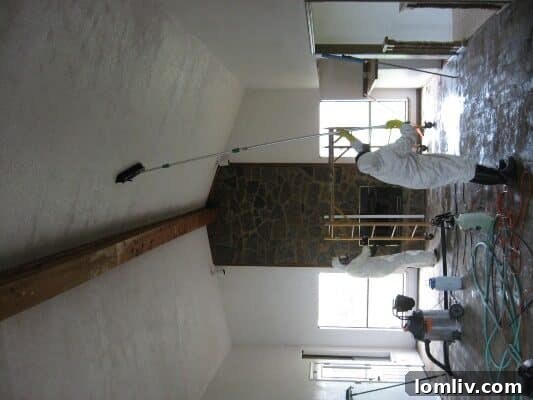
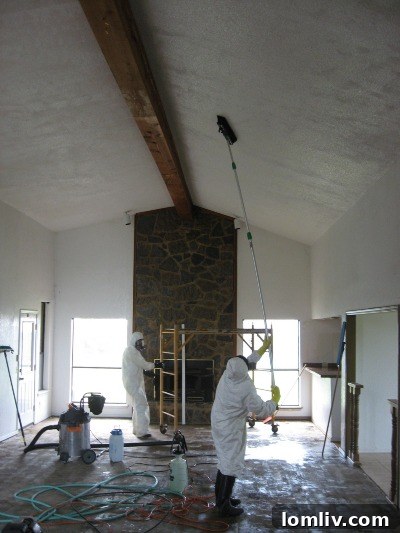
- Containment and Preparation: Before any work begins, the affected areas must be sealed off to prevent cross-contamination to clean zones. Technicians don personal protective equipment (PPE), including respirators, hazmat suits, and gloves, to ensure their safety. HVAC systems are typically sealed or professionally cleaned as they can be major vectors for contaminant spread.
- Decontamination: This is the core of the cleanup process. It involves specialized cleaning agents and techniques designed to chemically break down and remove the meth residue. Porous materials like drywall, insulation, carpeting, and some fixtures may need to be removed and safely disposed of. Non-porous surfaces are meticulously cleaned using specific detergents and scrubbing methods, often followed by multiple rinses. Air scrubbers and negative air machines are used to continuously filter airborne contaminants.
- HVAC System Cleaning: The heating, ventilation, and air conditioning system is often heavily contaminated and requires deep cleaning or replacement of components like ducts and filters to prevent re-contamination.
- Re-testing and Clearance: Once the cleaning is complete, the property undergoes a rigorous re-testing process. Independent third-party testing agencies are often brought in to ensure that all contaminant levels meet or fall below acceptable state and federal guidelines. Only after these clearance tests are successful is the property deemed safe for re-occupancy.
- Waste Disposal: All contaminated materials removed from the property, including PPE, structural debris, and cleaning solutions, must be handled as hazardous waste and disposed of according to strict environmental regulations.
This intricate process underscores why DIY cleanup is not only ineffective but incredibly dangerous. Without the proper training, equipment, and understanding of chemical interactions, attempting to clean a meth-contaminated home can lead to further exposure and an incomplete, hazardous remediation.
Navigating the Legal and Regulatory Landscape
The issue of meth-contaminated properties is a growing concern, prompting many states, including Texas, to enact specific laws and regulations. These often cover disclosure requirements for sellers, cleanup standards, and the responsibilities of property owners. In some jurisdictions, properties found to be contaminated must be formally declared unfit for habitation until professional remediation and clearance testing are completed. Real estate agents and sellers have a legal and ethical obligation to disclose any known history of meth production on a property, though uncovering clandestine labs can be challenging.
For buyers, understanding these regulations is crucial. While laws vary, the general trend is towards greater transparency and stricter cleanup standards. Buyers who unknowingly purchase a contaminated property may have legal recourse against sellers who failed to disclose known issues, but proving such knowledge can be difficult and costly.
Protecting Your Investment and Your Health: Due Diligence is Key
Given the profound risks, prospective homeowners must exercise extreme due diligence, especially when purchasing older homes, foreclosures, or properties that have been rented out extensively. Here are critical steps buyers can take:
- Professional Home Inspection: While standard home inspections may not specifically test for meth residue, a vigilant inspector might identify suspicious alterations or red flags.
- Specific Meth Lab Testing: Consider commissioning specialized testing for meth contamination, particularly if there are any suspicious circumstances or if the property’s history is vague. This is a small investment that can prevent a colossal financial and health nightmare.
- Observe for Red Flags: Pay attention to unusual odors (chemical, sweet, or ammonia-like), excessive security measures (barred windows, surveillance cameras), stained walls or ceilings, unusual ventilation systems, and discarded chemical containers or peculiar plumbing alterations.
- Inquire About Property History: Ask direct questions about past occupants, previous police activity, or any known environmental concerns. While sellers may not be legally obligated to disclose unknown issues, asking creates a record.
- Check Public Records: Research local law enforcement records for any reported drug activities at the address.
These preventative measures, though seemingly extensive, are a small price to pay for peace of mind and the assurance of a safe, healthy living environment. The cost of remediation far outweighs the cost of proactive testing and thorough due diligence.
Beyond the Physical: The Emotional and Community Impact
The impact of a meth-contaminated home extends beyond the physical structure and the health of its occupants. There’s a significant emotional and psychological toll on families who must grapple with the knowledge that their home, their supposed sanctuary, was a site of illicit drug production and is now a toxic environment. The stigma associated with a “meth house” can affect property values even after thorough cleanup, making resale challenging. Furthermore, the presence of clandestine labs poses broader community risks, including fire hazards, chemical explosions, and the general blight associated with criminal activity. Addressing these properties contributes to safer, healthier communities overall.
The Indispensable Role of Professional Remediation
As Kirk Flippin and his team at Texas Decon Environmental Services exemplify, the work of professional meth lab cleanup is indispensable. It’s a specialized field that combines scientific understanding with rigorous application of safety protocols and remediation techniques. Relying on certified professionals ensures not only the effective removal of harmful residues but also compliance with all regulatory requirements, providing homeowners with a documented clearance that their property is safe.
In conclusion, the threat of meth lab contamination in residential properties is a serious, often unseen danger that demands public awareness and stringent professional action. For current or prospective homeowners, vigilance, informed decision-making, and the willingness to invest in specialized testing and remediation are paramount. By understanding the risks and engaging expert services like those provided by Texas Decon, families can safeguard their health, protect their investments, and ensure their homes remain the safe havens they are meant to be.