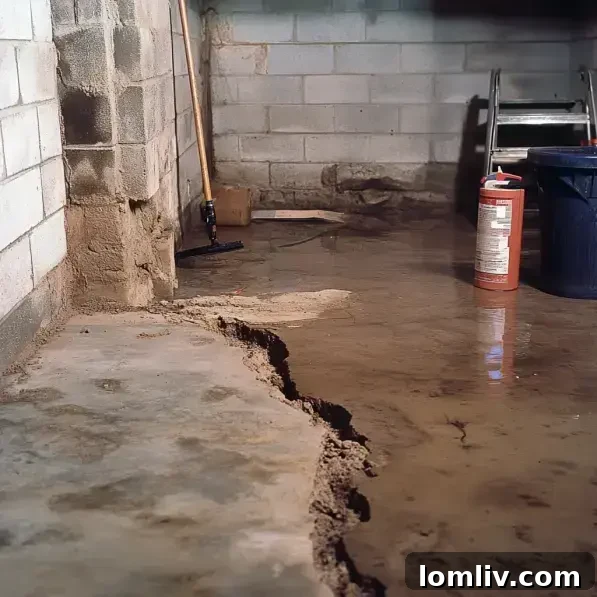
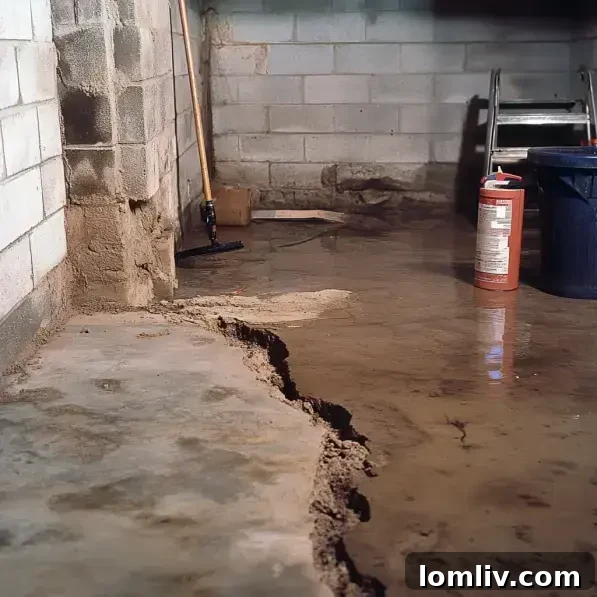
For many homeowners, a basement represents more than just extra space; it’s a valuable extension of their living area, offering potential for additional bedrooms, recreation rooms, home offices, or simply essential storage. However, this valuable asset can quickly transform into a significant liability if it becomes susceptible to dampness, leaks, or outright flooding. Understanding the fundamental science behind basement waterproofing and the various ways water can infiltrate your home is absolutely critical for maintaining a healthy, safe, and dry indoor environment. This comprehensive guide will delve into the scientific principles of water infiltration, explore the detrimental impacts of a wet basement, and outline the most effective waterproofing methods available to protect your property and preserve its long-term value.
The Science Behind a Wet Basement: Understanding Water Infiltration
Water infiltration into basements is a complex phenomenon primarily driven by a combination of natural forces: hydrostatic pressure, saturated soil conditions, and capillary action. When rainfall occurs, water naturally percolates through the soil surrounding your property. As the ground becomes increasingly saturated from continuous precipitation, the soil loses its capacity to absorb more water. This leads to the accumulation of water around your foundation, creating a condition known as hydrostatic pressure.
Hydrostatic pressure is essentially the force exerted by standing water against your basement walls and floor. Water, always seeking the path of least resistance, will exert immense pressure on your foundation, attempting to flow or press itself through any available opening. This means even the tiniest cracks, porous sections of concrete, or gaps in your foundation walls and floor slabs become potential entry points. The persistent force of hydrostatic pressure can push water directly into your basement, leading to leaks, persistent dampness, and eventually, flooding.
Compounding this issue is capillary action. Concrete, masonry, and other foundation materials are inherently porous, containing a network of microscopic capillaries or pores. Through capillary action, water can defy gravity and rise through these porous materials, much like water rising in a thin tube. This process allows moisture to wick upwards into basement walls and floors, even in the absence of obvious leaks, contributing to a pervasive dampness that can be difficult to eliminate.
Beyond these primary forces, several other factors contribute to basement moisture: poor exterior grading, where the ground slopes towards your house instead of away; clogged or improperly directed gutters and downspouts that dump water too close to the foundation; and even internal plumbing leaks can introduce water. This combination of forces explains why many homes, particularly those in regions with expansive soils and seasonal rainfall, are at constant risk of basement water issues.
Why Basement Waterproofing is Indispensable for Homeowners
The consequences of water seepage in a basement extend far beyond mere inconvenience; they pose significant threats to the structural integrity of your home, the health of its occupants, and its overall financial value. Investing in effective basement waterproofing is not just a home improvement project; it’s a critical preventative measure that safeguards your most valuable asset.
Protecting Your Home’s Structural Integrity
Persistent moisture can inflict severe structural damage over time. Water seeping into foundation cracks can cause them to expand, weakening the very core of your home. It can lead to the deterioration of concrete and masonry, contribute to bowing or buckling basement walls, and promote wood rot in structural elements like floor joists and wall studs. This kind of damage is not only costly to repair but can also compromise the safety and stability of your entire house.
Safeguarding Indoor Air Quality and Health
One of the most immediate and dangerous consequences of a damp basement is the proliferation of mold and mildew. These fungi thrive in dark, moist environments and can rapidly colonize walls, flooring, stored items, and even HVAC systems. Mold spores, once airborne, can trigger a range of serious health issues, including respiratory problems, allergies, asthma attacks, skin irritations, and other sensitivities, particularly in vulnerable individuals like children, the elderly, and those with compromised immune systems. Beyond health concerns, mold and mildew produce a musty, unpleasant odor that can permeate your entire home, making it an undesirable living space.
Preserving Property Value and Enhancing Resale Appeal
A properly waterproofed basement is a significant selling point for any property. Prospective buyers or tenants are increasingly aware of the hidden dangers of water damage and often conduct thorough inspections. A history of water issues or visible signs of dampness can deter potential buyers, lead to lower offers, or even cause a sale to fall through. Conversely, a dry, well-maintained basement assures buyers of a healthy home and can significantly increase your property’s market value and appeal. It demonstrates responsible homeownership and eliminates a major concern for future occupants.
Protecting Your Valuables and Peace of Mind
Beyond the structure, a wet basement can ruin personal belongings, cherished memories stored in boxes, expensive electronics, and furniture. Preventing water intrusion protects these items from irreparable damage. Furthermore, knowing your basement is secure and dry provides invaluable peace of mind, freeing you from constant worry about the next heavy rainfall or unexpected leak.
Selecting the Right Basement Waterproofing Methods
Effective basement waterproofing often requires a multi-faceted approach, tailored to the specific issues and characteristics of your home. Solutions can broadly be categorized as interior, exterior, or a combination of both. A professional assessment is crucial to determine the most appropriate and effective strategy.
Interior Waterproofing Methods
Interior waterproofing strategies typically address water after it has entered the foundation walls but before it can cause significant damage inside the living space. They are often less invasive and more cost-effective than exterior methods.
- Sealants and Coatings: These products, ranging from waterproof paints to epoxy sealants, are applied directly to the interior walls and floors of the basement. They create a barrier that prevents surface moisture from seeping into the living area. While effective for minor dampness and condensation issues, they are generally not a long-term solution for significant hydrostatic pressure problems, as they don’t address the root cause of water entry from the outside. However, epoxy injections can be highly effective for sealing individual cracks in concrete foundations.
- Interior Drainage Systems (French Drains and Sump Pumps): This is one of the most common and effective interior solutions for managing significant water intrusion. An interior drainage system, often referred to as an interior French drain or weeping tile system, involves installing a perforated pipe system around the perimeter of the basement floor, typically beneath the slab or alongside the footing. This system collects water that seeps through the foundation walls or up from the floor, channeling it into a sump pit. A sump pump then automatically activates to pump the collected water out of the basement and away from the foundation, effectively keeping the basement dry even during heavy rains or high water tables. Battery backup systems for sump pumps are highly recommended to ensure protection during power outages.
Exterior Waterproofing Methods
Exterior waterproofing methods are designed to prevent water from reaching your foundation in the first place. While often more invasive and expensive, they are generally considered the most comprehensive and permanent solutions for severe water infiltration issues.
- Excavation and Waterproof Membranes: This highly effective process involves excavating the soil around the entire perimeter of your basement walls down to the footing. Once exposed, the foundation walls are cleaned, cracks are repaired, and then a heavy-duty waterproofing membrane is applied to the exterior. These membranes can be liquid-applied asphalt-modified polymers or sheet membranes that create a continuous, impenetrable barrier against water. A protection board is then installed over the membrane before backfilling to prevent damage. This method effectively blocks water from penetrating the foundation from the outside.
- Exterior French Drains and Other Drainage Systems: Similar to interior French drains, exterior systems are installed around the foundation’s perimeter, but on the outside. A trench is dug, lined with filter fabric, and filled with gravel and a perforated pipe. This system collects groundwater and diverts it away from the foundation before it can exert hydrostatic pressure or seep into the basement. This reduces pressure on the walls and minimizes the chance of leaks.
- Grading and Landscape Modifications: This preventative measure is crucial for exterior waterproofing. Ensuring that the ground around your home slopes away from the foundation (a minimum of 6 inches over 10 feet) can significantly reduce the amount of water accumulating near your basement. Similarly, extending downspouts at least 5-10 feet away from the foundation and ensuring gutters are clean and free-flowing prevents concentrated water runoff from saturating the soil directly adjacent to your walls.
Hybrid Approaches: The Best of Both Worlds
Quite often, the most robust and reliable defense against water infiltration is achieved through a combination of interior and exterior waterproofing methods. This layered, two-tier approach ensures that every potential entry point is addressed, providing comprehensive protection and the highest level of assurance that your basement will remain dry and secure for years to come.
Navigating Unique Waterproofing Challenges in Dallas and Similar Regions
Basement waterproofing in areas like Dallas presents specific challenges that homeowners and contractors must consider. One of the most significant factors is the prevalence of expansive soils, particularly high-clay content soils.
Expansive clay soils have a unique characteristic: they swell significantly when wet and shrink dramatically when dry. This constant cycle of expansion and contraction exerts immense pressure on home foundations, causing them to shift, heave, and settle unevenly. Over time, this movement can create new cracks or exacerbate existing ones in your foundation walls and slabs, providing direct pathways for water to enter your basement. Moreover, when these soils dry out and shrink, they can pull away from the foundation, leaving gaps where water can easily collect and put pressure on the structure during the next rain event.
Given these challenging soil conditions and the region’s weather patterns—which can include heavy, intermittent rainfall—regular inspections of the foundation and exterior drainage systems are paramount for homeowners in Dallas. Understanding the local soil composition and typical weather conditions is critical for selecting the most appropriate waterproofing methods. For instance, solutions that manage soil moisture aggressively, like robust exterior French drains, are often more effective in mitigating the impact of expansive soils than interior sealants alone. Engaging local waterproofing experts who have specific experience with regional geological and climatic challenges is highly recommended to ensure the most durable and effective solutions are implemented.
Conclusion: Securing Your Home and Investment
Understanding the science behind basement waterproofing is the foundational step in protecting your home from the myriad damages water can inflict. By identifying the root causes of water infiltration and strategically implementing the right waterproofing solutions, homeowners can not only prevent structural damage, improve indoor air quality, and protect their valuable belongings but also significantly preserve and enhance the financial value of their property.
Whether you’re contending with minor dampness or preparing for the next significant storm, taking proactive measures today is essential. Don’t wait for a small leak to escalate into a costly catastrophe. Consult with experienced waterproofing professionals to assess your unique situation and implement a tailored plan. Investing in a dry, comfortable, and safe basement ensures peace of mind and safeguards your home for many years to come.