Midland-Odessa’s Luxury Housing Trap: A Deep Dive into the Affordable Rental Crisis
The quest for affordable housing in the bustling Midland-Odessa metropolitan area has become increasingly challenging, a reality underscored by recent market analysis. A revealing study from RentCafe painted a stark picture of the region’s housing development trajectory, indicating a complete pivot towards high-end accommodations. In 2015, a staggering 100 percent of all new apartments completed in Midland-Odessa were classified as luxury units, leaving little to no room for affordable options. This local trend mirrors a broader national pattern, where approximately 75 percent of all new rental properties entering the market last year were also priced at luxury levels. This significant imbalance in housing supply has profound implications, particularly for aspiring homeowners and the overall economic stability of the community.
The Unique Dynamics of the Midland-Odessa Housing Market
Midland-Odessa, situated in the heart of West Texas, has long been a vibrant economic hub, primarily driven by the oil and gas industry. Periods of rapid growth and economic prosperity in this sector often lead to a surge in population and, consequently, an increased demand for housing. However, the supply side, especially concerning affordable options, has struggled to keep pace. Developers, often enticed by higher profit margins and the demand from a workforce with increased earning potential during boom cycles, tend to prioritize the construction of luxury properties.
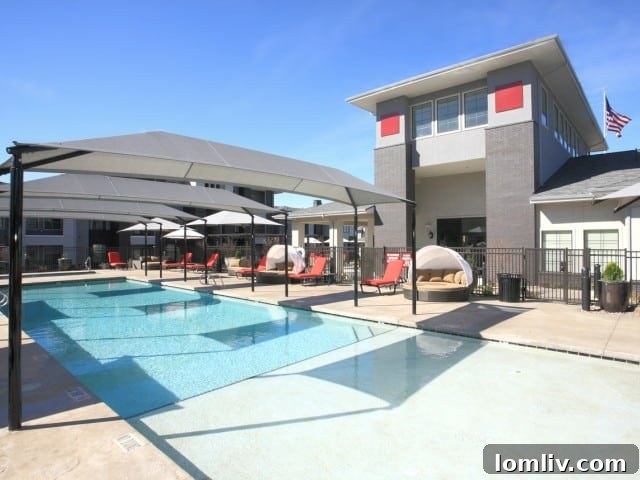
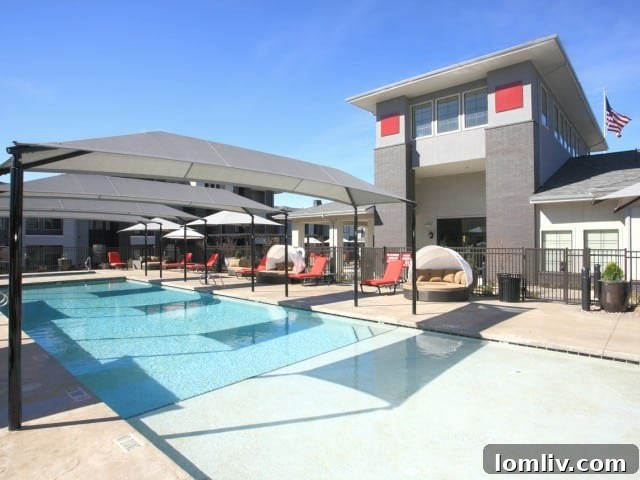
The RentCafe report serves as a critical barometer for this phenomenon. The finding that every single new apartment built in 2015 in Midland-Odessa catered exclusively to the luxury segment highlights a systemic issue. Properties like the amenity-rich Le Mirage Apartments in Midland, where a one-bedroom unit can command upward of $1,100, exemplify this trend. While these upscale developments offer modern comforts and attractive features, they inadvertently exacerbate the scarcity of housing accessible to a broader demographic, including young professionals, service workers, and families with moderate incomes.
This market dynamic creates a challenging environment for residents. As the cost of living rises, fueled by high rental prices, individuals and families find themselves allocating a larger portion of their income to housing expenses. This leaves less disposable income for other necessities, savings, and investments, ultimately impacting their financial well-being and ability to contribute to the local economy in other ways.
The Broader National Trend Towards Luxury Rentals
While Midland-Odessa presents an extreme example, the national housing market reflects a similar inclination towards high-end rental construction. The statistic that three-quarters of all new apartments nationwide in 2015 were classified as luxury units speaks volumes about developer preferences and market forces at play. Several factors contribute to this national trend. The increasing cost of land, labor, and building materials often makes developing affordable housing a less financially appealing venture for private developers compared to luxury projects that can command premium rents.
Furthermore, shifting demographic trends, such as a growing millennial population delaying homeownership and an aging population downsizing, contribute to a robust demand for high-quality rental properties. Developers respond to these demands, often overlooking the critical need for a diverse housing stock that caters to all income levels. This creates a supply-demand imbalance, where an abundance of luxury units coexists with a severe shortage of reasonably priced homes and apartments, thereby segmenting the market and deepening affordability issues for many.
Erosion of Future Homeownership: A Critical Consequence
The long-term implications of a housing market dominated by luxury rentals are particularly concerning for those aspiring to homeownership. The limited availability of affordable rentals in Midland-Odessa, coupled with the lagging construction of new single-family homes, is directly eroding the future buying power of would-be homeowners. This ripple effect can be observed through several key mechanisms.
High Rents and Diminished Savings
When individuals are forced to spend a disproportionate amount of their monthly income on rent, their ability to save for a down payment on a home is severely hampered. High rental costs consume a significant portion of their earnings, leaving little surplus to build the necessary savings for a mortgage. This financial strain is compounded over time, pushing the dream of homeownership further out of reach. Without sufficient savings, even individuals with stable employment and good credit may find themselves locked out of the home-buying market, perpetuating a cycle of renting.
The Lagging Single-Family Market
The problem is further compounded by the sluggish pace of new construction in the single-family home market. A healthy housing ecosystem requires a balance between rental properties and homes for sale across various price points. When new single-family homes, especially those that are affordably priced, are not being built at a rate that meets demand, it creates immense pressure on the existing housing stock. This scarcity drives up home prices, making it even more challenging for first-time buyers to enter the market. The lack of entry-level homes means fewer opportunities for renters to transition to homeownership, leading to prolonged rental periods and further delays in wealth accumulation.
Ultimately, this situation contributes to broader economic and social challenges. Delayed homeownership can impact family formation, reduce intergenerational wealth transfer, and diminish community stability. It fosters an environment where a significant portion of the population struggles to build equity, which is a cornerstone of long-term financial security and prosperity.
Unpacking the Data: Insights from RentCafe and Beyond
Reports like the one from RentCafe are invaluable tools for understanding the complex dynamics of regional housing markets. By meticulously analyzing new construction data, these studies provide critical insights into supply trends, developer intentions, and the resulting impact on affordability. The specific data point regarding 100 percent luxury construction in Midland-Odessa is not merely a statistic; it’s a call to action, highlighting a pressing social and economic issue that requires careful attention from local authorities, urban planners, and community stakeholders.
Such data helps policymakers identify gaps in the housing market and formulate strategies to encourage more balanced development. It underscores the necessity of incentivizing developers to build a wider range of housing types, including affordable and workforce housing, to cater to the diverse needs of a growing population. For those keen to delve deeper into the intricate details behind these alarming figures and their specific context within Midland-Odessa, further analysis is available. You can read the whole story behind the numbers on MidlandDirt.com, which offers additional perspectives and local insights into the apartment construction trends shaping the region.
Addressing the Affordability Gap: Looking Ahead
The challenges facing Midland-Odessa’s housing market are significant, but not insurmountable. Addressing the affordability gap will require a multifaceted approach, involving collaboration between public and private sectors. Strategies could include the implementation of zoning reforms to allow for more diverse housing types, offering incentives for developers to build affordable units, and investing in programs that support first-time homebuyers. Furthermore, promoting mixed-income communities can help integrate affordable housing seamlessly into the urban fabric, fostering greater social equity and economic resilience.
Ultimately, a sustainable housing market is one that serves all its residents, providing options that align with various income levels and life stages. While luxury developments certainly have their place, their overwhelming dominance can create an exclusionary environment that threatens the long-term health and vibrancy of a community. The insights from studies like RentCafe’s compel us to re-evaluate our approach to urban planning and real estate development, ensuring that growth is inclusive and benefits everyone.
In conclusion, the current trajectory of housing development in Midland-Odessa, marked by an almost exclusive focus on luxury apartments, presents a critical challenge to housing affordability and the aspirations of future homeowners. As the single-family market struggles to keep pace, the financial burden on renters grows, potentially hindering their ability to save and invest in homeownership. Understanding these dynamics is the first step toward fostering a more balanced and equitable housing landscape for all residents of Midland-Odessa and beyond.