The Human Cost of Progress: Dallas Homeowners Battle LBJ Express Construction Damage
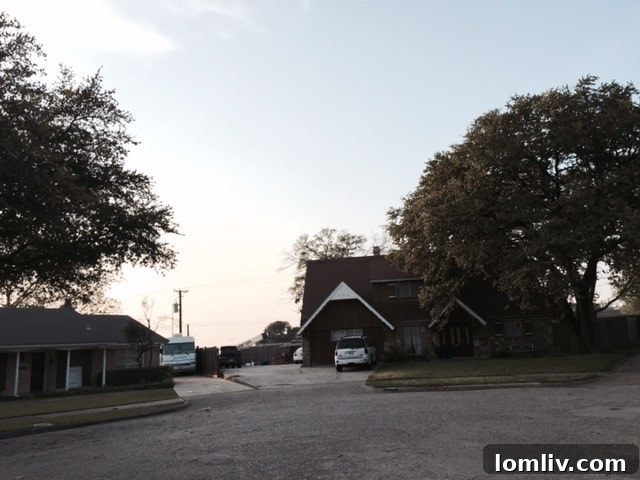
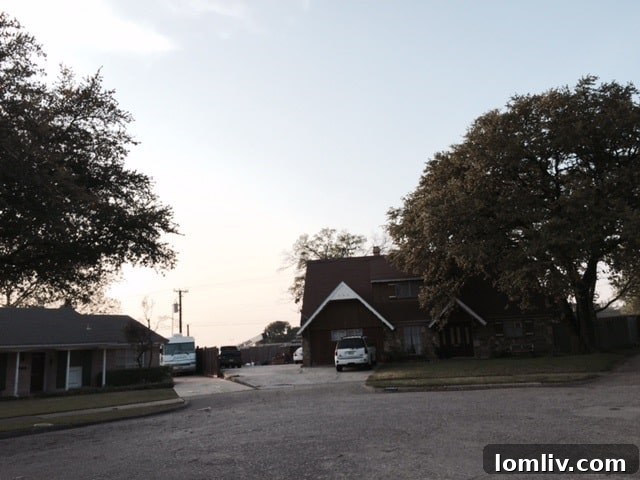
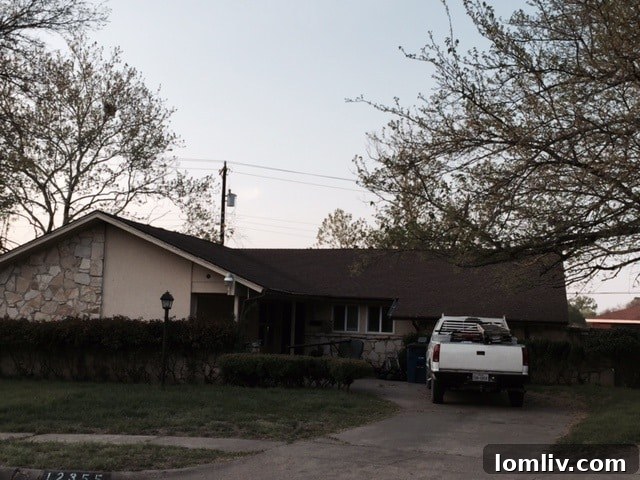
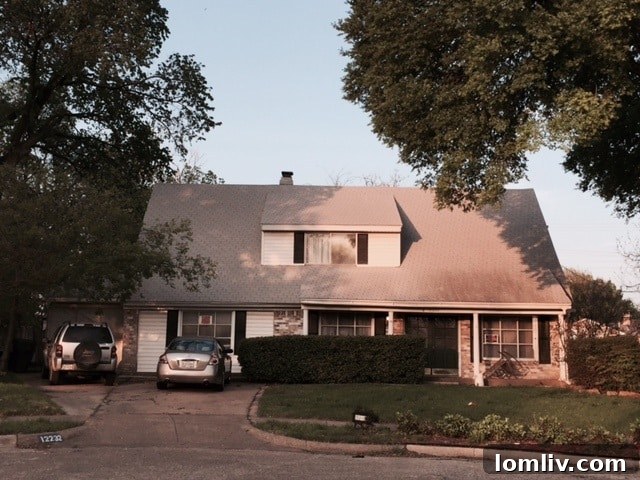
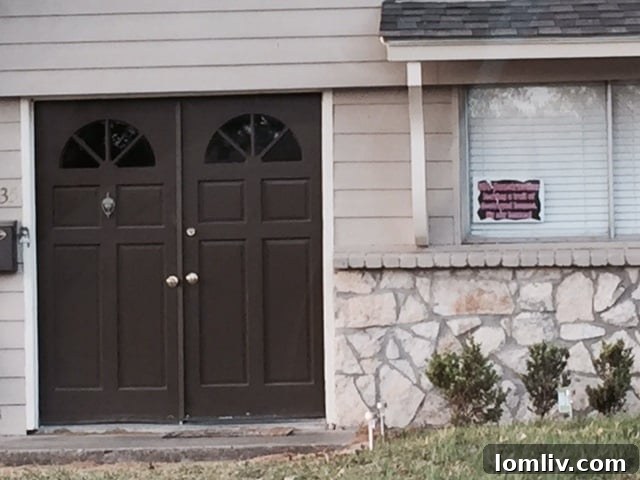
Along a stretch of suburban Dallas, just south of the sprawling Interstate 635, lies a collection of homes dating back to the early 1960s. These residences, typically ranging from 1,500 to 2,500 square feet, were built primarily on slab foundations, utilizing brick, stone, and wood siding. In their time, they represented the quintessential affordable starter homes, a testament to Dallas’s outward growth. Crucially, when these homes were first constructed, the colossal infrastructure known today as the LBJ Freeway, much less its current “Express” iteration, was a mere whisper on the horizon, if it existed at all in its present form. Today, these once-peaceful neighborhoods find themselves at the epicenter of one of Texas’s most ambitious and controversial highway reconstruction projects, a situation that has transformed daily life into an ongoing saga of disruption and distress.
The LBJ Express project has become synonymous with perpetual construction, a “never-ending story of mess” that tests the patience of even the most seasoned commuters. However, the impact extends far beyond traffic delays. Imagine living directly within earshot and eyesight of this colossal endeavor, where the symphony of heavy machinery is your constant soundtrack, and the panorama of cranes and construction equipment defines your backyard view. For residents in these areas, this isn’t a temporary inconvenience; it has been their reality for over six years, ever since the LBJ reconstruction efforts began in 2011. The incessant noise, the pervasive dust, and the glaring, super-bright night lights that pierce the darkness 24/7 paint a grim picture of life adjacent to a major infrastructure overhaul.
A Community Under Siege: Homeowners Fight for Justice
The prolonged and intense construction activities have pushed many residents to their breaking point. A growing number of homeowners in Dallas and Farmers Branch, directly impacted by the LBJ Express project, have taken collective action, filing a lawsuit against Trinity Infrastructure, the contractor responsible for transforming the LBJ Freeway into the modern LBJ Express. Their claim is stark: the extensive roadwork is not just an annoyance, but a destructive force actively ruining their homes and, by extension, their lives.
The lawsuit, filed in Dallas County court, seeks class-action status for approximately 20 residents. These plaintiffs assert that they have “endured loss of use and enjoyment of their properties” due to the construction. They are collectively seeking over $1 million in damages, a figure that underscores the severity of the alleged harm. The legal documents meticulously detail how Trinity Infrastructure’s construction activities—including “pile driving, boring, blasting, heavy traffic loads, deep excavation, and/or dewatering”—have produced “differential soil settlement and strong levels of vibration.” These forces, they claim, have led to significant damage to their structures and improvements, alongside a critical “loss of lateral support from deep excavation through the class area and bordering many of the Plaintiffs and class members’ homes.”
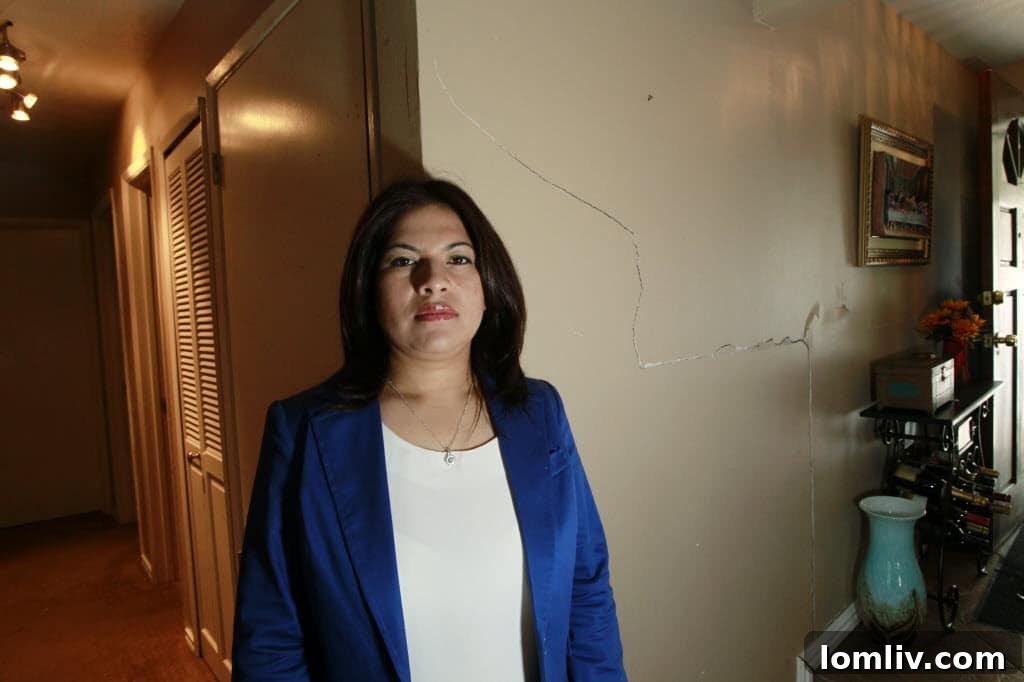
In simpler terms, the constant pounding, digging, and ground disturbance associated with the freeway expansion are reportedly compromising the structural integrity of these homes. Foundations are cracking, walls are exhibiting fissures, and the very stability of the properties is being challenged. Some homeowners even describe a sensation of their homes “lifting and dropping,” a terrifying experience that speaks volumes about the intensity of the vibrations and ground movement. Unsurprisingly, the contractors vehemently deny responsibility for these damages and, as is common in pending litigation, have declined to comment on the specifics of the case.
The Quest for Answers: Documenting the Damage
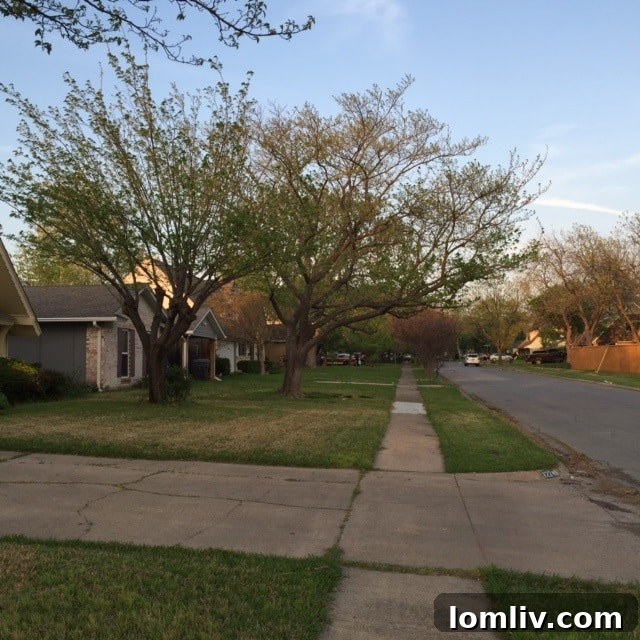
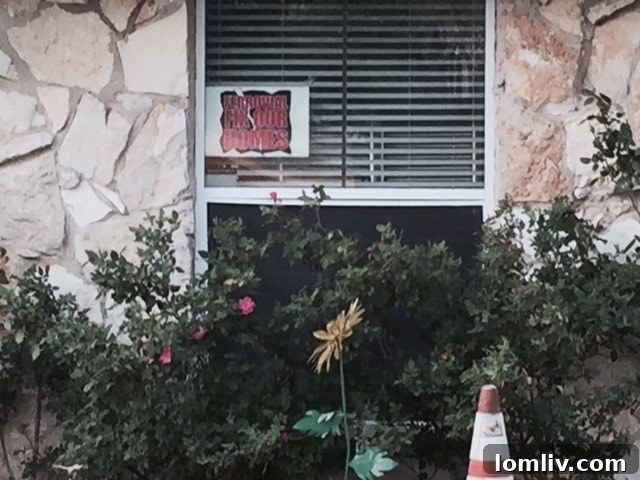
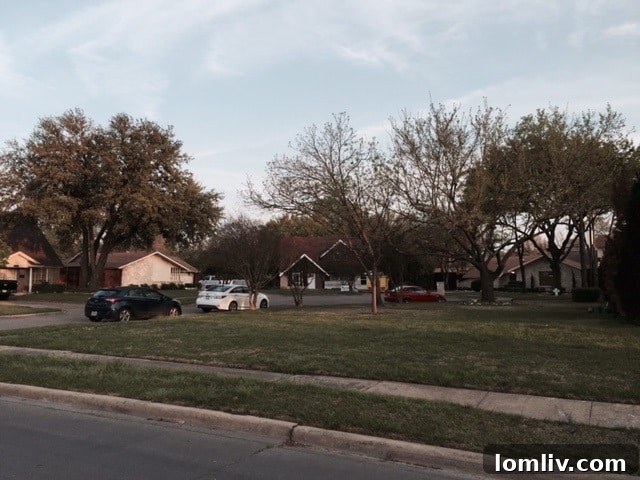
The urgency of this issue resonated deeply, prompting a firsthand visit to the affected areas, particularly High Meadow Drive, where many of these distressed homes are clustered. Driving through this neighborhood, from Webbs Chapel to Marsh, offers a stark perspective. Most of these residences are now around 55 years old, prompting a fundamental question: how long are homes typically expected to last? While the neighborhood generally presents a pleasant facade, despite a few instances of overly speedy drivers disregarding pedestrian safety, the proximity of some homes, especially those nestled in cul-de-sacs, to the intense LBJ construction action is undeniable.
The visual evidence of houses directly overlooking cranes and earthmoving equipment is compelling. This juxtaposition highlights the daily reality for these residents. Interestingly, as one crosses Marsh and heads eastward toward Midway, the character of the homes visibly shifts. Properties in this sector appear more substantial, often featuring more elaborate brickwork and commanding higher prices. It’s an observation that sparks further contemplation: are the impacts of massive infrastructure projects disproportionately borne by certain communities? It appears that residents in these more affluent areas are not currently involved in similar litigation against the LBJ road construction contractor, suggesting a potential disparity in either impact or resources.
Navigating the Complexities: Age, Earthquakes, and Causation
This legal battle promises to be a complex one, raising critical questions about causation and responsibility. Is the extensive LBJ Freeway reconstruction undeniably causing the reported damage to these homes? While the homeowners assert a direct link between the heavy construction work and the structural issues they face, contractors may argue that other factors contribute to the deterioration of these decades-old properties. The natural settling of homes over time, general wear and tear, and even geological factors like the “recent earthquakes” that have occasionally affected North Texas could all be introduced as alternative explanations for foundation cracks and structural shifts.
Proving direct causation in such cases often requires extensive geological surveys, structural engineering analyses, and expert testimony to differentiate between construction-induced damage and pre-existing conditions or other environmental influences. The outcome of this lawsuit could set a significant precedent for future large-scale infrastructure projects in urban areas, emphasizing the need for rigorous environmental impact assessments and robust mitigation strategies to protect adjacent residential communities.
The Road Ahead: Balancing Progress with Community Well-being
The saga of the LBJ Express project and the homeowners’ lawsuit encapsulates a broader challenge faced by modern urban development: how to balance the imperative for infrastructural progress with the well-being and property rights of existing communities. Mega-projects like the LBJ Express are vital for managing traffic congestion, stimulating economic growth, and enhancing regional connectivity. However, their construction exacts a tangible toll on those living in their immediate vicinity.
Beyond the legal proceedings, the human element remains paramount. Residents have endured years of disruption, stress, and the fear of losing their most significant asset – their home. The “loss of use and enjoyment” cited in the lawsuit goes beyond monetary value; it speaks to the erosion of peace, comfort, and security within one’s own sanctuary.
This case serves as a powerful reminder that while the ribbon-cutting ceremony for a completed highway may bring relief to commuters, the journey to that finish line can leave lasting scars on the communities impacted. It urges us to consider what accountability truly looks like in such large-scale endeavors and whether adequate measures are in place to compensate and protect homeowners whose lives are upended by progress.
The lingering question on everyone’s mind, particularly those living in the shadow of this immense construction, remains: will we ever live to see the day when the LBJ Express is a truly completed highway, offering the promised benefits without the ongoing collateral damage to its neighbors? Only time, and the unfolding legal process, will tell if justice will be served for these resilient Dallas homeowners.