The Iconic Lakewood Theater: A Beloved East Dallas Landmark Faces an Uncertain Future
For over eight decades, the Lakewood Theater has stood as a vibrant and cherished East Dallas landmark within the bustling Lakewood Shopping Center. Since its grand opening in 1938, this architectural gem has been more than just a building; it’s been a cultural cornerstone, a gathering place, and a symbol of the community’s unique identity. However, recent developments concerning its future have sparked considerable concern among local preservationists and residents.
News reports, including an insightful piece by Nancy Nichols atD Magazine, indicated that the theater, located at 1825 Abrams Parkway, is slated for new tenants and a significant transformation in the coming year. This announcement immediately raised alarm bells, primarily because the Lakewood Theater currently lacks formal historic designation at either a national or local level. Without such protection, this beloved structure remains vulnerable to alterations that could compromise its historical integrity or, in a worst-case scenario, lead to its demolition.
A Glimpse into Lakewood Theater’s Rich History and Architectural Grandeur
The Lakewood Theater opened its doors to the public in 1938, a period often regarded as the golden age of cinema. Designed by the celebrated architect John Eberson, a master known for his “atmospheric” theater designs, the Lakewood Theater was a marvel of its time. Eberson’s distinctive style aimed to transport audiences, creating an immersive experience that extended beyond the silver screen. While the Lakewood Theater doesn’t feature the same elaborate “atmospheric” elements as some of his other creations, its Art Deco design nonetheless evokes a sense of grandeur and timeless elegance.
Architectural Significance and Eberson’s Vision
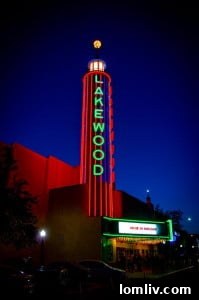
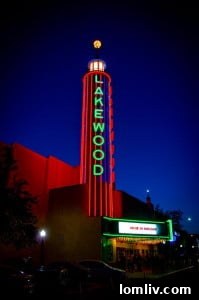
What truly sets the Lakewood Theater apart, and what makes its potential transformation so poignant, is its unique position in Dallas’s architectural landscape. It proudly boasts a towering 100-foot Art Deco marquee, adorned with vibrant red, green, and blue accents, that has long served as a beacon in East Dallas. This iconic tower isn’t merely decorative; it’s a testament to a bygone era of architectural showmanship and a powerful symbol of the theater’s enduring legacy. Eberson’s design ethos, focused on creating visually stunning and memorable venues, is clearly evident in the theater’s elegant lines and distinctive features. In an age of multiplexes, the Lakewood Theater stands as Dallas’s sole remaining single-screen movie palace that largely retains its original condition, a living relic of cinematic history.
The Current Predicament: New Tenants and Preservation Concerns
The lease for the theater’s current tenant is scheduled to conclude at the end of January. This impending change has prompted property co-owners Craig Kinney and Bill Willingham of Willingham-Rutledge to explore various options for the space. They have been in discussions with a diverse range of restaurants and businesses, seeking new occupants for the approximately 11,000 square feet available within the theater. Adding to the speculation, the owners have engaged local architectural firm Good Fulton & Farrell to develop potential design concepts.
The Lease Expires: A Crossroads for a Beloved Venue
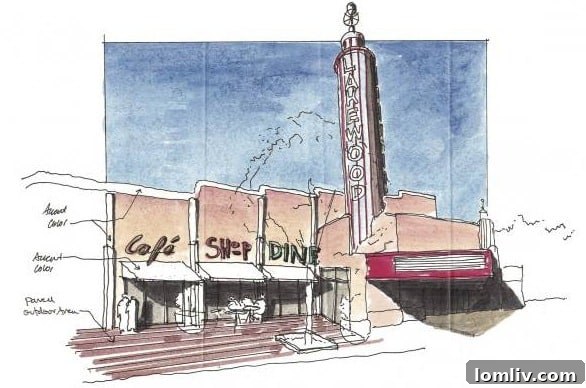
The architectural renderings presented by Good Fulton & Farrell suggest a future where the theater’s expansive square footage could be divided among multiple tenants, drastically altering its original layout and purpose. However, the owners have also indicated that preserving its identity as a theater, or even combining a theater space with a restaurant, remains a possibility. The interest in the prime East Dallas location is undeniably high, as noted by Kinney, leaving the door open for a variety of outcomes.
Ambiguity and Developer Intentions
The future of the Lakewood Theater, at this juncture, remains shrouded in ambiguity. The owners have yet to make a definitive decision regarding the property’s fate. Kinney expressed this uncertainty, telling Nichols, “We have one [business] that wants to have the whole space and keep it a theater. We have other options that may involve carving up the space. We just don’t know yet.” This lack of a clear plan has only fueled the anxiety within the community, especially given Dallas’s historical record of developers opting to demolish historic structures in favor of new developments.
A stark reminder of this trend was the September destruction of the 1885 Romanesque Revival building at 1611 Main Street, which was razed as part of The Joule’s expansion. Such incidents have understandably made preservationists and neighbors wary, prompting them to proactively advocate for the theater’s safeguarding. The rapid growth of the “Save the Lakewood Theater” Facebook page, which garnered over 4,200 “likes” and significant activity shortly after its creation on November 7th, serves as a powerful testament to the community’s deep concern and collective determination.
The Heart of East Dallas: Why the Lakewood Theater Matters
For many in East Dallas, the Lakewood Theater is far more than just an old building; it is a vital thread in the fabric of their community. Its distinctive Art Deco tower is a recognized symbol, a visual anchor in a neighborhood that prides itself on its unique character and vibrant local culture. The potential for major changes or, as some fear, the “commonplace commercialization” of the space, has galvanized strong resistance from residents who value the theater’s irreplaceable role.
More Than Just a Movie House: A Cultural Nexus
Beyond its architectural beauty, the Lakewood Theater has long functioned as a dynamic hub for various community events. It has hosted a diverse array of performances, film screenings, and vital public gatherings. A notable example includes the Ebola town hall meeting held on October 15th, showcasing its utility as a venue for critical civic discourse. This adaptability and its history of fostering community engagement highlight its value beyond its original cinematic purpose. The theater embodies a “funky, fun space” that consistently inspires delight and a sense of belonging among neighbors, making its preservation a deeply personal issue for many.
The Lack of Formal Protection: A Vulnerable Treasure
Despite its profound historical and cultural significance, the Lakewood Theater’s lack of a comprehensive historic designation leaves it in a precarious position. Its closest form of protection is its inclusion in a Planned Development District (PDD), which encompasses the shopping center and surrounding areas. However, as closer inspection of the linked PDF reveals, this protection is both minimal and largely voluntary. This means there’s currently no legally binding mechanism to prevent the theater from being drastically altered, redeveloped into something entirely different, or even completely demolished. While the co-owners have not indicated any intention of such extreme measures, the absence of robust legal safeguards remains a significant point of contention for preservation advocates.
Rallying for Preservation: The Community’s Voice
The community’s response to the potential changes at the Lakewood Theater has been swift and passionate. Recognizing the fragility of its status, residents and preservation groups have united to voice their concerns and advocate for the theater’s future.
“Save the Lakewood Theater” Campaign
The “Save the Lakewood Theater” campaign, largely orchestrated through its highly active Facebook page, has rapidly become a focal point for public sentiment. This digital platform has allowed thousands of concerned citizens to share their memories, express their worries, and strategize ways to ensure the theater’s survival. The overwhelming support for the campaign underscores the profound emotional connection the community has with this particular landmark. It serves as a powerful reminder that historic buildings are not just bricks and mortar; they are repositories of shared experiences and collective memory.
Developers’ Assurances vs. Community Anxiety
In response to the growing public outcry, property co-owner Craig Kinney has offered reassurances, stating that the theater tower exterior is “sacrosanct,” “iconic,” and a “great asset.” He has been quoted by the Dallas Morning News and Lakewood Advocate as insisting that “nobody needs to be freaking out.” While these statements offer some comfort, many remain cautiously optimistic, understanding that verbal assurances, without the backing of formal preservation status, can be subject to change. The community’s vigilance is thus rooted in a desire for concrete protections for a site they deeply cherish.
Envisioning the Future: Possibilities and Challenges
The path forward for the Lakewood Theater is fraught with both exciting possibilities and significant challenges. The discussions surrounding its redevelopment highlight the complex interplay between economic viability, architectural heritage, and community desires.
Architectural Renderings and Potential Scenarios
The renderings from Good Fulton & Farrell illustrate the various directions the property could take, from a multi-tenant retail space to a hybrid model that integrates entertainment and dining. Each scenario presents its own set of implications for the theater’s physical form and its role in the community. The challenge lies in finding a solution that respects the building’s historical and aesthetic value while also ensuring its long-term economic sustainability. The ideal outcome, in the eyes of many, would be a revitalization that breathes new life into the theater while meticulously preserving its distinctive features and its function as a public gathering space.
The Broader Context of Historic Preservation in Dallas
The plight of the Lakewood Theater serves as a microcosm of larger preservation battles across Dallas. As the city continues its rapid growth and development, the pressure on historic structures intensifies. The lack of robust local and national historic designations for many significant buildings puts them at constant risk. The Lakewood Theater’s situation underscores the urgent need for stronger preservation policies and greater public awareness regarding the value of retaining architectural heritage. Such buildings are not just relics of the past; they contribute to the unique identity, cultural richness, and sense of place that makes Dallas a vibrant city.
The Road Ahead for the Lakewood Theater
The future of the Lakewood Theater remains a topic of fervent discussion and dedicated advocacy. As the end of the current lease approaches, all eyes are on the property owners to see what decisions will be made. The unwavering support from the “Save the Lakewood Theater” campaign and the sustained media attention demonstrate the profound affection and importance the community places on this iconic landmark. Whether it evolves into a new form, retains its original purpose, or finds an innovative blend of both, the hope is that the spirit and architectural grandeur of the Lakewood Theater will continue to enrich East Dallas for generations to come. Its survival is not just about preserving a building; it’s about safeguarding a piece of Dallas’s soul.