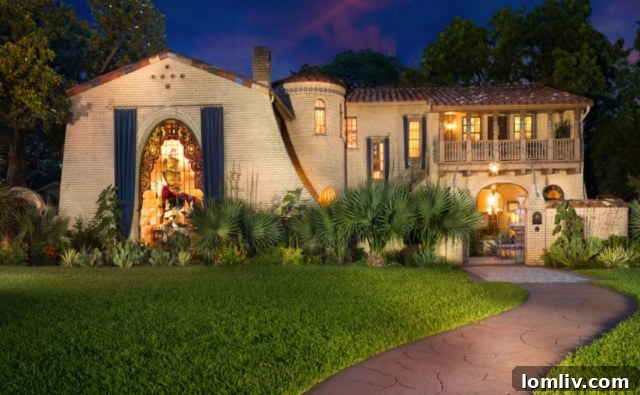
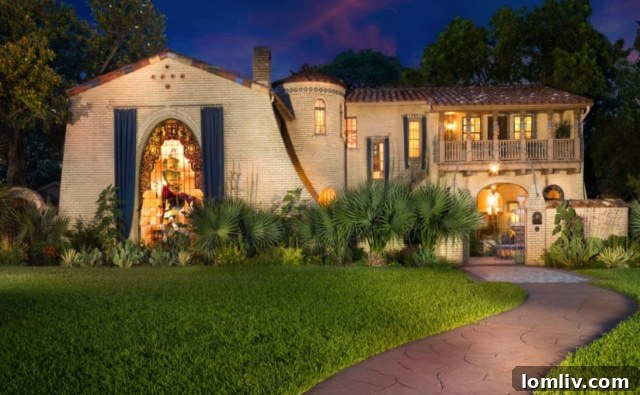
Exciting developments are underway in the realm of historic preservation and community conservation in Dallas. Residents of the beloved Lakewood neighborhood are actively working to significantly expand the existing footprint of the Lakewood Conservation District, a move that promises to safeguard an invaluable collection of architectural treasures.
For many, the assumption might be that all those magnificent, architecturally diverse homes designed by legendary figures like Charles Dilbeck and Clifford Hutsell are already under protective status. Surprisingly, this is not the case. A significant number of these iconic properties currently lack the official protections offered by a conservation district, leaving them vulnerable to demolition and redevelopment.
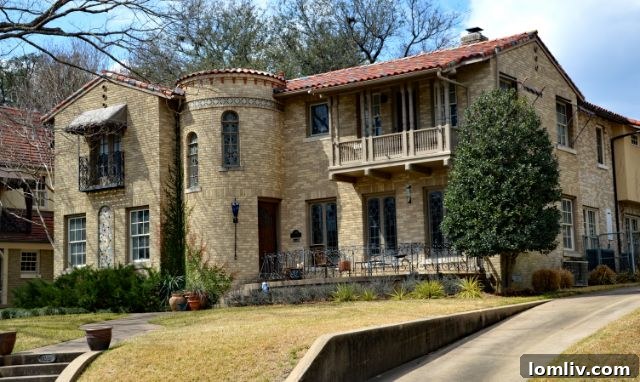
Lakewood: A Dallas Neighborhood Rich in Architectural Heritage
The story of Lakewood’s distinguished architecture began in the 1920s when visionary developers Albert Dines and Lee R. Kraft acquired 184 acres surrounding what is now the prestigious Lakewood Country Club from Dr. W.F. Pearson. Their ambition was to create one of Dallas’s most beautiful and enduring neighborhoods, a vision that has profoundly shaped the area’s character.
Over the decades, some of the most influential architects of their time contributed to Lakewood’s unique tapestry. Luminaries such as O’Neil Ford, known for his pioneering Texas Modernism; Arch Swank, celebrated for his elegant contemporary designs; and David O. Williams, whose work often blended modernism with regional influences, crafted homes that stand as testaments to their innovative spirits. The neighborhood showcases an impressive range of architectural styles, from stately classic Colonials and robust Prairie-Four Squares to charming Spanish Eclectic residences. However, it is the distinctive and highly sought-after historic Dilbeck and Hutsell homes that truly define a significant portion of Lakewood’s architectural allure and are at the heart of the current preservation efforts.
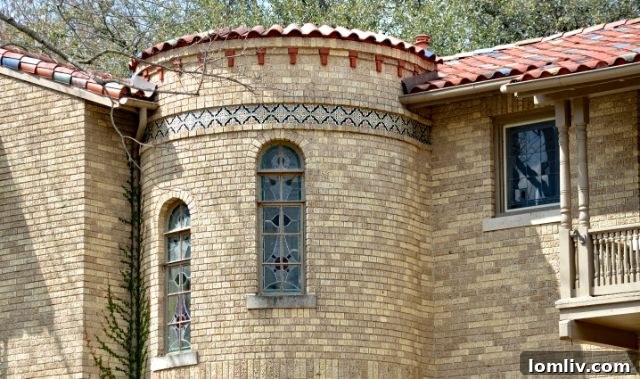
Unearthing the Legacy: Charles Dilbeck and Clifford Hutsell Masterpieces
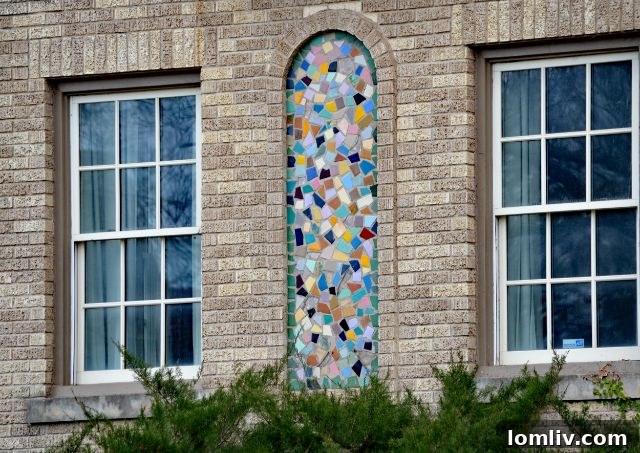
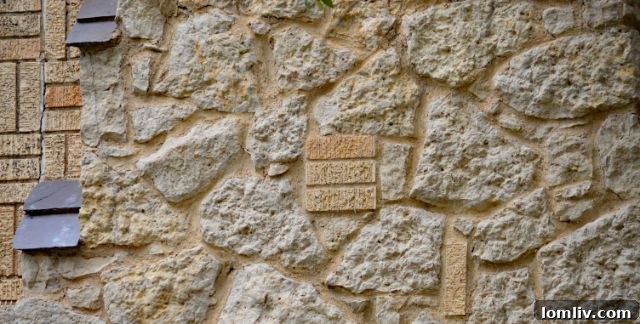
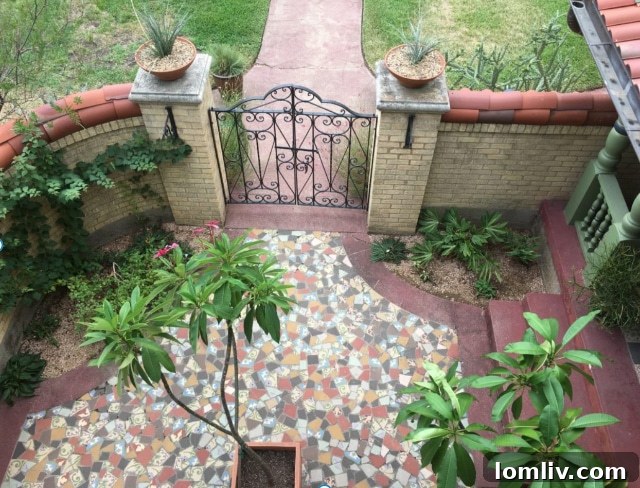
Identifying a Clifford Hutsell design is often a straightforward endeavor. His homes are famously characterized by their distinctive clay tile roofs, intricate ornate ironwork, vibrant tile details, and an unmistakable sense of whimsy and romantic flair. These elements combine to create a signature Spanish Eclectic style that immediately captivates the eye.
Charles Dilbeck, in contrast, was a master of versatility, renowned for his refusal to be confined to a single architectural style. His extensive oeuvre spans a broad spectrum, incorporating elements of French Provincial, English Tudor, Ranch, and various American traditional styles. This very flexibility, while showcasing his remarkable talent, often makes the identification and verification of his homes a complex challenge, even for seasoned architectural historians. The absence of a singular, easily recognizable “Dilbeck style” means that many of his masterpieces blend subtly into the urban landscape, their historical significance sometimes overlooked.
Willis Winters, the former Dallas Parks and Recreation Director and a dedicated preservationist, has committed years to meticulously tracking down and verifying these important structures. Winters is currently compiling the definitive book on Dilbeck, an eagerly anticipated publication that promises to shed new light on the architect’s prolific career and intricate designs. We recently spoke with him to gain his perspective on the critical need for enhanced architectural protection in Lakewood.
“Lakewood, unlike many other residential neighborhoods throughout Dallas and the Park Cities, remains relatively intact,” Winters explained. “This presents a unique and precious opportunity to preserve its rich history and save its unparalleled architectural legacy. As a former Lakewood resident whose own home was tragically demolished, I wholeheartedly support expanding the boundaries of the Conservation District. This expansion is crucial, as it will encompass many significant residences that simply must be preserved for future generations.” His personal experience underscores the urgent and tangible threat facing these cherished homes.
Safeguarding an Intact Neighborhood: The Power of Community Action
It’s a powerful reminder that significant change often begins with the passion and determination of a single individual. In Lakewood, resident Summer Loveland exemplifies this principle. Faced with the ongoing threat to the neighborhood’s historic homes, she resolved to take action rather than passively observe their potential demise. Her journey to expand the Lakewood Conservation District began with a tangible concern.
“Last May, a Hutsell home just down the street went up for sale,” Loveland recounted. “It was on a corner lot, and I immediately worried that a developer might purchase it and tear it down for new construction. That concern prompted me to contact the city to explore how we could initiate and successfully expand the conservation process within Lakewood.” Loveland’s past experience with the successful establishment of the Belmont Conservation District years prior had equipped her with a keen understanding of the challenges and complexities involved in such a community-driven initiative.
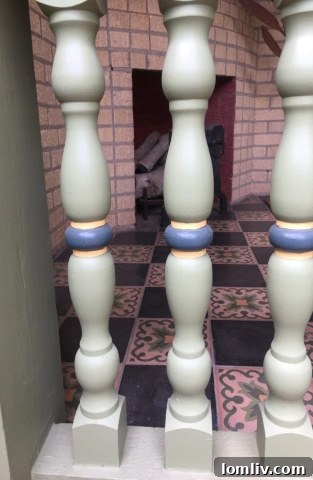
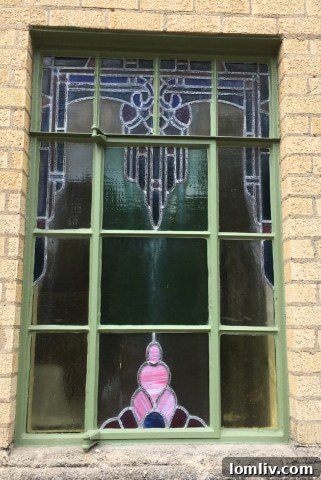
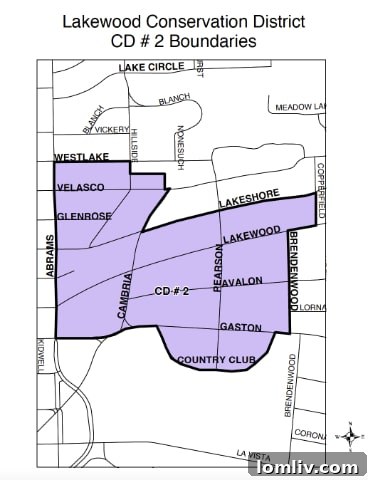
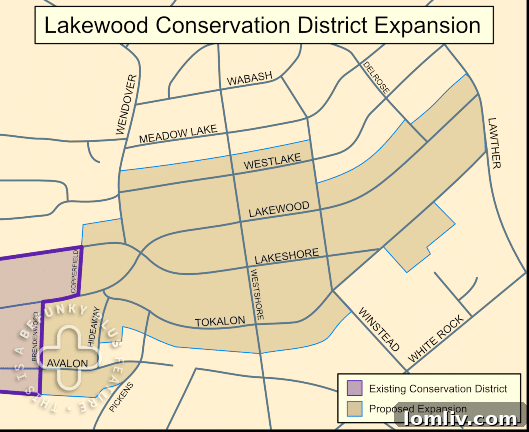
Loveland provided crucial context: “Lakewood was established as the second Conservation District in Dallas back in 1988, but its protection currently only extends to homes situated between Abrams and Brendenwood. Crucially, there is not a single Clifford Hutsell-designed home within this currently protected area. In fact, there are nearly 50 Hutsell homes in Lakewood, and none of them benefit from this protection. The proposed expansion area is designed specifically to encompass all of these invaluable Hutsell residences. When I began discussing this idea with my neighbors, I discovered a tremendous amount of interest and strong community support for the initiative.”
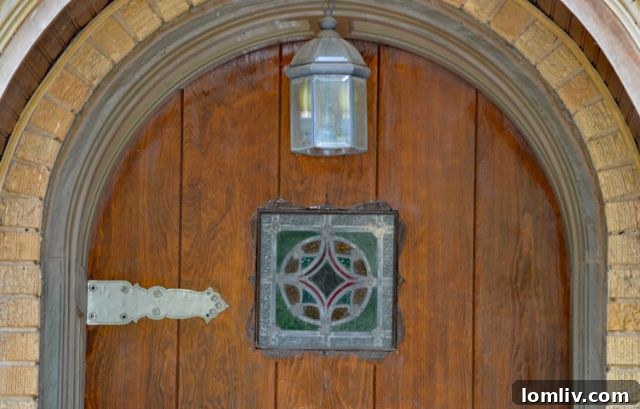
This is precisely where the “village” concept becomes indispensable for the preservation of historic properties. Loveland reached out to Willis Winters to ensure a comprehensive and accurate list of these historically significant properties could be compiled. Concurrently, she began the vital work of galvanizing community support. The city mandates the formation of a committee comprising at least 10 individuals to advance such a proposal. Loveland successfully rallied a group of neighbors deeply invested in the mission, and remarkably, the process has moved forward with impressive speed and efficiency.
The formal request to determine the eligibility of the expanded area was officially submitted, and city officials have diligently reviewed the comprehensive documentation. Loveland anticipates that the approval of eligibility will be granted in April. Following this crucial step, the city will have a two-week window to provide official petitions to the neighborhood committee. The next significant hurdle involves securing the agreement and signatures of 58 percent of the neighbors within the proposed expansion zone. Once this threshold is met, the city will then schedule a public meeting, allowing for broader community input and discussion, before the proposal can move forward to the City Plan Commission and City Council for final approval.
In our ongoing fight to preserve historic Dallas homes and buildings, progress often feels like taking one step forward and two steps back. The fundamental concepts of preservation, conservation, and adaptive reuse are, regrettably, often absent from a developer’s lexicon. Their primary focus remains profit, making it an arduous task to convey the intrinsic value of properties that extends beyond mere financial gain. Furthermore, homeowners, often through no fault of their own, are sadly either uneducated about the benefits of historic designation or misinformed about the preservation process and its implications.
The stark reality of unchecked development is painfully evident in other parts of Dallas. Highland Park, for instance, has become an extensive construction zone, and within a few short years, there will be little to no original history left to tell. A staggering fifty of the original homes prominently featured in Great American Suburbs: The Homes of the Park Cities, Dallas have already been demolished. Let us remember that these were not just any houses; these were homes like the magnificent Carey Estate and the venerable Old Alice—residences once owned by the very visionaries who laid the foundations of our great city. Once these irreplaceable structures are gone, their unique stories fade into obscurity, and a vital piece of Dallas’s rich history is irrevocably lost. The tangible link to our past is severed, and with it, a deeper understanding of our urban evolution.
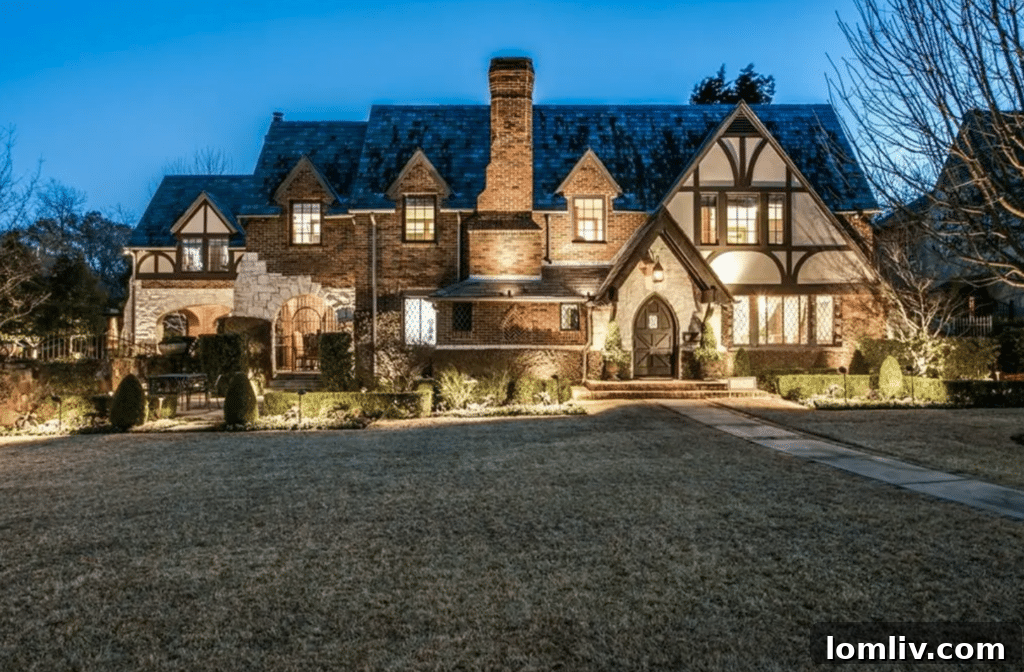
With an ever-increasing awareness of how quickly our inventory of historic properties across Dallas is dwindling, Lakewood stands out as a neighborhood that not only recognizes but actively embraces the profound value of preservation. Its residents are not merely observing the decline; they are proactively forging a path forward, demonstrating a powerful commitment to safeguarding their architectural legacy and, by extension, a significant piece of Dallas’s soul.
Bravo to the Lakewood community for this inspiring and crucial endeavor!
For more comprehensive information on the proposed expansion of the Lakewood Conservation District, including a detailed list of facts about Conservation Districts and their benefits, please click to download the official PDF flyer.