The Resilient Tale of 1704 West Colorado: An Iconic Dallas Mansion’s Journey
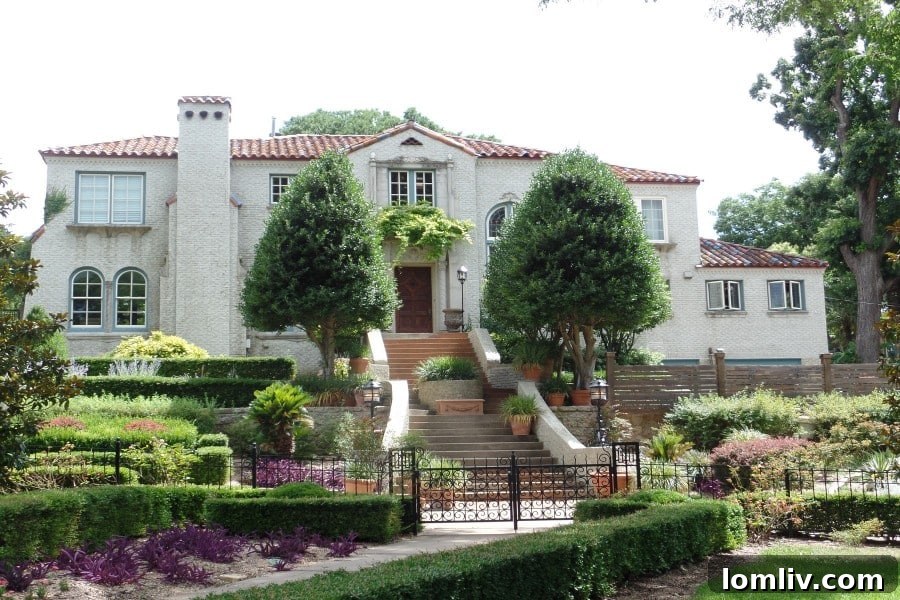
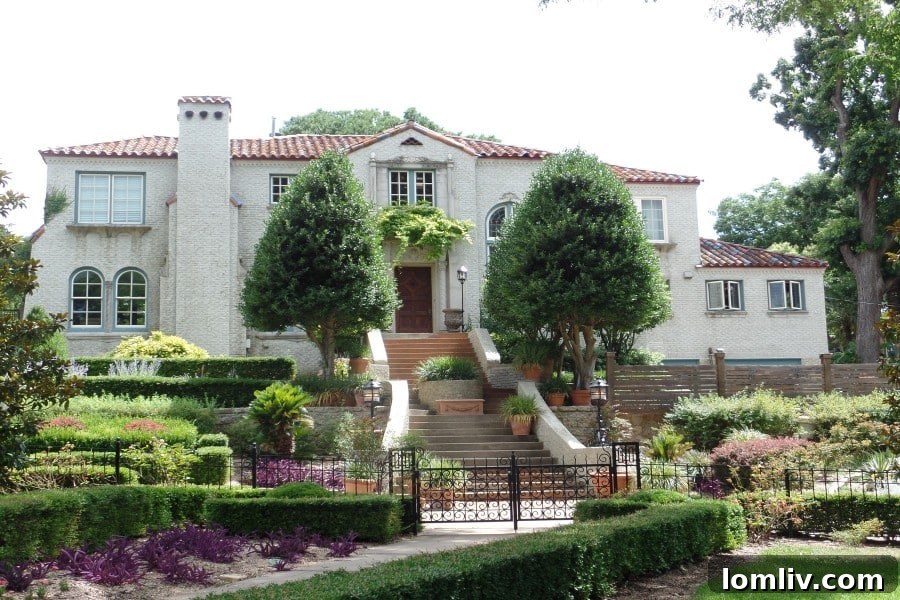
The Spanish-style mansion at 1704 West Colorado Boulevard in Dallas’s prestigious Kessler Park neighborhood is more than just a home; it’s a local legend, a testament to timeless architecture, and a property deeply woven into the fabric of the community. Its story is one of admired beauty, an unexpected crisis, a calculated strategy, and ultimately, a triumphant rescue that captivated local real estate circles. For those familiar with its grandeur, this tale of near-foreclosure and a swift, off-market sale is a vivid reminder of the unique challenges and opportunities within the luxury real estate market. Let’s revisit the dramatic events that unfolded around this Dallas gem.
An Architectural Jewel in Kessler Park
Nestled high atop a scenic cliff overlooking the lush greens of Stevens Park Golf Course and the tranquil Coombs Creek, the mansion at 1704 West Colorado Blvd. has long been celebrated for its distinctive Spanish mission-style architecture and breathtaking panoramic views. This magnificent property quickly became an object of widespread admiration, earning a coveted spot on D Magazine’s “Most Beautiful Homes in Dallas” list. Its expansive grounds were also showcased on the prestigious Dallas Open Days Garden Conservancy Tour, drawing enthusiasts from far and wide eager to explore its meticulously curated landscapes.
The estate itself is a masterpiece, boasting a substantial 4,000-square-foot main residence complemented by charming accompanying structures. Its design effortlessly blends historical elegance with modern comfort, featuring intricate details characteristic of classic Spanish colonial homes. The property’s generous outdoor spaces include sprawling gardens, winding pathways, and serene “maizes” – unique garden features that invite contemplation and leisurely strolls. This remarkable blend of architectural beauty, natural splendor, and a prime location firmly established 1704 West Colorado as one of Dallas’s most coveted and iconic residential properties, making its impending crisis all the more shocking to the community.
The Looming Crisis: A Foreclosure Auction
The serenity surrounding this Dallas landmark was abruptly shattered a few months prior to our original report when news broke that the mansion was slated for auction. But this was no ordinary real estate transaction; the property was to be sold on the very steps of the George Allen Courts building on Commerce Street on July 7th. For anyone familiar with real estate proceedings, this location immediately signaled a foreclosure sale, a stark and public indication of financial distress.
The starting bid, shockingly set at just $500,000, as detailed in the Auction.com listing, sent ripples of both alarm and excitement through the Dallas community. While bargain hunters saw a potential steal, the prospect of such a historically significant and beautiful home falling into foreclosure stirred deep concern among neighbors and preservationists alike. The property’s previous use, occasionally hosting weddings and being listed on platforms like VBRO for rentals, had already sparked discussions within the neighborhood regarding its impact on residential character. The idea that this prominent estate, a focal point of Kessler Park’s beauty, might be acquired by someone who didn’t appreciate its unique heritage or who might further alter its use, was a troubling thought for many.
A Strategic Move: The Owner’s Intentions
Initially, the thought of any homeowner losing such a cherished property was truly disheartening. We’ve all experienced tough times, and the prospect of losing one’s home is universally challenging. However, as the story unfolded, it became clear that this was far from a typical foreclosure case. The owner, Ken Row, a man widely regarded as one of the nicest individuals one could ever meet, initially remained silent, preferring to let events unfold. He later revealed a fascinating and calculated strategy: he wasn’t trying to lose his home, but rather to gain the attention of his mortgage lender, Bank of America, with another company handling the servicing.
Ken’s approach involved withholding a few mortgage payments, a tactic sometimes employed in the commercial real estate sector to force lenders to the negotiating table for refinancing. His aim was to secure a more favorable interest rate. However, as many homeowners discovered in the wake of the Great Recession, such methods rarely translate effectively to residential mortgages. Post-recession regulations had made banks far more rigid and less flexible with residential loans. The bank’s swift and unyielding response to Ken’s maneuver was to initiate foreclosure proceedings, leading directly to the courthouse auction listing. This unfortunate escalation highlighted the stark differences in how commercial and residential lending institutions operate and communicate with their clients.
Navigating the Labyrinth of Big Banks
Dealing with large financial institutions, especially concerning mortgages, can often feel like an insurmountable challenge. As Ken Row discovered, even with a strategic intent, direct communication and achieving a desired outcome can be incredibly difficult. His attorney, Dax Richards, explained the complexities: “Bank decision making goes through a tree the computer holds.” This system often prioritizes automated processes over human interaction, making it nearly impossible for homeowners to connect with a live person who can understand their unique situation and offer tailored solutions. The attempt to withhold payments, therefore, was Ken’s drastic but understandable effort to bypass the bureaucratic layers and “get some attention from a bank and get a human to talk to them.”
Indeed, countless homeowners can attest to the frustration of navigating these institutional channels. Anecdotes abound of endless phone calls, being shuffled between departments, and facing strict limitations on direct interaction. This bureaucratic rigidity, a direct consequence of tightening regulations following the foreclosure crisis that fueled the Great Recession, meant that banks were quick to foreclose, leaving little room for the strategic negotiations Ken was attempting. Despite his clear intent and the bank’s eventual understanding, the initial response was a stark reminder of the impersonal nature of modern banking systems.
The Intervention and Averted Crisis
As the potential foreclosure loomed, a crucial intervention came from an unexpected but welcome source: Laurie Welch, a dedicated Ebby Halliday agent. Like many in North Texas’s real estate community, Laurie diligently followed local real estate news and stumbled upon the story of 1704 West Colorado. What made her intervention unique was a personal connection: Ken Row, the mansion’s owner, had been her boss years ago at Harold’s.
Moved by the news and their shared history, Laurie immediately reached out to Ken with a simple yet powerful question: “What can we do to keep you from losing this house?” This inquiry marked a significant turning point, bringing a human touch and professional expertise into a situation that had become ensnared in banking bureaucracy.
Legal Assurance and Bank’s Understanding
Through Laurie’s involvement and Ken’s legal representation by Dax Richards, the true nature of Ken’s actions became clear to the bank. Dax quickly confirmed that the property would, in fact, NOT be foreclosed upon. He conveyed that Bank of America, alongside its servicing company, had come to understand that Ken was not a “scofflaw” attempting to evade his responsibilities, but rather a homeowner trying to engage them in a refinance conversation. “To the bank’s credit, they understood,” Dax stated, confirming that reinstatement papers were already in motion.
While the online auction listing for the property remained active for a short period – perhaps due to the Fourth of July holidays or a lag in website updates – Dax had multiple emails and phone conversations indicating that, on paper, Ken was officially reinstated as the owner of his beloved home. This news brought immense relief, demonstrating that persistence, legal guidance, and personal connections could indeed cut through the red tape of large financial institutions, even if the process was fraught with anxiety and misunderstanding.
The Power of Local Media and Unsolicited Offers
The local media played an undeniably pivotal role in the mansion’s story. When our comprehensive article detailing Ken’s situation and the averted foreclosure was published on July 6th, it immediately resonated with the Dallas community. The piece garnered more than 250 Facebook shares and thousands of hits, spreading awareness far beyond initial expectations. This viral dissemination of the story proved to be a powerful catalyst.
Almost immediately after the article went live, Ken Row began receiving unsolicited offers on the house. As Dax Richards explained, “The reason he decided to market it was because of the unsolicited offers following your article, though none of them specified the reason for the offers.” The intense public interest, fueled by the compelling narrative of a cherished local landmark’s near-miss, highlighted the immense demand for such unique properties in Dallas. It became clear that the mansion’s architectural beauty, historical significance, and prime location had captured the imaginations of many potential buyers, setting the stage for its next chapter.
A New Chapter: The Passionate Buyer Steps In
Among the many who followed the story of 1704 West Colorado was Jim Lake, a prominent figure in the Dallas community and a long-time admirer of the Spanish-style mansion. Jim and his wife already resided not far from the West Colorado address, but this particular home had captivated him for years. The thought of it falling into foreclosure, or worse, being purchased by someone who wouldn’t cherish its unique charm and heritage, deeply troubled him. He was determined to ensure its future lay in caring hands.
Upon seeing the initial posting in The Advocate about the impending auction, Jim’s interest was piqued. As the story evolved and the article detailing the averted foreclosure and Ken’s new willingness to sell emerged, Jim knew this was his opportunity. He wasted no time, contacting his banker, who, in turn, connected him with Laurie Welch. Laurie, who had already played a crucial role in preventing the foreclosure, was now perfectly positioned to facilitate the sale, working tirelessly for both the buyer and the seller. This seamless connection underscored the value of local networks and dedicated real estate professionals in navigating complex transactions.
The Swift Off-Market Transaction
Jim Lake’s determination to acquire the property was evident in his swift and decisive action. Driven by his long-standing admiration and a genuine desire to preserve the home’s legacy, he made an exceptional offer: full price. This commitment demonstrated his profound appreciation for the mansion’s value and ensured that the sale would proceed without delay or unnecessary negotiation. The outcome was nothing short of remarkable:
- The house was under contract in an astonishing seven (7) days.
- The entire transaction, from contract to close, was completed within forty-five (45) days.
Crucially, this entire process unfolded outside the Multiple Listing Service (MLS). The mansion never even had to be publicly listed on the traditional market. This “off-MLS” sale is a testament to the property’s unique desirability, the effectiveness of the local media in generating interest, and the skill of Laurie Welch in connecting the right buyer with the right seller. For Ken Row, who was growing weary of the extensive upkeep required by such a grand estate, the sale offered a welcome transition. For Jim Lake, it marked the fulfillment of a long-held dream, allowing him to become the steward of a truly special Dallas landmark.
A Happy Ending for a Dallas Landmark
The story of 1704 West Colorado Boulevard stands as a captivating narrative of resilience, community, and the power of individual action in the complex world of real estate. From its initial recognition as one of Dallas’s most beautiful homes to the dramatic threat of a courthouse foreclosure, and finally, its swift, private sale to a passionate new owner, the mansion’s journey has been anything but ordinary.
This saga ultimately yielded two very happy outcomes. Ken Row, the former owner, found a graceful exit from the responsibilities of maintaining such a significant property, moving on to his next chapter with peace of mind. And Jim Lake, the new owner, fulfilled a long-held aspiration, taking stewardship of a home he had admired for years. The successful preservation and transfer of this iconic Dallas property, all orchestrated outside the typical market channels, truly highlights the unique dynamics of luxury real estate and the profound impact of local connections and timely interventions. The mansion at 1704 West Colorado Blvd. continues its legacy, now with a new custodian dedicated to its enduring beauty and place within the vibrant community of Kessler Park.