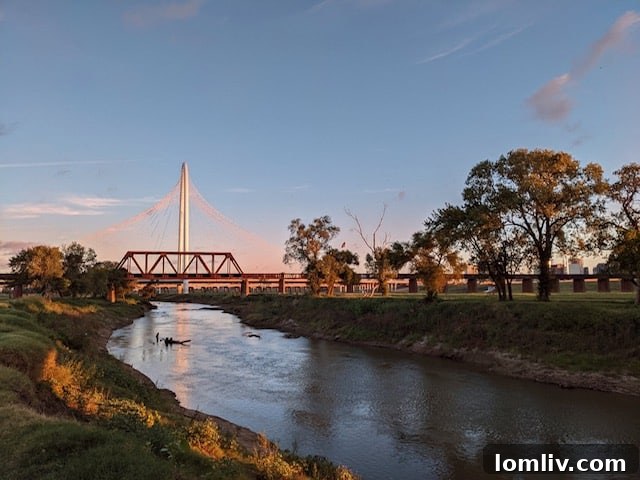
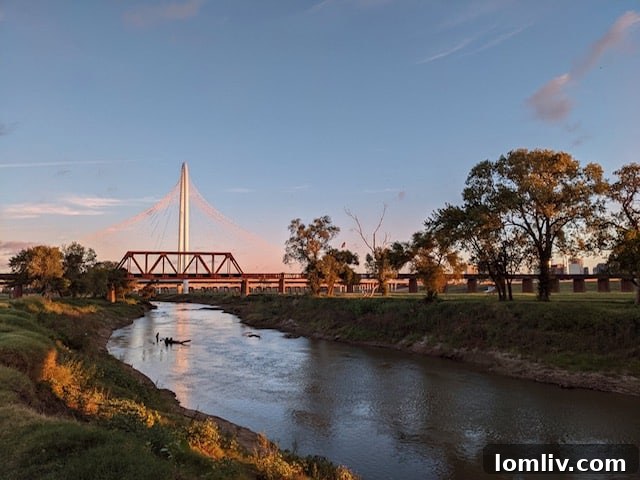
The vast and diverse landscape of Texas, often celebrated for its natural beauty and expansive horizons, faces significant environmental challenges. For years, lawmakers have voiced growing apprehension regarding the Lone Star State’s diminishing water reserves and its strikingly low per-capita state park acreage. These critical issues threaten not only the ecological balance but also the quality of life for millions of Texans. However, a glimmer of hope has emerged from Rockwall, where State Representative Justin Holland has introduced groundbreaking legislation aimed at comprehensively addressing these pressing concerns.

District 33 State Rep. Justin Holland (R-Rockwall) took a decisive step on March 1st by filing a bill proposing the allocation of a substantial $2 billion from the state’s impressive $27 billion surplus. This historic investment is earmarked specifically for bolstering vital water resources and significantly expanding public parks across Texas. Holland’s initiative, encapsulated in House Bill 3165, represents a proactive and visionary approach to safeguarding the state’s natural heritage for future generations.
In a public statement, Representative Holland articulated the profound philosophy underpinning his legislation: “It’s our responsibility as custodians of this land to pass on a state where future Texans will be able to enjoy the outdoors, parks, wildlife, and nature.” He emphasized his pride in introducing legislation that calls for the creation of the Texas Land and Water Conservation Fund, a mechanism designed to channel critical resources into areas of urgent environmental need. This sentiment resonates deeply with many who believe that the state’s prosperity must be balanced with robust environmental stewardship.
Introducing the Texas Land and Water Conservation Fund
The proposed Texas Land and Water Conservation Fund, if approved by the legislature and the voters, promises to be a transformative force for the state’s natural environment. Its primary objective is to award grants that will drive improvements in water quality, enhance the vital flow of rivers, facilitate the creation of much-needed new parks, and undertake crucial restoration efforts for wildlife habitats. This multifaceted approach aims to tackle interwoven environmental issues simultaneously, ensuring a holistic and effective conservation strategy for Texas.
The fund envisions a future where Texas’s natural resources are not merely preserved but actively revitalized and made accessible to all citizens. By supporting projects ranging from wetland restoration to land acquisition for new green spaces, the fund will act as a perpetual engine for ecological health and public enjoyment. It represents a long-term commitment, acknowledging that environmental challenges require sustained investment and strategic planning, rather than temporary fixes.
Representative Justin Holland’s Vision and Legislative Journey
Representative Justin Holland, a second-generation real estate broker and a proud alumnus of Rockwall High School and Texas Tech University, has served with distinction in the Texas House of Representatives since 2017. His background in real estate provides him with a unique perspective on land use and development, allowing him to bridge the gap between economic growth and environmental preservation.
Holland’s House Bill 3165 has already begun its legislative journey, having been sent to the Natural Resources Committee for comprehensive review. This critical step involves careful deliberation by committee members, who will assess the bill’s provisions, potential impacts, and fiscal implications. Should the bill successfully navigate the committee process and gain approval from both chambers of the Texas Legislature, it would then pave the way for a Constitutional amendment to be placed on a November ballot. A statewide vote on this amendment would empower Texans to directly shape the future of their natural landscape, creating the permanent framework for the Texas Land and Water Conservation Fund.
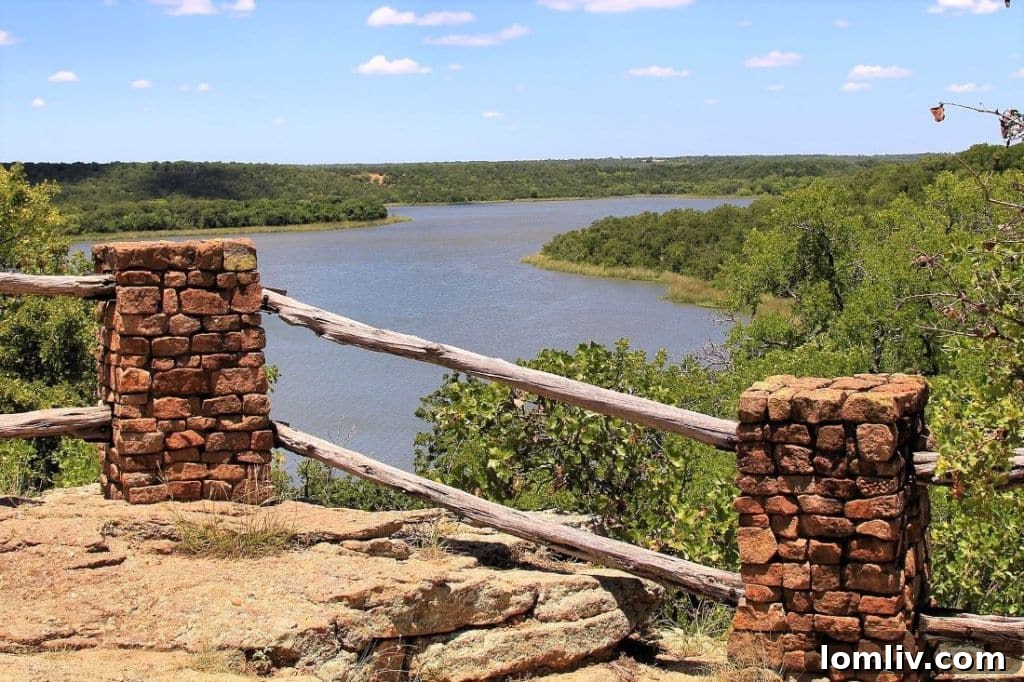
The legislation explicitly dedicates the fund to the “conservation of, restoration of, or public access to land, water, or natural resources in this state.” Furthermore, it outlines provisions for the strategic transfer of certain general revenues to various crucial state funds, including the economic stabilization fund, the newly proposed land and water conservation fund, and the state highway fund. This integrated approach ensures that the conservation efforts are part of a broader, sustainable fiscal strategy for Texas.
The timing of Holland’s bill is particularly opportune, as lawmakers grapple with the complex decision of how to wisely spend the state’s formidable $27 billion “rainy day fund.” A significant portion of this surplus has been earmarked by Governor Greg Abbott for property tax relief, making Holland’s proposal for environmental investment a bold and potentially competitive one. However, Holland firmly believes that his conservation fund offers a “once-in-a-generation opportunity” to make a truly lasting and impactful investment in Texas’s invaluable land and water resources. This sentiment underscores the urgency and unique confluence of financial opportunity and environmental need that the state currently faces.
Organized support for House Bill 3165 is already coalescing from prominent Texas organizations, including the beloved Klyde Warren Park in Dallas and the dedicated Trinity Park Conservancy. These entities, deeply invested in urban green spaces and river corridor restoration, recognize the profound benefits that such a fund could bring to both urban and rural areas of Texas, enhancing connectivity to nature for millions.
Addressing Texas’s Critical Water Supply and Demand Imbalance
In recent summers, the devastating effects of prolonged drought and widespread wildfires have served as stark and painful reminders of Texas’s precarious water situation. The recurring image of parched landscapes and emergency water restrictions has highlighted a near-crisis shortage, underscoring the urgent need for robust water management strategies. The state’s burgeoning population, coupled with unpredictable climate patterns, places immense strain on its finite water resources.
The severity of the issue was palpable last summer in Gunter, a small Grayson County community nestled near Sherman and Celina. City officials were forced to implement drastic measures, pleading with residents to “severely restrict non-essential water usage.” This included curtailing outdoor watering, limiting the use of washing machines and dishwashers, and even cautioning against excessive use of showers and sinks. Such stringent restrictions are not isolated incidents but rather symptomatic of a systemic problem affecting communities across Texas, emphasizing the daily impact of water scarcity on ordinary citizens.
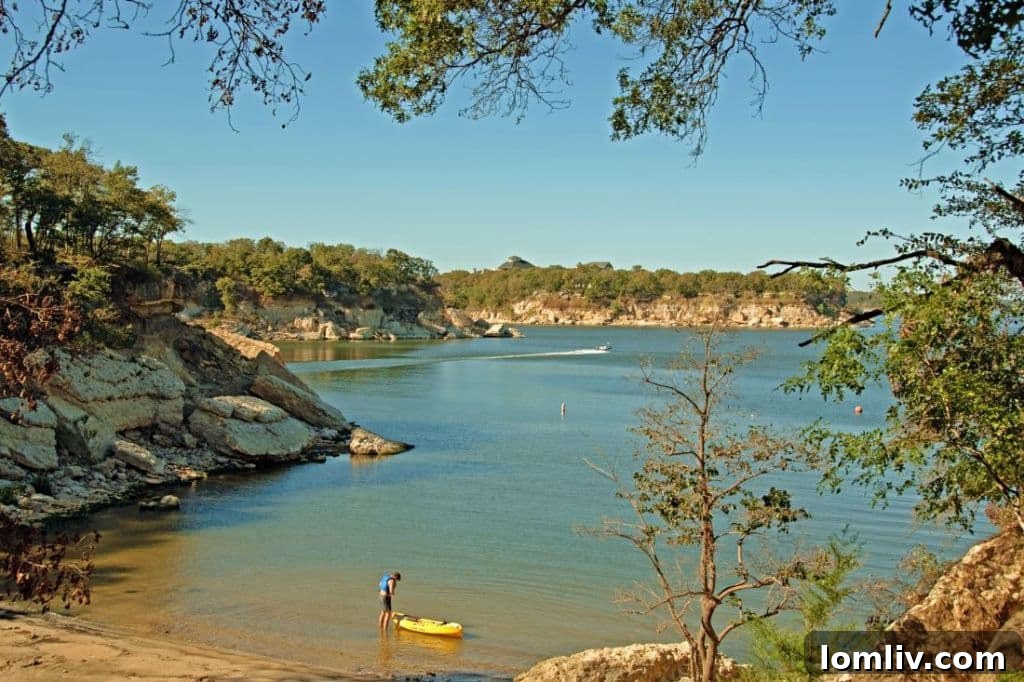
Scientific projections paint an even more alarming picture for the future. Researchers from Rice University have forecast that Texas’s vital water supply is projected to decline by a staggering 18 percent by the year 2070. During this same period, the state’s rapid population growth is expected to push water demand to exceed supply by a substantial 9 percent. This impending imbalance signifies a severe long-term challenge, threatening everything from agricultural productivity to municipal stability and industrial development across Texas. Without proactive intervention, the economic and social fabric of the state could face unprecedented stress.
Adding another layer of complexity to the water debate, Scott Norman, Executive Vice President of the Texas Association of Builders, shared a provocative perspective at a November luncheon. He warned builders that water resources could become subject to burdensome federal permitting and onerous regulations. This potential regulatory quagmire, he explained, stems from the lack of a clear, definitive specification for “navigable waters” within the Clean Water Act. This ambiguity creates a fertile ground for legal challenges and policy debates that can hinder development and create uncertainty for businesses.
Norman passionately articulated his frustration, stating, “It’s maddening. Water, floodplain, wastewater systems, water availability, and supply are being weaponized by the no-growth and the NIMBYs.” He clarified that this opposition isn’t solely from traditional “greenies” but also includes “conservative, Republican legislators who are bringing bills.” Norman recounted having to defeat three such bills in the previous legislative session. He pointed to wealthy, retired Houston oil magnates with ranches in the Hill Country who, disliking the encroaching development, are “creatively” introducing bills to halt growth in the name of preserving river flow and preventing discharges. This highlights a fascinating and often overlooked dynamic where powerful, diverse interests clash over the control and allocation of Texas’s precious water resources.
Expanding Texas State Parks and Enhancing Public Access
As Texas continues its trajectory of rapid population growth, the state’s public parks system is experiencing immense pressure. According to Luke Metzger, Executive Director of Environment Texas, the system is “bursting at the seams and struggling to meet public demand for recreational opportunities.” This burgeoning demand highlights a critical need for expansion and increased accessibility to green spaces for the state’s residents.
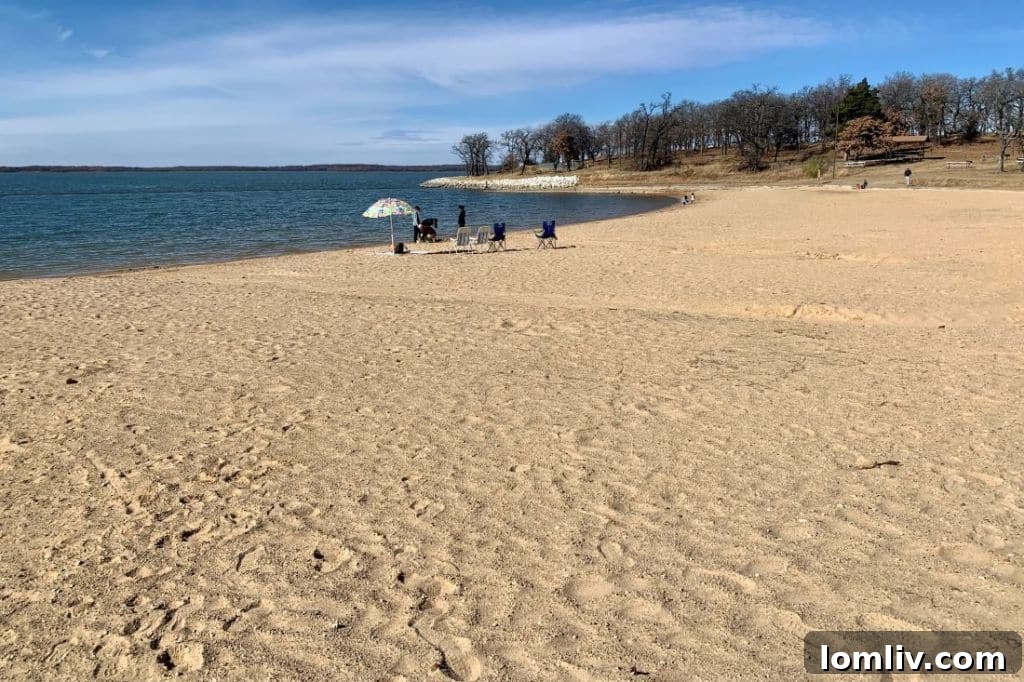
Metzger’s research underscores this deficiency, revealing that Texas currently ranks a disappointing 35th in the nation for state park acreage per capita. This puts Texas significantly behind similarly sized states, possessing a striking 54 percent fewer parks than Florida, a state with comparable population and geographic diversity. The implications of this deficit are substantial, affecting everything from public health and well-being to tourism and conservation efforts.
The consequences of insufficient parkland are keenly felt by Texans seeking to enjoy their state’s natural beauty. As Metzger elaborated in an opinion piece for the Houston Chronicle, “Insufficient parkland means our parks too often reach capacity and have to turn people away.” He added, “Booking a campsite can require months of advance planning.” This overcrowding diminishes the quality of the outdoor experience and effectively limits access for many families and individuals, particularly those with less flexibility for long-term planning.
A fundamental challenge in expanding Texas’s public park system is the state’s unique land ownership structure. According to the Texas Land Conservancy, an astonishing 95 percent of land in Texas is privately owned. This leaves a mere 2 percent protected as state and local parks, making land acquisition for public use a complex and often expensive endeavor. This dynamic creates a significant hurdle for conservation efforts and the expansion of recreational opportunities, making initiatives like Representative Holland’s bill all the more crucial.
However, the narrative surrounding land for parks isn’t entirely one-sided. The question often arises: does setting aside land for state parks inevitably mean less developable property for builders? Perhaps not, suggests Phil Crone, Executive Officer of the Dallas Builders Association. Crone noted that his team has not taken a definitive position on Holland’s bill, indicating a nuanced understanding of the issue within the development community. He offered a perspective that highlights Texas’s vastness, stating, “The great thing about our state is that there is plenty of land both to build on and enjoy.” This viewpoint suggests that strategic planning and collaboration could potentially allow for both continued development and the responsible expansion of public lands, finding a balance between economic progress and environmental stewardship.
A Sustainable Future for the Lone Star State
The challenges of dwindling water supplies and insufficient parkland in Texas are undeniable, posing serious threats to the state’s natural resources and the quality of life for its growing population. Representative Justin Holland’s House Bill 3165 and the proposed Texas Land and Water Conservation Fund represent a critical and timely response to these issues. By committing a significant portion of the state’s surplus to these vital areas, Texas has a unique opportunity to make a lasting investment in its environmental future.
This initiative goes beyond mere conservation; it’s an investment in public health, economic resilience, and the preservation of Texas’s unique identity. As the legislative process unfolds, the eyes of Texans will be on their representatives, hoping for a future where abundant water resources and accessible natural spaces are not luxuries, but fundamental aspects of life in the Lone Star State. The creation of this fund could mark a pivotal moment, ensuring that the legacy Holland envisions—a state where future Texans can truly enjoy the outdoors, parks, wildlife, and nature—becomes a vibrant reality for generations to come.