As the year draws to a close, it’s natural to reflect on the myriad experiences that have shaped our days. Some moments sparkle with delight, offering unexpected joy or profound satisfaction. Others, however, nudge us into a realm of mild irritation, prompting us to ponder the peculiar absurdities of modern life. It’s in this spirit of shared observation that I present my annual rundown of the year’s standout “peeves” and “praises.” These aren’t necessarily earth-shattering revelations, but rather the small, everyday encounters that resonated enough to warrant a moment of contemplation. From the baffling choices in home improvement aisles to the unexpected joys discovered far from home, these are the snippets that made me smile, scratch my head, or simply sigh. Join me in exploring these highlights and lowlights, and perhaps you’ll find solace in knowing you’re not alone in noticing the charming oddities that color our world.
Peeve: The Illusion of Choice – Too Many Shades of White
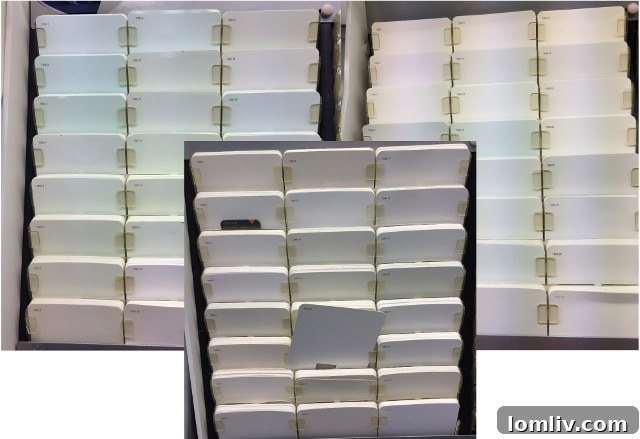
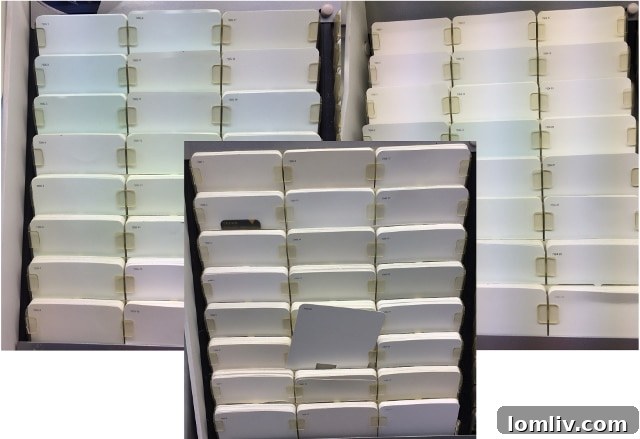
Stepping into the paint section of a Lowe’s store can often feel like entering a labyrinth of endless possibilities, or in some cases, an overwhelming expanse of sameness. Pictured above is a snapshot from just a week ago, showcasing Valspar paints’ dedicated “white” section. My immediate reaction? A profound sense of disbelief. Does the world, particularly the developed “first world” as we know it, truly require 72 distinct shades of white? This wasn’t just a fleeting thought; it sparked a genuine moment of contemplation about consumerism and the paradox of choice. Each shade, subtly different from the next, promising a unique nuance – ‘Alabaster,’ ‘Swiss Coffee,’ ‘Pure White,’ ‘Decorator’s White,’ and countless others vying for attention. It makes you wonder: are these distinctions truly perceivable to the average eye, or are we being sold an illusion of precision?
Consider the sheer volume: 72 shades. If one were to embark on an ambitious home renovation project, repainting a different room with a fresh shade of white every single year of their life, a U.S. male with an average life expectancy of 76.1 years would still only need to repeat a shade approximately four times. This exaggerated scenario highlights the staggering redundancy on offer. It speaks volumes about marketing strategies designed to cater to every conceivable, no matter how minute, preference. While choice is generally celebrated, an excess of it can lead to decision fatigue, turning what should be a simple purchase into a painstaking deliberation. Are we truly seeking the ‘perfect’ white, or are we conditioned to believe that such a minute difference holds significant aesthetic value? This endless parade of off-whites, brilliant whites, and creamy whites certainly provided a moment of bemused annoyance, forcing me to question the genuine need behind such a vast spectrum.

Praise: Embracing Diversity in Design – Beyond the White Appliance Default
For as long as I can remember, every washer and dryer I’ve ever owned has been white. It’s almost an unspoken rule of appliance ownership, a default setting deeply ingrained in our collective consumer consciousness. White appliances are ubiquitous, often seen as practical, clean, and timeless. However, this time around, when faced with the necessity of upgrading my laundry machines, I deliberately chose a different path. It wasn’t just about avoiding white; it was about embracing the aesthetic possibilities that modern appliance design now offers.
While I admit a slight disappointment that LG had discontinued their vibrant red and blue options – I would have, without a doubt, chosen red for a bold statement – I was still presented with an appealing alternative: a sophisticated grey. This wasn’t merely an aesthetic choice; it was also a practical one. My decision to go with LG was heavily influenced by their exceptional reliability ratings from Consumer Reports, a trusted source for informed purchasing decisions. The August report underscored their durability, a crucial factor for any major home appliance. The grey finish offers a contemporary, sleek look that blends seamlessly with various interior designs, providing a refreshing departure from the conventional white without sacrificing functionality or trusted performance. It’s a subtle rebellion against the monochromatic norm, demonstrating that even in utilitarian items, there’s room for personal expression and a touch of modern elegance. Who knows what the future holds for my next big purchase? My next car, for instance, might also break free from the traditional white or silver mold, though the current trend of not buying another car at all seems an equally compelling, if not more likely, path for simplified living.
Peeve: The Siren Song of Convenience – My Bacon Battle
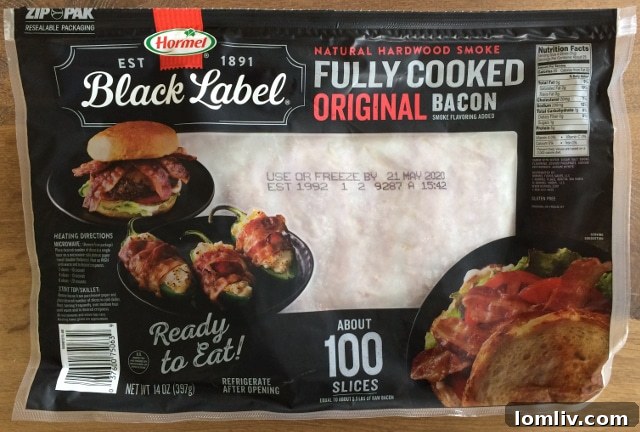
My culinary journey took an unexpected turn during my five-month stay in a hotel, a memorable chapter of my Penthouse Plunge adventure. In an effort to elevate my simple turkey sandwiches, I discovered the sheer convenience of pre-cooked bacon. It was a revelation: quick, crispy, and instantly satisfying. What started as a modest sandwich enhancement soon morphed into an undeniable indulgence. The pre-cooked slices, with their alluring aroma and tempting texture, quickly became my go-to snack, consumed “like bonbons” – because, let’s be honest, it was bacon, and who can resist bacon? This habit, however, felt manageable, as typical packages of pre-cooked bacon usually contained around ten slices, imposing a natural limit on consumption.
Then, I encountered it: the magnificent, almost mythical package promising “about 100 slices” of pre-cooked bacon, staring boldly at me from a Kroger shelf for an irresistible $14.99. Such a bargain! My rational mind immediately envisioned a responsible plan: surely, I would divide this bounty into smaller, freezer-bound portions, ensuring a sensible supply for weeks, if not months. The package sat in my cupboard for a couple of weeks, its sell-by date of May 2020 a comforting thought of its longevity. But then came Christmas Eve, and I opened it. Fast forward four days, and despite its initial immense size, a significant portion of the bacon had vanished, devoured by an insatiable appetite. Not a single slice had made it to the freezer. This experience was a stark, greasy lesson in human willpower – or lack thereof. I vowed then and there: never again will I purchase pre-cooked bacon. The inherent effort and time required in cooking raw bacon, it turns out, serves as a crucial deterrent for the casual snacker like myself. The initial warning, the fact that 100 slices constituted double the size offered at Costco, was a clear red flag that, regretfully, went unheeded. The convenience became my downfall, transforming a supposed bargain into a testament to impulse and indulgence.
Peeve: The Irony of “Proudly Maintained” – A Landscaping Lament
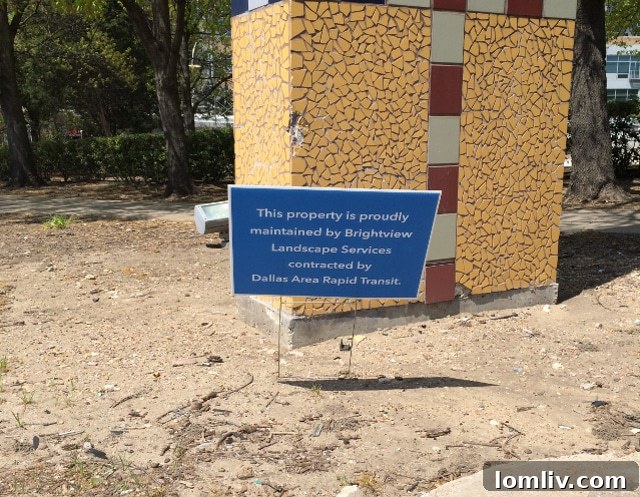
This past summer, a particular sign at Mockingbird Station in Dallas caught my eye and stirred a mix of bewilderment and exasperation. It proudly declared, “This property is proudly maintained by Brightview Landscape Services contracted by Dallas Area Rapid Transit.” My gaze then shifted from the sign to the landscape it purported to describe. What greeted me was a scene of stark neglect: erosion-exposed dirt, largely bereft of vegetation, a desolate tableau that seemed utterly at odds with the sign’s boastful claim. If this sign were to be taken literally, it would imply that DART’s contract specifically stipulated for a landscape characterized by barren earth and a distinct lack of green life.
The irony was almost poetic. One could almost imagine Marie Kondo, the queen of tidiness, approving of the scene, perhaps quipping that all plants that didn’t “spark joy” had been diligently removed. The reality, however, was far from joyful. It was a visible testament to either a spectacularly mismanaged contract or a profound lack of oversight. Such discrepancies in public spaces often reflect broader issues in urban maintenance and resource allocation. A week after my initial observation, the sign itself met a rather fitting fate: it toppled over, mirroring the neglected state of the very property it once championed, and was subsequently removed. Its disappearance served as a silent acknowledgment of the palpable disconnect between official claims and on-the-ground reality. It’s a classic example of how a well-intentioned message can be utterly undermined by visible neglect, leading to an overall impression of inefficiency and public indifference.
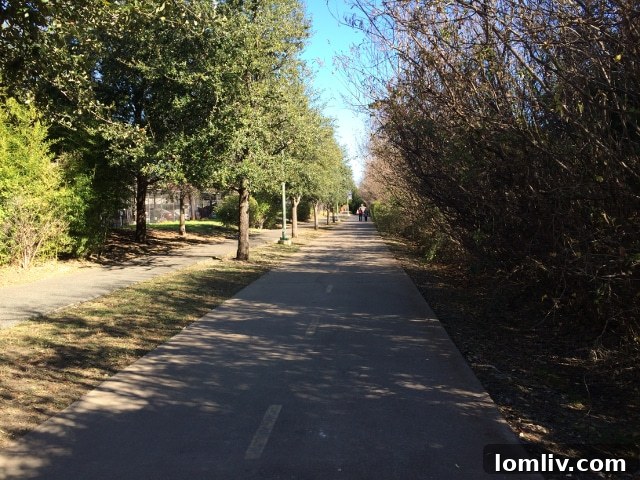
Peeve: The Unpleasantries of Urban Nature – The Katy Trail Conundrum
Having recently relocated adjacent to the Katy Trail, this urban oasis has become an integral part of my daily routine – a necessary countermeasure to my earlier, regrettable bacon indulgence. While the trail offers countless pleasures, two particular issues consistently snag my attention, transforming moments of tranquil exercise into episodes of mild vexation. The first, and most potent, is the persistent and profoundly unpleasant odor that frequently permeates the air around the Fitzhugh crossing. Once you venture over the bridge heading north, a stretch of about 100 yards is, on most days, assaulted by a distinct, fragrant bathroom stench. It’s not merely disagreeable; it’s an environmental anomaly that begs for an explanation. Is it a broken sewer line? A poorly managed drainage system? Whatever the source, its presence is a jarring incongruity, especially given the rapid development in the area. With projects like The Terminal, poised to command over $1,000 per square foot in this very vicinity, it seems imperative that someone swiftly identifies and rectifies this noxious problem. After Saturday’s cleansing rains, the smell mercifully disappeared, but for how long will this temporary reprieve last? The lingering question underscores the urgency of a permanent solution for the sake of public health and property values.
The second, albeit less pungent, issue that puzzles me is the conspicuous absence of an accessible entrance to the Katy Trail at Lemmon Avenue. I dimly recall reading an explanation for this deficiency a few years back, but the reference eludes me now. Living as I do between the Lemmons, and frequently resorting to scrambling up dirt embankments just to reach the trail, the lack of a proper, designated entry point feels increasingly illogical and inconvenient. It raises questions about urban planning and pedestrian accessibility. Why force residents to navigate makeshift routes when a formal entrance would vastly improve safety and user experience? Both these concerns, the foul odor and the access dilemma, highlight areas where Dallas’s beloved urban trail, despite its many attributes, could significantly enhance the experience for its growing number of users. Effective urban development extends beyond just new buildings; it encompasses the thoughtful maintenance and accessibility of vital public amenities like the Katy Trail, ensuring they are truly pleasant and practical for all.
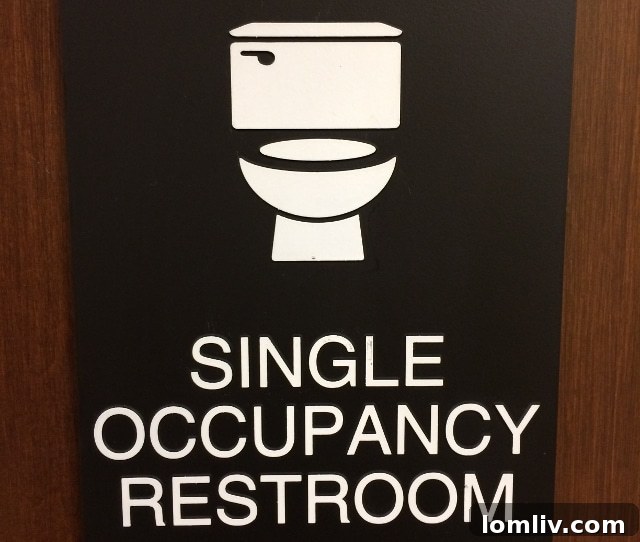
Peeve: The Paradox of Public Decorum – Porcelain Pleasures
Community meetings, by their very nature, are often spaces of earnest discussion and civic engagement. So, it was with a certain degree of cognitive dissonance that, after attending two such gatherings in as many months at the venerable Oak Lawn Methodist Church, I encountered a rather unexpected “mood-killer” of a sign. This sign, prominently displayed near the facilities, carried an unspoken but clear message, hinting at prohibitions regarding activities not typically associated with ecclesiastical settings. It effectively served as a stern, silent guardian of propriety, dampening any lingering romantic notions one might harbor in such a public space.
My mind couldn’t help but wander back to my misspent, discothèque-fueled youth. Had such vigilant signage existed during those days of black-lit air and unbridled revelry, I daresay there would have been considerably less “romance” – or at least, significantly more awkward pauses. The sign prompted a humorous, if slightly cynical, internal debate: seeing this sign today made me wonder if I had perhaps missed a crucial “trick” by choosing the path of atheism instead of Methodism. It’s a fascinating glimpse into the sometimes-clashing worlds of public gathering, institutional morality, and personal freedom. While the intention might be to maintain order and respect within a sacred space, the execution can often be perceived as overly prescriptive, injecting an element of self-consciousness that detracts from the intended purpose of community gathering. Such signs, while perhaps necessary in some contexts, certainly have a way of bringing a dose of unexpected seriousness to otherwise innocuous situations, transforming a simple trip to the restroom into a moment of amusing reflection on societal norms.
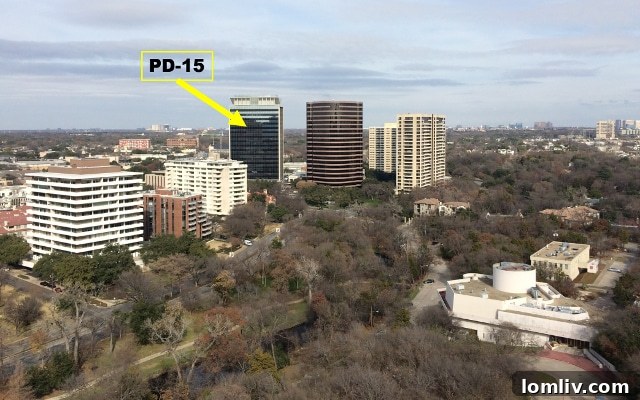
Praise: A New Horizon – Rooms Without a View (of the Past)
My Penthouse Plunge has delivered more than just a change of address; it’s provided a profound shift in perspective, both literally and figuratively. The view from my new abode is nothing short of spectacular, a panoramic tapestry woven with the architectural genius of some of America’s most celebrated minds. From my windows, I can appreciate the distinctive works of Frank Lloyd Wright, the enduring designs of George Dahl, and even a building whose lineage to Howard Meyer is perhaps a touch more debatable, yet still adds to the rich visual landscape. It’s an inspiring daily backdrop, a constant reminder of the city’s architectural heritage.
What truly elevates this experience, however, is what the view decidedly does not include: any glimpse of my prior home in PD-15. This absence, perhaps surprisingly, is a source of immense satisfaction. From any room, any angle, my former residence remains perfectly obscured. I daresay the entirety of what was affectionately (or perhaps infamously) known as the “Pink Wall” is thoroughly masked by the distinctive butterfly-roofed Two Turtle Creek building, standing resolutely at the intersection of Blackburn and Preston Roads. This deliberate visual break isn’t merely coincidental; it represents a significant psychological separation. Considering the enduring band of passionate, occasionally vitriolic, “hate mail” I continue to generate from the old neighborhood, this visual clean slate feels like a definitive win-win situation. It symbolizes a new chapter, free from the entanglements and echoes of past community dynamics, allowing me to fully immerse myself in the present and appreciate the fresh perspectives my new “rooms without a view” truly offer. It’s a clear demonstration of how a change in environment can provide not just physical space, but also valuable emotional distance and a renewed sense of peace.

Praise: Laughter from Down Under – Discovering The Other Gleeson
In a delightful twist of fate, my recent travels led me to a discovery that brought much-needed laughter into my life: an Australian comedian named Tom Gleeson. The phonetic link to the legendary American comedian Jackie Gleason is undeniable, but beyond the similar-sounding surname, both men share a remarkable talent for comedy, albeit with their own distinct styles. My stumble upon Tom Gleeson was through his appearances in a wonderfully sharp, Daily Show-esque program from Australia called “The Weekly with Charlie Pickering.” Each episode features a segment that quickly became my favorite: “Hard Chat.” In this segment, Gleeson masterfully, and often mercilessly, roasts a celebrity or politician, delivering biting wit and deadpan humor with a precision that is both cringe-worthy and utterly hilarious. He exposes absurdities and hypocrisies with an ease that makes for truly compelling viewing.
Thanks to the global reach of YouTube, one can now delve into nearly 60 of these three-to-five minute segments. If you’re looking for a starting point, one of the funniest, which I highly recommend, can be found here. While the nuances of Australian political satire might occasionally fly over the heads of international viewers, the fundamental truth remains: politicians, regardless of their nationality, are universally lampoonable targets. Gleeson’s humor transcends cultural barriers through its astute observation of human nature and public personas. His comedic genius also shines in his game show, “Hard Quiz,” where he playfully riffs on contestants, creating genuinely funny and spontaneous interactions. The grand prize on this show? A coveted, if somewhat absurd, “big brass mug.”
But the true jackpot for any fan of intelligent comedy comes from Gleeson’s own website. Here, you can conveniently order downloads of several of his stand-up acts. Thanks to favorable exchange rates, the already modest price of AU$5 for these downloads translates to an even more appealing US$3.48 for American audiences. This is an absolute steal, offering hours of sophisticated, gut-busting laughs for less than the price of a coffee. (A useful tip for new viewers: when Gleeson refers to the “ABC,” he is speaking of the Australian Broadcasting Corporation, which is a publicly-funded national channel, akin in spirit and function to the BBC in the United Kingdom.) I acknowledge that this last praise segment has little to do with real estate or Dallas – a sentiment echoed earlier with my bacon confessional – but sometimes, in the midst of navigating life’s daily annoyances and responsibilities, one simply needs a good, hearty laugh. And these days, finding truly clever and engaging humor often requires venturing beyond familiar territory, sometimes as far as the Land Down Under, for a refreshing dose of comedic relief.

Remember: My professional focus and passion lie deeply within the intricate world of high-rises, the dynamics of Homeowners Associations (HOAs), and the transformative potential of property renovation. Beyond these core areas, I also hold a profound appreciation for both modern and historical architecture, always considering how these elements balance against the evolving landscape of urban development and the pragmatic, often spirited, YIMBY (Yes In My Backyard) movement. My commitment to insightful commentary and quality writing has been recognized by the National Association of Real Estate Editors, who honored my work with three Bronze awards in 2016, 2017, and 2018, alongside two Silver awards in 2016 and 2017. These accolades underscore a dedication to exploring the multifaceted narratives within real estate and urban living. Should you have a compelling story to share, an innovative project to discuss, or perhaps even a grand marriage proposal to unveil (you never know where inspiration strikes!), please don’t hesitate to reach out via email at [email protected]. While you are most welcome to embark on a quest to find me on Facebook and Twitter, be forewarned: I appreciate your effort, but your search might prove to be a rather elusive one.