Dallas, a city known for its dynamic growth and evolving cityscape, faces continuous challenges in balancing aggressive development with the preservation of its unique character and cherished natural assets. Earlier this week, a discussion on the city’s approach to its skyline resonated deeply with thousands of readers, sparking vital conversations about urban planning and aesthetic integrity. This widespread concern underscores a critical point: Dallas’s development often appears to proceed with a remarkable disregard for its surroundings, particularly its most celebrated natural feature – the Trinity River.
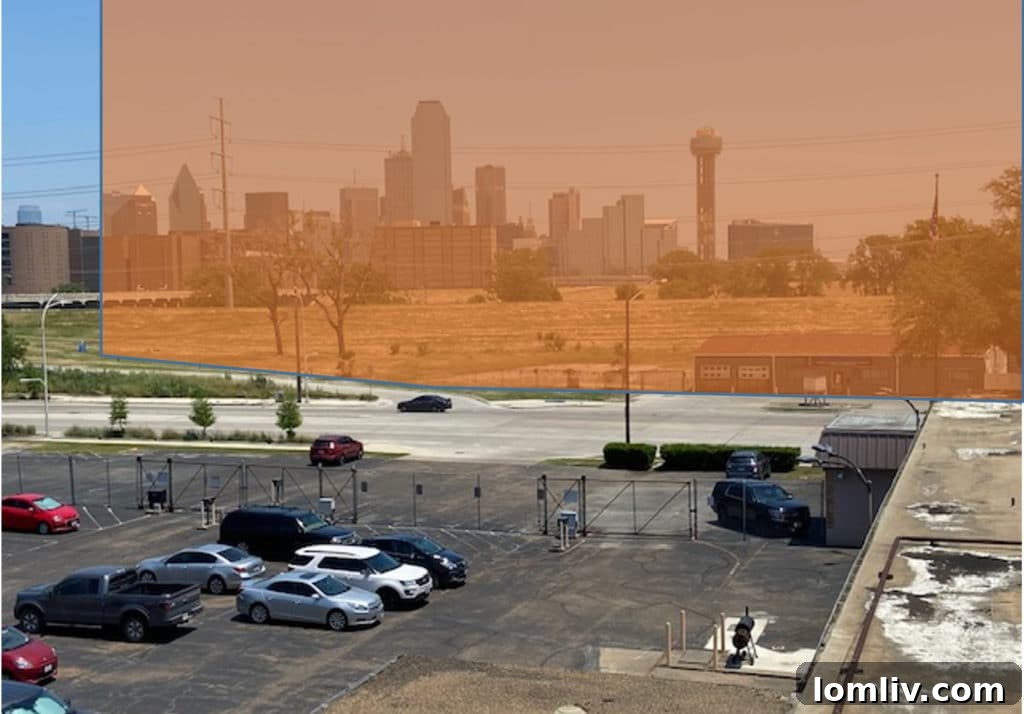
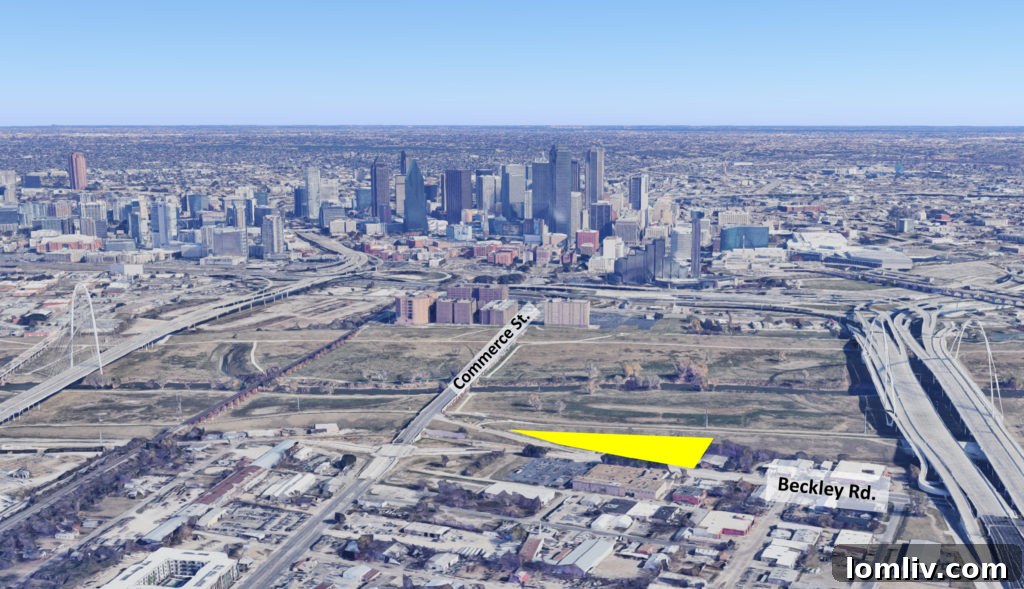
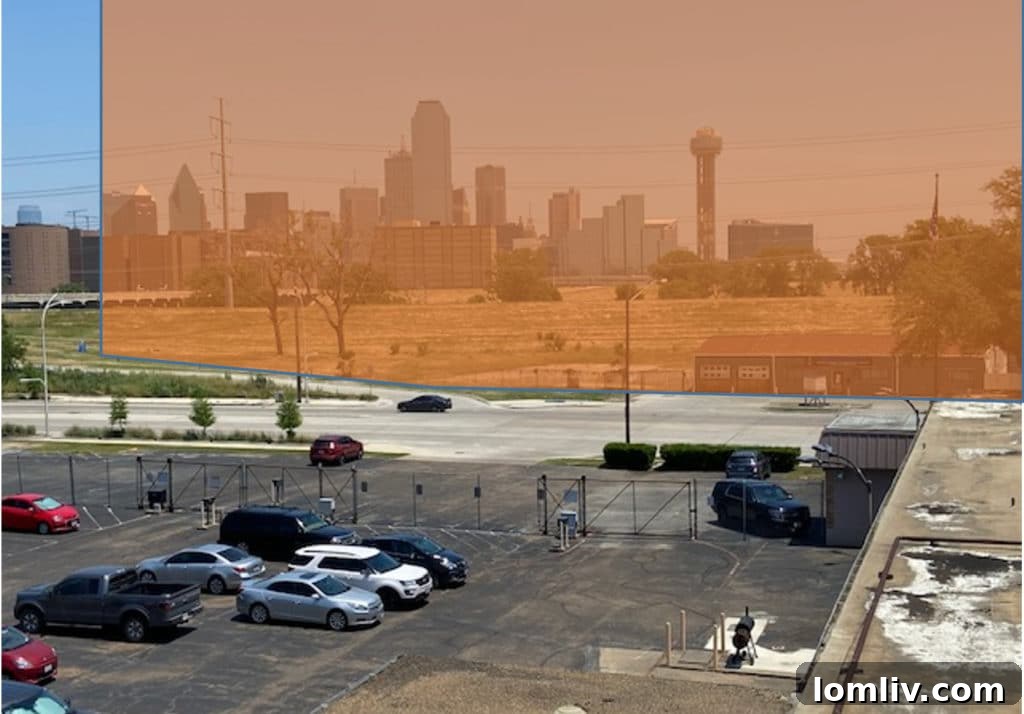
This sentiment is brought into sharp focus by Case Z190-226, an upcoming proposal before the Plan Commission that perfectly illustrates this pattern. The case involves a trio of parcels, collectively spanning 2.02 acres, strategically located off Commerce Street. This prime real estate borders the western edge of the Trinity River, nestled precisely between the iconic Santiago Calatrava bridges on Beckley Avenue. As indicated by the yellow triangle in the map above, any construction on this site is guaranteed to command unparalleled, breathtaking views of downtown Dallas across the serene Trinity River, a prospect highly attractive to developers and residents alike.
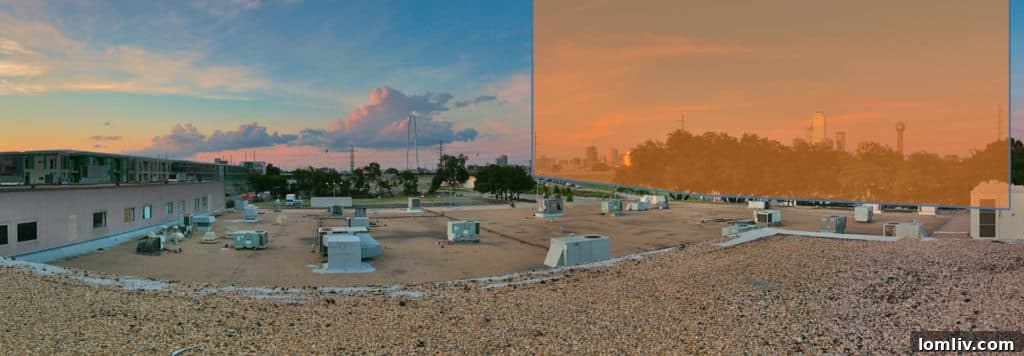
However, the allure of these views comes with a substantial caveat and long-term implications for Dallas’s urban fabric. A high-rise development here would not merely occupy a desirable location; it would establish a significant precedent for future high-rises along the entire Trinity River corridor. Such a development risks dramatically altering the panoramic downtown vistas currently enjoyed from the west, potentially initiating what many fear could become a “walled blight.” This outcome would not only diminish the aesthetic appeal of the Trinity Skyline Trail and its adjacent parklands but also fundamentally reshape the city’s relationship with its vital riverfront, transforming it from an open vista to a canyon of concrete and glass.
Unpacking the Proposed West Dallas Development: A Zoning Transformation
To fully grasp the implications of Case Z190-226, it’s essential to understand the current landscape and the developer’s ambitious aspirations. Presently, the 2.02-acre site is zoned for IR (Industrial Research), hosting various single-story automotive repair businesses. This zoning classification, while permitting certain industrial activities and offering limited height allowances, significantly restricts residential use and typically implies a specific scale and type of development.
Developer Mill Creek, a prominent name in the multi-family sector, is seeking a fundamental change to this established zoning. Their proposal involves rezoning the parcels from IR to MU-2 (Mixed-Use), a designation that would permit the construction of a substantial apartment building, potentially incorporating ground-level retail spaces to serve residents and the wider community. This shift, however, is not straightforward; it necessitates considerable adjustments and potentially a departure from the standard MU-2 designation, indicating a project of unusual ambition and scale that stretches the boundaries of conventional zoning practices.
West Dallas, particularly this section adjacent to the Trinity River, has rapidly become a burgeoning hub for apartment construction. New complexes are rapidly emerging along every major artery crossing the river, transforming areas once dominated by warehouses and light industrial operations. This redevelopment trend is understandable; urban cores worldwide are increasingly prioritizing residential density near downtown amenities, reflecting evolving lifestyle preferences and the desire for shorter commutes. While the general shift from industrial land to residential use in such a close proximity to downtown Dallas is a sensible evolution, the critical questions revolve around the quality, scale, and long-term impact of these new developments on the urban fabric and the precious river corridor. What’s commonly seen are often uninspired, five-story structures featuring four levels of apartments above ground-floor retail or restaurant space, all too often surrounding massive, visually intrusive above-ground parking garages. While the author acknowledges the necessity of urban transformation, the critical questions revolve around the quality and long-term impact of such development on the urban fabric and the precious river corridor.
Decoding the Development Details: Zoning, Height, and Unprecedented Density
A closer look at the technical specifications reveals the significant divergence between existing zoning allowances and Mill Creek’s ambitious plans. The current IR zoning, while theoretically allowing structures up to 200 feet in height, imposes a Floor Area Ratio (FAR) of 2:1 at best. FAR is a critical urban planning tool that dictates the maximum amount of floor space a building can have in relation to the size of the lot. A 2:1 ratio means that for every square foot of land, a developer can build two square feet of building space. Consequently, unless one is constructing an exceptionally slender “needle building,” the IR zoning typically does not facilitate a 200-foot tall structure in practice, especially for conventional apartment complexes designed for broad appeal.
Mill Creek’s request pushes these established boundaries considerably. They are seeking a base height of 95 feet, with an allowance to increase this to an imposing 160 feet—equivalent to approximately 14 stories—if they incorporate a mere 10 percent of affordable housing units into the project. This incentive mechanism, while ostensibly intended to promote housing affordability, also serves as a significant driver for increased density and height, fundamentally altering the scale of development. The developer initially proposed a base unit count of 100, which would then be boosted to a total of 350 units upon the inclusion of the affordable housing component.
Interestingly, city staff recommendations have gone even further, proposing to increase the maximum unit count to 360, ten more than the developer’s initial request. This higher density is also contingent upon the same 10 percent affordable housing contribution, structured through two “trip levers.” This raises immediate questions about the thoroughness and appropriateness of the city’s evaluation, and whether it is adequately assessing the broader implications of such high density in this sensitive and visually prominent riverfront location. The enthusiasm for additional units, even with the affordable housing component, seems to overlook the significant urban planning and environmental concerns raised by a project of this scale.
A Stark Contrast in Floor Area Ratio: Signaling Unprecedented Density
The documentation regarding the Floor Area Ratio (FAR) for this project is notably opaque, or as the original article states, “very cagey.” While listing FAR as 1:1 for non-residential use, it boldly declares “no maximum residential floor area ratio.” This omission is highly concerning, as it allows for an unprecedented level of density compared to the site’s existing zoning and established urban development norms in Dallas, effectively removing a crucial planning control.
A quick, albeit conservative, calculation reveals the astonishing proposed FAR. Considering a lot size of 87,991 square feet, assuming 80 percent lot coverage for the first eight floors (including potential parking levels), and stipulating 35,000 square feet per floor for the upper six stories (floors 9-14), the total residential square footage could reach approximately 773,142 square feet. Dividing this by the lot size (87,991 square feet) yields an FAR of approximately 8.79:1. Even when excluding the three potential parking levels, the FAR remains a significant 6.86:1. This is a dramatic leap from the current IR zoning’s 2:1 FAR—representing more than a four-fold increase in density. While precise calculations can vary slightly depending on the exact architectural footprint, this approximation strongly suggests an extraordinary departure from standard development metrics for this type of location.
To put this into perspective, highly dense, luxury developments in established upscale Dallas neighborhoods typically operate within much tighter FAR constraints, often mitigating their bulk with underground infrastructure. For instance, the new Truluck’s building on McKinney Avenue, a premium development in a bustling urban core, boasts an FAR of 7.48:1, critically, with all parking situated underground. Similarly, Granite’s original proposal for a signature building near Crescent Court on Cedar Springs Road began at a 6:1 FAR before being scaled down, also featuring entirely underground parking. These comparisons highlight that the proposed FAR for the Trinity River site is not only substantially higher but also lacks the crucial mitigation of subterranean parking, which significantly reduces urban footprint, visual impact, and preserves valuable public space.
The Hidden Plan: Is a Cost-Driven Design the Real Goal?
While the proposal outlines a potential 14-story structure, it’s plausible that the developer’s true intent aligns with a more cost-effective, albeit less publicly appealing, eight-story design. Developers often strategically present higher-density plans to gain initial approval for significant zoning changes, with the flexibility to scale back or alter certain components later, thereby achieving their desired development at a lower cost. In a scenario where the affordable housing bonuses are forgone—a common occurrence given developers’ general aversion to these mandates—the project could materialize as an eight-story building, comprising three levels of concrete garage topped by five stories of brick, stick, and stucco construction. This configuration would still result in a substantial 6.4:1 FAR, or 4:1 if the garage space is excluded from the calculation, which is still far beyond the existing zoning for the site.
The primary driver for such an alternative design is often construction cost. Buildings exceeding eight stories typically require more robust and expensive construction methods, primarily steel and concrete, which can add approximately one-third to the overall construction budget. By limiting the height to eight stories, developers can utilize more conventional, and thus cheaper, construction techniques. This potential pivot raises serious concerns about the city’s long-term vision for the area versus short-term developer interests, particularly when it comes to the quality, durability, and aesthetic longevity of structures impacting such a vital urban artery as the Trinity River. Approving a higher-density zoning without clear commitment to the higher-quality construction expected of a 14-story building could leave Dallas with an inferior structure in a prime location.
Parking Challenges: Above-Ground and Under-Serving Community Needs
One of the most contentious aspects of Mill Creek’s proposal is its approach to parking: it is entirely above-ground. While this design choice undoubtedly allows the residential units to maximize and “harvest” the sought-after city views, as the parking levels will face the 2-3 story tall Trinity River levee, it inevitably contributes significantly to the building’s overall bulk, visual impact, and the creation of potentially unsightly blank facades at street level. Thoughtful urban design often seeks to minimize the visual presence of parking structures, especially in such prominent locations.
Furthermore, the developer is requesting a significant reduction in mandated parking spaces. Standard multi-family zoning in Dallas typically requires one parking space per bedroom to accommodate the anticipated car ownership rates of residents. Mill Creek, however, is asking for merely one space per unit. This reduction raises serious concerns about parking spill-over onto surrounding streets. Is it genuinely realistic to assume that in this specific West Dallas location, which is not yet a highly pedestrian-friendly or transit-rich environment, only one person with a car will reside in each unit, or that every unit will be occupied by a single individual? Experience suggests otherwise, pointing to either a proliferation of exceptionally tiny units—potentially compromising livability and resident satisfaction—or, more likely, a future where local streets are perpetually clogged with residents’ parked vehicles. Such a scenario would exacerbate existing traffic congestion, diminish neighborhood quality of life, and place undue strain on local infrastructure and public services.
While a reduction in parking for ground-level retail or restaurant spaces might be more defensible, especially as the neighborhood matures and pedestrian activity increases, the blanket reduction for residential units in an area not yet fully supporting a car-free lifestyle seems premature and ill-advised. Thoughtful urban planning typically advocates for reduced parking only in highly transit-accessible areas or where robust alternative transportation options are readily available, a description that may not fully apply to this specific West Dallas locale at present.
Parsimonious Landscaping: A Shallow Green Promise and Missed Opportunity
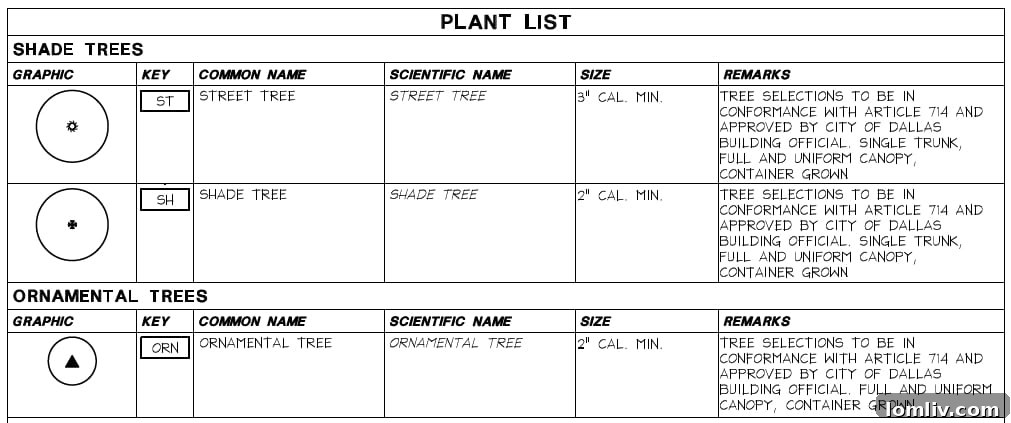
The proposed landscaping plan for the development appears to be remarkably understated, particularly for a project of this scale and prominence adjacent to a major natural amenity like the Trinity River. While documents may indicate a significant number of trees, their specified dimensions reveal a parsimonious approach to green infrastructure. The main façade of the building is slated to feature only nine trees, each with a modest 3-inch diameter. The remaining 40 trees are even smaller, at a mere 2-inch diameter, optimistically categorized as “shade trees.”
This “fun size Halloween candy bar sizing,” as critically observed, raises serious questions about the actual environmental and aesthetic benefit these plantings will provide. How much effective shade can a 2-inch diameter tree offer, especially in the harsh, often scorching Dallas climate? The answer is very little, and for many decades to come, these saplings will struggle to provide any substantial environmental benefit. Such minimal landscaping suggests a cost-cutting measure rather than a genuine commitment to enhancing the urban environment, mitigating urban heat island effects, or creating inviting public spaces that complement the riverfront. Proper urban development, especially alongside a vibrant river park, demands robust, mature landscaping that contributes meaningfully to ecological health, aesthetic appeal, and community well-being from the outset, rather than relying on undersized, cheap plantings that will take generations to mature, if they survive at all in an urban setting.
Garbage, Loading, and the Compromise of the Trinity River Experience
The practical considerations of building operations, specifically garbage collection and loading docks, present another significant point of contention for this sensitive riverfront location. The natural, and indeed, most logistically straightforward, placement for these essential but often unsightly functions would be in the interstitial space between the proposed building and the Trinity River levee. This decision, while convenient for the developer in terms of site logistics, carries direct and negative implications for the public realm and the integrity of a cherished urban amenity.
For individuals utilizing the popular Trinity Skyline Trail, this translates into an unwelcome visual and olfactory experience. Walkers, joggers, and cyclists enjoying the riverfront will be confronted with the sights and sounds of garbage collection and routine truck traffic operating conspicuously within what is designated as the “Trinity River setback.” This directly contradicts the aspiration to create a pristine, enjoyable, and uninterrupted urban natural preserve along the river. A thoughtful urban design for such a prominent site would integrate service functions more discreetly, perhaps through underground facilities or carefully screened and enclosed service courts, ensuring that the public’s enjoyment of the river and its trails remains uncompromised by the mundane necessities of building operations.
Transparency Deficit: A Development Shrouded in Secrecy and Distrust
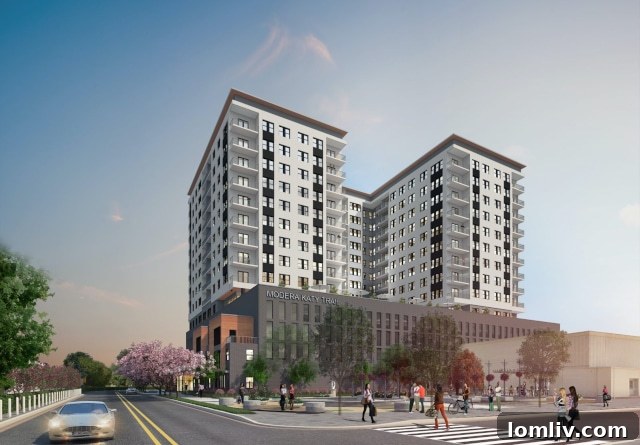
Perhaps one of the most alarming aspects of Mill Creek’s proposal is the complete absence of visual representations. The developer has provided zero pictures or architectural renderings of their planned building to any party—neither to the immediate neighbors, to city staff, nor to the Plan Commission itself. This profound lack of transparency is utterly unacceptable and fundamentally undermines the very principles of good urban planning, community engagement, and democratic process.
Community members, who have been actively requesting these essential visuals for months to understand the project’s impact, are paradoxically tasked with submitting their support or opposition ballots to the city, essentially having to vote “sight unseen.” This is not only a profound disservice to the residents, denying them the right to informed participation, but also places city staff and the Plan Commission in an untenable position. How can a public body, entrusted with making critical urban development decisions that will shape the city for decades, reasonably vote on a project without having seen any visual representation of its design, massing, scale, or aesthetic integration into the urban fabric? Such a process is, to put it mildly, complete “BS.” A developer who demands trust without providing basic visual evidence of their intentions is a developer whose motives and commitment to responsible, community-centric design should be immediately and thoroughly questioned.
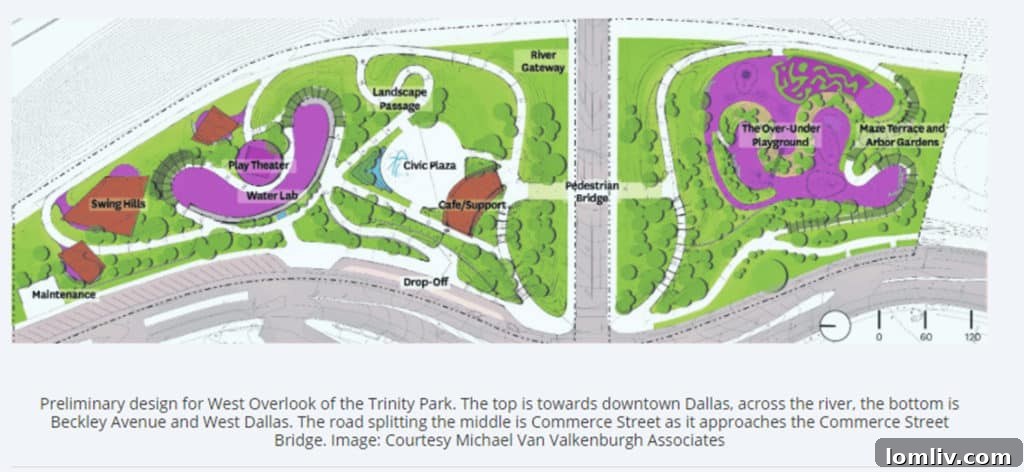
Considering the planned preliminary park area situated between the levees at Commerce Street—the north-south road in the graphic above—it is easy to understand why this proposed building seeks to overlook such a valuable amenity. But the critical question remains: should it? If Dallas is genuinely committed to prioritizing the Trinity River for the enjoyment and benefit of its citizens, is it acceptable to permit a potentially 14-story tower to loom over this vital green space? Especially when its required fire lane necessitates maintaining an access road that detracts from the park’s integrity and aesthetic appeal? Furthermore, if one such tower is permitted, it sets a clear and dangerous precedent for more. There is a high probability that the Trinity River will eventually become lined with numerous high-rises, all vying to “soak up the views,” potentially creating a continuous wall of development that permanently disconnects the city from its river.
As a city, its residents, and its civic leaders, we deserve to know precisely what will be built, presented through concrete plans and detailed architectural renderings, rather than relying solely on a developer’s vague promises and “wing and a prayer” assurances. Transparency is not merely a courtesy; it is a fundamental requirement for responsible urban governance.
The Call for Coherent Urban Planning in West Dallas: Beyond Piecemeal Development
The current approach to development in West Dallas can best be described as piecemeal and disjointed, a “higgledy-piggledy” collection of individual projects rather than a thoughtfully integrated community. This contrasts sharply with successful urban environments like Dallas’s own West Village, whose functionality, aesthetic appeal, and vibrant community life are largely attributable to meticulous planning and a cohesive master vision. While the comparison may not be directly tied to this specific area’s historical context, the principle holds true: uncontrolled, opportunistic development often leads to fragmented urban landscapes that lack character, coherence, and essential community amenities, ultimately diminishing the quality of life for residents.
Currently, West Dallas is experiencing a significant surge in development, yet it largely proceeds without a central, guiding master plan. Each developer operates independently, prioritizing their individual project’s profitability with little accountability for its broader impact on the neighborhood’s overall liveability, connectivity, or aesthetic. If the city genuinely desires West Dallas to evolve into a vibrant, well-functioning, and desirable neighborhood—one that effectively serves its residents and integrates seamlessly with key public assets like the Trinity River—a comprehensive master plan is not just desirable; it is absolutely essential. Such a plan would provide a coherent framework for future growth, ensuring that new developments contribute positively to the area’s identity, infrastructure, public spaces, and long-term sustainability, rather than undermining them through ad-hoc construction and short-sighted decisions.
Summarizing the Concerns: A High Price for Blind Development
The Z190-226 case is far more than a routine zoning request; it represents a pivotal moment for Dallas’s urban development philosophy, potentially setting a detrimental precedent for the future of the Trinity River corridor. If approved in its current form, this project risks initiating a process that could effectively “canyonize” the Trinity River, blocking not only iconic city views but also casting long shadows and darkening the invaluable Trinity River park and its extensive trail system, thereby reducing its public enjoyment and ecological value.
In a burgeoning area where new apartment buildings are typically constrained to five stories, Mill Creek’s ambition to construct a potentially 14-story edifice stands out as an enormous outlier, raising serious questions about equitable development standards and architectural context. The project’s proposed design places garbage collection and truck traffic directly in the visual path of Trinity Skyline Trail walkers, transforming a scenic natural experience into a mundane encounter with urban utility. Furthermore, the sheer scale of the proposed Floor Area Ratio (FAR) increase—far beyond existing allowances—is alarming, especially given the complete absence of any publicly available architectural renderings. This glaring lack of visual information leaves critical stakeholders, from immediate neighbors to city council members, to make momentous decisions entirely in the dark.
Financially, the developer benefits significantly from transparently cost-saving measures such as entirely above-ground parking and the strategic positioning of units to avoid any less desirable, below-levee views, thereby maximizing potential rental income at the expense of sound urban design principles. Coupled with parsimonious landscaping, featuring “thin trees” that will offer minimal shade for decades, and aggressive parking reductions that will inevitably generate continuous spill-over parking onto already constrained public streets, this project appears to prioritize developer profits over genuine community benefit, environmental stewardship, or thoughtful urban integration. This pattern suggests a singular focus on immediate financial gains, potentially at the expense of Dallas’s long-term urban vitality.
The Legacy of the Trinity and the Future of Dallas Design: A Call for Higher Standards
The Trinity River holds profound significance for Dallas. Having been famously saved from becoming a tollway, with ongoing plans for structured park land and enhanced public access, this critical natural asset deserves nothing less than the highest standards of adjacent new construction. This project forces a crucial question upon the city: should developments bordering the revitalized Trinity River be held to a demonstrably higher design standard, reflecting its immense ecological, recreational, and aesthetic value to the Dallas community? The answer, unequivocally, should be yes.
Personal architectural preferences aside—the author confesses to never having encountered a Mill Creek building preferred over an empty lot, and seriously doubts if this proposal will aesthetically surpass the prison across the river, even with the addition of balconies—the broader issue at stake is the city’s commitment to quality urban design. One is compelled to ask: are these the developers who possess the vision and capability to deliver a building truly worthy of sacrificing so much for, especially at such a sensitive and iconic location? Readers are encouraged to review Mill Creek’s portfolio to form their own informed opinions on their architectural track record and suitability for this monumental task. The public deserves to scrutinize whether a developer’s past work aligns with the aspirations for a world-class riverfront development in Dallas.
Ultimately, would any genuinely smart city willingly relinquish valuable development rights for an oversized, under-parked, and—most critically—unseen project in a first-class location that borders a nascent river walk park and directly faces the iconic downtown skyline? The very notion seems antithetical to responsible urban governance and long-term city planning. The perplexity deepens when considering how city staff could recommend such a project, or how the Plan Commission could even proceed with discussions, let alone voting, without having reviewed comprehensive visual representations. If this project gains approval in its current form, the fundamental question remains: how can the City Council adequately evaluate and sanction an unseen, largely speculative development that will shape Dallas’s future?
The upcoming decisions by the Plan Commission and City Council will be telling. They will reveal whether these bodies choose to walk into their voting booths as blindfolded as city staff appears to have already been for this critical project, or whether they will demand the transparency, thoughtful planning, and high design standards that Dallas and its cherished Trinity River truly deserve, ensuring a legacy of quality over expediency.