Elevating Your Lifestyle: The Growing Trend of Residential Elevators for Accessible and Luxury Homes
In the evolving landscape of modern home design, the concept of a “totally accessible home” is no longer a futuristic dream but a tangible reality, rapidly gaining popularity among discerning homeowners. Residential elevators are revolutionizing how people interact with their living spaces, offering an unparalleled blend of convenience, luxury, and long-term practicality. This innovative shift empowers individuals to effortlessly access every level of their property, ensuring comfort, safety, and independence for many years to come.
Leading this transformative movement is Joe Williams, the visionary CEO and founder of Dallas-based Elevating Systems. With an impressive career spanning over 25 years, Williams has dedicated himself to helping clients achieve truly accessible homes. His expertise ensures that every space within a residence can be comfortably and safely reached, effectively future-proofing homes against the evolving mobility needs of their occupants and enhancing their overall functionality.

The Surging Demand for Home Elevators: Addressing an Aging Population and Modern Living
Joe Williams has witnessed a dramatic increase in the demand for residential elevators, primarily attributing this surge to the growing needs of an aging population. As more individuals embrace the concept of “aging in place” – choosing to remain in their familiar and beloved homes rather than transitioning to assisted living facilities – the necessity for a barrier-free living environment becomes paramount. In metropolitan areas like Dallas-Fort Worth, where multi-story homes and “building up” trends are prevalent, a fully accessible home is no longer just a luxury but an essential component of sustainable living.
The architectural trend of “building up” is clearly visible across the DFW region, from sophisticated townhomes in Park Cities to expansive custom estates in Frisco. Many homeowners meticulously design and build their dream residences with the intention of living there for decades. However, as the natural process of aging introduces potential mobility challenges, stairs can transform from a minor inconvenience into a significant obstacle, and even a serious safety hazard. Integrating a home elevator proactively addresses these concerns, offering a secure, effortless, and elegant solution for vertical transportation within the home.
Beyond the critical aspect of accessibility, the addition of a residential elevator bestows a distinct touch of luxury and modern style upon any property. This feature not only significantly boosts a home’s market value but also guarantees comprehensive accessibility and enhanced comfort for all residents for many years into the future. It’s an investment that combines practical functionality with elevated aesthetics, appealing to a broad spectrum of homeowners.
Joe Williams’ Path to Accessibility: From Medical Equipment to Elevating Homes
Joe Williams’ profound understanding of accessibility solutions is rooted in a diverse and enriching professional journey. His career didn’t start within the elevator industry; rather, he initially honed his skills in trade school before taking on a sales representative role at a prominent durable medical equipment firm in Dallas. This early experience provided him with invaluable insights into products designed to foster independence and mobility, including essential items like walkers, wheelchairs, motorized scooters, and specialized accessibility aids such as stairway chair lifts.
The firm’s scope expanded significantly following the introduction of ADA (Americans with Disabilities Act) legislation, leading them to install wheelchair lifts in various public and commercial settings, including schools, churches, and businesses. Williams astutely recognized a natural and logical progression from these institutional accessibility solutions to the burgeoning need for personal accessibility within private residences. “It was a natural progression to offering home elevators to fill our clients’ needs,” Williams recalls, underscoring his early vision for catering to the residential market.
The Genesis of Elevating Systems: A Commitment to Enduring Accessibility
Recognizing an undeniable market opportunity and driven by his passion for enhancing home accessibility, Joe Williams founded Elevating Systems in 2003. His primary objective was to establish a company dedicated exclusively to providing comprehensive home elevator solutions, meticulously tailored to meet the evolving demands of both homeowners and custom home builders. Since its inception, Elevating Systems has solidified its reputation as a leading and trusted authority in residential accessibility, upheld by an unwavering commitment to superior quality, innovative design, and exceptional client satisfaction.
“I see an ever-increasing demand for our products,” Williams states with conviction. Elevating Systems actively engages in collaborative partnerships with a diverse network of professionals, including architects, custom home builders, and individual end-users. This integrated approach ensures that every residential elevator installation is precisely planned and impeccably executed, thereby guaranteeing that the home can be fully utilized and thoroughly enjoyed for many years, often extending to several decades, into the future. Whether integrated during initial construction or carefully retrofitted into an existing structure, Elevating Systems is dedicated to creating adaptable and lasting living environments.
Beyond Mobility: The Multifaceted Benefits of Integrating a Residential Elevator
The installation of a residential elevator offers a wealth of advantages that significantly transcend its primary function of addressing mobility challenges. It represents a strategic investment that profoundly enhances nearly every facet of home living, providing both immediate and long-term benefits:
1. Unparalleled Accessibility and Enhanced Independence
For individuals with mobility impairments, elderly family members, or those recuperating from injuries, a home elevator provides effortless and secure access to every floor of their residence. It effectively eliminates the physical strain, discomfort, and inherent risks associated with navigating stairs, thereby restoring a profound sense of independence and freedom within the comfort of one’s own home. This feature is particularly crucial for supporting “aging in place,” enabling homeowners to maintain their desired lifestyle and remain in their cherished property without compromise.
2. Elevated Luxury and Sophisticated Aesthetic Appeal
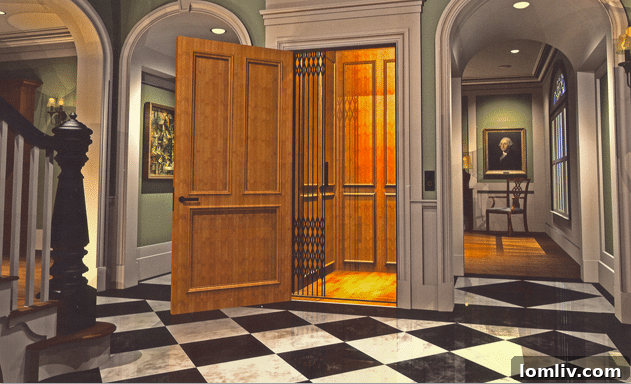
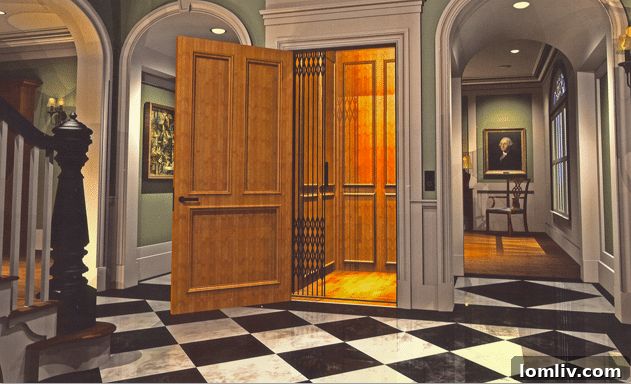
Contemporary home elevators are meticulously engineered systems that also serve as striking architectural features. With an extensive selection of interior and exterior finishes—ranging from rich wood panels and polished metals to sleek glass enclosures and modern laminates—along with customizable cab designs, elegant lighting options, and refined trim levels, residential elevators can be seamlessly integrated into any home décor, whether classic or ultra-modern. They impart an unmistakable touch of luxury, significantly enhancing the overall aesthetic and perceived value of the property.
3. Significant Increase in Home Value and Broadened Resale Potential
As previously highlighted, a home elevator is a powerful and attractive selling proposition in the real estate market. Joe Williams shares an insightful anecdote about a real estate agent who reached out to him after prospective buyers of a large home consistently inquired, “where could we put an elevator?” This firsthand account emphatically illustrates how residential elevators substantially broaden a property’s market appeal. They attract a wider demographic of potential buyers, particularly those planning for long-term occupancy or prioritizing ultimate convenience and accessibility, thereby significantly boosting the home’s resale value and overall desirability.
4. Unparalleled Convenience for Daily Living
Beyond individual mobility, home elevators provide extraordinary convenience for a multitude of daily household tasks. Transporting heavy groceries, numerous loads of laundry, cumbersome luggage, or even large pieces of furniture between floors becomes an effortless endeavor. This practical advantage significantly reduces physical strain and saves valuable time for all members of the household, making everyday life smoother and more efficient.
5. Strategic Future-Proofing for Your Home
Investing in a residential elevator is a proactive measure that secures the long-term viability and comfort of your home. It’s a strategic move to ensure your residence remains fully functional and comfortable as your life circumstances and needs naturally evolve over time. This foresight empowers homeowners to confidently plan on living in their cherished custom home for a lifetime, without the worry of future physical limitations forcing an unwelcome relocation.
Exploring Residential Elevator Options: Customization, Types, and Cost
The investment required for residential elevators can vary considerably, typically ranging from budget-conscious units around $20,000 to bespoke, ultra-luxury custom systems that may exceed $100,000. Elevating Systems proudly offers an extensive selection to accommodate diverse needs, preferences, and budgets. This range includes standard, reliable models that provide essential mobility and independence, as well as highly customized designs that add an extraordinary flourish of pizzazz – perhaps for seamless access to a sophisticated wine cellar, a multi-level library, or an attic entertainment space.
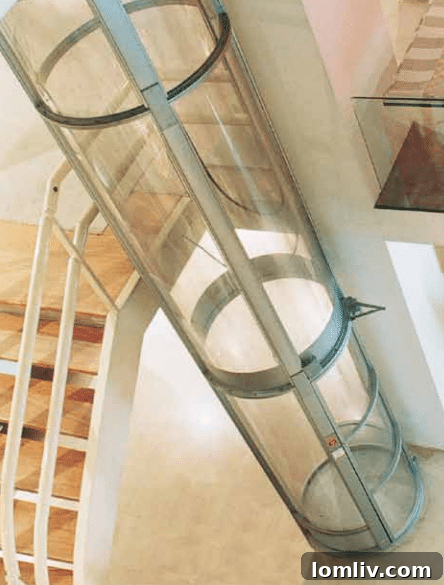
Residential elevators are available in several types, each with distinct advantages, including traditional hydraulic systems, efficient traction elevators, and the increasingly sought-after pneumatic vacuum elevators. Pneumatic elevators, as championed by Joe Williams, are particularly renowned for their innovative space-saving design and sleek, modern architectural aesthetic. These features make them an exceptional choice for contemporary homes or existing structures where maximizing space and integrating a minimalist look are key considerations.
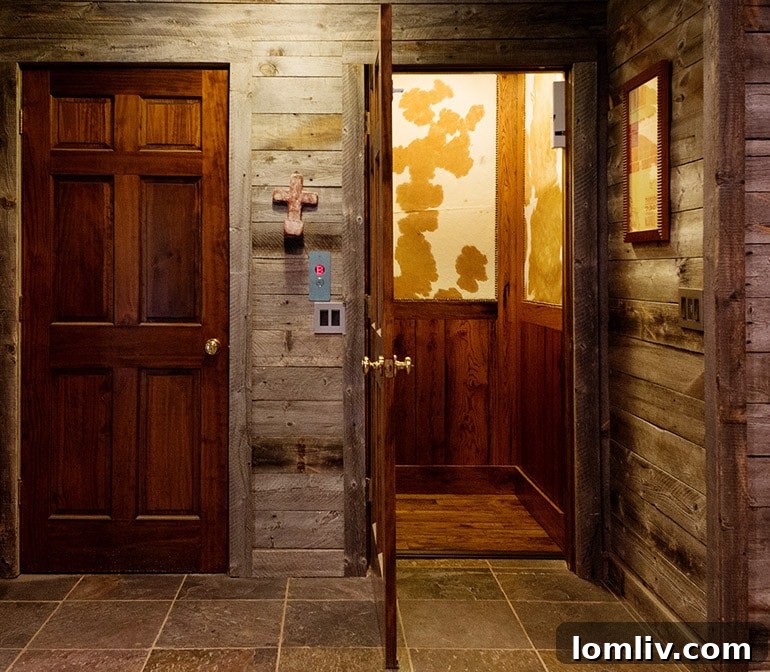
Customization is a cornerstone of selecting the perfect residential elevator. Homeowners are presented with an expansive palette of choices for interior and exterior finishes, ranging from elegant classic wood panels and gleaming polished metals to sophisticated glass enclosures and durable contemporary laminates. Furthermore, control panels, interior lighting fixtures, gate styles, and even the flooring within the elevator cab can be meticulously personalized to flawlessly harmonize with the home’s existing décor and the homeowner’s unique personal style, ensuring a truly integrated and aesthetically pleasing addition.
Installation Insights: Strategic Planning for a Seamless Integration
A critical insight that Joe Williams consistently emphasizes is that installing an elevator during the initial construction phase of a new home is significantly simpler, more efficient, and ultimately more cost-effective than attempting a retrofit installation later. When an elevator is factored into the blueprint of a new build, architects and custom home builders can seamlessly incorporate the necessary shaft space and structural supports, optimizing the home’s design and minimizing future disruptions.
“It’s easier to work with a builder during construction,” Williams advises. Even highly skilled builders, while expert in their craft, might not instinctively prioritize the precise structural and spatial requirements for an elevator shaft without explicit guidance from an elevator specialist. For optimal functionality, safety, and adherence to accessibility standards, most residential elevators require a footprint of approximately a five-foot-square space – comparable in size to a small walk-in closet. Integrating this space from the outset skillfully avoids the complexities of structural modifications, extensive utility rerouting, and the often-considerable additional expenses typically associated with post-construction installations.
Engaging a specialized and experienced company like Elevating Systems early in the home design process ensures that all technical specifications, stringent safety standards, and desired aesthetic preferences are meticulously met. Their expertise guarantees a smooth, efficient installation process and a perfectly integrated elevator system that functions flawlessly, significantly enhancing the home’s overall design, value, and livability.
Elevating Generations: Elevating Systems’ Enduring Commitment to the Future of Accessible Living
Joe Williams’ commitment to home accessibility extends far beyond individual installations; it is about actively shaping the future of inclusive living spaces. His company, Elevating Systems, is dedicated to continually serving the evolving needs of current and future generations, ensuring that homes remain functional, beautiful, and accommodating for everyone, regardless of their life stage or mobility requirements.
The burgeoning trend towards residential elevators is unequivocally clear: they are indispensable tools for profoundly enhancing accessibility, safeguarding personal independence, and adding a significant layer of luxury and practical convenience to modern homes. With the unparalleled expertise and unwavering dedication of companies like Elevating Systems, homeowners across Dallas-Fort Worth and beyond can confidently invest in innovative solutions that genuinely elevate their lifestyle and meticulously prepare their homes for whatever the future may hold. As Joe Williams so eloquently puts it, a home elevator does more than simply move people between floors; it expands the entire market for resale and secures a comfortable, independent, and enriched future for its fortunate occupants.