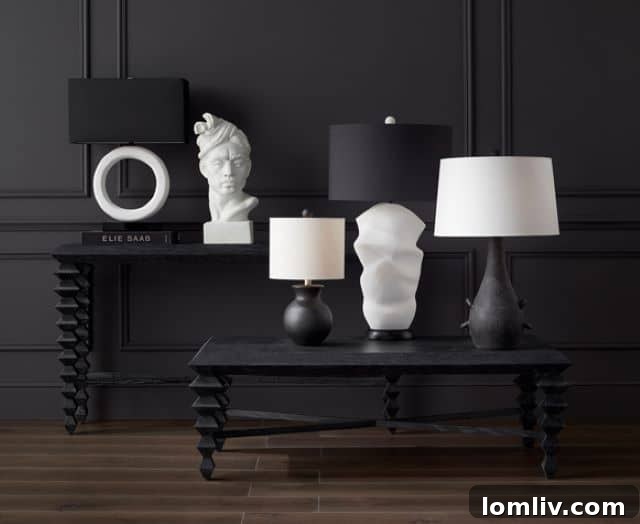
Illuminating Your Home: The Transformative Power of Modern Lighting Design
In an age where our homes have become the central hubs for work, relaxation, and social connection, the role of interior lighting has never been more critical. We’re spending unprecedented amounts of time within our living spaces, and this intensified focus has inevitably drawn our attention to the subtle yet profound impact of our lighting environments. For many, this closer examination reveals an unfortunate truth: our current lighting setups are often lacking, failing to meet both our aesthetic desires and our functional needs. Fortunately, the lighting industry stands as one of the most dynamic and innovative sectors in the design world, continually evolving to offer exquisite and ingenious solutions for every conceivable challenge.
Far beyond merely dispelling darkness, lighting possesses an incredible capacity to reshape our perception of a space and influence our very being. The quality, quantity, and type of light we receive can fundamentally alter our mood, regulate our sleep cycles, boost or diminish our energy levels, and even impact our productivity. It’s a foundational element of interior design, capable of transforming a mundane room into a vibrant workspace or a serene sanctuary. Even subtle shifts in illumination can affect something as primal as our appetite, proving that light is not just seen, but deeply felt.
The Profound Impact of Light on Well-being
Understanding the science behind light and its physiological effects is key to optimizing our home environments. The concept of “color temperature” is particularly insightful. Measured in Kelvin (K), cooler light temperatures, typically ranging from 5000K to 6500K (often described as crisp white or bluish-white light), are scientifically proven to enhance concentration, improve alertness, and boost productivity. This makes them ideal for task-oriented areas like home offices, kitchens, or workspaces where focus is paramount. Conversely, warmer light temperatures, falling between 2700K and 3000K (often called soft white or warm white), emit a more amber or yellowish glow, reminiscent of traditional incandescent bulbs or candlelight. These warmer tones are supremely conducive to relaxation, encouraging the body’s natural wind-down processes and preparing us for a restful night’s sleep. Bedrooms, living rooms, and dining areas benefit immensely from the cozy, inviting atmosphere created by warmer light, promoting comfort and calm.
Laura Van Zeyl, Vice President of Lighting for the Dallas Market Center and a respected authority in the field, emphasizes this often-overlooked aspect of lighting design. “We often think lighting is only about trends and design, but we’re now understanding how important the effect of the light is as well,” she notes. She highlights the common pitfall of relying solely on harsh, unflattering overhead recessed lighting. Instead, Van Zeyl advocates for a layered approach, suggesting that “layers of light are more functional for both tasks and how you appear on camera.” This strategy involves combining ambient (general), task (focused), and accent (decorative) lighting to create a dynamic and adaptable environment that supports various activities and enhances visual comfort.
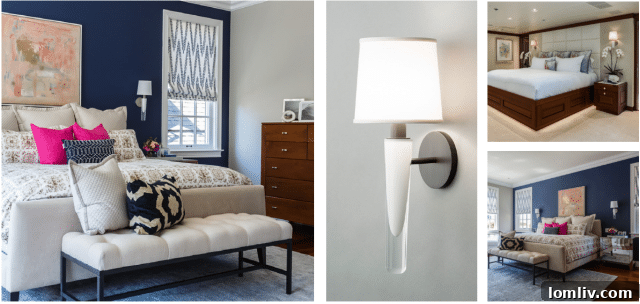
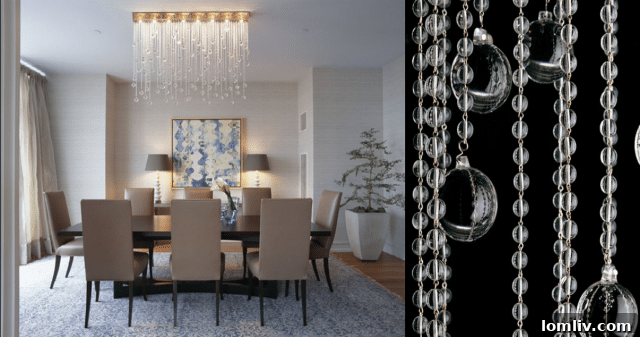
The LED Revolution: A Bright New Era in Lighting
For decades, our understanding of home illumination was largely defined by incandescent bulbs, which offered that familiar warm, cozy glow we cherished. The alternative was often the harsh, sometimes greenish, fluorescent lighting ubiquitous in commercial and institutional settings like offices, schools, and hospitals—a light quality few desired in their homes. This limited landscape underwent a dramatic transformation with the widespread introduction of LED lighting.
LED, an acronym for light-emitting diode, isn’t just another light source; it represents a paradigm shift. It is unequivocally the most energy-efficient lighting technology available today, consuming a fraction of the electricity of its predecessors. But its impact extends far beyond mere energy savings. LED technology has unfurled a universe of design possibilities previously unimaginable. Its journey from novelty to ubiquity has been remarkably swift. Just a decade ago, finding an LED bulb, let alone a compatible fixture, was a considerable challenge. Today, LEDs dominate the market, and the pace of innovation continues at a breathtaking speed, pushing the boundaries of what lighting can achieve.
Beyond Efficiency: Unlocking Design Potential with LED
“LED is the future,” declares Laura Van Zeyl, underscoring its transformative power. The compact size and directional nature of LED diodes free designers from the constraints of traditional bulb shapes, allowing for truly innovative and minimalist fixture designs. This flexibility means that lighting can be seamlessly integrated into architectural elements, creating clean lines and subtle illumination that enhances the overall aesthetic of a space. Furthermore, the advancements in LED technology mean that even cherished “legacy fixtures” can now be retrofitted with energy-efficient LED bulbs, ensuring that homeowners don’t have to sacrifice style for sustainability. The days of compromise are definitively over.
The Rise of Tunable LED Technology
Perhaps one of the most exciting innovations in the LED sphere is the advent of tunable LED light fixtures and bulbs. This ground-breaking technology empowers users to dynamically adjust the color temperature of their lighting with a single fixture or bulb. Imagine the flexibility: a bright, cool white light for morning tasks, gradually shifting to a softer, warmer glow as evening approaches, perfectly mimicking natural daylight cycles. This adaptability supports our circadian rhythms, promoting better sleep at night and heightened alertness during the day. Tunable LEDs offer unparalleled personalization, allowing homeowners to curate the ideal ambiance for any activity, mood, or time of day, all from one sophisticated lighting solution.
Leading the Way: Innovations from Industry Pioneers
At the forefront of this lighting revolution are companies that blend heritage with cutting-edge technology. Boyd Lighting, founded in 1921 by the grandfather of current Principal Schuyler Sweet, exemplifies this commitment to excellence and innovation.
Boyd Lighting: Crafting Elegance Through Shape and Form
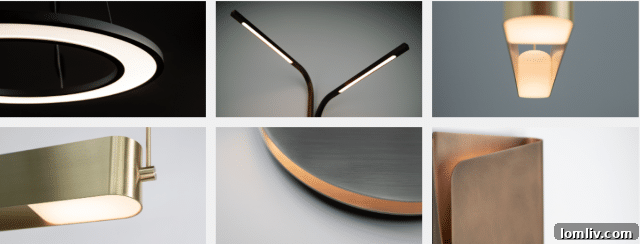
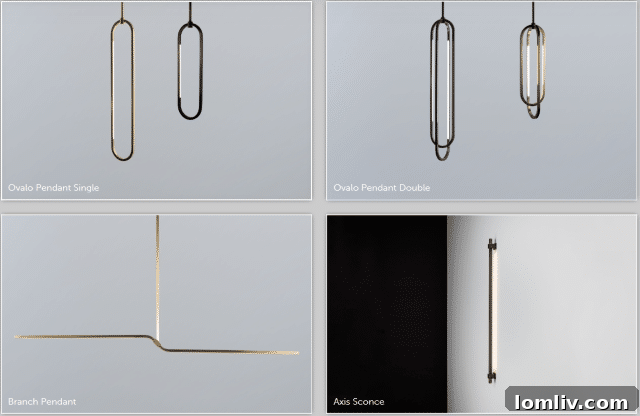
Schuyler Sweet highlights Boyd Lighting’s embrace of LED technology, stating, “Our last three launches have all been LED.” He eloquently describes the inherent advantages: “The beauty of LED is it allows you to design in new ways, and in tight spaces. It’s flexible, better for the consumer, and it’s phenomenally more efficient.” Indeed, the longevity of LED fixtures is remarkable, with most rated for an astonishing 50,000 hours—equivalent to over five years of continuous use. Sweet also confirms a significant advancement in LED quality: “The color temp has improved phenomenally, and those green and blue tones no one liked are gone,” assuring consumers of beautiful, consistent light output. For Boyd Lighting, current trends gravitate towards distinctive shapes and forms. Their latest capsule collection showcases elegant designs like the slender Ovalo Pendants, the versatile Branch Pendant, Sconce, Floor and Table Lamps, and the striking Axis Sconce, all demonstrating how LED enables creative expression through innovative silhouettes.
Curry & Company: Embracing Nostalgia and Natural Beauty
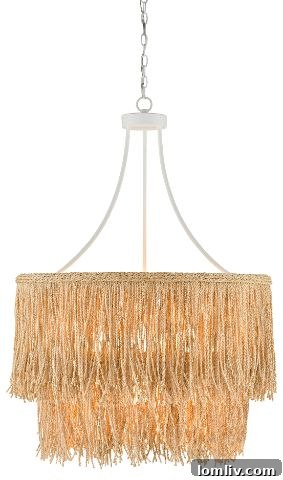
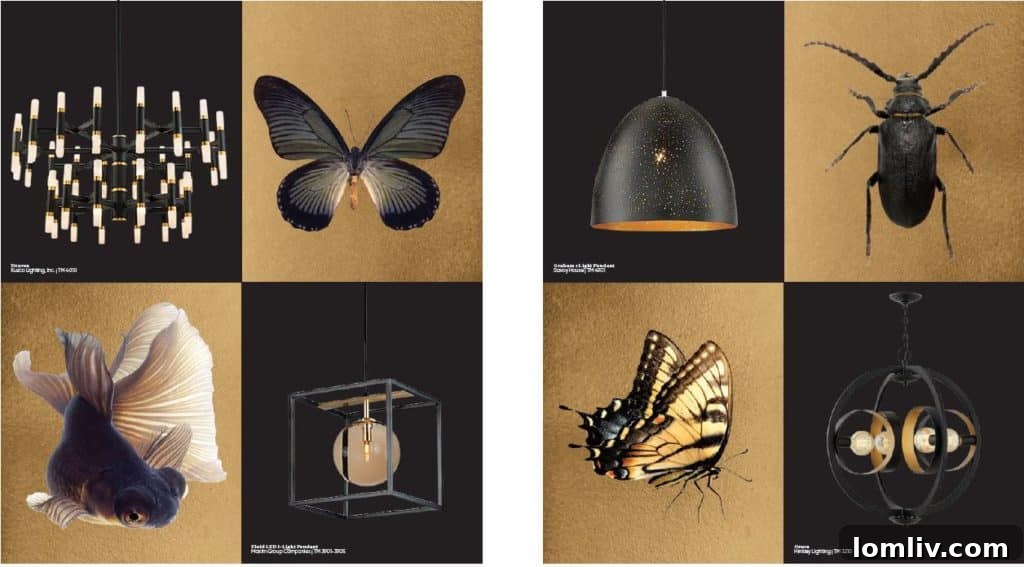
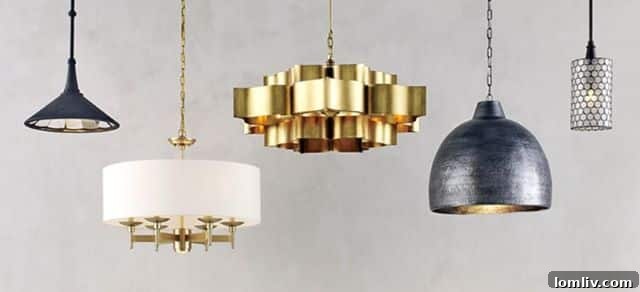
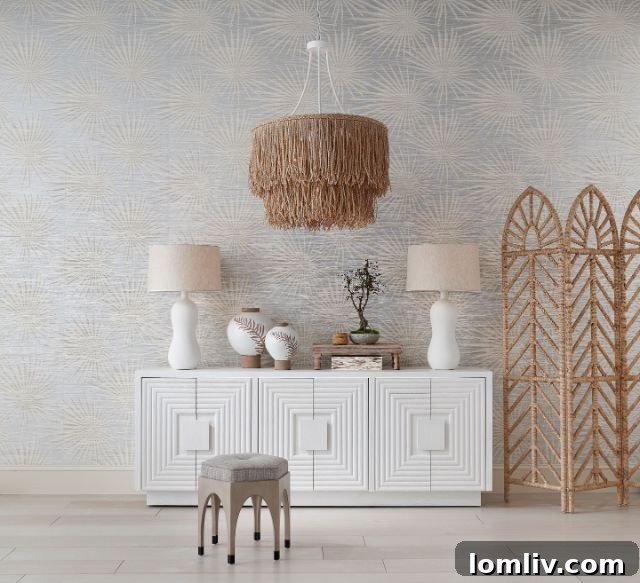
Cecil Adams, the Creative Director of Curry & Company, observes a distinct resurgence of 1970s design influences in contemporary lighting trends. This manifests in a strong preference for “baskets, wrapped rope, warmer wood tones, and natural materials.” These elements bring an organic, handcrafted feel to interiors, evoking a sense of warmth and authenticity. Alongside this earthy palette, Adams notes a significant trend towards luxurious metallic combinations, specifically “a lot of gold and brass with creams.” This pairing creates a sophisticated yet inviting aesthetic, blending the opulence of metals with the softness of neutral tones.
Adams further articulates a prevailing desire for simplicity and authenticity in design. “It’s a simpler look now with a traditional form stripped down to its essence,” he explains. This approach results in designs that are both timeless and contemporary, marrying classic shapes with modern sensibilities. The enduring popularity of styles like “modern coastal” and “modern farmhouse” underscores this trend. These aesthetics, with their emphasis on comfort, natural textures, and a relaxed ambiance, resonate deeply with consumers seeking spaces that feel both nostalgic and relatable. Adams confidently predicts, “we will continue to see that supported in lighting,” indicating a sustained demand for fixtures that complement these beloved interior styles.
Quick Lighting Fixes and Trending Tips for Your Home
For those looking to refresh their lighting quickly and effectively, Michelle Lynne of ML Interiors Group offers practical and stylish advice:
-
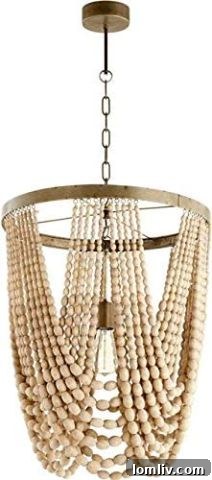
Embrace Natural and Organic Materials: Lynne observes a strong trend towards lighting fixtures crafted from natural and organic elements. Materials like woven rattan, jute, bamboo, and unfinished wood add texture, warmth, and an earthy charm to any space. These materials connect interiors with the natural world, fostering a sense of calm and well-being. A great example, as Lynne points out, is her “favorite” Cyan Design Pendant Hammock, which beautifully embodies this trend by bringing a touch of nature indoors with its relaxed, bohemian vibe. Such pieces create focal points that feel both contemporary and timeless.
-
Geometric Globe Chandeliers: Rattan and wicker remain incredibly on-trend, but don’t limit yourself to traditional forms. Geometric globe chandeliers, for instance, offer a contemporary twist on classic spherical designs. Their open, airy structures provide ample illumination without feeling overly intrusive, making them perfect for dining rooms or entryways where you want to make a statement without overwhelming the space. These designs often incorporate mixed metals, adding another layer of visual interest and sophistication. The combination of geometric forms and varied textures creates a dynamic piece that draws the eye and enhances modern or transitional interiors.
-
Forget Matchy-Matchy: One of the most liberating current trends in interior design is the abandonment of perfectly matching lighting sets. The days of needing your dining room sconces to be identical to your chandelier are gone. Instead, designers and homeowners are encouraged to embrace an eclectic, curated approach. Mix and match styles, finishes, and periods to create a personalized and visually rich environment. This allows for greater creativity and ensures that each lighting fixture serves as an individual piece of art, contributing to a cohesive yet distinctive overall design scheme. The goal is a harmonized space, not a symmetrical one.
Discover More at the Dallas Lighting Expo
To experience these exciting trends firsthand and gain deeper insights into the future of home lighting, consider visiting the Dallas Market Center. This premier destination offers an unparalleled opportunity to explore the latest innovations and designs from leading manufacturers. The Dallas Lighting Expo, specifically, provides a unique platform to connect with industry experts, discover cutting-edge products, and draw inspiration for your next lighting project. Mark your calendars: The Dallas Lighting Expo runs from August 19 to August 21, offering a vibrant showcase of everything bright and brilliant in the world of lighting design.