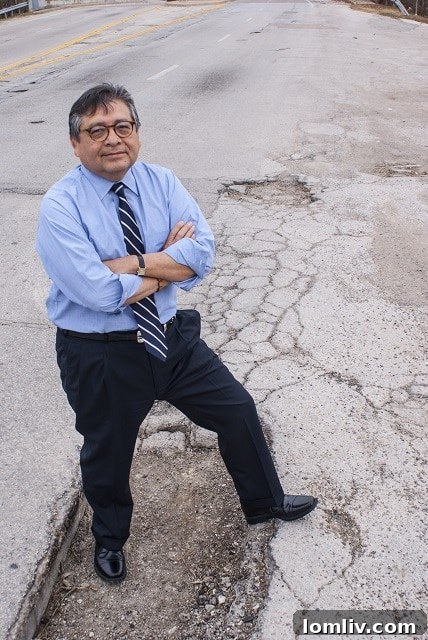
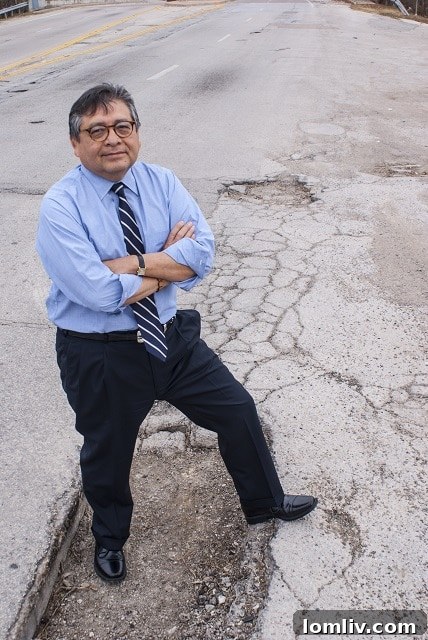
For drivers across Dallas, the sight of a gaping pothole is not just a minor inconvenience; it’s a daily battle. These unwelcome craters in our roadways are far more than mere blemishes on the asphalt – they are insidious hazards that wreak havoc on our vehicles, drain our wallets, and compromise our safety. From the moment we turn the key in the ignition, navigating the maze of Dallas streets often means bracing ourselves for impact, hoping to dodge the next suspension-shattering divot. It seems almost impossible to find a route within the city that doesn’t present its own unique challenge of dodging these concrete pitfalls, with perhaps the Dallas North Tollway being a rare exception.
The ubiquity of potholes in Dallas has transformed daily commutes into a stressful ordeal. The tell-tale thud and jolt as a tire plunges into an unseen hole is a familiar and dreaded sound for many. This isn’t just about discomfort; it’s about significant, costly damage. Potholes are notorious for ruining vehicle suspensions, throwing wheel alignments out of whack, and even blowing tires, prematurely sending them to the landfill. Each encounter with a major pothole chips away at the lifespan of a vehicle, leading to unexpected repair bills that can quickly add up. For the average Dallas resident, this isn’t just a matter of rough roads; it’s a significant financial burden impacting household budgets.
The Pervasive Problem of Potholes in Dallas
Dallas, like many major metropolitan areas, faces a persistent challenge in maintaining its vast network of roads. The sheer volume of traffic, combined with fluctuating weather patterns characteristic of North Texas, creates a perfect storm for pothole proliferation. The freeze-thaw cycles that occur during winter months are particularly damaging. Water seeps into cracks in the pavement, freezes, expands, and then thaws, leaving behind weakened asphalt that easily crumbles under the weight of passing vehicles. Heavy rains, common in spring and fall, exacerbate this issue, eroding road bases and creating new cavities.
Beyond natural elements, the age of Dallas’s infrastructure also plays a crucial role. Many roads were laid decades ago and are simply past their prime, requiring more than just superficial patching. The relentless pounding from millions of vehicles, from compact cars to heavy-duty trucks, puts immense stress on the road surface, accelerating its deterioration. This constant wear and tear, coupled with the unique soil conditions of the region – particularly the expansive black gumbo clay – can lead to instability beneath the road surface, contributing to structural failures that manifest as potholes.
Beyond the Bump: The True Cost of Neglected Roads
The impact of potholes extends far beyond the immediate inconvenience. Economically, they are a hidden tax on drivers. A national study by AAA revealed that American drivers collectively pay billions annually in vehicle repairs directly attributable to poor road conditions, and Dallas drivers certainly contribute a significant portion to this figure. These costs include replacing tires, repairing bent rims, realigning steering, and fixing damaged suspension components like shock absorbers and ball joints. Over time, these cumulative repairs can diminish a vehicle’s resale value and even compromise its overall safety.
Safety is another critical concern. Sudden swerving to avoid a pothole can lead to accidents, especially at higher speeds or in heavy traffic. Unseen potholes can cause drivers to lose control, particularly motorcyclists, leading to serious injuries or fatalities. Furthermore, the psychological toll of constantly being on alert for road hazards contributes to driver stress and fatigue, making commuting less safe and more exasperating. For out-of-town buyers or visitors, the state of Dallas roads can create a negative first impression, reflecting poorly on the city’s infrastructure and overall quality of life.
TxDOT and the Quest for a Permanent Pothole Fix
Given the immense challenges posed by potholes, it’s encouraging to learn that serious efforts are underway to find more sustainable solutions. According to NBC5, the Texas Department of Transportation (TxDOT) is actively collaborating with researchers at the University of Texas at Arlington (UTA) to develop a more durable asphalt mixture designed to offer a truly permanent pothole repair. This initiative signifies a shift from temporary fixes to long-term strategies, aiming to address the root causes of road deterioration rather than just patching its symptoms.
The research at UTA likely focuses on several key areas:
- Advanced Material Science: Investigating new asphalt formulations that are more resilient to temperature fluctuations, moisture penetration, and heavy traffic loads. This could involve incorporating polymers, rubber, or other additives to enhance the asphalt’s flexibility and strength.
- Improved Laying Techniques: Exploring optimal methods for applying new asphalt mixes, ensuring proper compaction and bonding with existing road surfaces to prevent premature failure.
- Sustainable Solutions: Looking into environmentally friendly materials and processes that could reduce the carbon footprint of road construction and repair.
This collaborative effort holds immense promise. A truly permanent solution would not only save taxpayers money in repeated repairs but also significantly improve driver safety and comfort. Drivers across Dallas eagerly await the fruits of this research, hoping for a future where the phrase “pothole season” becomes a distant memory.
Navigating Dallas Roads: Tips for Drivers and Community Action
While we await the breakthroughs from TxDOT and UTA, Dallas drivers must continue to navigate the city’s challenging roads. Here are some practical tips to help minimize the risk of damage and contribute to better road conditions:
- Stay Alert: Always keep a watchful eye on the road ahead, scanning for changes in pavement texture or dark depressions that could indicate a pothole.
- Maintain Proper Tire Pressure: Properly inflated tires can offer a small buffer against pothole impact, distributing the force more evenly and potentially preventing rim damage or blowouts.
- Slow Down: Reducing your speed when approaching areas known for potholes or in low-visibility conditions (rain, night) gives you more time to react and minimizes the impact if you do hit one.
- Avoid Swerving Drastically: While the instinct is to swerve, a sudden maneuver can be more dangerous, potentially leading to collisions with other vehicles or objects. If you cannot safely avoid a pothole, try to slow down and drive over it carefully.
- Report Potholes: Be an active member of the community. Most cities and counties have online portals or dedicated phone lines to report potholes. In Dallas, you can often use the 311 service to report issues to the city’s Public Works Department. The more reports they receive, the higher the priority for repair.
- Check Your Vehicle Regularly: After encountering a significant pothole, it’s wise to check your tires, wheels, and suspension for any visible damage. Listen for unusual noises and monitor your vehicle’s handling.
The Road Ahead: A Call for Collective Responsibility
The issue of potholes in Dallas is a complex one, requiring multifaceted solutions that combine innovative research, consistent funding, and proactive maintenance strategies. It’s a testament to the daily grind of urban life that we accept these road imperfections as a given, but it doesn’t have to be this way. Public awareness and advocacy play a vital role in pressuring local authorities and state agencies to prioritize road infrastructure. Every driver, cyclist, and pedestrian is affected by the quality of our roads, making it a shared responsibility to demand better.
We invite you to join the conversation and share your experiences. How do you explain the state of our roads to visitors? More importantly, how do you personally cope with the challenge of navigating Dallas’s pothole-riddled streets? Let your voice be heard!