Project Row Houses: Art, Activism, and the Fight for Houston’s Third Ward
Houston’s Third Ward, a vibrant community historically rich in African-American culture and heritage, has long faced the dual pressures of neglect and rapid urban development. In the early 1990s, a critical juncture arrived as developers, drawn by the neighborhood’s strategic location at the southeast edge of downtown Houston, began to acquire and demolish the iconic shotgun houses, leading to significant resident displacement. This wave of change threatened to erase the unique architectural and social fabric of the area. It was against this backdrop that contemporary artist Rick Lowe stepped forward with a groundbreaking vision that would redefine community development and urban art.
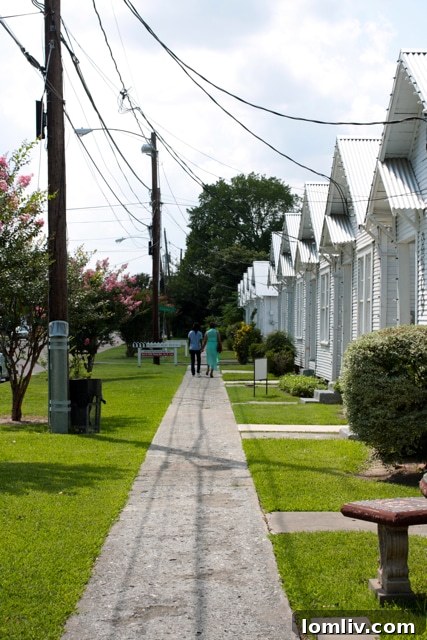
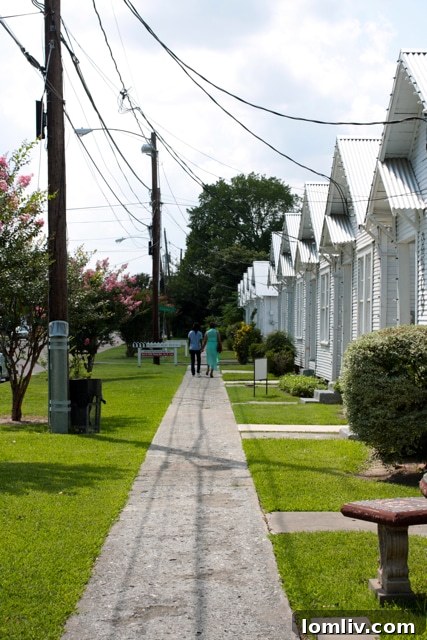
Lowe, driven by a profound commitment to his community, spearheaded an initiative to purchase and revitalize 22 dilapidated shotgun houses. What began as an experimental, “guerrilla-style” art project with temporary aspirations has, against all odds, blossomed into Project Row Houses (PRH)—a formidable beacon of resilience and cultural preservation. For over two decades, these revitalized structures have stood as a testament to the enduring spirit of a neighborhood that has navigated the complex legacies of institutional racism, persistent unemployment, systemic crime, and chronic urban neglect.
A Journey into Art and History: Exploring Project Row Houses
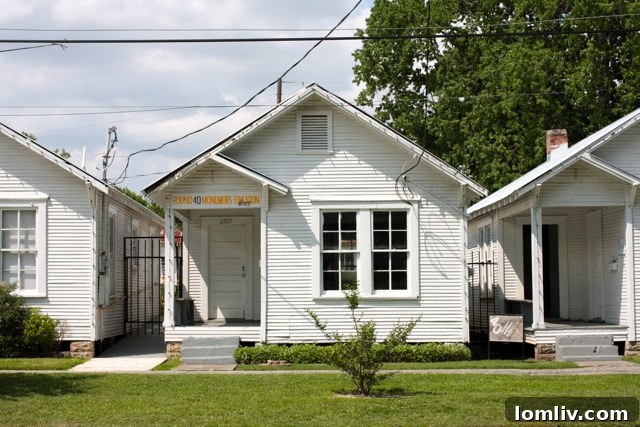
During a recent spring convention with the National Association of Real Estate Editors in Houston, I opted to diverge from typical tourist attractions, following a cherished friend’s recommendation to experience Project Row Houses. Having grown up in the Houston area, I possessed a foundational understanding of the Third Ward’s intricate history and its significance. This personal connection deepened my appreciation for Lowe’s transformative approach: re-centering the neighborhood’s historical narrative through art.
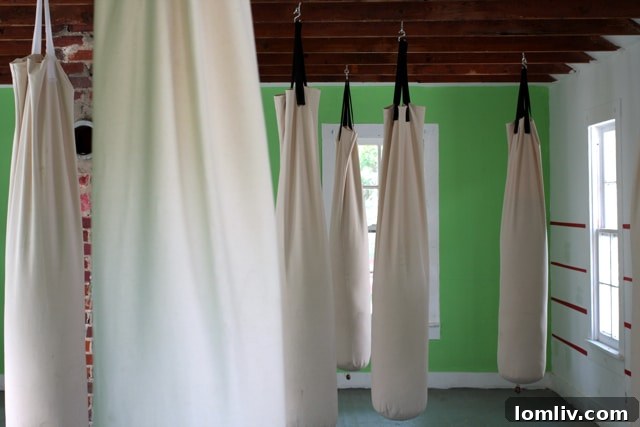
Lowe’s vision involved converting the early 20th-century shotgun homes lining Holman Street into a dynamic gallery space dedicated to culturally relevant artwork. Here, artists are invited to transform the modest interiors of these characteristic row houses into deeply immersive installations. These projects serve not only as artistic expressions but also as critical reflections on the social, historical, and contemporary issues affecting the community. To commemorate the project’s remarkable second decade, artists from Otabenga Jones & Associates curated “Monuments: Right Beyond the Site.” This powerful exhibition meticulously reconstructed significant historical moments etched into the collective memory of the Third Ward and its inhabitants, offering visitors a profound journey through time and identity. The exhibition, a highlight of PRH’s programming, concluded on June 22nd.
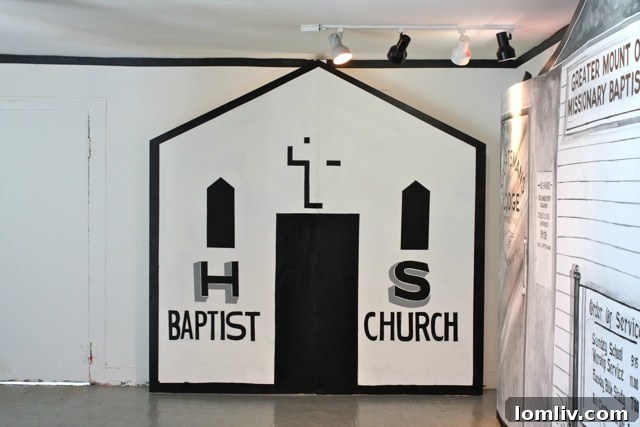
Beyond the Canvas: Project Row Houses as a “Social Sculpture”
My tour of Project Row Houses revealed that its impact extends far beyond the confines of a traditional art gallery. PRH stands firmly at the vibrant intersection of art and community activism, embodying what Rick Lowe eloquently terms a “social sculpture.” This concept posits that art isn’t just an object to be admired but a dynamic process that shapes and enhances social reality. The “side effects” of this social sculpture are myriad and deeply impactful, benefiting both artists and the broader Third Ward community.
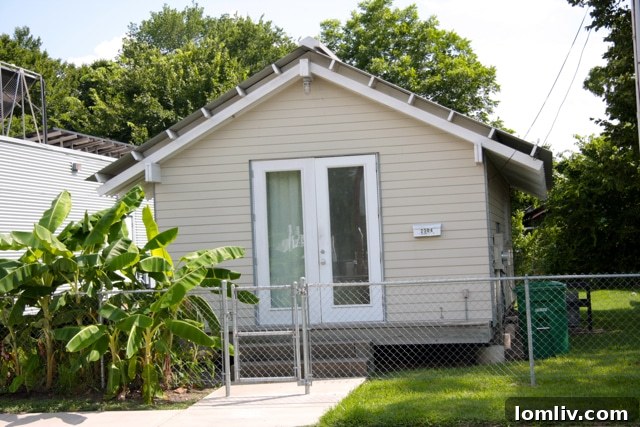
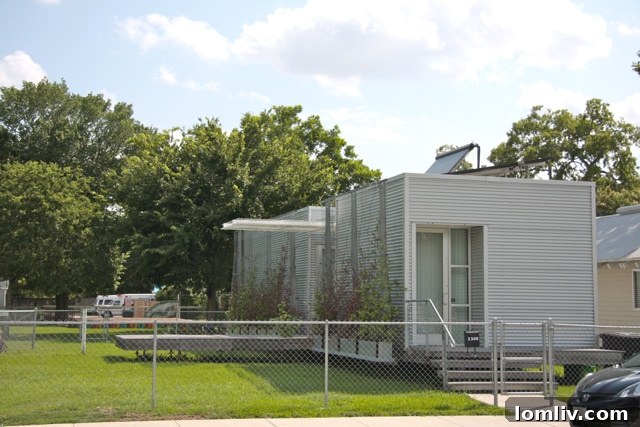
PRH actively attracts top talent to its renowned artist residency program, providing a vital platform for creative expression and dialogue. Simultaneously, it offers crucial housing and comprehensive support for single African-American mothers, fostering stability and empowerment within the neighborhood. Regular workshops equip local residents with valuable skills and resources, strengthening the community’s fabric. The project’s commitment to holistic development is evident in its expansion to over 40 properties spanning a six-block area. This extensive footprint now encompasses diverse elements, including captivating site-specific installations, a serene sculpture garden, and pioneering architecture and engineering incubation projects developed in collaboration with Rice University students. These innovative structures include the ModPod prototype, exploring modular living solutions; the Row House Community Development Corporation duplexes on Francis Street, addressing sustainable housing needs; the compact and efficient XS Small House; and the distinct shipping container-shaped zeRow House, which exemplifies adaptive reuse and sustainable design principles. Each of these projects underscores PRH’s multifaceted approach to revitalization, blending artistic intervention with practical community solutions.
The Paradox of Progress: Gentrification’s Complex Shadow
While Project Row Houses has undoubtedly brought immense tangible and abstract benefits to the Third Ward, fostering community pride and offering vital resources, it also grapples with unintended consequences that highlight the complex nature of urban renewal. Despite PRH’s dedicated conservation efforts and the unwavering spirit of the neighborhood’s long-term residents, the project has not, in fact, deterred commercial developers. Intriguingly, its very success—its edgy, attractive, and innovative character—may actually be inadvertently catalyzing increased interest from builders and investors, contributing to the very forces of gentrification it sought to mitigate. This phenomenon creates a critical question for urban planners, community leaders, and residents alike: How does one effectively balance the imperative of vital community development and cultural preservation with the inexorable pressures of market-driven development?
A National Conundrum: Balancing Development and Preserving Neighborhood Character
The challenge faced by Houston’s Third Ward is far from unique; it mirrors a profound national debate on urban development. Cities across the United States wrestle with this intricate balancing act. Consider West Dallas’s La Bajada neighborhood, for example, which stands in the shadow of the burgeoning Trinity Groves district. As Trinity Groves escalates in popularity, attracting those seeking the latest and greatest Dallas experiences, and as more people desire to reside near this vibrant hub, La Bajada—a zoning-protected area at the foot of the iconic Margaret Hunt Hill Bridge—experiences escalating development pressure. Similarly, communities surrounding Dallas’s historic Fair Park and Exposition Park, or the broader South Dallas area, face analogous struggles. The list of neighborhoods grappling with such dilemmas is extensive, underscoring a widespread challenge in contemporary urban landscapes.
The Ongoing Battle for Affordable Housing in the Third Ward
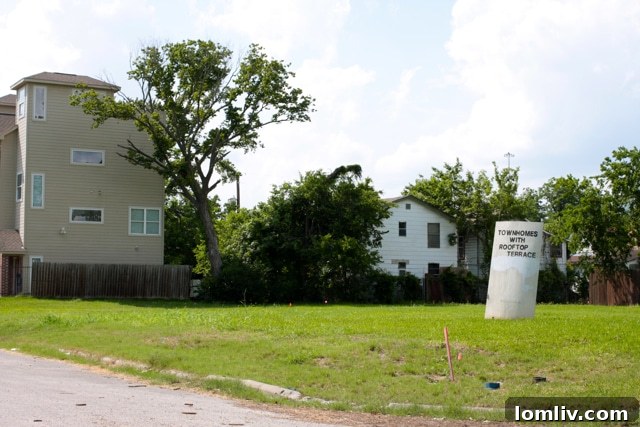
For areas like the Third Ward, the friction between preservation and new development is palpable and undeniable. Just caddy-corner to one of the blocks occupied by Project Row Houses, a stark visual narrative unfolds: an open, grassy lot featuring nothing but a lone, stately tree and a provocative sign declaring, “TOWNHOMES WITH ROOFTOP TERRACE.” This sign serves as a subtle yet potent critique of the rather homogeneous modern housing developments that have proliferated, strategically capitalizing on the area’s prime location and appealing views. Venture just one block further, and even more construction is visible, including sleek, modern structures with distinctive angular rooftops, designed by contemporary kit housing builders like Zamore Homes. These new constructions, while often aesthetically striking, stand in stark contrast to the historical architecture and community fabric of the Third Ward.
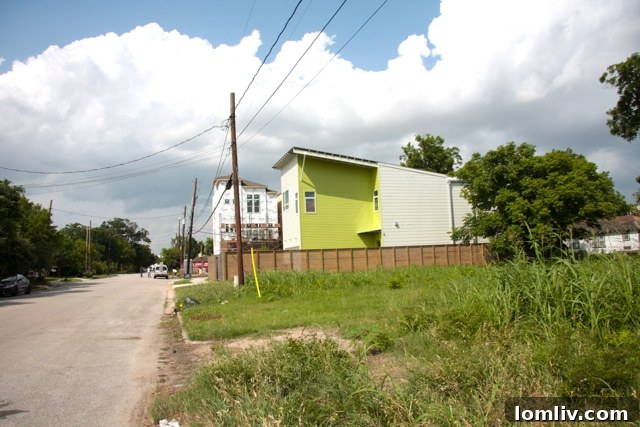
As these new, often high-priced, homes continue to emerge, the critical issue of affordable housing for the Third Ward’s long-standing residents remains unresolved, indeed, exacerbated. This persistent challenge was thoughtfully explored in the PBS documentary “Third Ward, TX,” which highlighted the profound link between the neighborhood’s identity and its residents. The documentary underscored that the displacement of current residents due to rising housing costs is not merely an economic problem but a deep threat to the very soul and cultural continuity of the Third Ward. Maintaining the vibrant, authentic character of this historic community necessitates not just physical preservation but a concerted effort to ensure its residents can continue to call it home, making the struggle for affordable housing a defining battle.
Art’s Enduring Legacy in a Changing Landscape
Amidst the complex interplay of gentrification and preservation, demolition and revitalization, art has not merely found a temporary refuge in the Third Ward; it has established a permanent, transformative presence. Project Row Houses stands as a powerful testament to art’s capacity to do more than adorn—it builds, it challenges, it preserves, and it empowers. Rick Lowe’s vision has shown that art can be an engine for social change, a catalyst for community dialogue, and a bulwark against the erosion of cultural identity. The structures of Project Row Houses, once humble shotgun homes, now serve as living monuments to resilience, creativity, and the unwavering spirit of a community determined to shape its own future. As the Third Ward continues to evolve, the permanent home art has found within its borders will undoubtedly inspire ongoing efforts to achieve equitable and culturally sensitive urban development, ensuring that its rich heritage continues to thrive for generations to come.