

by Phil Crone, Executive Officer, Dallas Builder’s Association
Dallas-Fort Worth Housing Market: Navigating Growth and Preserving Affordability
The year 2016 stands out as a remarkable period for the Dallas-Fort Worth metropolitan area. Our region experienced phenomenal growth, welcoming over 113,000 new jobs and witnessing the construction of nearly 30,000 new homes. This impressive performance rightfully earned Dallas-Fort Worth the title of the nation’s top housing market, a distinction we proudly claimed from Houston mid-year. This surge in economic activity and housing development underscores the magnetic appeal and robust fundamentals of the DFW area, drawing in businesses and families seeking opportunity and a high quality of life.
Indeed, these are good times, and few would trade our current challenges for the economic struggles of eight years ago. However, even amidst prosperity, it is crucial to recognize emerging issues that, if left unaddressed, could undermine our long-term success. While our growth trajectory is enviable, it presents unique pressures, particularly concerning housing affordability. We must proactively identify and address these concerns, taking full ownership of them. Failing to do so puts us in serious danger of eroding the very affordability advantages that have been a cornerstone of our exceptional prosperity and continuous growth.
Addressing Critical Challenges for Sustainable Growth
My reflections on the Dallas housing market lead to two primary areas requiring immediate attention and thoughtful action. These are not insurmountable obstacles but rather opportunities to solidify our region’s foundation for future generations. My first earnest wish for the Dallas housing market is that we collectively address our escalating labor shortage in the construction industry.
Wish 1: Bridging the Construction Labor Gap
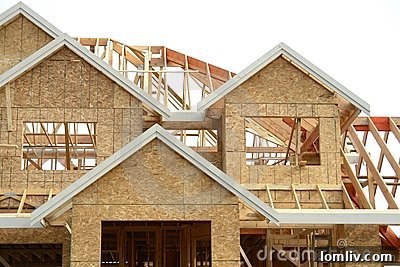
Walk onto any construction site in Dallas-Fort Worth today, and you’ll immediately sense the pressing need for more skilled hands. Our region is grappling with a severe construction labor shortage, a challenge that reverberates through every facet of the housing development process. This scarcity of workers translates directly into tangible costs and delays, adding more than $4,000 to the price of every new home and extending construction timelines by nearly two months. These aren’t just inconveniences; they are significant barriers to making homeownership attainable for many residents.
The Tangible Costs of a Shrinking Workforce
The shortage is not limited to highly specialized fields. Our members consistently report difficulties finding sufficient numbers of unskilled laborers, such as roofers and framers, who form the backbone of residential construction. More alarmingly, the supply of skilled tradespeople is also dwindling at an alarming rate. We face the reality of a “lost generation” of professionals in critical trades. Consider the average age of carpenters at 49, or plumbers at 56, and you begin to understand the urgency. HVAC technicians, electricians, and other crucial trades are aging out of the workforce faster than new talent is entering, creating a widening gap that impacts project quality, efficiency, and ultimately, housing costs.
This demographic shift is a ticking time bomb for the construction sector and the wider economy. Without a robust pipeline of new talent, the dream of homeownership becomes more distant for a growing segment of the population. The implications extend beyond just the housing market; a shortage of skilled trades affects infrastructure development, commercial construction, and the overall economic vitality of the region. It’s a systemic issue that demands a systemic solution, rooted in education and societal perception.
Cultivating Tomorrow’s Skilled Trades Professionals
This challenging situation presents a profound opportunity for educational institutions, particularly Dallas ISD. My sincere wish for educators and policymakers is that we pivot away from the outdated notion that a four-year university degree is the sole path to success. For many students, college may not be the right fit, or even a possibility, yet they possess immense potential. The construction industry offers incredibly rewarding and stable careers, often with strong earning potential, for those who prefer hands-on work and practical skills.
Modern homes are increasingly complex, requiring advanced techniques and specialized knowledge. This complexity elevates the importance of robust vocational training programs. Fortunately, recent legislative changes in Texas empower schools to modify their curricula to better accommodate such programs, integrating them more deeply into the educational fabric. The real challenge, however, lies in initiating a broader culture shift—one that celebrates vocational careers as viable, respected, and highly valuable pathways to professional success and economic independence. Imagine a future where young adults, asked about their post-high school plans, can proudly declare, “I went to work,” equipped with valuable skills and embarking on a fulfilling career in construction.
By investing in and promoting vocational training, we can not only address the immediate labor shortage but also create a sustainable talent pipeline for the future. This requires collaboration between industry leaders, educational institutions, and government to ensure that programs are relevant, well-funded, and effectively marketed to students and parents alike. It’s about building a future workforce that reflects the diverse needs and opportunities within our thriving construction industry.
Wish 2: Rethinking Regulatory Burdens on Housing Affordability
My second significant wish pertains to our local government and their crucial role in shaping the housing landscape. It is imperative that local government truly understands how their decisions, particularly regarding regulations and fees, profoundly impact housing affordability. The current reality is stark: more than 25 percent of the cost of a new home is directly attributable to various layers of regulation. While some regulations are undeniably necessary for safety and quality, a substantial portion is not, representing an unnecessary burden that inflates housing prices.
The Hidden Costs of Regulation: Beyond the Price Tag
A troubling trend among many city leaders in North Texas is the belief that homes must exceed a certain price point—often upwards of $400,000—to “pay for themselves” and attract “affluent citizens.” This perspective often leads to the institution of new fees, euphemistically termed “costs of growth,” and the imposition of stringent design standards that rival those typically found in homeowners’ associations (HOAs). These policies, while perhaps well-intentioned, inadvertently create exclusionary housing markets, making it exceedingly difficult for many families to achieve homeownership.
A prime example is Dallas’s tree ordinance, which levies significant fees for removing trees on a property owner’s land, sometimes exceeding the original cost of the land itself. While environmental preservation is commendable, the execution of such policies can have disproportionate impacts. With 85 percent of the remaining developable land located in South Dallas, these areas, which often have lower average incomes and a greater need for affordable housing, bear the brunt of these expensive regulations. This creates an uneven playing field and exacerbates existing socioeconomic disparities.
The consequences of these regulatory burdens are far-reaching. While buyers in the middle to upper echelons of the market may be able to absorb these additional costs, the impact on first-time homebuyers is devastating. Millennials, teachers, first responders, and working families are increasingly being denied the opportunity to purchase a home, not by simple market forces of supply and demand, but by artificial barriers created through excessive regulation. Even seemingly small fee increases have a ripple effect; according to the Texas A&M Real Estate Center, a mere $1,000 increase in the price of a new home can mean that 20,000 Texas families are no longer able to afford the American Dream of homeownership. This statistic alone should serve as a powerful call to action for local governments to re-evaluate their regulatory frameworks.
Preserving the Dallas-Fort Worth Affordability Advantage
We must resist the “Californication” of North Texas, a trend where excessive “local control” of development leads to skyrocketing housing costs, mirroring some of the most unaffordable markets in the nation. Unlike California, we do not have stunning beaches or majestic mountains to justify exorbitant home prices (though our BBQ is undeniably superior!). Our greatest asset, beyond our robust economy, is our enduring affordability advantage. This advantage is precisely what has positioned Dallas-Fort Worth as the nation’s premier housing market and a magnet for businesses and talent.
To maintain our competitive edge and ensure sustainable, inclusive growth, local governments must foster an environment that encourages diverse housing options and reduces unnecessary barriers to construction. This means engaging in transparent, data-driven discussions about the true costs and benefits of regulations, exploring innovative zoning solutions, and prioritizing policies that support a wide range of housing choices. Collaborative efforts between builders, community leaders, and elected officials are essential to strike the right balance between necessary oversight and burdensome red tape.
Charting a Course for Sustainable Housing in DFW
As we look ahead, the vision for Dallas-Fort Worth’s housing market is clear: continued growth tempered by an unwavering commitment to affordability and opportunity for all. This requires proactive measures to address the construction labor shortage through robust vocational training and a shift in societal perceptions of skilled trades. Simultaneously, it demands a critical re-evaluation of local government regulations, ensuring they serve the community’s best interests without unduly burdening homebuyers or stifling development.
By tackling these challenges head-on, we can safeguard the Dallas-Fort Worth region’s competitive advantage and ensure that the American Dream of homeownership remains within reach for countless families. Let us raise a toast to a future where our region thrives not just in economic output, but also in equity and accessibility—a 2017 (and beyond) with an abundance of skilled housing labor and significantly less government red tape!