Resilience and Growth: Dallas Homebuilding Navigates New Horizons
In the vibrant heart of Texas, the Dallas homebuilding industry is not merely surviving but flourishing, demonstrating remarkable resilience and adaptability. This positive outlook comes directly from the forefront of the sector, echoed by some of the city’s most respected and busiest industry leaders. Despite unprecedented global challenges, the demand for high-quality residential properties in Dallas continues to drive a robust market.
We recently connected with Jeff Dworkin, President of JLD Custom Homes, immediately following one of his regular Zoom networking calls with CBUSA. A collective sentiment emerged from over twenty homebuilders on the call: the overall market outlook remains decidedly positive. This consensus underscores the inherent strength and dynamic nature of the Dallas real estate market.
“For the most part, it’s business as usual,” remarks Dworkin, an approved builder by Daltxrealestate.com, highlighting the continued flow of custom home projects. “The primary area of caution we’re observing revolves around adding more speculative inventory to the market, especially at the higher price points. Builders are taking a more measured approach, prioritizing custom builds and ensuring demand is concrete before committing to new speculative ventures, thus mitigating potential risks in an evolving economic landscape.”
Navigating Operational Adjustments: Timelines and Safety on Dallas Construction Sites
While the demand remains strong, the process of bringing these homes to life has undergone significant adjustments. A key challenge across the industry, as noted by Dworkin, is the impact on project timelines. Delays have incrementally extended the typical construction schedule, adding an average of two to four weeks to what was once a swift five-month or less turnaround time for JLD Custom Homes.
“We’re now limited to the number of subcontractors we can send to a job site at any one time,” explains the veteran homebuilder. “Smaller crews are essential for adhering to social distancing guidelines, which is paramount for worker safety. However, this necessarily impacts the speed and efficiency of our operations, meaning work doesn’t get done as timely as it used to. It’s a balance between safety and schedule, with safety always taking precedence.”
Beyond on-site logistics, administrative processes have also presented new hurdles. Securing necessary building permits, a critical step in any construction project, has become a more protracted affair. “What we could accomplish in a single day now often takes several weeks,” Dworkin states, highlighting the bureaucratic slowdown. “And some permits, particularly those for demolition, are taking even longer because there’s simply no established digital process to complete them online. This necessitates physical visits and processing, which are subject to new restrictions and reduced capacities, further elongating project initiation phases.”
Despite these procedural challenges, Dworkin maintains a positive outlook regarding material orders and deliveries. “If any disruptions are going to occur, we anticipate they would surface approximately 30 to 60 days down the road,” he says. This foresight allows for proactive planning and mitigation strategies, helping to minimize potential supply chain shocks and keep projects moving forward, albeit at a slightly adjusted pace.
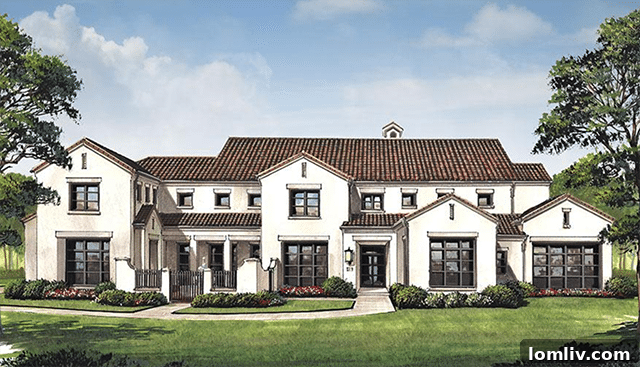
Signs of Recovery and Sustained Demand in the Dallas Housing Market
Greg Alford, the visionary founder of Alford Homes, shares an optimistic view, expressing hope that the entire city will soon return to full operational capacity. His observations paint a picture of gradual but undeniable recovery and increasing public confidence.
“It’s time to go back to work.”
“There are clear signs of it already,” Alford notes with enthusiasm. “Just two weeks ago, the roads were practically deserted. Now, we’re witnessing car after car on the toll road, indicating a palpable increase in movement and economic activity. This visible uptick in traffic translates to more people returning to their workplaces and resuming daily activities, signaling a broader economic revitalization that directly benefits the housing market.”
Alford Homes continues to cater to a discerning clientele, with three highly anticipated speculative properties currently available in the prestigious neighborhoods of Preston Hollow and the Park Cities. An additional luxury spec home is also in development, poised to meet the sustained demand for high-end residences in these coveted areas. The interest in these properties isn’t confined to local buyers; Alford Homes has also seen significant inquiries from prospective clients in New York and California, reflecting Dallas’s growing appeal as a relocation destination for those seeking quality of life and robust economic opportunities.
Like Dworkin, Alford’s primary frustration stems from the inability to utilize crews to their maximum capacity. “It’s definitely slowing us down,” he admits, acknowledging the trade-off between strict safety protocols and optimal productivity. This slowdown, while challenging, is a necessary measure to ensure the well-being of all workers and to comply with evolving health guidelines.
Industry-Wide Commitment to Safety and Protocol
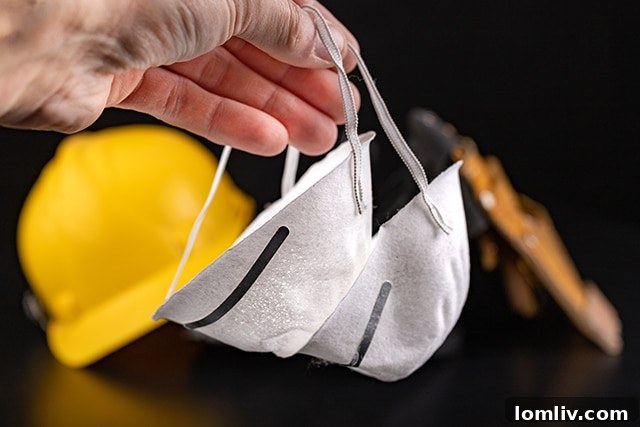
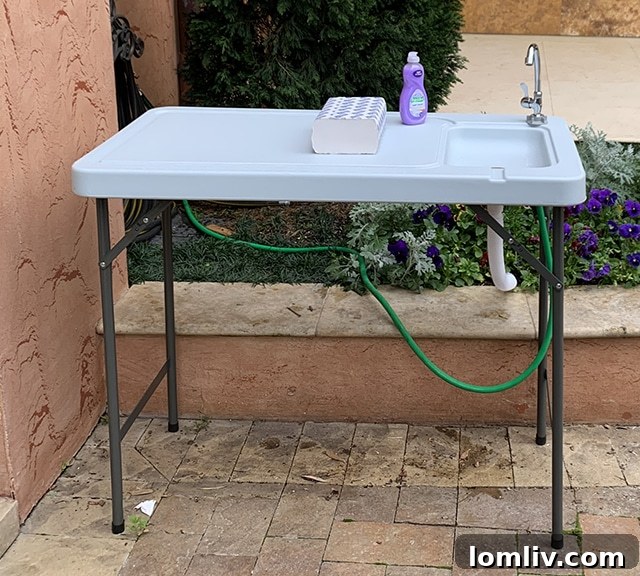
Across the Dallas homebuilding industry, there’s a collective and serious commitment to implementing and adhering to mandated health and safety guidelines. The “new normal” on construction sites includes a comprehensive suite of measures designed to protect workers and prevent the spread of illness. These staples now include prominently placed hand washing stations, readily available masks, and gloves for all personnel. Beyond personal protective equipment, it’s also common procedure to conduct temperature checks at site entry, rigorously practice social distancing, and enforce a strict “one in, one out” rule for enclosed spaces or areas with limited capacity. These protocols are not just suggestions; they are strictly enforced to create the safest possible working environments.
“Nobody wants to take a chance on getting shut down.”
This sentiment perfectly encapsulates the industry’s proactive approach, as expressed by Michael Munir, Corporate President and Chief Operating Officer of Sharif & Munir. “We all need to do our part to follow the mandates. We can’t afford not to,” Munir emphasizes, underscoring the critical importance of compliance. The risk of a site shutdown due to health violations is a powerful motivator for meticulous adherence to all guidelines, ensuring continuity of operations and employment for countless individuals.
Internally, the luxury homebuilder also implements rigorous protocols to protect its office staff. Company employees operate on an alternating remote work schedule, and strict limits are placed on the number of individuals permitted in the office at any given time. “During a draw week, it’s three, maximum,” Munir explains. “But in our expansive 6,500-square-foot space, that provides significantly more social distancing than many individuals experience in their own homes, creating a secure and comfortable working environment for essential in-office tasks.”
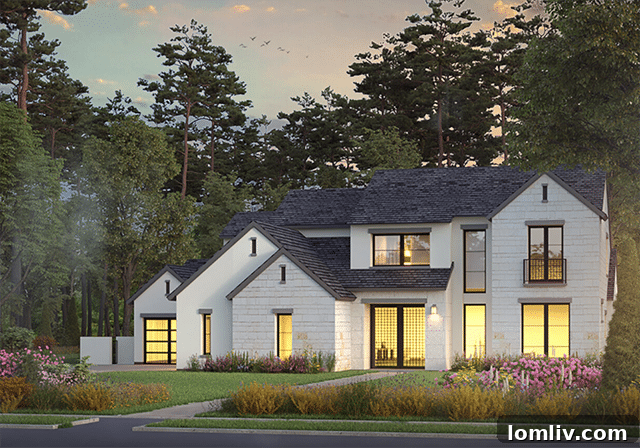
Strong Buyer Interest Fuels Dallas’s Luxury Home Market
Regarding ongoing business, Sharif & Munir reports an exceptionally positive outlook. Every project currently on their books, including their most ambitious and complex custom builds, is moving forward without interruption. “No one has put a stop on anything already underway,” Munir confirms, highlighting the confidence and commitment of their clientele in the Dallas luxury real estate market.
“Interest is definitely strong,” Munir adds, indicating a consistent flow of new inquiries. “I’ve even had a couple of Zoom calls with prospects already in the design phase, eager to build new custom homes. This digital engagement showcases the adaptability of the sales process and the unwavering desire for high-end residential properties in Dallas, even amidst changing circumstances.” These virtual meetings allow for initial consultations and design discussions to proceed seamlessly, bridging geographical distances and maintaining momentum in the crucial early stages of a custom home project.
Dworkin from JLD Custom Homes readily concurs with this assessment of buyer intent. “The folks who are out there now are real buyers,” he states. This signifies a market populated by serious, committed individuals who have made the decision to invest in a new home, rather than casual browsers. Their determination to proceed with their homebuilding plans, despite any external factors, is a testament to the enduring appeal and stability of the Dallas housing market. This strong, qualified buyer pool is a cornerstone of the Dallas homebuilding industry’s continued success and positive outlook.
The Dallas homebuilding sector, exemplified by the experiences of JLD Custom Homes, Alford Homes, and Sharif & Munir, showcases a powerful blend of resilience, meticulous adaptation, and unwavering consumer confidence. Despite facing operational adjustments and new safety protocols, the industry continues its trajectory of growth, driven by a strong demand for quality housing and an inherent ability to innovate. Dallas remains a prime location for those seeking custom-built homes, with builders actively working to meet both the dreams of homeowners and the stringent requirements of a changing world.