The dynamic Dallas real estate market is a constant topic of discussion among homeowners, prospective buyers, and investors alike. Is the market experiencing a boom, a slowdown, or something in between? Understanding whether Dallas home prices are appreciating, stagnating, or declining, and at what rate, is crucial for making informed decisions. This week, we delve into a comprehensive analysis, drawing insights from three prominent real estate reports to paint a clearer picture of the North Texas housing landscape. We’ll explore the nuances of home appreciation, affordability challenges, and the performance of new home sales in the Dallas-Fort Worth metropolitan area.
Dallas Home Appreciation Slows: Insights from the CoreLogic Case-Shiller Index
The S&P CoreLogic Case-Shiller Home Price Index, a widely respected benchmark for tracking residential real estate values, has reported a significant trend in the North Texas area. While home price gains have been observed across the country, September 2018 marked the eighth consecutive month of decelerating home appreciation in the Dallas-Fort Worth region. This consistent slowdown suggests a shift in market dynamics compared to previous periods of rapid growth.
Specifically, the report indicated that price growth dipped to 4.3 percent in September 2018. This figure stands in contrast to the prior ten months, during which median home sales in North Texas experienced a more robust year-over-year increase of 5 percent. While a 4.3 percent appreciation still represents growth, the consistent decline in the *rate* of appreciation is a key indicator for market watchers. Nationally, home prices were 5.5 percent higher in September 2018 compared to the previous year. However, the Case-Shiller report also highlighted that these national gains have not been as strong or sustained as earlier in the year, mirroring the trend observed locally in North Texas.
This deceleration in appreciation does not necessarily signal a decline in home values, but rather a more moderate pace of growth. For potential sellers, it means the rapid equity gains seen in previous years might be slowing down, influencing pricing strategies. For buyers, a slower appreciation rate could offer a slightly less competitive environment, though prices continue to climb overall. The long streak of declining appreciation suggests a cooling off, moving towards a more balanced market rather than the intense seller’s market experienced recently.
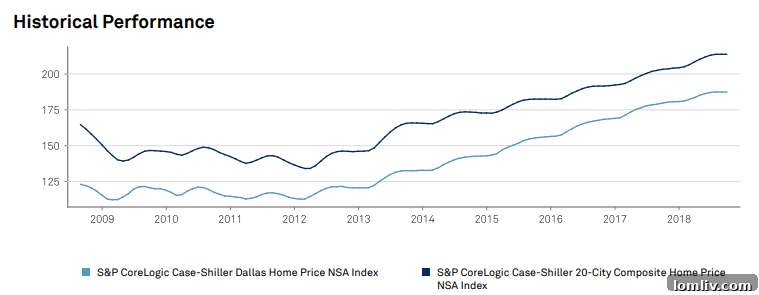
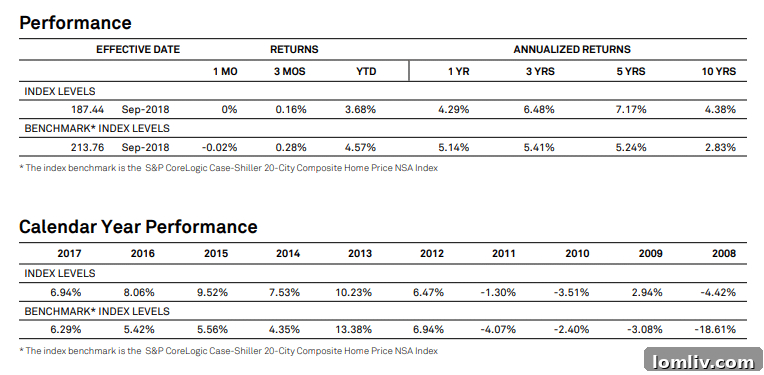
Beyond the appreciation rates, the CoreLogic Case-Shiller report also highlighted the performance of preowned home sales. Compared to the previous year (2017), sales of existing homes in the region have remained relatively flat. This stagnation in preowned sales, combined with the deceleration in appreciation, could indicate a market where inventory is still somewhat constrained or where buyer demand for existing homes is being met more cautiously. Factors such as rising interest rates, increasing home prices, and even tighter lending standards could contribute to this leveling off, leading some buyers to pause or seek out new construction instead.
Affordability Challenges Intensify as Home Prices Climb: First American’s Real House Price Index
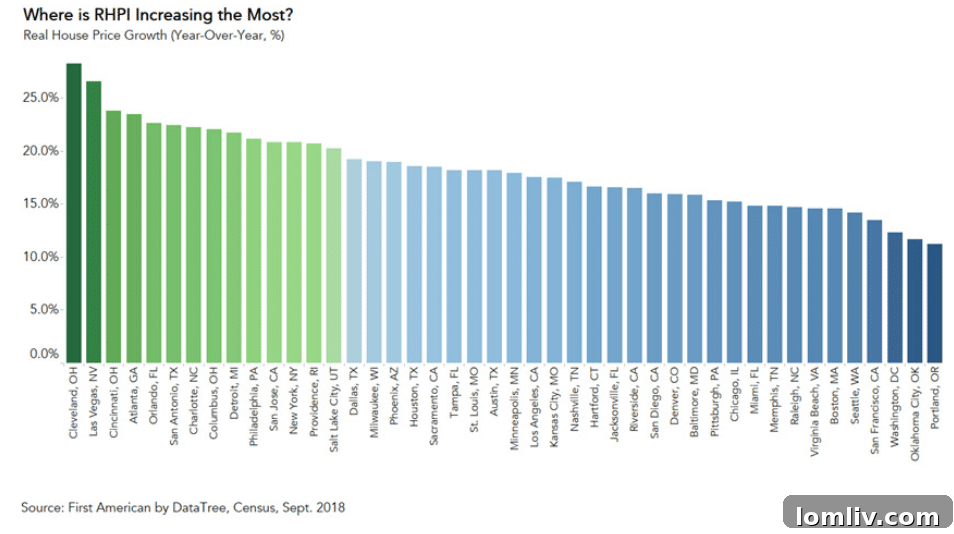
While the Case-Shiller index provides valuable insights into price appreciation, First American’s Real House Price Index (RHPI) offers a unique perspective by integrating additional critical factors: income and interest rates. This comprehensive approach allows the RHPI to measure not just changes in property values, but also the real purchasing power of consumers over time, effectively gauging housing affordability.
According to First American’s latest report, national home prices have climbed significantly, increasing by more than 15 percent year over year. This substantial rise is a clear signal that housing affordability will continue to be a pressing issue across the country, and Dallas is no exception. In the Dallas-Fort Worth market, the RHPI hovers at approximately 20 percent. This figure is particularly telling; while it accounts for local income levels, a rising RHPI indicates that homes are becoming less affordable relative to average incomes and prevailing mortgage rates.
The reason for the apparent difference between these numbers and other indexes lies precisely in the RHPI’s methodology. Unlike indexes that solely track nominal price changes, the RHPI adjusts for the impact of income and interest rate fluctuations. When home prices rise, but incomes do not keep pace, and interest rates also increase, the actual buying power of consumers diminishes. This creates a significant hurdle for potential homeowners, especially first-time buyers who are more sensitive to these financial pressures. Even in a strong job market like Dallas, where population growth fuels demand, the increasing cost of borrowing combined with elevated property values can sideline many aspiring buyers. The 20 percent figure for Dallas signifies that while the market remains robust, the entry barrier for many is becoming increasingly high, forcing some to adjust their expectations or delay their homeownership dreams.
Stable Days on Market and Rising New Home Prices in Dallas-Fort Worth: HomesUSA Index Report
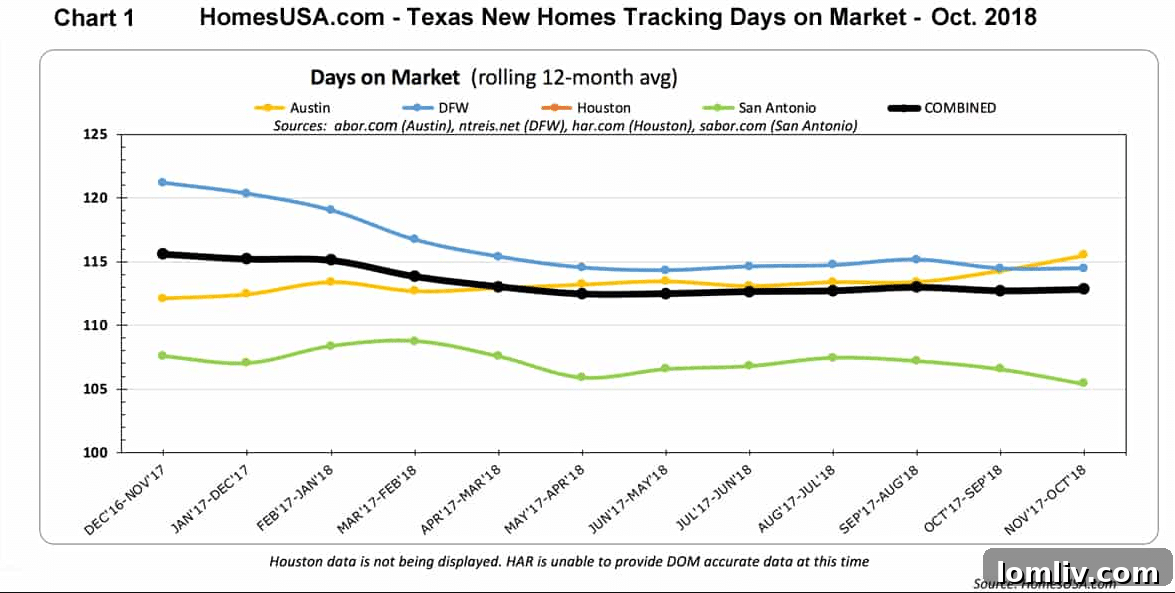
Shifting focus to the new construction segment, the HomesUSA Index provides crucial data on Days on Market (DOM) and new home sales performance in the Dallas-Fort Worth area. According to their October report, the Days on Market for new home sales remained remarkably unchanged, holding steady at an average of 114.46 days. This stability in DOM, despite other market fluctuations, is an important indicator of consistent demand and efficient inventory turnover for newly built properties.
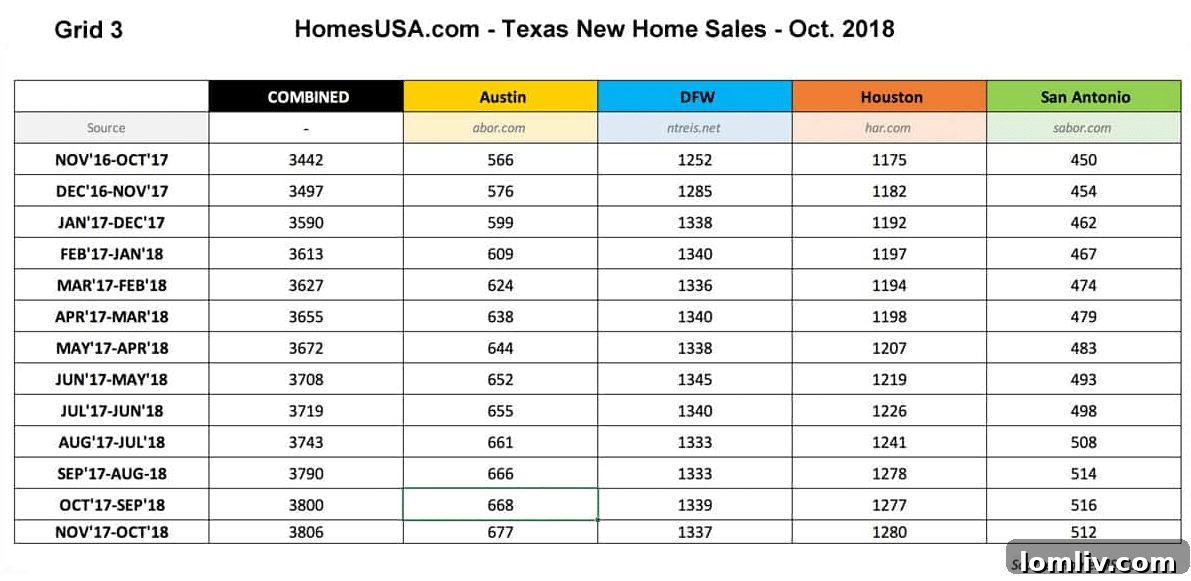
Interestingly, while DOM held steady, the average new home sales price in Dallas-Fort Worth increased for the second consecutive month. In October, the average price reached $374,871, up from $371,985 in September. This consistent upward trend in prices for new homes suggests that demand remains strong enough to absorb these higher costs. Total new home sales in October were marginally down, with 1,337 units sold compared to 1,339 in September. While a slight dip, it’s not indicative of a significant slowdown in the new construction market.
On a broader statewide level, the HomesUSA.com New Home Sales Index revealed that the average DOM for new home sales increased to 112.81 days in October. This slight increase statewide, compared to the stable DOM in DFW, further underscores the unique strength and efficiency of the Dallas-Fort Worth new home market. The DFW area continues to outperform many other regions in terms of speed of sales for new constructions.
Ben Caballero, the owner of HomesUSA.com, provided an optimistic outlook on the Dallas-Fort Worth market for new homes. “Dallas-Ft. Worth area builders are still on track to set another record in new home sales,” he stated. This confidence is rooted in the sustained demand and the ability of builders to continue delivering new inventory to meet the growing population’s needs.
The average price of a new home continued its ascent in October across the state. In Dallas-Fort Worth, the average new home price climbed to $374,871 from $371,985 the preceding month. Statewide, the average new home price reached $357,547 in October, up from $355,821 in September. These figures reinforce the robust pricing environment for new construction, indicating that developers are confidently pricing their homes to reflect underlying demand and construction costs.
Caballero further emphasized the resilience of the DFW market, noting, “Dallas-Ft. Worth is a machine when it comes to building new homes. Higher home prices have not stopped buyers from buying new homes in Dallas-Ft. Worth.” This powerful statement highlights the extraordinary dynamics of the DFW housing market, driven by strong job growth, corporate relocations, and a steady influx of new residents. Even with rising prices and increased interest rates impacting affordability, the fundamental demand for new homes in this vibrant metropolitan area appears to be exceptionally resilient.
Navigating the Dallas-Fort Worth Real Estate Landscape: A Balanced View
In conclusion, the Dallas-Fort Worth real estate market presents a complex but generally robust picture, characterized by mixed signals that require careful interpretation. While the CoreLogic Case-Shiller report indicates a slowdown in the *rate* of home appreciation, it’s crucial to remember that prices are still increasing, albeit at a more moderate pace. This shift from hyper-growth to steady appreciation suggests a healthier, more sustainable market, moving away from the frenzied conditions of recent years. The flat sales of preowned homes could signal a period of recalibration, where buyers and sellers adjust to new market realities.
Conversely, First American’s Real House Price Index underscores the persistent challenge of affordability. The significant year-over-year increase in national home prices and the elevated RHPI in Dallas highlight that while nominal prices may be attractive to sellers, the actual purchasing power of buyers, adjusted for income and interest rates, is diminishing. This widening gap can create barriers to entry, particularly for first-time homebuyers or those with limited budgets, prompting a need for creative financing solutions or a willingness to adjust expectations regarding property size and location.
Finally, the HomesUSA Index provides a beacon of strength in the new construction sector. The stable Days on Market for new homes, coupled with consistent price increases and optimistic projections from industry leaders like Ben Caballero, indicates a thriving segment of the market. Dallas-Fort Worth’s ability to absorb higher new home prices and maintain strong sales volumes points to the region’s underlying economic strength, fueled by continuous population growth and robust employment opportunities. The DFW area continues to attract new residents and businesses, driving an inherent demand for housing that builders are striving to meet.
For anyone involved in the Dallas real estate market—whether buying, selling, or investing—staying informed about these diverse indicators is paramount. The market is not a monolith; it’s a dynamic interplay of appreciation rates, affordability pressures, and sector-specific performance. While there are signs of moderation in appreciation, the overall trend points to a resilient market with ongoing demand, particularly in new home construction, yet one that demands careful consideration of evolving affordability challenges.