Unraveling the Dallas Bribery Scandal: Jeremy “Jay” Scroggins Pleads Guilty
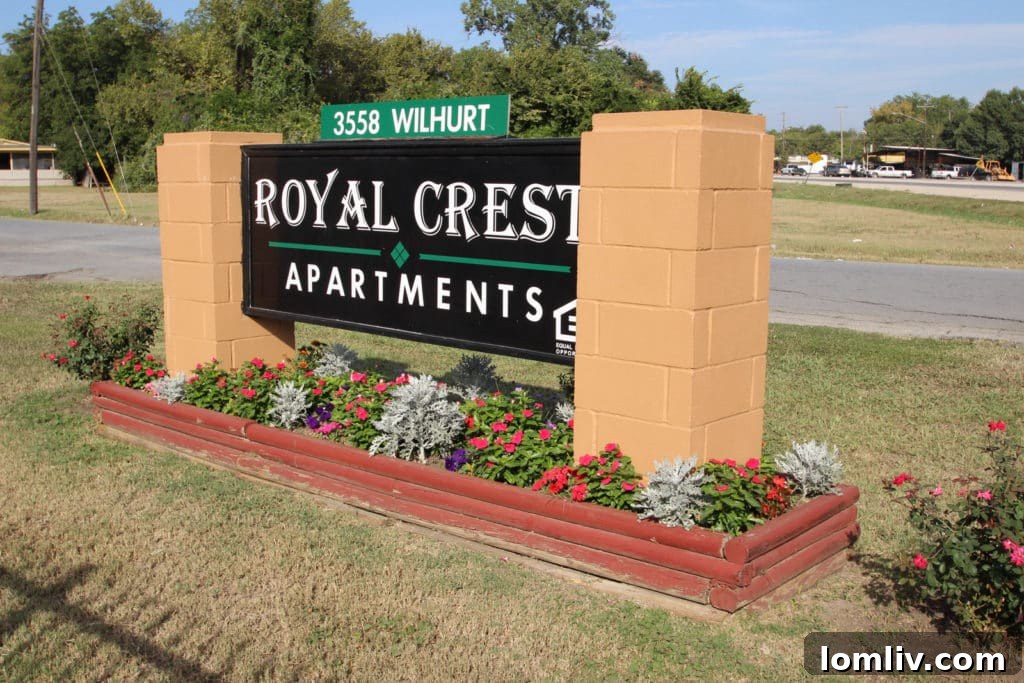
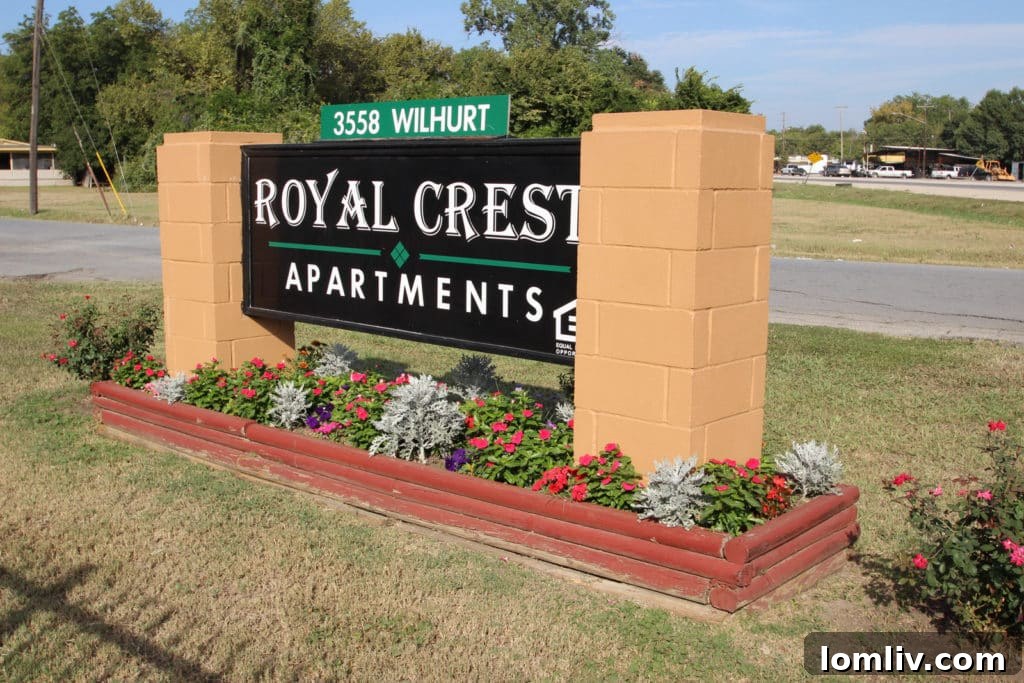
The intricate web of corruption that has cast a shadow over Dallas politics in recent years saw a significant and pivotal development this week. Jeremy “Jay” Scroggins, a prominent community figure and the head of the nonprofit Hip Hop Government, formally entered a guilty plea for his role in a substantial bribery scheme. Scroggins admitted to acting as a crucial intermediary, funneling alleged illicit payments from the influential real estate developer Ruel Hamilton to the late former city council member Carolyn Davis. This recent admission from Scroggins not only brings a key player to justice but also further illuminates the complexities and systemic vulnerabilities within local governance that have been exposed by this ongoing scandal, particularly regarding the development of the Royal Crest affordable housing project.
The Central Figures and Their Interwoven Roles in the Conspiracy
At the core of this far-reaching corruption scandal are three principal individuals, each playing a distinct yet interconnected role in the alleged illicit transactions. Ruel Hamilton, the esteemed founder and CEO of AmeriSouth Realty Group, stands accused as the primary orchestrator of the bribery scheme. Hamilton’s indictment in March on two counts of bribery sent ripples through the Dallas business and political spheres, given his considerable standing as a significant developer with numerous projects across the city. His alleged motive was to unlawfully influence critical municipal decisions and secure advantageous positions for his real estate ventures, with the Royal Crest Apartments project being a primary focus.
Carolyn Davis, a former Dallas City Council member, was identified as the alleged recipient of these unlawful payments. A long-serving and highly influential member of the council, Davis held the powerful position of Chair of the Housing Committee. This role afforded her substantial authority over urban development initiatives, especially those vital projects aimed at providing affordable housing to the community. Davis herself pleaded guilty in March, coinciding with Hamilton’s indictment, openly acknowledging her complicity in accepting bribes from a developer. Her plea agreement detailed that between November 2013 and June 2015, she illicitly received $40,000. This sum was exchanged for her active assistance in facilitating the approval and progress of an affordable housing project through the city’s labyrinthine bureaucratic and legislative processes. While her official charges subtly referred to Hamilton as “Person A,” subsequent legal proceedings and public disclosures have firmly established the direct link between Hamilton’s alleged payments and Davis’s actions.
Jeremy “Jay” Scroggins, the third central figure in this intricate web, served as the indispensable intermediary in these illegal transactions. Scroggins, 44, widely recognized as the leader of the nonprofit Hip Hop Government, now faces the severe legal repercussions of his involvement. His guilty plea, specifically to one count of misprision of a felony, serves as a formal confirmation of his explicit knowledge of the bribery scheme and his active participation in concealing its existence from federal authorities. His nonprofit organization, ostensibly established for community betterment and civic engagement, was allegedly repurposed and leveraged to facilitate the clandestine transfer of funds, thereby becoming an unwitting, or perhaps complicit, instrument in a sophisticated scheme of public corruption.
The Royal Crest Apartments: A Catalyst for Ethical Compromise
The Royal Crest housing project, an affordable housing initiative designed to address pressing housing needs within the Dallas metropolitan area, lies at the heart of these bribery allegations. While the project’s stated mission was commendable and socially significant, its approval process became deeply tainted by financial misconduct. According to the official press release issued by the Department of Justice, Council Member Davis explicitly admitted to a quid pro quo arrangement. In exchange for the aforementioned $40,000 bribe and the tempting offer of a consulting contract that would commence once her tenure on the City Council concluded, Davis actively lobbied for and cast her decisive vote in favor of authorizing a substantial $2.5 million development loan for the Royal Crest project. Furthermore, she advocated for and supported a specific City of Dallas resolution that would grant 9 percent tax credits to Royal Crest, thereby providing a critical competitive advantage over other developments that were simultaneously vying for similar, highly coveted public benefits and financial incentives.
This alleged manipulation of the city’s legislative and administrative processes starkly highlights the profound and detrimental impact of corruption on essential public services and resources. The allocation of significant public funds and valuable tax incentives, which are specifically designed and intended to benefit the broader community through the provision of affordable housing, was allegedly distorted and misdirected by motives of personal gain. This compromise irrevocably undermined the integrity of the decision-making process for vital urban development projects, potentially diverting resources from more deserving initiatives, inflating costs for the city and its taxpayers, and ultimately betraying the public trust placed in elected officials.
Scroggins’s Detailed Confession: The Mechanics of a Hidden Bribery Scheme
Jeremy Scroggins’s recent plea agreement provides an exhaustive and granular account of the intricate methods employed to funnel bribery payments from Ruel Hamilton to Carolyn Davis. This confession critically exposes the deliberate attempts to obscure and disguise the illegal financial transactions. Documents formally filed by U.S. Attorney Erin Nealy Cox and Assistant U.S. Attorney Marcus Busch meticulously outline Scroggins’s pivotal and active role as an intermediary. He explicitly admitted that for an extended period, from approximately 2014 until March 2015, he served as the crucial conduit, facilitating the clandestine transfer of these illicit funds.
To effectively mask the true nature and intent of these payments, Hamilton allegedly issued checks made payable either directly to Scroggins personally or to Hip Hop Government, the nonprofit organization he led. Scroggins, in turn, would then systematically deposit these checks, proceed to cash them, and subsequently transfer the bribe payments in untraceable cash directly to Council Member Davis. This elaborate method of payment, involving a third-party intermediary and the conversion of checks into cash, was a calculated stratagem meticulously designed to create distance between Hamilton and Davis. It deliberately aimed to make the transactions exceedingly difficult to trace, thereby providing compelling evidence of a concerted effort to commit bribery and obstruct justice.
Scroggins unequivocally admitted his full awareness of the illicit nature of the scheme, explicitly acknowledging that “at some point during the conspiracy, he became aware that the payments from Hamilton were intended to influence Davis.” More precisely, he stated that by January 8, 2015, he possessed knowledge that checks issued by Hamilton to Hip Hop Government or directly to him were unequivocally intended to sway Davis’s official governmental actions. On the very next day, January 9, 2015, he admitted to being fully aware of these bribes and actively concealing them. His deliberate failure to report this grave federal crime to the appropriate authorities formed the fundamental basis of his charge of misprision of a felony. This charge carries significant legal ramifications, including a potential penalty of up to three years in federal prison and a substantial fine of up to $250,000, which collectively underscore the severe legal consequences of his deep involvement in obscuring criminal activity and impeding the course of justice.
Hip Hop Government: From Civic Engagement to Scandalous Misdirection
Jeremy “Jay” Scroggins was widely recognized throughout Dallas for his leadership of Hip Hop Government, a nonprofit organization initially founded in 2007, with its registered address originally located in Rockwall, Texas. The organization positioned itself as a catalyst for community engagement, particularly targeting youth, and aimed to involve them in civic affairs through culturally relevant and accessible approaches. Its unexpected and deeply troubling involvement in a high-profile corruption case has subjected Hip Hop Government to intense scrutiny, tragically highlighting the inherent vulnerabilities of nonprofit entities when they are either exploited or misused for illicit activities.
Prior to the current bribery allegations, Hip Hop Government gained public attention for its notable “anti-sagging” campaign in 2008. The organization launched a distinctive “Pull ’em Up” initiative, strategically utilizing billboards to deliver its message against the practice of sagging pants. This campaign emerged as a direct response to a proposed city ordinance aimed at banning sagging, which had sparked considerable public debate and raised constitutional concerns. Hip Hop Government actively collaborated with then-Deputy Mayor Pro Tem Dwaine Caraway and other Dallas city officials, advocating for the implementation of a public education campaign—dubbed a “man law”—as a more suitable alternative to a city-mandated legal prohibition. Scroggins himself articulated the organization’s philosophical stance, stating at the time, “Hip Hop Government is not for legislating how people wear their clothes. But we are in support of people having self-respect and respecting people around them.” This historical context paints a vivid picture of an organization actively dedicated to community advocacy and civic dialogue, making its later alleged instrumental role in a bribery scheme all the more jarring and disconcerting.
However, Hip Hop Government’s operations were not without controversy even before the revelation of the bribery allegations. An investigative article penned by Jim Schutze in the Dallas Observer in 2018 brought to light critical issues concerning the organization’s management of the South Dallas Fair Park Public Improvement District (PID). This PID was specifically authorized to levy a special tax on properties situated within its designated geographical overlay, with the explicit and legally binding proviso that these collected funds were to be exclusively utilized for the enhancement and improvement of the area. Schutze’s meticulous investigation unveiled significant questions regarding the operational legitimacy and financial transparency of Hip Hop Government, especially in its capacity as a manager of public funds. He reported:
“The actual operation and management of the PID have been contracted out to an entity called Hip Hop Government, run by Jeremy “Jay” Scroggins. The message at Scroggins’ phone number said he was no longer accepting calls. On Facebook, Scroggins describes himself as a graduate of “Street University” with a “Ph.D. in common sense.”
Scroggins filed a certificate of formation with the state of Texas for Hip Hop Government, a nonprofit, in 2007, listing its address as Rockwall, Texas. In 2018, the Texas Secretary of State rescinded Hip Hop Government’s charter, apparently because it had never been granted nonprofit status by the state or federal governments.
Funded entirely from taxes collected for it by the city but operated by Hip Hop Government, whose sole employee is Scroggins, the South Dallas Fair Park PID had a total annual budget of $110,247 in 2017 and is slated to have an annual budget of $262,037 by 2023.”
This revealing passage from Schutze’s article starkly underscored the questionable non-profit status of Hip Hop Government at a time when it was actively managing and receiving substantial public funds intended for community improvement. Intriguingly, the official South Dallas Fair Park PID website remarkably continues to list Scroggins as its executive director, a situation that persists long after these critical issues came to light and, even more notably, following his recent guilty plea.
While Hip Hop Government was originally founded by Jeremy Scroggins alongside Damon Wofford and Chris Williams, it remains unconfirmed whether Wofford and Williams retain any active involvement with the organization today. Crucially, there is currently no indication or evidence suggesting that either of them has been implicated in or had any knowledge of the alleged bribery scheme, which implies that Scroggins may have acted independently in facilitating the illicit payments.
Broader Implications and Dallas’s Enduring Fight Against Public Corruption
The recent guilty plea by Jeremy “Jay” Scroggins in the Ruel Hamilton and Carolyn Davis bribery case transcends the significance of a mere individual conviction; it marks a critical and profound juncture in the city of Dallas’s ongoing and relentless battle against public corruption. This particular case, much like other high-profile corruption cases that have preceded it, starkly illuminates the insidious and pervasive nature of influence peddling, especially when such illicit activities infiltrate vital public sectors like affordable housing development. When elected public officials can be swayed and compromised by motives of personal financial gain, the very foundations of democratic governance are severely undermined, leading to an erosion of public trust and a distortion of the equitable and just distribution of essential public resources.
The perplexing involvement of a community non-profit organization such as Hip Hop Government, which was ostensibly created with noble aims of civic engagement and community empowerment, further complicates and deepens the narrative. It serves as a stark and sobering cautionary tale regarding the inherent potential for even well-intentioned or ostensibly legitimate organizations to be regrettably co-opted, misused, or outright exploited for nefarious and unlawful purposes. This unsettling development emphatically underscores the critical and urgent need for stringent oversight, robust accountability mechanisms, and unwavering transparency across all entities that handle public funds or maintain significant operational interactions with governmental processes.
As the legal proceedings against Ruel Hamilton continue to unfold and progress, the overarching focus remains steadfastly on ensuring comprehensive accountability at every level of the conspiracy. The justice system’s relentless and unwavering pursuit of all individuals who betray the public’s trust sends an unequivocal and resounding message: such egregious actions will not be tolerated and will ultimately not go unpunished. For the dedicated and discerning citizens of Dallas, this significant legal development offers a tangible glimmer of hope and reassurance that transparency, ethical conduct, and unwavering integrity can, and ultimately will, prevail. It simultaneously serves as a powerful call to action, encouraging continued vigilance from the public and demanding unequivocally higher ethical standards from their elected representatives, appointed public servants, and all those entrusted with the public good. The Royal Crest bribery scandal will undoubtedly endure as a stark and indelible reminder of the continuous, multifaceted effort required to vigilantly safeguard the integrity of public service and assiduously preserve fundamental faith in local government institutions.
Supporting documents related to Jeremy Scroggins’s case provide further insight into the legal proceedings and his background. These documents include his resume, additional information, and the plea agreement itself.
Jeremy Scroggins Resume by Bethany Erickson on Scribd
Jeremyscroggins Information by Bethany Erickson on Scribd
Jeremy Scroggins Plea by Bethany Erickson on Scribd