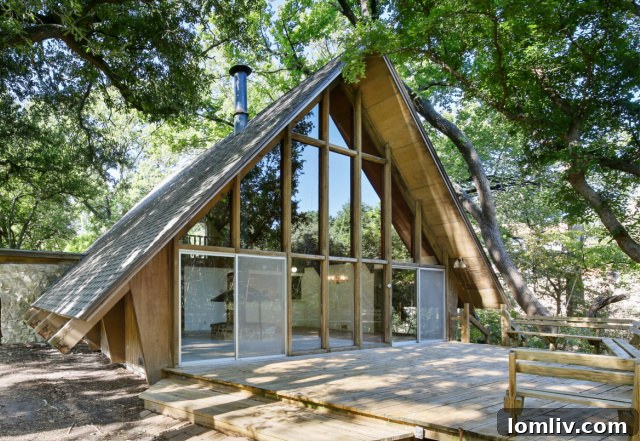
Are you captivated by the timeless allure of Midcentury Modern architecture? Do you possess a passion for preserving architectural history and breathing new life into forgotten gems? If so, an extraordinary opportunity awaits you – a chance to own and restore one of only two A-frame masterpieces ever constructed by the legendary design-build duo, Ju-Nel, nestled in a breathtaking Dallas setting.
This is more than just a house; it’s a living testament to an architectural philosophy, a rare piece of art waiting for a discerning owner. Lyle Rowley and Jack Wilson, the visionaries behind Ju-Nel, were renowned for their unparalleled ability to integrate structures seamlessly into challenging natural landscapes. Unlike developers who bulldozed their surroundings, Ju-Nel chose to build around rocks and ancient trees, creating homes that felt like an extension of nature itself. Views were not just an afterthought but a foundational element of their designs. This particular A-frame, situated on a heavily treed creek lot, stands as perhaps one of the most spectacular and naturally harmonious sites they ever graced with their distinctive architectural touch. It represents a once-in-a-lifetime chance to own a piece of architectural heritage, a canvas for your vision, and a sanctuary deeply connected to its environment.
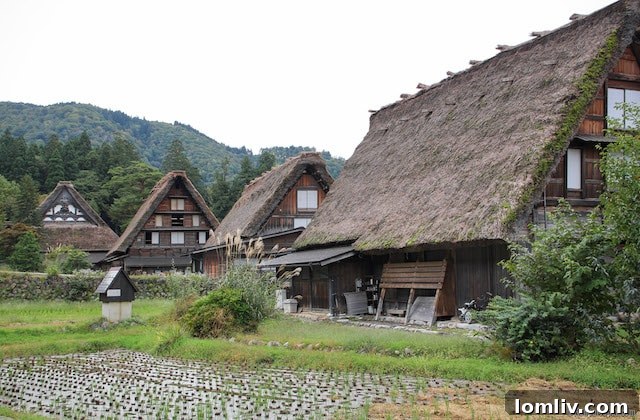
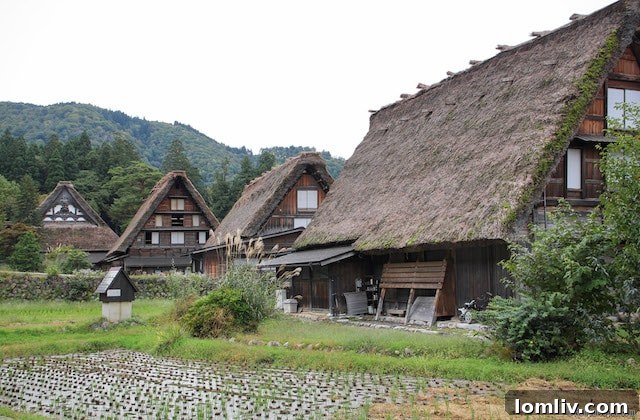
Traditional Japanese Gassho-style farmhousein Shirakawa-Go, Japan
The Enduring Global Appeal of A-Frame Architecture
The distinctive A-frame silhouette, characterized by its steeply pitched roofline that often extends to the ground, is far from a modern invention. This classic architectural style boasts an incredibly rich and diverse history, spanning centuries and cultures across the globe. From the indigenous Maori meeting houses in New Zealand to the charming Swiss chalets nestled in alpine valleys, the A-frame form has been adopted for its practicality, structural integrity, and inherent connection to nature.
Perhaps one of the most captivating examples of its ancient roots can be found in Japan, where traditional farmhouses have utilized a similar gabled construction for over 400 years. Known as “Gassho-zukuri” or “Gassho-style,” these magnificent structures feature massive, steeply thatched roofs designed to withstand heavy snowfall, particularly in regions like Shirakawa-Go. The term “Gassho” itself translates to “praying hands,” a beautiful metaphor for the way the two sides of the roof meet at the apex, creating a striking visual and structural parallel to hands clasped in prayer. These homes were not just shelters but multi-generational living spaces, providing vast attics for silk farming and other agricultural pursuits, showcasing the style’s incredible versatility and enduring functionality.
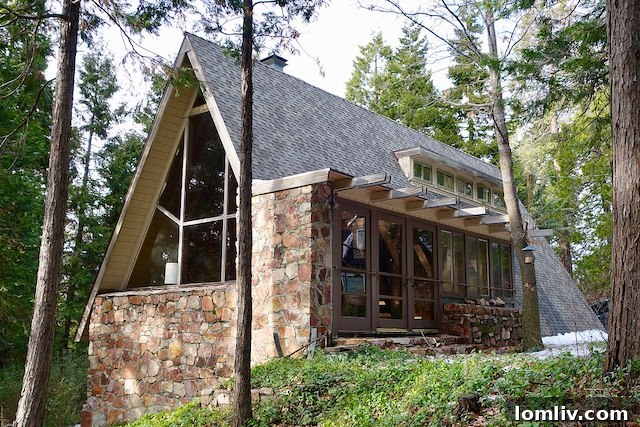
While its origins are ancient, the A-frame truly captured the modern imagination in the mid-20th century, particularly in America. Visionary architects began to re-interpret and popularize this classic form. Austrian architect R.M. Schindler, a trailblazer in California’s nascent modern architecture movement of the 1930s, played a pivotal role. In 1934, his design for the cutting-edge Bennati House in Lake Arrowhead, California, stood out as one of the earliest custom A-frames, blending rustic charm with avant-garde aesthetics. Schindler’s work laid essential groundwork for the A-frame’s eventual explosion in popularity, proving that this age-old design could be both functional and strikingly modern.
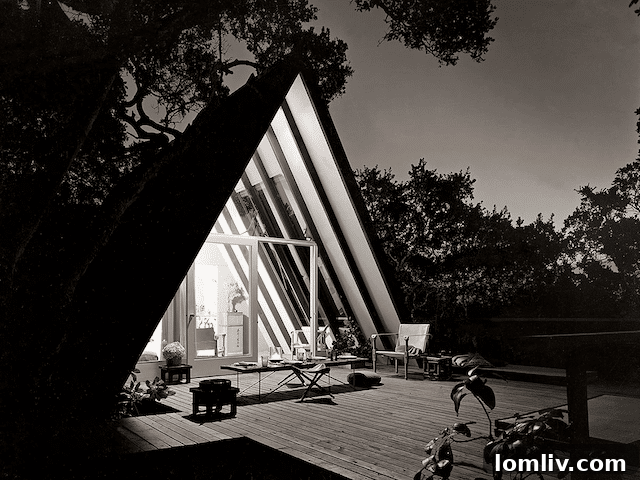
The style truly soared into the public consciousness in the 1950s. In 1952, John Campbell’s innovative Leisure House A-frame in Mill Valley, California, made a significant splash when featured in the prestigious Interiors Magazine. This exposure showcased the A-frame’s potential as a stylish yet practical vacation home. Not long after, in 1957, Andrew Geller, another influential architect, designed the iconic Reese A-frame on the West Coast, garnering even wider acclaim through its publication in the esteemed New York Times. The combined publicity generated by these two architectural pioneers, coupled with the A-frame’s inherent affordability, practical construction, and undeniably cool, whimsical design, solidified its place in the American heart. It represented a democratic ideal of homeownership—a charming, modern retreat accessible to many, embodying the spirit of post-war optimism and a yearning for connection with nature.
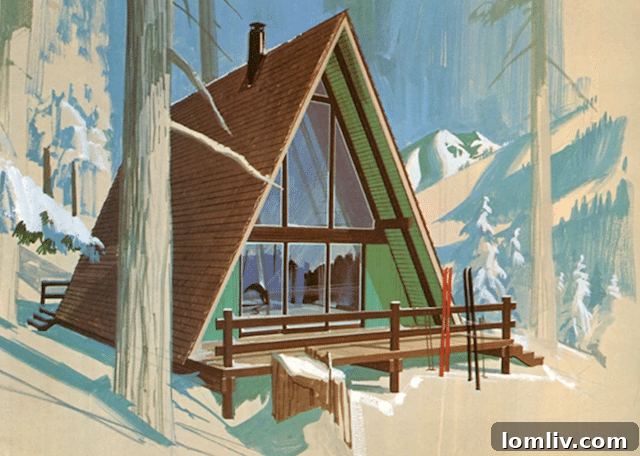
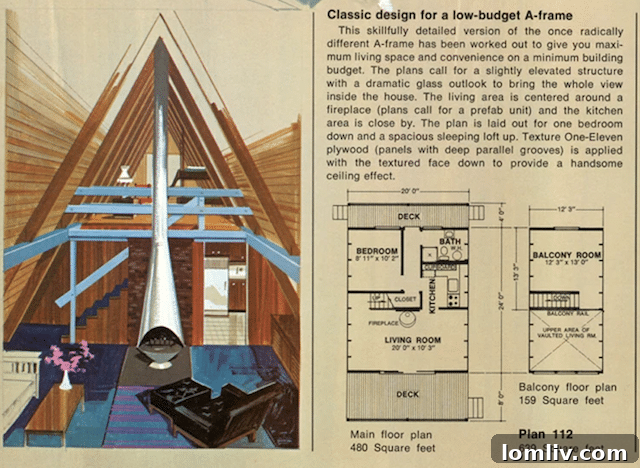
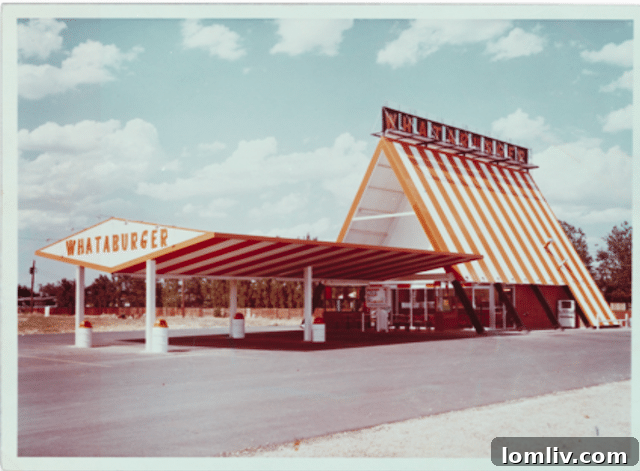
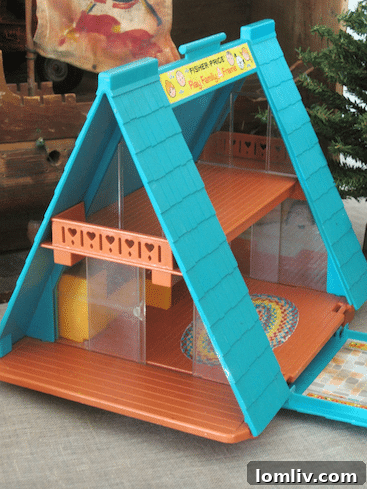
The A-frame’s popularity reached such a fever pitch that it became a truly mainstream phenomenon. Sears, the iconic American retailer, even offered A-frame kits, empowering everyday families to build their own vacation homes with relative ease. This marked a significant point, transforming the A-frame from an architectural curiosity into a symbol of attainable leisure and individual expression. Its presence wasn’t limited to residential design; in 1961, Texan entrepreneur Harmon Dobson, founder of the beloved Whataburger chain, famously adopted the distinctive orange-and-white striped A-frame for his restaurants. This brilliant architectural branding made the A-frame an instantly recognizable symbol across the American landscape. The style’s pervasive influence reached its zenith when even Fisher-Price, the renowned toy company, embraced the form, releasing an A-frame dollhouse. This playful adaptation signaled the style’s complete cultural saturation, suggesting that the A-frame had indeed become an undeniable part of the American psyche.
The Resurgence: How Everything Old Becomes New Again
As with all popular trends and architectural crazes, widespread adoption can sometimes lead to commonality, and with commonality, a dilution of significance. What was once novel and special can, over time, become ubiquitous, losing its distinct charm. This is precisely what happened to the A-frame; its very popularity paradoxically led to a temporary decline in its perceived uniqueness.
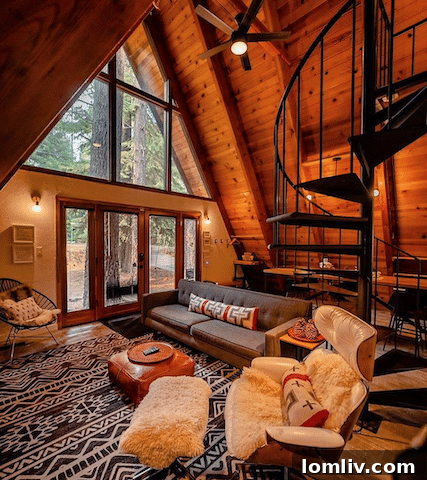
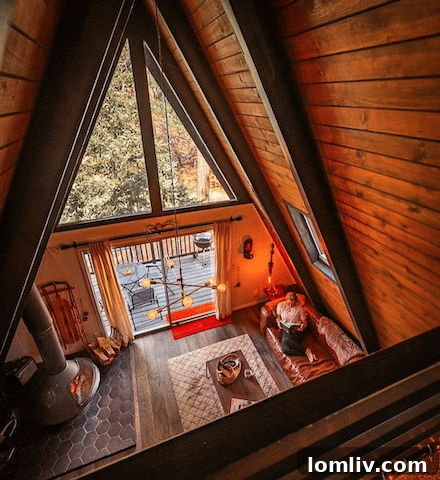
However, the adage “everything old is new again” could not be more apt when it comes to the A-frame. Design cycles are a natural phenomenon, and after a period of being overlooked, the A-frame has made a magnificent and undeniable resurgence. This iconic silhouette has reclaimed its status as a highly sought-after architectural style, particularly for those seeking unique retreats and a strong connection to nature. Across the world, new construction A-frames are appearing, blending modern amenities with classic design principles. Social media platforms, particularly Instagram, are flooded with inspirational accounts like @aframedaily, showcasing stunning contemporary and renovated A-frames that appeal to a new generation of design enthusiasts and nature lovers. Digital publications regularly feature these charming homes, highlighting their minimalist aesthetic, cozy interiors, and suitability for remote living or vacation escapes. The A-frame, once a symbol of attainable leisure, is now also a symbol of thoughtful design, sustainable living, and a return to architectural forms that inherently embrace their surroundings.
A Dallas Masterpiece: The One-of-a-Kind Ju-Nel A-Frame Awaits Your Vision
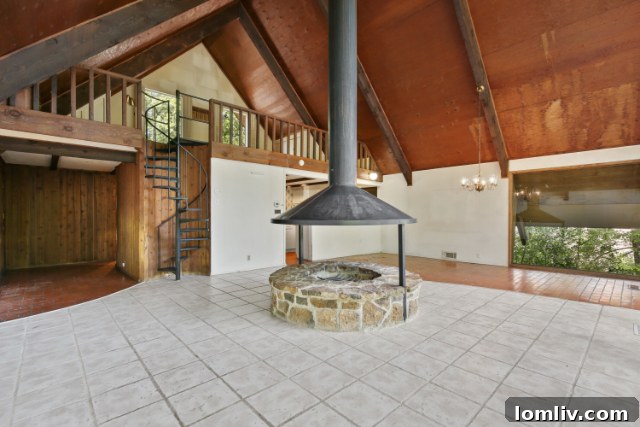
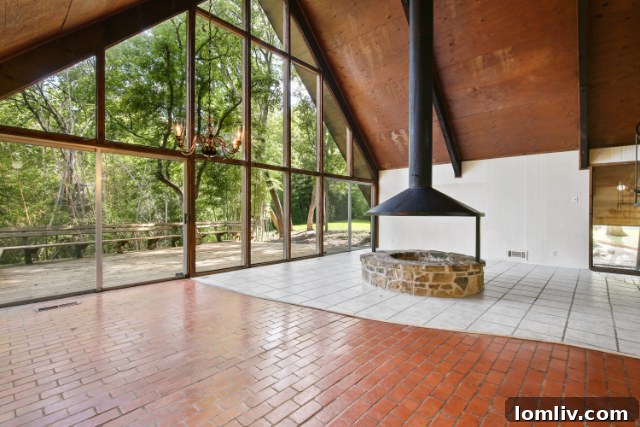
While new A-frames capture contemporary imaginations, the true connoisseur understands the unparalleled value of an original, particularly one with the provenance of Ju-Nel. In the entire Dallas area, there is only one original Ju-Nel A-frame available, offering a truly unique proposition for those seeking to own a piece of architectural history. This exceptional property, boasting 3,773 square feet, five spacious bedrooms, and three bathrooms, is set on nearly an acre of heavily treed land. It provides an expansive canvas for your imagination, inviting thoughtful renovation and a sensitive revitalization that honors its Midcentury Modern heritage while infusing it with modern comforts.
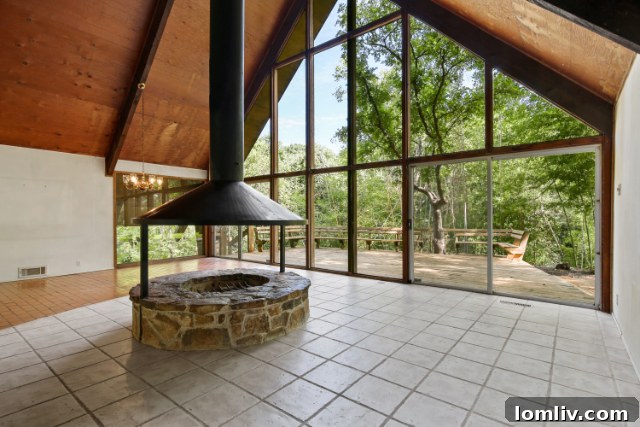
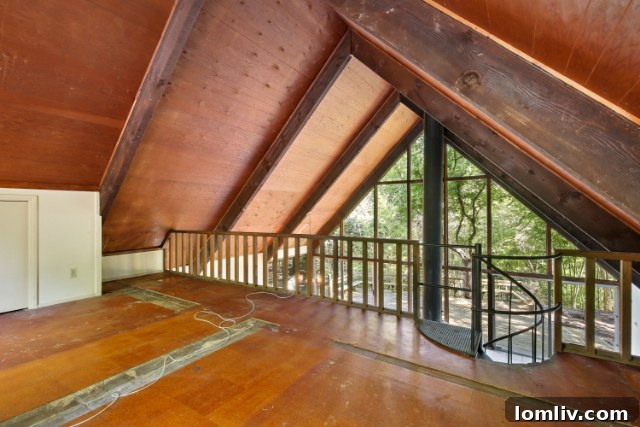
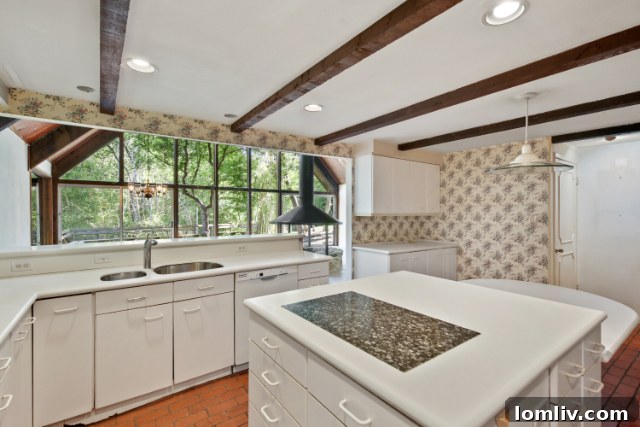
The crown jewel, the pièce de résistance, of this home is undoubtedly its dramatic A-frame living space. Soaring ceilings and expansive windows frame breathtaking views of the lush backyard and the tranquil creek beyond, creating an immersive experience with nature. An enormous, commanding brick fireplace anchors one side of the living room, promising cozy evenings and serving as a timeless focal point. Above this grand space, an extraordinary loft area overlooks the living room, offering an intimate retreat or a creative workspace. This loft further extends to an inviting roof deck, providing a private outdoor sanctuary perfect for morning coffee, evening cocktails, or simply basking in the serenity of the surrounding canopy. Imagine the possibilities for transformation: restoring original wood details, modernizing the kitchen and bathrooms with period-appropriate yet contemporary finishes, and enhancing the outdoor living spaces to fully capitalize on the secluded, natural beauty of this remarkable creek lot.
A Vision for the Future: “It Will Be Amazing”
“This is an extraordinary opportunity to rehabilitate and revitalize an authentic Ju-Nel Midcentury Modern masterpiece,” affirms John Angell, the passionate Paragon Realtor representing this unique listing. His enthusiasm is palpable, reflecting the profound potential held within these walls. “This is my favorite listing of all time. I was even trying to figure out how I could buy it myself!” he exclaims, a testament to the property’s undeniable appeal and the creative inspiration it sparks. Angell’s personal vision for the property is nothing short of breathtaking: “I wanted to build a suspension bridge over the creek and have a pool over there. I’m genuinely excited to see what happens. It will be amazing.”
His words underscore the immense scope for transformation that awaits a new owner. This isn’t just a renovation project; it’s a chance to honor the legacy of Ju-Nel’s nature-centric design while imbuing the home with contemporary luxury and personalized touches. The expansive lot, the serene creek, and the distinctive A-frame structure provide an unparalleled foundation for creating a truly bespoke sanctuary. Whether you dream of a meticulously restored Midcentury Modern gem or a bold, reimagined retreat that seamlessly blends classic design with cutting-edge amenities, this Ju-Nel A-frame offers the space, the history, and the natural beauty to bring that vision to life. It’s a rare chance to own a significant piece of Dallas architectural history and create a future masterpiece.
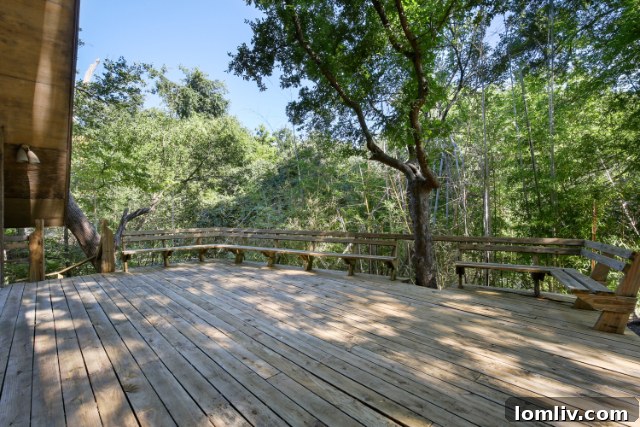
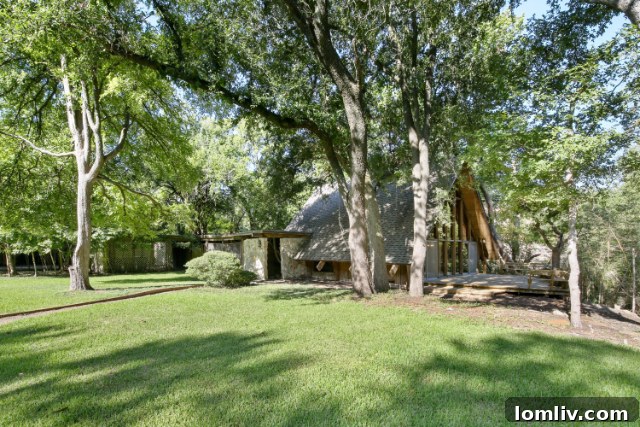
This exceptional Ju-Nel A-frame at 9023 Capri Drive, Dallas, TX 75238, is currently listed for $600,000 by Paragon Realtor John Angell. Don’t miss this rare opportunity to own a piece of architectural history and embark on a truly amazing preservation project.
Open House: Sunday, September 5, 2024, from 2-5 p.m.