

Embarking on the journey of homeownership is an exhilarating experience, often filled with dreams of finding the perfect sanctuary. However, beneath the fresh coat of paint and charming curb appeal, every home holds secrets. This is where a professional home inspection becomes an invaluable shield, uncovering potential issues that could turn your dream home into a financial nightmare. At daltxrealestate.com, we believe that an informed buyer is a powerful buyer. That’s why we’re inviting you to put on your inspector’s hat today as part of our ongoing series, #UponCloserInspection.
We’ve gathered some revealing images from the field—real scenarios encountered during actual home inspections. Your mission, should you choose to accept it, is to identify these common yet critical home inspection finds. Not only will this test your knowledge of home maintenance and safety, but it will also equip you with the insights needed to approach your next real estate transaction with greater confidence and a keen eye for detail. Let’s dive in and see what hidden problems you can spot!
1. The Electrical Panel: A Critical Hub of Home Safety
We’ll begin with a seemingly straightforward component that is anything but simple: the electrical panel. Often tucked away in a garage or basement, this unassuming box is the heart of your home’s electrical system, distributing power and, more importantly, ensuring safety. Take a close look at the image below; there are numerous red flags that scream for immediate attention.
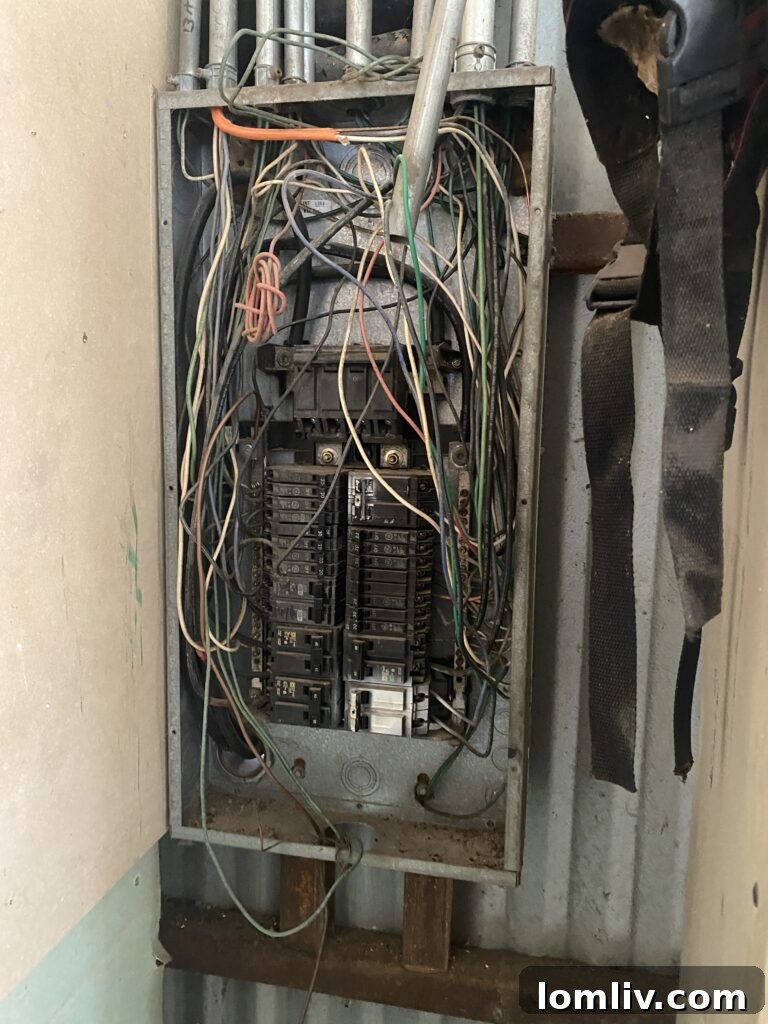
Did you catch the array of issues? The most glaring problem is the sheer disarray of loose and tangled wires. This isn’t just an aesthetic concern; it’s a significant fire hazard. Wires that are not properly secured can fray, arc, or overheat, posing a serious risk to your home and family. Adding to this danger are sharp edges within the panel, which can easily nick wire insulation, leading to short circuits or electrical shocks.
Furthermore, notice the conspicuous absence of a cover plate on the panel box. This exposes live electrical components, making accidental contact and electrocution a terrifying possibility. The pipe that appears to be haphazardly hanging within or near the panel is another cause for alarm. Depending on its purpose—whether it’s a water line, gas pipe, or just an unused conduit—its proximity to live electricity creates additional risks, from potential leaks damaging electrical components to creating a dangerous path for current.
Another critical issue, often overlooked by the untrained eye, is the presence of mismatched breakers. Electrical panels are designed to work with specific types and brands of circuit breakers. Using a GE panel box with non-GE breakers, for instance, can compromise the system’s ability to properly trip and cut power during an overload, increasing the risk of electrical fires. A breaker must be “UL Listed” for the specific panel it’s installed in to ensure proper function and safety.
And then there’s the tell-tale white and silver discoloration on the top right breaker. This is a chilling sign that the breaker has experienced overheating or even caught fire previously. Given the chaotic state of this panel, there’s an alarmingly high probability that this dangerous situation could recur.
Perhaps the most insidious find in this panel is the presence of aluminum wiring. While commonly used in homes built between the mid-1960s and early 1970s due to its cost-effectiveness compared to copper, aluminum wiring was later found to be a significant cause of house fires. It expands and contracts more than copper when heated, leading to loose connections at outlets, switches, and the panel itself. These loose connections can create arcing, overheating, and ultimately, fires. If you encounter aluminum wiring in a pre-1972 home, it should be thoroughly evaluated and remediated by a qualified electrician, often through methods like COPALUM or AlumiConn connectors.
This “Panel Box From Hell” is essentially an electrician’s goldmine, representing thousands of dollars in necessary repairs and upgrades. It underscores the critical importance of having a licensed and experienced electrician assess any suspicious wiring or panel configurations. In contrast, a well-maintained and properly installed electrical panel provides peace of mind, operating efficiently and safely, as shown below:
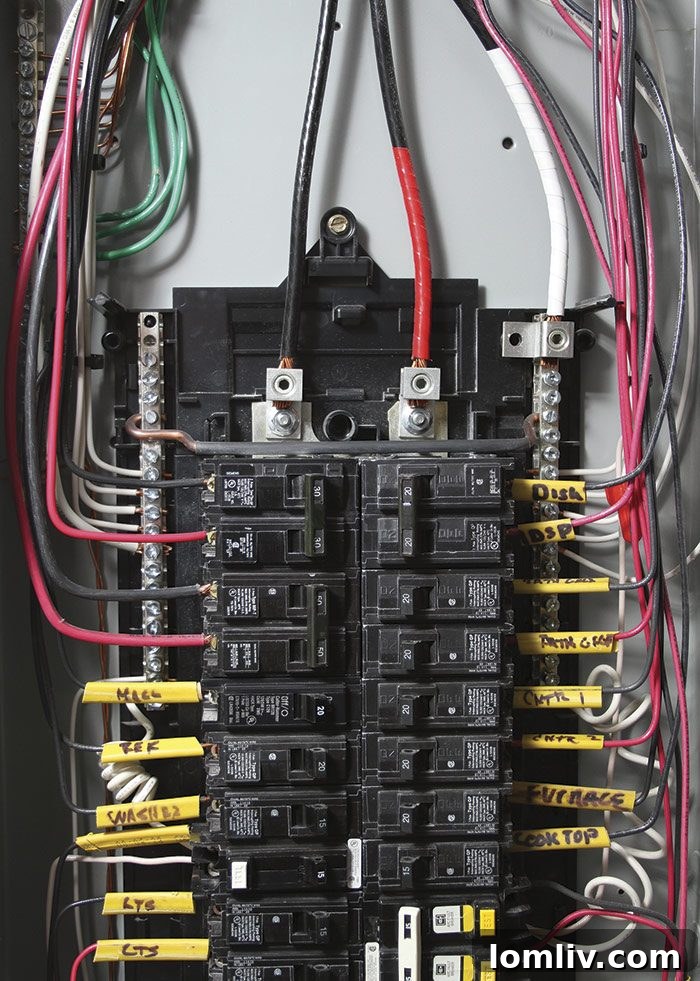
A safe panel box features neatly organized wires, correctly matched and properly seated breakers, clear labeling, and, crucially, an intact cover plate protecting all internal components. This organized structure minimizes risks and ensures the home’s electrical system functions as intended, providing reliable and safe power distribution.
2. Kitchen Quirks: More Than Just Cosmetic Flaws
Moving from the utilitarian heart of the electrical system to the functional and aesthetic core of many homes—the kitchen. This next challenge is a bit more subtle, requiring a keener eye for detail. At first glance, this kitchen might appear perfectly acceptable, but a closer examination reveals issues that could signify deeper problems.
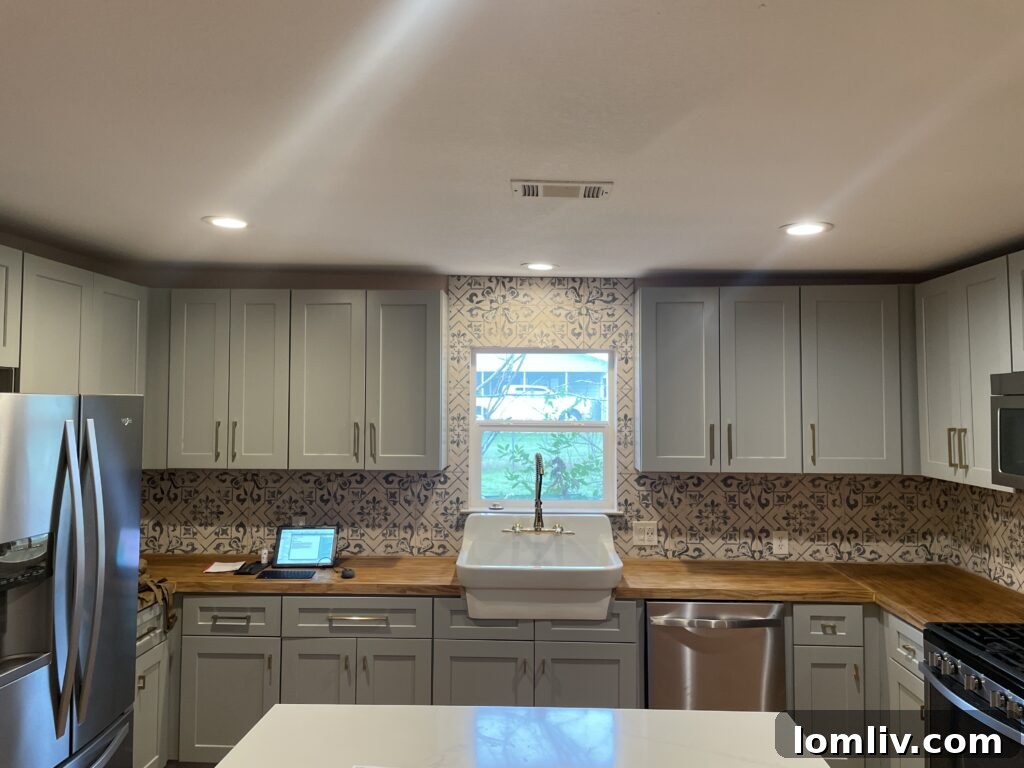
Need a hint to uncover the hidden flaw? Direct your gaze upwards, towards the ceiling line where the cabinetry meets the wall. Pay particular attention to the distance between the top of the cabinets and the ceiling itself.
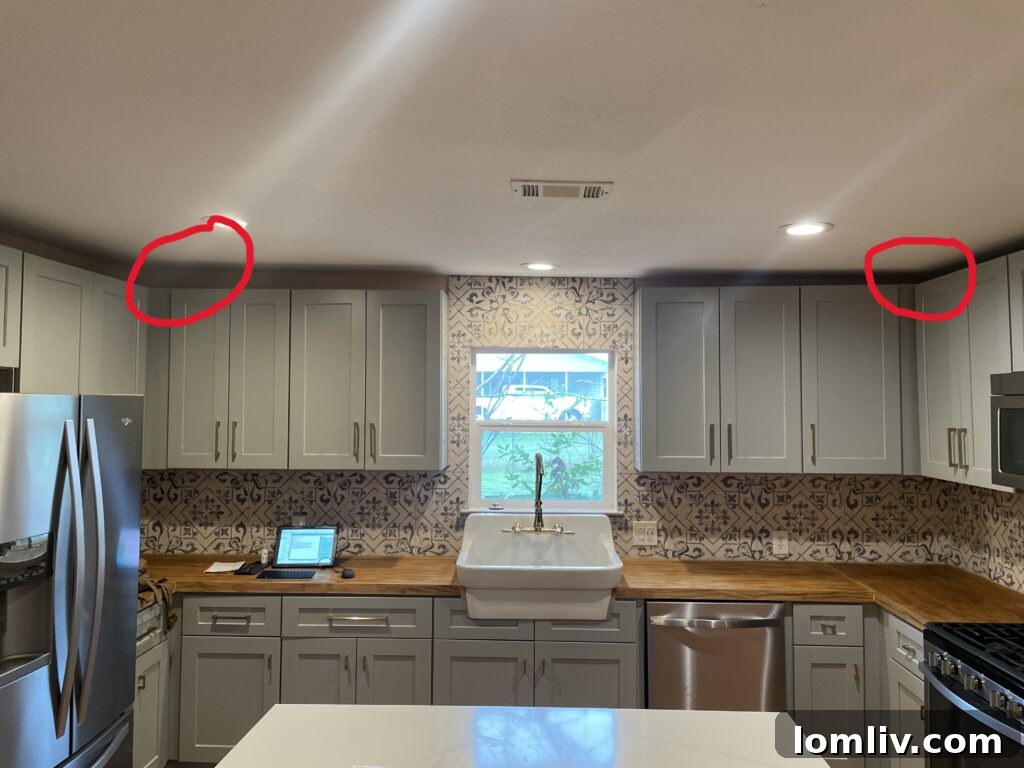
If you noticed the significant discrepancy in the gap between the cabinets and the ceiling from one side of the room to the other, you’ve hit upon a critical issue! There’s a noticeable difference of several inches, indicating that something went seriously awry. This isn’t merely an aesthetic misstep; it points to one of two significant problems, both with potentially substantial implications for the homeowner.
Firstly, it could be a sign of poor installation. Shoddy workmanship, perhaps from an inexperienced installer or a rushed renovation, could result in cabinets being hung unevenly. While primarily a cosmetic issue that can impact the functionality of doors and drawers, severe misalignment can also compromise the structural integrity of the cabinetry, potentially leading to cabinets detaching from the wall over time, especially if heavily loaded. This would require professional adjustment or reinstallation, which can be costly.
More alarmingly, uneven cabinet installation can be a symptom of a deeper, more severe issue: foundation problems. If the floor or ceiling of the room is out of level due to foundational settlement or shifting, it becomes impossible to install cabinets perfectly straight. Foundation issues manifest in various ways, including cracks in walls and ceilings (especially near doors and windows), doors and windows that stick or don’t close properly, and noticeably sloping floors. These issues are often progressive and can lead to significant structural damage if not addressed promptly by a qualified structural engineer or foundation specialist.
Distinguishing between poor installation and foundation issues requires the expertise of a professional home inspector. While cosmetic fixes are relatively straightforward, addressing foundation problems can involve extensive and costly repairs, impacting the home’s safety, stability, and resale value. This kitchen, therefore, offers a stark reminder that what appears to be a minor flaw can often be a window into a much larger underlying problem within the home’s structure.
3. Foundation Fails: The Perils of DIY Structural Repairs
The foundation is literally the bedrock of your home, providing stability and support for the entire structure. When it comes to foundation issues, professional intervention is almost always necessary. Yet, some intrepid homeowners, eager to save a few dollars, venture into the realm of DIY foundation repair, particularly with pier and beam foundations that offer crawlspace access. While commendable in spirit, these efforts often lead to critical and dangerous failures. Observe the image below and identify the fundamental flaws in this attempted “fix.”
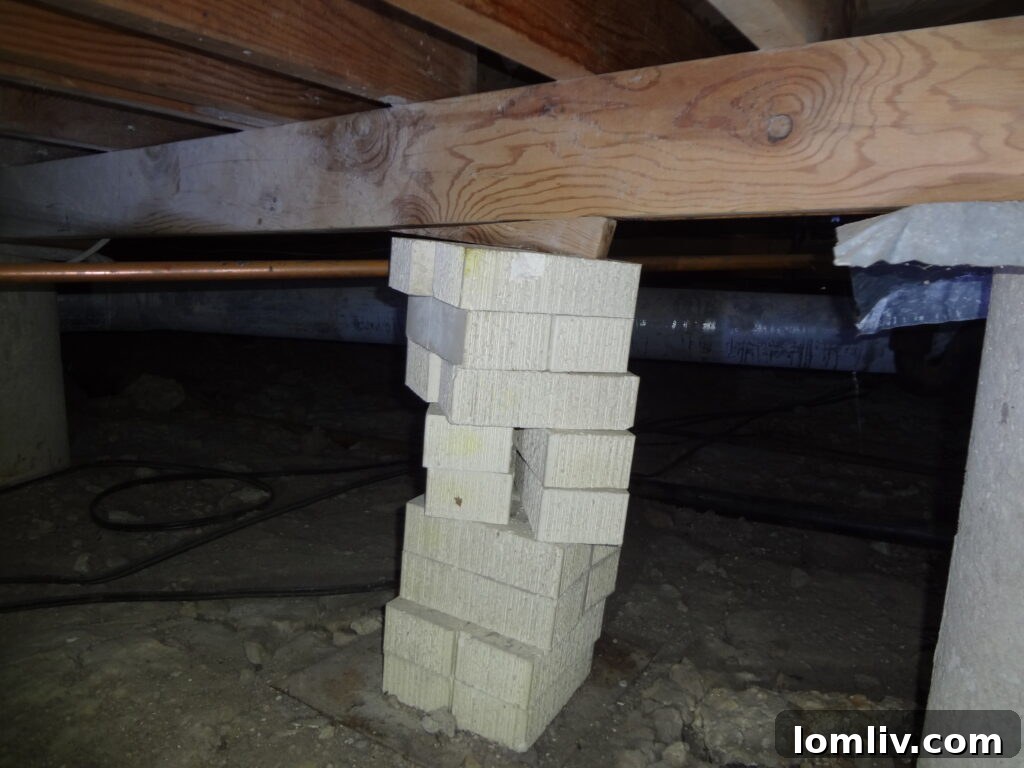
It’s not hard to see that this “repair” bears a striking resemblance to a precarious tower of Jenga, rather than a sound structural intervention. The homeowner’s attempt to address perceived sagging or movement in a beam involved using a motley collection of materials: a wooden board as a base, some loose bricks, and a small wedge. This approach is fraught with multiple critical problems that undermine the very stability it aims to achieve.
Firstly, the use of wooden pieces for structural support in a crawlspace environment is a cardinal sin in construction. Wood is highly susceptible to moisture absorption, which inevitably leads to rot, weakening its load-bearing capacity over time. Moreover, damp wood is an irresistible beacon for wood-destroying insects such as termites and carpenter ants, inviting infestations that can spread throughout the entire house and cause widespread structural damage. Unlike durable concrete or steel, wood in such conditions will compress, deteriorate, and fail quickly, often exacerbating the original problem.
Secondly, the loose bricks used in this “repair” offer virtually no long-term stability. Unmortared bricks are not designed to carry significant structural loads in this manner; they can shift, crumble, and fall apart easily, as evidenced by their already haphazard appearance. This creates an unstable support system that fails to properly distribute the weight from the beam above, leading to uneven settling and potentially greater damage to the floor joists and subfloor.
A professional foundation repair, especially for pier and beam structures, adheres to strict engineering principles and utilizes appropriate, durable materials. Instead of makeshift supports, a proper repair might involve adding steel shims to existing concrete piers or installing new, properly constructed concrete piers with stable footings to level out the floor. These methods ensure even weight distribution and long-term stability, often accompanied by measures like crawlspace encapsulation or improved ventilation to manage moisture, which protects the entire foundation system from decay and pests.
Consider the contrast with a professionally executed pier and beam repair, as shown in the image below. This example demonstrates robust, engineered solutions designed to withstand the test of time and support the home’s structure reliably.
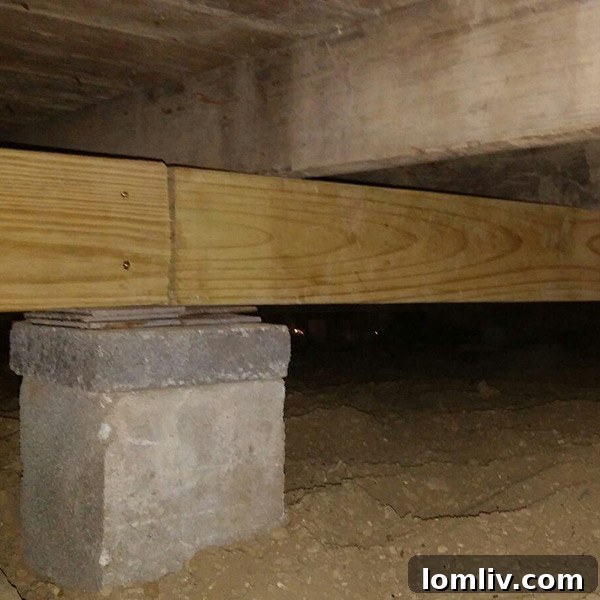
Attempting DIY foundation repairs not only risks immediate failure but also often leads to much more extensive and costly professional repairs down the line. Beyond the structural risks, navigating a crawlspace can be dangerous, exposing homeowners to hazardous conditions. For any suspected foundation issues, consulting a reputable foundation repair specialist is not just advisable; it’s essential for the safety and longevity of your home.
So, how did you fare on your inspection challenge? Whether you pinpointed every issue or learned something new today, you’ve taken a significant step toward becoming a more informed homeowner or prospective buyer. Understanding these common home inspection finds is crucial for making sound real estate decisions, protecting your investment, and ensuring the safety of your living environment.
A professional home inspection is far more than a formality; it’s a vital diagnostic tool that provides a comprehensive assessment of a property’s condition, from its structural integrity to its intricate systems. It empowers you with the knowledge to negotiate effectively, plan for future maintenance, or walk away from a problematic deal. Keep honing your inspection skills and stay vigilant!
For more deep dives into critical home inspection topics and to expand your knowledge base, visit daltxrealestate.com and explore our “Categories” section. Click on Upon Closer Inspection to continue your learning journey or to explore more #houseporn for fixer-upper enthusiasts and real estate junkies like us. Your next informed decision starts here!