

Dallas, a city known for its vibrant growth and dynamic skyline, faces an alarming challenge: the rapid disappearance of its irreplaceable architectural heritage. Over the past year, the rate at which historically significant homes are being lost to demolition has reached critical levels, prompting a collective outcry from residents, preservationists, and concerned citizens alike. These are not merely old buildings; they are tangible links to Dallas’s past, embodying the vision of pioneering architects and reflecting the evolving story of our community.
The recent demolition of a magnificent 1932 Clifford D. Hutsell home on Lakewood Blvd sparked a wave of dismay across social media platforms. The passionate discussions that followed unveiled a crucial knowledge gap: many homeowners and enthusiasts are unaware of the practical steps they can take to safeguard a historic property, especially if it lies outside the protective umbrella of a designated historic or conservation district. This realization ignited a personal quest to uncover viable solutions.
In my pursuit of answers, I engaged with a diverse array of experts – from city officials and experienced real estate agents to dedicated preservation offices and seasoned real estate lawyers. The overarching sentiment was consistent: the challenge of protecting these homes is complex and multifaceted. Yet, as the adage goes, “nothing worth doing is ever easy.” This journey revealed two prominent and effective strategies that repeatedly surfaced as the most viable paths forward: establishing a deed restriction and/or pursuing historic landmark designation for the property.
Safeguarding History: The Power of Deed Restrictions
Let’s begin by exploring deed restrictions, a potent and often swifter method for ensuring the longevity of your historic home. These legally binding agreements are recorded with the property’s deed, imposing specific limitations or requirements on its use and development. Dallas-based Realtor, Douglas Newby, stands out as a leading advocate and expert in utilizing deed restrictions, boasting a remarkable track record of success in preserving significant architectural treasures.
One of Newby’s most compelling preservation achievements involved the exquisite 1924 Normandy-style cottage at 3211 Mockingbird Lane, a masterwork by architect Mark Lemmon. Lemmon, hailed by Edmund P. Pillsbury, former director of the Kimbell Art Museum, as the preeminent historicist architect of 20th-century Dallas, left an indelible mark on the city’s architectural landscape. This particular cottage, though modest in size, occupied a coveted double lot in Highland Park, making it a prime target for redevelopment.
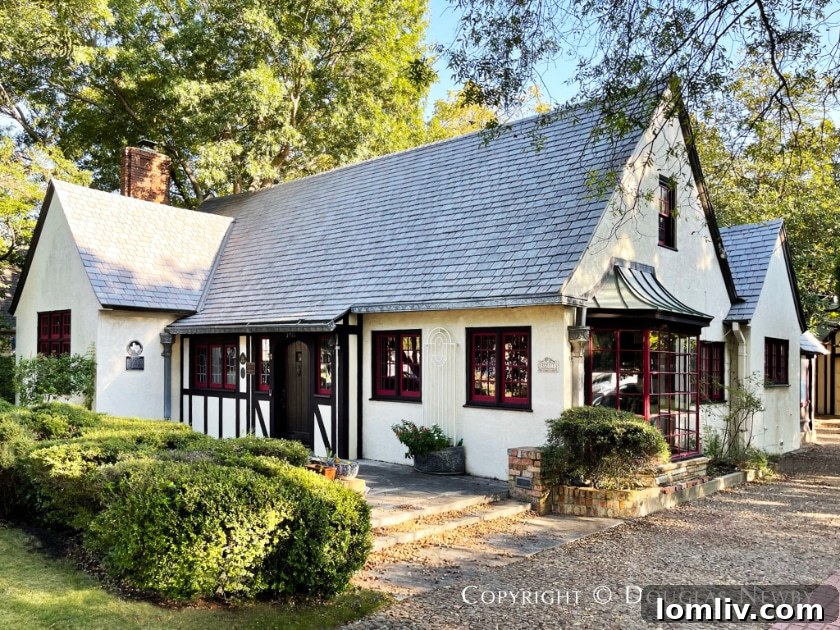
“The preservation of this home was paramount to the seller, precisely because it was a small, architecturally significant structure on a valuable lot,” Newby explained. “Fortuitously, the buyer specifically sought out an historically and architecturally significant home with absolutely no intention of demolition. For them, the deed restrictions were not a deterrent but an assurance, aligning perfectly with their vision. These restrictions were simply integrated into the property’s recorded deed. This strategy empowers homeowners to dictate the future of their property, providing peace of mind. The sellers and I had discussed this approach two decades before they decided to sell, and they cherished knowing their home would be preserved when the time came.”
A common concern voiced by some real estate professionals is that imposing deed restrictions might narrow the pool of potential buyers. However, this perspective often misses the point entirely. If your primary goal is preservation, then intentionally filtering your buyer base to attract only those who share your commitment to safeguarding the home’s unique character is not a limitation, but a strategic advantage. You are not just selling a house; you are selling a piece of history to a steward who will cherish it.
Interestingly, buyers who actively seek out historic homes often demonstrate a deeper appreciation for their architectural and cultural value. This can translate into a willingness to pay a premium—sometimes even above the appraised value—because they understand the profound significance of their acquisition. Far from diminishing market appeal, thoughtfully crafted architectural deed restrictions can actually enhance a property’s desirability among a discerning niche market.
“Many mistakenly believe that preservation deed restrictions will depress a home’s sales price,” Newby elaborated. “My experience consistently proves the opposite. I have successfully sold properties with deed restrictions specifically protecting the front facade – effectively preventing demolition – at prices exceeding their appraised values. A prime example is the distinguished David Williams-designed home located at 6292 Mercedes Avenue in the charming Wilshire Heights neighborhood. Its protected status made it even more appealing to the right buyer.”
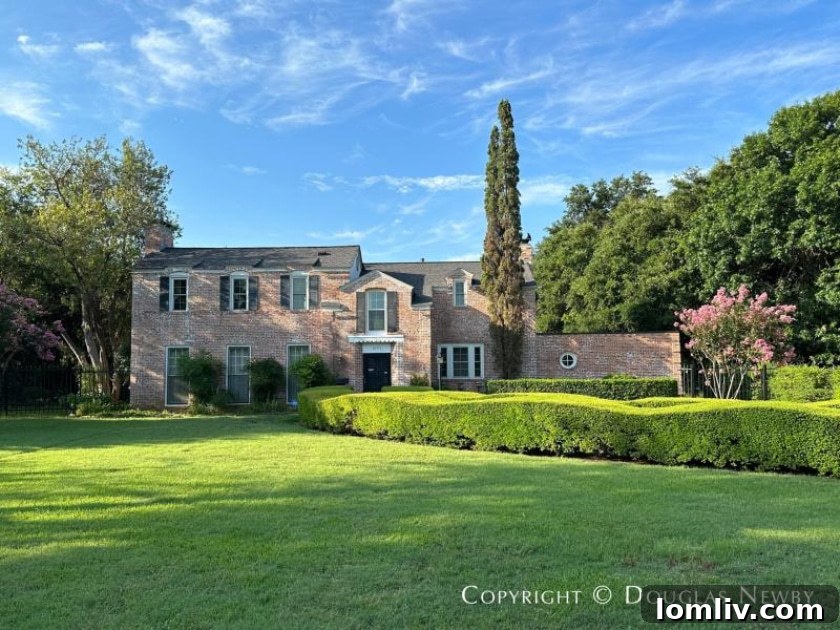
Ever the diligent researcher, I also sought expert legal perspectives on the intricacies of deed restrictions. Scott Rooker, Senior Vice President, Branch Manager, and Legal Counsel at Republic Title, provided invaluable insights. “Deed restrictions demand meticulous drafting,” Rooker advised. “They are recorded to ‘run with the property,’ meaning they bind all subsequent owners. Therefore, when you transfer ownership of a property, any restrictions on its use must be detailed, explicit, and unambiguously spelled out in the deed itself. Crucially, these restrictions cannot violate public policy, endanger health or welfare, or create a nuisance within the community.”
Further legal clarification came from Derrick Long, an attorney with Penfold & Long, P.C., who also serves as an attorney and escrow officer with Chicago Title Insurance Company. Long confirmed, “You are legally permitted to file a deed restriction as long as it does not contravene any existing laws. The primary risk, however, lies in the unpredictable future of surrounding properties, especially if the restriction is designed to benefit only a single home.” This highlights a significant point: isolated deed restrictions can be more vulnerable to challenges over time.
To mitigate this risk and bolster the enforceability of your preservation efforts, consider involving your neighbors. If, for example, homeowners on either side of your property, or ideally an entire block, participate in establishing reciprocal deed restrictions, the benefits become undeniable. Such collective action clearly demonstrates that the restrictions serve to protect and enhance the distinct character of the entire neighborhood, not just an individual home, thereby strengthening their legal standing and community support.
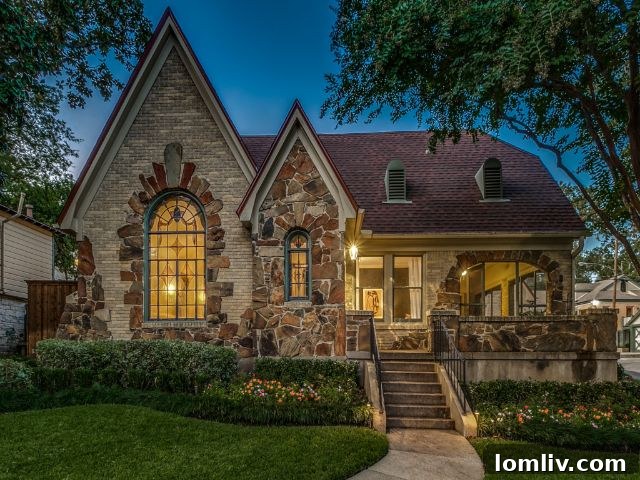
Christopher I. Clark, a partner at Fox Rothschild LLP, emphasized that the most significant hurdle with deed restrictions often revolves around enforcement. “A deed restriction must be both reasonable and not contrary to public policy,” Clark cautioned. He cited the unfortunate historical reality of discriminatory deed restrictions against people of color that once existed in parts of Dallas; these, of course, are illegal under federal law and would be immediately struck down.
“This very issue of enforcement is precisely why many neighborhoods pursue historic or conservation district status,” Clark explained. “When a district is designated, the city itself becomes the enforcing party, lending significant legal weight and resources to uphold the restrictions. Without a common framework or a set of reciprocal covenants binding multiple properties, determining who has the standing and means to enforce individual restrictions can become a complex and costly legal challenge for private citizens.”
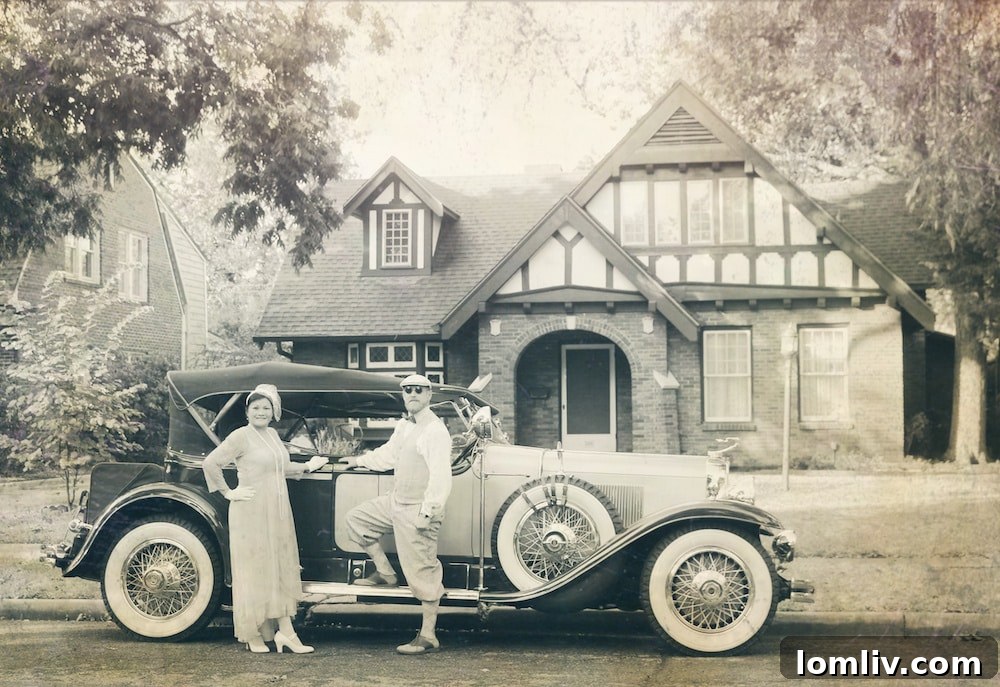
Official Protection: Landmarking Your Historic Home
The social media discussions often veered into questions about why the Dallas Landmark Commission or Preservation Dallas doesn’t intervene to halt historic home demolitions. It’s crucial to understand that neither of these entities acts as an automatic “preservation police” force. Their roles are primarily to facilitate and support proactive preservation efforts initiated by homeowners and communities. If an owner has not taken the necessary steps to protect their property, external bodies often lack the legal authority to prevent demolition. This brings us to the second, more comprehensive method of protection: landmarking a home.
“Landmarking is unequivocally the most robust way to protect historic homes,” asserted Andreea Udrea, Assistant Director of Urban Planning for the City of Dallas. “By pursuing this designation, you engage an impartial, city-based commission whose mandate is to ensure the long-term preservation of architecturally significant properties.” This official recognition provides a strong legal shield against demolition and inappropriate alterations.
Katherine Singleton, Chief Preservation Planner at The City of Dallas Office of Historic Preservation, echoed this sentiment, emphasizing the tiered effectiveness of city-led preservation. “The most potent form of protection for historic homes comes from a neighborhood-wide historic or conservation district designation. Historic designation, in particular, empowers the city with the authority to explicitly prohibit the demolition of residences within that district, offering the highest level of security.” While individual landmarking is powerful, district designations leverage collective historical value for broader protection.
It’s important to set realistic expectations: nothing moves at lightning speed within City Hall. Bureaucracy, while sometimes frustrating, often serves to ensure due diligence and public process. Compounded by staffing limitations and a substantial volume of requests, the landmarking process is not a quick fix. However, for those genuinely committed to the enduring preservation of their historic home, initiating this process is a vital first step. The entire journey, from application to final designation, can realistically take approximately a year, involving considerable research and paperwork. This investment of time and effort, however, yields unparalleled long-term security for your property.
Homeowners can opt to manage the application process themselves, or, for added efficiency and expertise, engage a professional consultant, such as a preservation architect. These specialists can conduct the necessary historical research, compile documentation, and navigate the intricate application forms on your behalf. Importantly, the mere act of initiating the paperwork for landmark designation confers a degree of immediate, interim protection. This ‘initiation for pre-designation’ status signals intent and can deter potential buyers with demolition plans.
“We offer an initiation for pre-designation,” Singleton explained. “If homeowners intend to sell and wish to prevent their home from being torn down, they can initiate the designation process. It is crucial to inform any prospective buyers of this ongoing process, and naturally, there’s an established appeal process within a specific timeframe should there be objections.” This transparency ensures that all parties are aware of the preservation efforts underway.
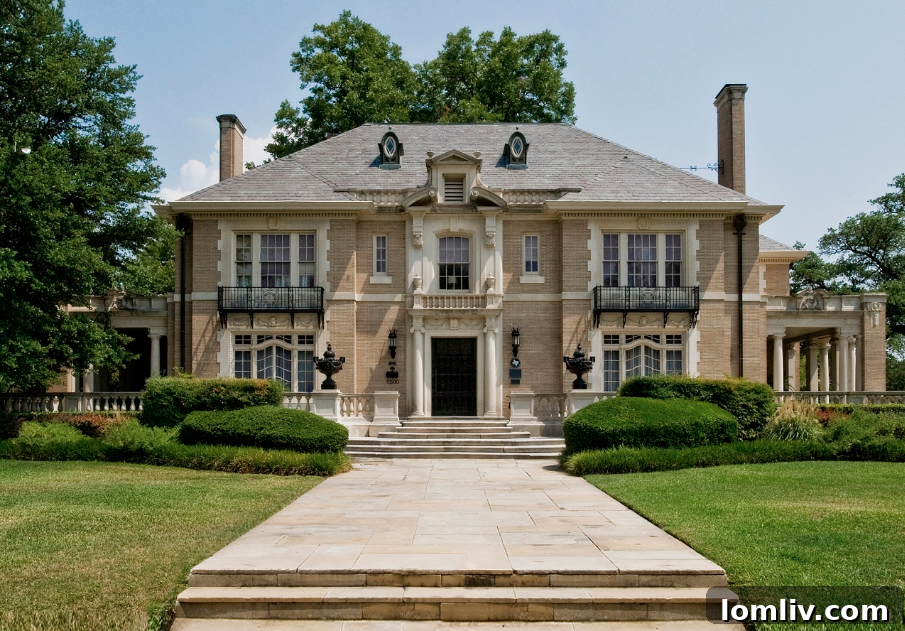
Singleton’s prior role as Executive Director at Preservation Austin offers an intriguing model for enhanced long-term protection. In Austin, the organization held restrictive covenants (akin to deed restrictions) for designated historic properties. This meant that a homeowner could secure historic designation for their property and then formally ask Preservation Austin to hold a perpetual covenant on the house. In this arrangement, the preservation organization effectively becomes a partner in safeguarding the property, requiring their sign-off on any proposed significant changes by future owners. This institutional backing adds a robust layer of accountability and enforcement.
Implementing such a scheme typically necessitates some financial contribution from the homeowner to cover potential legal challenges and administrative costs for the holding organization. However, this model presents a compelling option worthy of serious consideration for Preservation Dallas to explore and potentially adopt. It offers a powerful mechanism for securing historic homes indefinitely, beyond the tenure of any single owner.
To genuinely and comprehensively protect your historic home, the most effective strategy involves a two-pronged, proactive approach. Begin by implementing deed restrictions immediately; this provides a relatively quick and accessible layer of legal protection. Concurrently, initiate the landmarking process, understanding that it’s a more extensive but ultimately more powerful and enduring safeguard. These are the established tools available to homeowners, but their efficacy hinges entirely on homeowner proactivity. The moment you acquire a historic property, consider it your responsibility to undertake the necessary steps to protect it. It is illogical to lament the loss of a historic home to demolition if you, as its custodian, failed to utilize the available means of preservation.
I will reiterate my fundamental mantra for historic preservation: if you are not an active part of the solution, then, by default, you contribute to the problem. Let us collectively embrace the responsibility of preserving Dallas’s precious architectural legacy for generations to come.